

Netmeds First Membership
Introduction About CLINSOL GEL
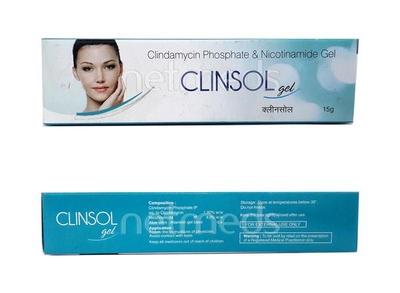
Clinsol Gel is a topical dermatology formulation containing Clindamycin 1% and Nicotinamide 4% in a gel base. It is commonly included in skincare routines designed for oily and acne-prone skin and is widely discussed in dermatology-guided skincare education for targeted facial application and balanced skincare practices.
This formulation is often considered for individuals who experience excess oiliness, acne-prone skin texture, or visible skin congestion associated with lifestyle, environmental exposure, or hormonal factors. It is generally used in teenagers and adults as part of a structured skincare routine under professional guidance rather than self-directed skincare application.
Clinsol Gel should be applied externally on clean and completely dry skin as directed by a healthcare professional. A small pea-sized amount is usually sufficient for thin and even application across affected facial areas. The gel is typically applied once or twice daily depending on individual skincare requirements and dermatology evaluation.
Clinsol Gel is intended only for external use and should be applied carefully while avoiding contact with the eyes, lips, inside of the nose, and damaged or irritated skin. Individuals using additional topical skincare products should maintain a simple and gentle skincare routine to minimize excessive dryness or irritation. It is important to follow prescribed skincare instructions consistently and inform the healthcare professional about any existing skin sensitivities or ongoing topical product use.
During pregnancy and breastfeeding, this topical gel should only be used if specifically recommended by a healthcare professional after evaluating individual suitability. Self-application without medical guidance is generally not advised during these periods.
Common Side Effects Some individuals may experience mild and temporary skin-related effects such as dryness, redness, peeling, mild burning sensation, itching, or irritation at the application site as the skin adjusts to the topical formulation. These effects are generally mild and temporary. If severe irritation, swelling, allergic reactions, or persistent skin discomfort occur, medical advice should be sought promptly.
Uses Of CLINSOL GEL
It is used to manage:
• Acne-prone skin and acne vulgaris
• Inflammatory and non-inflammatory acne lesions
• Excess sebum (oil) production on the skin
• Redness, swelling, and irritation associated with acne-prone skin
• Bacterial skin imbalance linked with acne formation
• Facial pimples and breakouts
• Oily and combination skin-related acne concerns
• Skin congestion and clogged pores
• Acne-related skin texture irregularities
• Supportive dermatology-guided acne skincare routines
• Maintenance of clearer, calmer, and healthier-looking skin
• Topical management of redness, tenderness, and skin inflammation associated with acne
Benefits of CLINSOL GEL
Helps Support Acne-Prone Skin Appearance
Clinsol Gel is commonly included in dermatology-guided skincare routines to support a clearer-looking skin appearance in individuals with acne-prone skin. It is used as part of topical skincare regimens under professional advice.
Helps Maintain Oil Balance in Oily Skin
The gel-based formulation is often referenced in skincare contexts for oily skin due to its lightweight texture, which supports a less greasy feel on the skin surface and fits easily into daily skincare routines.
Supports Skin Care for Facial Breakouts
Clinsol Gel is commonly associated with skincare routines addressing visible facial breakouts and uneven skin texture appearance. It is applied topically as part of a structured acne-prone skincare routine.
Dermatology-Guided Combination Skin Support
The combination of Clindamycin and Nicotinamide is widely used in topical dermatology formulations that are included in acne-prone skin care routines under professional supervision for overall skin appearance support.
Suitable for Daily Skincare Routines
Clinsol Gel is commonly integrated into daily skincare routines designed for acne-prone and oily skin types, supporting consistent topical skin care practices as advised by healthcare professionals.
Lightweight Gel-Based Skin Application
The gel formulation offers a non-greasy texture that is commonly preferred in acne-prone skincare routines, allowing easy application and comfortable skin feel without heaviness.
How CLINSOL GEL Works
How Clinsol Gel Works on Acne-Prone Skin
Clinsol Gel is a topical dermatology formulation used in skincare routines for acne-prone skin. It works through a dual-ingredient approach that is commonly included in routines focused on improving overall skin clarity and reducing the appearance of breakouts.
Mechanism of Clindamycin in Clinsol Gel
Clindamycin is a topical antibiotic agent that acts on acne-associated bacteria present on the skin surface. It is commonly used in dermatology formulations to support a cleaner skin environment in acne-prone conditions.
Role of Nicotinamide in Skin Care Support
Nicotinamide is widely used in skincare formulations for its role in supporting skin barrier function and helping maintain a more balanced and even-looking skin surface, especially in oily and blemish-prone skin types.
How Clinsol Gel Supports Clearer Skin Appearance
The combination of Clindamycin and Nicotinamide is often included in topical skincare routines that focus on improving the appearance of acne-prone skin by addressing multiple skin concerns such as oiliness and uneven texture.
Clinsol Gel and Oil Control Support
The gel-based formulation is commonly preferred in oily skin care routines due to its lightweight texture, which helps maintain a non-greasy feel while supporting skin surface balance.
How Clindamycin and Nicotinamide Work Together
The combination of Clindamycin and Nicotinamide is widely used in dermatology-based skincare formulations where one ingredient supports bacterial balance on the skin and the other supports overall skin appearance and comfort.
How to use CLINSOL GEL
How to Apply Clinsol Gel Correctly
- Gently cleanse the affected skin area
- Pat the skin completely dry
- Take a small pea-sized amount of gel
- Apply a thin, even layer over the required area
- Allow the gel to absorb naturally into the skin
- Wash hands after application unless hands are the treated area
Recommended Usage Routine
- Use as advised by a dermatologist
- Commonly applied once or twice daily
- Can be included in either:
- Morning skincare routine
- Evening skincare routine
Daily Skincare Steps with Clinsol Gel
- Cleanser → Clinsol Gel → Moisturizer
- Use a gentle cleanser suitable for oily or acne-prone skin
- Follow with a non-comedogenic moisturizer if needed
How Much Clinsol Gel Should Be Used?
- A pea-sized quantity is usually sufficient
- Apply only a thin layer
- Avoid excessive application
Facial Application Guide
- Apply carefully on targeted facial areas
- Avoid contact with:
- Eyes
- Lips
- Inside of the nose
- Broken or irritated skin
Tips for Using Topical Acne Gel Effectively
- Use regularly as directed
- Avoid over-application
- Pair with gentle cleansing habits
- Keep skin hydrated with suitable moisturizers
Follow dermatologist guidance for long-term skincare routines
Side Effects Of CLINSOL GEL
Common Side Effects
• Dry skin
• Redness on the skin
• Skin rash
• Peeling of the skin
• Burning sensation at the application site
• Itching or irritation
• Swelling or soreness at the application site
• Warm sensation on the skin
• Flushing or redness of the face
• White spots on the skin
• Tingling sensation
• Skin dryness or tightness
• Mild skin stripping
When to Consult Your Doctor About Clinsol Gel:
• Signs of allergic reactions such as swelling of the face, lips, tongue, or throat
• Trouble breathing or chest tightness
• Severe skin irritation or worsening rash
• Persistent peeling, redness, or burning sensation
• Severe diarrhea or stomach cramps
• Any unusual or persistent skin changes after application
How To Manage Side Effects

Dry Skin
• Use a Gentle Moisturizer Regularly: Apply a non-comedogenic moisturizer to maintain skin hydration
• Avoid Overwashing the Face: Wash only 1–2 times daily with a mild cleanser to reduce excess dryness
• Apply a Thin Layer of Gel Only: Use only the recommended pea-sized amount to reduce skin dryness
• Stay Hydrated: Drink adequate water throughout the day to support overall skin hydration
• Avoid Harsh Products: Skip alcohol-based skincare, strong exfoliants, or drying acne managements
• Consult a Doctor if Needed: Seek medical advice if dryness becomes severe, persistent, or causes skin cracking or discomfort

Skin rash Or Itching
• Stop or Reduce Application if Irritation Increases: Temporarily pause use if rash becomes uncomfortable or spreads
• Keep Skin Clean and Gentle: Wash the face with a mild, non-irritating cleanser and lukewarm water
• Avoid Harsh Skincare Products: Do not use scrubs, alcohol-based toners, or strong exfoliants on affected areas
• Soothe the Skin: Use a gentle, fragrance-free moisturizer to reduce irritation and support skin comfort
• Avoid Sun Exposure: Limit direct sun exposure as rash-prone skin may become more sensitive
• Consult a Doctor if Needed: Seek medical advice if rash worsens, spreads, or does not improve
Warning & Precautions

Pregnancy
Use with CautionClinsol Gel should be used with caution during pregnancy only if clearly advised by a healthcare professional.consult your doctor before taking this medicine.

Breastfeeding
Use with CautionThis topical gel should be used with caution during breastfeeding. Medical advice is recommended to ensure safe and appropriate use.consult your doctor before taking this medicine.

Driving and Using Machines
Use with CautionClinsol Gel generally does not affect alertness or the ability to drive or operate machines, as it is a topical preparation. However, if any unusual skin reaction or discomfort occurs, avoid activities requiring attention. consult your doctor before taking this medicine.

Alcohol
Consult your doctorThere are no direct topical interactions with alcohol, but excessive alcohol intake may indirectly affect skin health and worsen acne-related conditions. Moderation is generally advised. consult your doctor before taking this medicine.

Kidney
Consult your doctorNo significant kidney-related precautions are typically associated with topical use, but individuals with chronic health conditions should consult a doctor before use.

Liver
Consult your doctorNo direct liver-related restrictions are known for topical application, but medical guidance is advised in case of existing systemic illnesses.

Allergy
ContraindicatedDo not use this medicine if you are allergic to clindamycin, nicotinamide, or any other ingredients in the formulation. Seek immediate medical attention if you develop rash, itching, swelling, or difficulty breathing after application.

Lungs
Use with CautionClinsol Gel should be used with caution in individuals who have a history of chronic asthma, breathing difficulties, or allergic respiratory conditions such as hay fever. It is recommended to consult your doctor before using this medicine.

Heart Disease
Consult your doctorNo significant heart-related precautions are typically associated with topical use of Clinsol Gel, as it is applied externally on the skin and has minimal systemic absorption. However, individuals with serious cardiac conditions or those on multiple long-term medications should consult a healthcare professional before use to ensure overall safety.

Use In Pediatrics
Use with CautionClinsol Gel should be used with caution in children only if prescribed and supervised by a healthcare professional. Consult your doctor before taking this medicine.

Use In Geriatrics
Consult your doctorElderly individuals may use this medicine under medical supervision, especially if they have sensitive or fragile skin conditions.
Other Warnings for CLINSOL GEL
Before Using This Medicine, Inform Your Doctor If You Have:
• Sensitive or allergy-prone skin
• History of severe skin irritation from topical products
• Existing skin infections or inflamed skin conditions
• Ongoing use of other topical acne or exfoliating managements
• Very dry or damaged skin barrier conditions
Who should not take CLINSOL GEL
It is Not Recommended for patients with:
• Known allergy to clindamycin or nicotinamide
• Severe skin irritation or open wounds in the application area
• History of strong hypersensitivity reactions to topical antibiotics
• Concurrent use of multiple strong acne managements without supervision
Drug - Drug interaction
Atracurium
Interaction: Concurrent use with topical clindamycin formulations may enhance neuromuscular blocking activity.
Effects: Increased muscle relaxation effects may occur in sensitive individuals.
Management: Inform healthcare professionals about all ongoing medications before use.
Metocurine
Interaction: Clindamycin-containing products may increase the neuromuscular blocking effects of metocurine.
Effects: Enhanced muscle weakness or prolonged neuromuscular effects may occur.
Management: Medical supervision may be required when both medicines are used together.
Tubocurarine
Interaction: Topical clindamycin formulations may potentiate the activity of tubocurarine.
Effects: Increased neuromuscular blocking response may occur in some individuals.
Management: Dose adjustments or monitoring may be considered by healthcare professionals.
Other Topical Skin Products
Interaction: Using multiple topical acne or exfoliating products together may increase skin sensitivity.
Effects: Higher chances of dryness, redness, peeling, or skin irritation.
Management: Follow a structured skincare routine and apply products as directed.
Prescription and Non-Prescription Medicines
Interaction: Certain prescription medicines, supplements, or skincare formulations may interact with topical clindamycin products.
Effects: Changes in product tolerance or increased unwanted skin reactions may occur.
Management: Maintain a complete list of all medicines and skincare products for healthcare review.
General Interaction Guidance
Interaction: Drug interactions may alter how medicines work or increase the possibility of unwanted effects.
Effects: Individual responses may vary depending on combined product usage.
Management: Do not start, stop, or change medicine usage without professional guidance.
Synopsis
|
Drug |
Clindamycin 1% + Nicotinamide 4% Topical Gel |
|
Pharmacological Category |
Topical Antibiotic + Anti-inflammatory / Skin conditioning dermatological combination |
|
Therapeutic Indication |
Used in the management of acne-prone skin conditions, excess oil production, skin inflammation, and bacterial skin imbalance associated with acne vulgaris. It is commonly included in dermatology-guided skincare routines for targeted facial application in oily and combination skin types. |
|
Dosage Forms |
Gel,Gel (topical),cream,tablet,oinment |
More Information
1) How does the skin cycling trend help improve the effectiveness of topical acne gels like Clinsol Gel in modern skincare routines?
Understanding the Skin Cycling Trend in Modern Skincare
The skin cycling trend refers to a structured skincare approach where active skincare products are used on specific days in a planned routine, followed by recovery-focused skincare days. This trend has become popular in modern minimal skincare discussions because it promotes balanced product usage and simplified skincare habits.
Connection Between Skin Cycling and Topical Acne Gels
Topical acne gels such as Clinsol Gel are often discussed within skin cycling routines as part of organized nighttime skincare schedules. The structured nature of skin cycling helps users apply active skincare products more consistently and thoughtfully within a minimal routine framework.
Influence of Minimal Skincare Routines
Modern skincare trends increasingly focus on using fewer products with more intentional application methods. Within this approach, topical acne gels are commonly included alongside gentle cleansers and lightweight moisturizers to support a simplified skincare routine for oily and acne-prone skin types.
Role of Skin Barrier Awareness in Skincare Trends
Skin cycling discussions often emphasize balancing active skincare application with hydration-focused routine days. This has contributed to growing awareness around maintaining comfortable and manageable skincare routines while using topical skincare products regularly.
Growing Popularity Through Social Media and Dermatology Content
Digital skincare education, beauty creators, and dermatology-focused wellness content have increased public interest in skin cycling routines. As a result, topical acne gels are frequently included in educational skincare examples that demonstrate structured and minimal product layering practices.
Shift Toward Consistent Skincare Habits
The popularity of skin cycling reflects a broader movement toward sustainable and easy-to-follow skincare routines. In this context, topical acne gels are commonly positioned as one step within a planned skincare schedule that encourages consistency and mindful application practices.
2) Where should topical acne gels be included within a minimal skincare routine that follows the skin cycling approach?
Placement of Topical Acne Gels in a Skin Cycling Routine
Topical acne gels like Clinsol Gel are commonly included after cleansing and before moisturization within a minimal skincare routine. They are typically applied in a thin layer on clean and dry skin as part of a structured evening skincare schedule.
Basic Structure of a Minimal Skin Cycling Routine
A simplified skin cycling routine generally includes:
- Gentle cleansing step
- Application of selected active skincare products
- Moisturizing or hydration-focused step
Within this structure, topical acne gels are usually positioned between cleansing and moisturizing stages.
Importance of Skin Preparation Before Application
Minimal skincare routines often emphasize proper skin preparation before applying topical products. Clean and dry skin is commonly recommended in skincare education to support even application and comfortable product layering practices.
Integration With Hydration-Focused Routine Days
Skin cycling routines frequently alternate active product days with hydration-oriented skincare days. This organized structure has made topical acne gels a common feature in planned skincare schedules designed around balanced product usage awareness.
Influence of Modern “Less Is More” Skincare Culture
Current skincare trends increasingly promote minimal layering and simplified routines. As part of this movement, topical acne gels are often included as targeted skincare steps within routines that avoid excessive product combinations.
Growth of Structured Skincare Education Online
Beauty platforms, skincare influencers, and dermatology-based educational content have contributed to greater awareness about the order of skincare application. This has helped popularize the inclusion of topical acne gels within streamlined skin cycling routines focused on consistency and organized skincare habits.
FAQs About CLINSOL GEL
Q. What is the skin cycling trend in modern skincare discussions?
A. The skin cycling trend is a structured skincare approach where active skincare products are used on planned days followed by hydration-focused routine days as part of modern minimal skincare awareness.
Q. What is Clinsol Gel in skincare discussions?
A. Clinsol Gel is a topical skincare formulation commonly discussed in acne-prone skincare routines for structured and targeted facial application practices.
Q. How are topical acne gels included in minimal skincare routines?
A. Topical acne gels are generally included after cleansing and before moisturization within simplified skincare routines focused on balanced product layering.
Q. Why is skin cycling becoming popular in skincare education?
A. Skin cycling is becoming popular because it promotes organized skincare habits, simplified routines, and mindful use of active skincare products.
Q. What role does cleansing play before applying topical acne gels?
A. Gentle cleansing is commonly recommended before topical gel application to support clean skin preparation and even skincare product distribution.
Q. Why are minimal skincare routines trending in modern beauty culture?
A. Minimal skincare routines are trending because they emphasize fewer products, simple application steps, and consistent skincare habits within daily routines.
Q. How does social media influence skin cycling awareness?
A. Social media platforms and skincare-focused educational content have increased awareness about structured skincare schedules and minimal product layering techniques.
Q. Where are topical acne gels usually positioned in a skincare routine?
A. Topical acne gels are commonly positioned between cleansing and moisturizing steps in both morning and evening skincare routines.
Q. What is meant by a hydration-focused skincare day in skin cycling?
A. A hydration-focused skincare day refers to a routine centered around moisturizing and maintaining balanced skincare practices within structured skincare schedules.
Q. Why is consistent skincare application emphasized in skin cycling discussions?
A. Consistent skincare application is emphasized because structured routines are commonly associated with organized and manageable skincare habits in modern skincare education.
References
1)KD Tripathi. Macrolide, Lincosamide,Glycopeptide and OtherAnti bacteria I Antibiotics;Urinary Antiseptics. Vitamins.. Drugs Essentials of medical pharmacology. 8th edition. 2013. Page –805,973
2)Effat Khodaeiani, Rohollah Fadaei Fouladi, Mehdi Amirnia, Majid Saeidi, Elham Razagh Karimi.Topical 4% nicotinamide vs. 1% clindamycin in moderate inflammatory acne vulgaris. National Library of Medicine, National Center for Biotechnology Information. PubMed central 2013 Aug. [Accessed date 12/05/2026] 
3)QndQ Derma. Qnclin-N.[Accessed date 12/05/2026] 
4)Iosis Remedies Pvt Ltd.Clindamycin 1% & Nicotinamide 4% Gel. [Accessed date 12/05/2026]
5)Lifevision Healthcare. CLINDAMYCIN….1%,NICOTINAMIDE….4% (GEL BASE). [Accessed date 12/05/2026]
Author Details