






Netmeds First Membership
Introduction About CLINDAC AP GEL
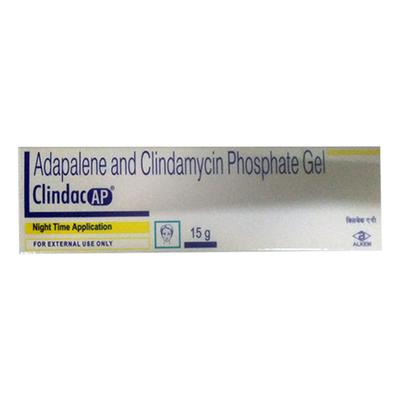
CLINDAC AP GEL contains a combination of Adapalene and Clindamycin, which belongs to the group of medicines called topical retinoids and lincomycin antibiotics. It is used in the management of skin acne (pimple). Acne is a condition of the skin when the root of your hair (hair follicle) or skin pores gets clogged by oil or dead skin, which becomes prone to bacterial infection and the formation of pimples, blackheads, spots and scars.
Adapalene is a form of vitamin A, that acts as an antiacne agent by binding directly to the receptor of the skin which increases the rate of cell turnover (cell regeneration) and decreases oil secretion managing clogging of the hair follicles and pores, also decreasing swelling/inflammation. Clindamycin works by binding to the ribosomal unit of the bacteria and disrupts the production of the protein essential for its survival. Before recommending CLINDAC AP GEL, your doctor may advise you to have tests to understand your existing condition for planning effective management methods. Stay well hydrated and protect your skin from exposure to sunlight or UV light.
Do not apply CLINDAC AP GEL if you are allergic to adapalene or clindamycin, a disorder of the digestive system (colitis), a disorder of the immune system or have bruises, cuts or burns on the skin. The common side effects of using this medicine may include dry skin, burning, itching, redness or irritative sensation of the skin, scaling peeling of the skin etc.Consult your doctor if any of these side effect worsens.
Uses Of CLINDAC AP GEL
- To manage acne
How CLINDAC AP GEL Works
Adapalene, a form of vitamin A, works as an antiacne medicine by attaching directly to the skin's receptor, which increases cell turnover (cell regeneration) and decreases oil secretion managing blockage of the hair follicles and pores. It also reduces swelling/inflammation of the skin. Clindamycin works by attaching to the bacteria's ribosomal unit and disrupting the production of a protein required for its very own survival.
How to use CLINDAC AP GEL
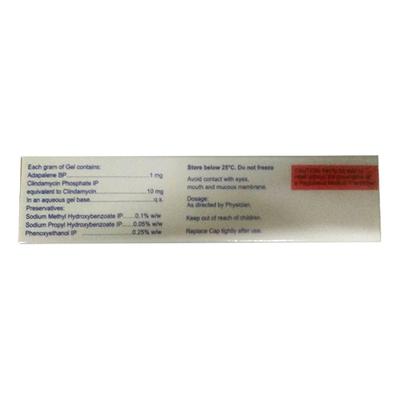
Apply CLINDAC AP GEL as advised by your doctor. It is for external use on the skin only. Avoid applying CLINDAC AP GEL around or onto your eyes, including eyelids.
Overdose
In case of using CLINDAC AP GEL in excess, than recommended, you may experience dryness, scaling, redness and discomfort of the skin. Contact your doctor immediately for advice.
Side Effects Of CLINDAC AP GEL
Common side effects of CLINDAC AP GEL
- dryness of the skin
- burning, itching, redness of the skin
- scaling and or peeling of the skin
Stop using this medicine and contact your doctor immediately if you experience any of the following side effects:
- severe allergic reactions (such as skin rash, itching, swelling of the face, lips, tongue and other parts of the body, difficulty in breathing or wheezing, blisters on the skin, sore throat, fever, headache etc.)
How To Manage Side Effects
Dry Skin
Drink plenty of water and stay well hydrated. Use moisturizer recommended by your doctor.
Warning & Precautions

Pregnancy
ContraindicatedCLINDAC AP GEL is not recommended for use in pregnant women. Consult your doctor for advice if you are pregnant or suspect/planning pregnancy.

Breastfeeding
Use with CautionCLINDAC AP GEL is to be used with caution in breastfeeding mothers after consulting your doctor. The safe use of CLINDAC AP GEL in breastfeeding women and breastfed baby is not established.

Driving and Using Machines
Use with CautionCLINDAC AP GEL may not interfere with your ability to drive or use the machine. However, protect your skin from sun or UV light while travelling and follow appropriate protective measures recommended by your doctor.

Alcohol
Consult your doctorThe risks associated with consuming alcohol are not known. It’s advised to avoid the consumption of alcohol while using CLINDAC AP GEL, as it could aggravate your existing condition.

Allergy
Talk to your doctor if you are allergic to Adapalene and/or Clindamycin.

Use In Pediatrics
ContraindicatedCLINDAC AP GEL is not recommended for use in children less than 12 years of age. Consult your doctor for advice.

Use In Geriatrics
Use with CautionCLINDAC AP GEL should be used with caution in the elderly (above 65 years of age) after consulting your doctor for advice.
Who should not take CLINDAC AP GEL
CLINDAC AP GEL is not recommended for use if you:
- Cuts or bruises on the skin
- Sunburns
- Skin conditions like eczema (itching, dry and red skin)
Drug - Drug interaction
Inform your physician, if you are taking or using,
- Medicated soap for skin, other cosmetic products with a high concentration of alcohol, astringents, sulfur,
- Resorcinol – use for itching or irritation of the skin and scalp, loss of hair, dandruff etc.
- Salicylic acid – used for skin acne, dandruff, etc.
- Atracurium, cisatracurium, succinylcholine – used to relax muscles
Drug - Food interaction
The interaction of foods with CLINDAC AP GEL is not known. Consult your doctor for diet advice.
Synopsis
|
Drug |
: |
Adapalene, Clindamycin |
|
Pharmacological Category |
: |
Topical Retinoids, Antibiotics |
|
Therapeutic Indication |
: |
Manage acne |
|
Dosage Forms |
: |
Gel (topical), Gel, Cream, Ointment |
More Information
- Keep out of reach from children
- Store at room temperature.
- Keep away from sunlight
FAQs About CLINDAC AP GEL
Q: Can CLINDAC AP GEL be used to manage scars on the skin?
A: Yes. Adapalene is a kind of vitamin A that reduces swelling and inflammation while also managing acne scars. Azithromycin is used to manage infections that cause skin infections to worsen.
Q: Can CLINDAC AP GEL result in skin peeling?
A: Yes. Dryness of the skin, burning, itching, redness of the skin, skin irritation, scaling, and possibly peeling of the skin are all possible side effects of using this medicine.
Q: Can [GBBNKEYWORD] cause skin dryness?
A: Yes. Your skin may get dry as a result of taking this medication. Maintain hydration and use the moisturiser that your doctor has prescribed.
Q: How long can I use CLINDAC AP GEL?
A: Use CLINDAC AP GEL as advised by your doctor. Generally, it’s recommended for use depending on the severity of the existing skin condition.
Q: Can I stop using CLINDAC AP GEL on my own?
A: No. It is not recommended to stop using CLINDAC AP GEL on your own as it may worsen the existing skin condition. Consult your doctor for advice.
References
1. KD. Tripathi. Drugs acting on skin and mucous membranes & Antimicrobial drugs. Essentials of medical pharmacology. 8th Edition. 2019. Page – 953 to 954 & 805.
2. Laurence Brunton, Bruce Chabner, Bjorn Knollman. Dermatological Pharmacology. Goodman & Gilman’s The Pharmacological Basis of Therapeutics. 12th Edition. 2006. Page-1809.
3. Lee's Pharmaceutical Limited. U.S National Library of Medicine (ClinicalTrails.gov). A Study to Evaluate the Efficacy and Safety of Adapalene-Clindamycin Combination Gel in the Treatment of Acne Vulgaris. [Revised on 28th April 2020] [Accessed on 14th May 2026] 
4. Bausch Health US, LLC. Clindamycin gel. U.S National Library of Medicine (NIH) [Revised on January 2020] [Accessed on 14th May 2026]. 
5. Galderma Laboratories, L.P. Adapalene gel. [Revised on February 2018] [Accessed on 14th May 2026]
6. Alembic Pharmaceuticals, Inc. National Library of Medicine (NIH). Adapalene gel [Revised on November 2021] [Accessed on 14th May 2026]