








Netmeds First Membership
Quick Links
Introduction About CIFRAN 500MG TABLET
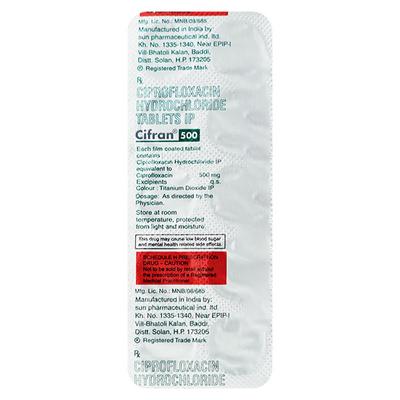
Cifran 500mg Tablet (Ciprofloxacin) is a prescription fluoroquinolone antibiotic used to treat a wide range of bacterial infections when the causative bacteria are susceptible to ciprofloxacin. Whether you're dealing with a persistent urinary tract infection (UTI), respiratory tract infection, skin or soft tissue infection, or certain gastrointestinal infections, Cifran 500mg helps eliminate the bacteria responsible for the illness by inhibiting bacterial DNA replication. It is effective only against bacterial infections and should not be used for viral illnesses such as the common cold or flu.
Cifran 500mg Tablet is commonly prescribed for adults with bacterial infections of the urinary tract, lungs (including pneumonia), nose, throat, skin, soft tissues, bones, joints, and certain gastrointestinal infections. It may also be recommended for selected patients with complicated or resistant infections based on culture and sensitivity results. Take the tablet exactly as prescribed by your doctor, preferably at the same time each day, with or without food. Swallow it whole with a full glass of water and complete the entire prescribed course, even if symptoms improve earlier. Avoid taking it together with dairy products, antacids, or supplements containing calcium, magnesium, iron, or zinc, as these can reduce the medicine's absorption and effectiveness.
Patients should follow all prescribed directions carefully and inform their doctor about any history of kidney disease, tendon disorders, epilepsy, heart rhythm problems, or myasthenia gravis before starting treatment. Ciprofloxacin carries important safety warnings, including a rare risk of tendon inflammation or rupture, peripheral neuropathy, and central nervous system effects such as dizziness or confusion. Stop taking the medicine and seek medical advice immediately if you develop severe tendon pain, numbness, weakness, allergic reactions, or persistent diarrhea. Adequate hydration is recommended during treatment, and patients should avoid unnecessary exposure to excessive sunlight due to increased photosensitivity.
The use of Cifran 500mg during pregnancy is generally not recommended unless the expected benefit outweighs the potential risk, as determined by a healthcare professional. It should also be used with caution during breastfeeding, since ciprofloxacin passes into breast milk and may affect the nursing infant. The most commonly reported side effects include nausea, diarrhea, headache, dizziness, abdominal discomfort, and gastrointestinal upset. Most side effects are mild and temporary; however, patients should seek medical attention if they experience severe or persistent symptoms, bloody diarrhea, or signs of a serious allergic reaction.
Uses Of CIFRAN 500MG TABLET
- Urinary tract infections (UTIs), including complicated kidney and bladder infections.
- Respiratory tract infections, such as certain types of pneumonia and bronchitis caused by susceptible bacteria.
- Gastrointestinal infections, including infectious diarrhea and typhoid fever caused by susceptible organisms.
- Skin and soft tissue infections.
- Bone and joint infections.
- Ear, nose, and throat (ENT) infections when appropriate.
- Prostate infections (bacterial prostatitis).
- Complicated intra-abdominal infections (when used in combination with other appropriate antibiotics).
- Prevention and management of specific bacterial infections, such as inhalational anthrax, when recommended by a healthcare professional.
Benefits of CIFRAN 500MG TABLET
Cifran 500mg Tablet Helps Control Bacterial Growth
Cifran 500mg Tablet contains ciprofloxacin, a fluoroquinolone antibiotic that works by inhibiting bacterial DNA gyrase and topoisomerase IV—enzymes essential for bacterial DNA replication and repair. By preventing bacteria from multiplying, it helps control the spread of the infection and enables the body's immune system to eliminate the remaining bacteria. To achieve the best results, the medicine should be taken exactly as prescribed and the full course should be completed.
Cifran 500mg Tablet Delivers Targeted Antibiotic Therapy
Cifran 500mg Tablet is effective against a wide range of susceptible bacteria and is commonly prescribed for conditions such as urinary tract infections, gastrointestinal infections, typhoid fever, respiratory tract infections, and certain skin, bone, and joint infections. Doctors prescribe it based on the suspected or confirmed bacteria causing the infection, ensuring targeted treatment while helping reduce the risk of antibiotic resistance associated with inappropriate antibiotic use.
Cifran 500mg Tablet Contributes to Improved Clinical Outcomes
Cifran 500mg Tablet helps achieve improved clinical outcomes by effectively eliminating susceptible bacteria responsible for a variety of infections. By reducing the bacterial load, it helps relieve symptoms, limits the progression of the infection, and supports the body's natural healing process. When taken exactly as prescribed and for the full recommended duration, Cifran 500mg Tablet can help reduce the risk of treatment failure, recurrence of infection, and the development of antibiotic resistance, leading to better overall recovery and treatment success.
How CIFRAN 500MG TABLET Works
How Cifran 500mg Tablet Stops Bacterial Growth
Cifran 500mg Tablet contains ciprofloxacin, a fluoroquinolone antibiotic that works by blocking two essential bacterial enzymes—DNA gyrase and topoisomerase IV. These enzymes are required for bacterial DNA replication, repair, and cell division. By inhibiting their activity, Cifran 500mg Tablet prevents bacteria from multiplying and spreading, ultimately leading to the elimination of susceptible bacteria. This targeted mechanism helps control the infection, relieve symptoms, and supports the body's immune system in clearing the remaining bacteria. Since it acts specifically against bacteria, Cifran 500mg Tablet is not effective for viral infections such as the common cold or influenza.
How to use CIFRAN 500MG TABLET
How to Take Cifran 500mg Tablet
- Take Cifran 500mg Tablet exactly as prescribed by your healthcare provider.
- Swallow the tablet whole with a full glass of water. Do not crush, chew, or break it unless advised otherwise.
- It can be taken with or without food, preferably at the same time each day.
- Avoid taking the tablet together with dairy products alone or calcium-fortified beverages.
- Complete the full course of treatment, even if your symptoms improve before the medication is finished.
Recommended Dosage and Administration of Cifran 500mg Tablet
- The dosage and duration of treatment depend on the type and severity of the infection, your age, kidney function, and overall health.
- Always follow your doctor's prescribed dosing schedule.
- If you have kidney impairment, your doctor may adjust the dose accordingly.
- Do not increase, decrease, or stop the medicine without consulting your doctor.
- If you miss a dose, take it as soon as you remember unless it is almost time for your next scheduled dose.
Best Practices for Taking Cifran 500mg Tablet
- Drink plenty of fluids during treatment to stay well hydrated.
- Maintain a gap of at least 2 hours before or 4–6 hours after taking antacids or supplements containing calcium, magnesium, iron, zinc, or aluminum.
- Take the medicine at evenly spaced intervals to maintain consistent drug levels in the body.
- Inform your doctor about all other medicines and supplements you are taking to avoid potential interactions.
- Contact your healthcare provider if your symptoms do not improve, worsen, or if you experience any unusual side effects during treatment.
What if I forgot to take CIFRAN 500MG TABLET
- Take the missed dose as soon as you remember.
- If it is almost time for your next scheduled dose, skip the missed dose and continue with your regular dosing schedule.
- Do not take two doses at the same time or an extra dose to make up for a missed one.
- Continue taking the medicine for the full prescribed duration, even if you have missed a dose.
- If you miss multiple doses or are unsure how to proceed, contact your doctor or pharmacist for guidance.
- Try to take Cifran 500mg Tablet at the same time each day or set a reminder to help prevent missed doses and maintain consistent antibiotic levels in your body.
Overdose
An overdose of Cifran 500mg Tablet (ciprofloxacin) may increase the risk of serious side effects, including nausea, vomiting, diarrhea, dizziness, confusion, tremors, seizures, and changes in kidney function. In severe cases, overdose may lead to heart rhythm disturbances or central nervous system effects, particularly in individuals with underlying medical conditions. If an overdose is suspected, seek immediate medical attention or contact your nearest poison control center. Treatment is primarily supportive and may include monitoring of vital signs, kidney function, and hydration status. Do not attempt to manage an overdose at home or take additional doses unless advised by a healthcare professional.
Side Effects Of CIFRAN 500MG TABLET
Common side effects of Cifran 500mg Tablet
- nausea
- diarrhoea
Stop taking Cifran 500mg Tablet and consult your doctor immediately if you experience any of the following side effects
- sensory disorders including impairment of vision, taste and smell, and hearing, depression, memory impairment, severe fatigue, and severe sleep disorders.
- severe allergic reaction with symptoms such as tightness in the chest, feeling dizziness, feeling sick, fainting, and experience dizziness while standing
- impairment of eyesight, taste, smell, hearing
- pain and swelling of tendons (Ex. in your ankle, wrist, elbow, shoulder or knee), difficulty in walking
- cerebral ischemia (less blood flow to the brain) or stroke, seizure (fits)
- mental disturbances (psychiatric reactions such as depression and potentially leading to suicidal thoughts, suicidal attempts, or completed suicide), memory impairment and sleep disturbances
- nerve damage (neuropathy) in the feet and legs or hands and arms causing symptoms such as pain, burning, tingling, numbness or weakness
- increase in blood sugar levels (hyperglycaemia), or lowered blood sugar levels below normal levels, in severe cases can lead to loss of consciousness or coma
- sudden shortness of breath, especially while lying down flat, rapid irregular heartbeat and swelling of your ankles, feet or abdomen
- presence of crystals in the urine with discomfort when passing urine (crystalluria)
- false Tuberculosis test (Mycobacterium)
- sensitive skin to sunlight or ultraviolet (UV) light
- liver damage leading to symptoms such as loss of appetite, yellowing of the skin, urine dark in colour, itching or pain in the stomach,
- infection with symptoms such as fever and serious deterioration of your general condition, or fever with local infection symptoms such as sore throat/pharynx/mouth or urinary problems.
How To Manage Side Effects

Diarrhea
- Drink plenty of fluids, such as water or oral rehydration solutions, to prevent dehydration.
- Eat light, easily digestible foods such as bananas, rice, applesauce, and toast (BRAT diet) until symptoms improve.
- Avoid spicy, fatty, or high-fibre foods that may worsen diarrhoea.
- Do not take anti-diarrhoeal medicines without consulting your doctor.
- Seek immediate medical attention if diarrhoea is severe, persistent, contains blood, or occurs after completing the antibiotic course, as it may indicate a serious intestinal infection.

Nausea And Vomiting
- Drink plenty of fluids, such as water or oral rehydration solutions, to prevent dehydration.
- Eat light, easily digestible foods such as bananas, rice, applesauce, and toast (BRAT diet) until symptoms improve.
- Avoid spicy, fatty, or high-fibre foods that may worsen diarrhoea.
- Do not take anti-diarrhoeal medicines without consulting your doctor.
- Seek immediate medical attention if diarrhoea is severe, persistent, contains blood, or occurs after completing the antibiotic course, as it may indicate a serious intestinal infection.
Warning & Precautions

Pregnancy
ContraindicatedCifran 500mg Tablet is not recommended for pregnant and planning to get pregnant women. Consult your doctor before taking Cifran 500mg Tablet

Breastfeeding
ContraindicatedCifran 500mg Tablet is generally not recommended for use in breastfeeding women as it may pass through breast milk and could be harmful to the baby. Consult your doctor before taking Cifran 500mg Tablet.

Driving and Using Machines
Use with CautionDo not drive or use heavy machinery after taking Cifran 500mg Tablet as the medicine could cause dizziness and can potentially reduce your attention. Consult your doctor before taking Cifran 500mg Tablet

Alcohol
ContraindicatedAvoid consumption of alcohol while taking Cifran 500mg Tablet because it can make you feel dizzier. Consult your doctor before taking Cifran 500mg Tablet

Kidney
Use with CautionCifran 500mg Tablet should be taken with caution in patients with severe kidney problems. Consult your doctor before taking Cifran 500mg Tablet.

Liver
Use with CautionCifran 500mg Tablet should be taken with caution in patients with severe liver damage. Consult your doctor before taking Cifran 500mg Tablet.

Allergy
ContraindicatedDo not take Cifran 500mg Tablet if you are allergic to ciprofloxacin or any other quinolone antibiotics.

Heart Disease
Use with CautionCifran 500mg Tablet should be used with caution in patients suffering from heart problems such as prolonged QT interval (seen on ECG, electrical recording of the heart), have very slow heart rhythm (bradycardia), weak heart (heart failure), history of heart attack, leaking of heart valves, tearing in the aortic wall, bulging of a large blood vessel, if you have taken any medicine that cause abnormal ECG changes, and congenital heart valve disease. Consult your doctor before taking Cifran 500mg Tablet.

Use In Geriatrics
Use with CautionCifran 500mg Tablet should be used with caution in elderly patients (above 60 years of age) especially in those with impaired kidney function. Consult your doctor before taking Cifran 500mg Tablet
Other Warnings for CIFRAN 500MG TABLET
Before taking Cifran 500mg Tablet, inform your doctor if you
- suffer from epilepsy or other neurological conditions
- have tendon problems during previous management with antibiotics
- have a history of diabetes
- have a disease that causes muscle weakness (myasthenia gravis)
- have a deficiency in glucose-6-phosphate dehydrogenase (G6PD
- have a history of connective tissue disorder such as
- Marfan syndrome or Ehlers-Danlos syndrome
- Turner syndrome (chromosomal defect)
- Sjogren’s syndrome (an inflammatory autoimmune disease)
- vascular disorders such as Takayasu arteritis giant cell arteritis
- Behcet’s disease (blood vessel inflammation throughout your body)
- rheumatoid arthritis (a disease of the joints)
- endocarditis (an infection of the heart)
Safety Advice
- Maintain Adequate Hydration: Drink plenty of fluids during treatment to help maintain normal kidney function and reduce the risk of crystal formation in the urine.
- Take Doses at Regular Intervals: Taking Cifran 500mg Tablet at the same time each day helps maintain consistent antibiotic levels in the body for optimal effectiveness.
- Separate from Mineral Supplements: If you take calcium, iron, zinc, magnesium supplements, multivitamins, or antacids, maintain the recommended time gap to avoid reduced absorption of ciprofloxacin.
- Inform Your Doctor Before Laboratory Tests: Ciprofloxacin may interfere with certain laboratory tests. Inform your healthcare provider or laboratory personnel that you are taking this medicine.
- Monitor Kidney Function in Long-Term Use: Patients receiving prolonged treatment or those with existing kidney impairment may require periodic monitoring of kidney function.
- Use Antibiotics Responsibly: Cifran 500mg Tablet should only be used for bacterial infections confirmed or suspected by a healthcare professional. Avoid sharing the medicine with others or using leftover tablets for future illnesses.
- Follow the Prescribed Duration: Taking the medicine for longer or shorter than prescribed may reduce its effectiveness and increase the likelihood of bacterial resistance.
- Report Persistent Symptoms: If your symptoms do not improve within a few days or worsen during treatment, consult your doctor for reassessment rather than continuing the medicine on your own.
- Discuss Existing Medical Conditions: Inform your doctor if you have kidney disease, diabetes, heart conditions, or liver disorders so that appropriate dose adjustments or monitoring can be considered.
- Attend Follow-Up Appointments: For prolonged or complicated infections, your doctor may recommend follow-up evaluations to assess your response to treatment and determine whether additional therapy is needed.
Diet and Lifestyle Advice
- Stay well hydrated by drinking plenty of water throughout the day to support kidney function and overall recovery.
- Eat a balanced, nutrient-rich diet that includes fruits, vegetables, whole grains, lean proteins, and healthy fats to help strengthen your immune system during recovery.
- Take the medicine as directed and maintain a consistent dosing schedule to ensure optimal antibiotic effectiveness.
- Avoid taking the tablet with dairy products alone (such as milk or yogurt) or calcium-fortified juices, as they may reduce the absorption of ciprofloxacin. Dairy products may be consumed as part of a regular meal.
- Maintain a time gap of at least 2 hours before or 4–6 hours after taking antacids, multivitamins, or supplements containing calcium, magnesium, iron, zinc, or aluminum.
- Limit caffeine intake from coffee, tea, cola, and energy drinks, as ciprofloxacin may increase the effects of caffeine, leading to restlessness or difficulty sleeping.
- Get adequate rest and sleep to support your body's natural healing process and recovery from infection.
- Practice good hygiene, including regular handwashing and proper wound care (if applicable), to help prevent the spread or recurrence of bacterial infections.
- Avoid smoking and limit alcohol consumption, as these may delay recovery and worsen certain side effects.
- Complete the full course of antibiotics even if you feel better before finishing the prescribed treatment to help prevent recurrence of the infection and reduce the risk of antibiotic resistance.
1.How Is Cifran 500mg Tablet Different from Other Fluoroquinolone Antibiotics?
|
Parameter |
Cifran 500mg Tablet (Ciprofloxacin) |
Other Fluoroquinolone Antibiotics (e.g., Levofloxacin, Ofloxacin, Moxifloxacin) |
|
Active Ingredient |
Ciprofloxacin |
Levofloxacin, Ofloxacin, Moxifloxacin, etc. |
|
Spectrum of Activity |
Strong activity against many Gram-negative bacteria, including Pseudomonas aeruginosa. |
Spectrum varies by agent; some have better Gram-positive or anaerobic coverage. |
|
Common Uses |
UTIs, gastrointestinal infections, typhoid fever, skin infections, bone and joint infections, and certain respiratory infections. |
Used for respiratory tract infections, UTIs, skin infections, intra-abdominal infections, and other bacterial infections depending on the specific drug. |
|
Respiratory Coverage |
Effective for selected respiratory infections but less active against some common respiratory pathogens than certain newer fluoroquinolones. |
Levofloxacin and moxifloxacin generally offer broader coverage for community-acquired respiratory infections. |
|
Pseudomonas Coverage |
Good activity against Pseudomonas aeruginosa. |
Activity varies; levofloxacin has activity, while moxifloxacin has limited activity against Pseudomonas. |
|
Dosing Frequency |
Usually twice daily, depending on the indication. |
Varies depending on the specific fluoroquinolone and infection being treated. |
|
Selection |
Chosen based on the type of infection, bacterial susceptibility, and patient-specific factors. |
The choice depends on the infecting organism, site of infection, resistance patterns, and clinical guidelines. |
2. Is Cifran 500mg Tablet Better Than Amoxicillin for Certain Infections?
|
Parameter |
Cifran 500mg Tablet (Ciprofloxacin) |
Amoxicillin |
|
Drug Class |
Fluoroquinolone antibiotic |
Penicillin-class antibiotic |
|
Mechanism of Action |
Inhibits bacterial DNA gyrase and topoisomerase IV, preventing bacterial DNA replication. |
Inhibits bacterial cell wall synthesis, leading to bacterial cell death. |
|
Common Uses |
UTIs, typhoid fever, gastrointestinal infections, complicated skin infections, bone and joint infections, and certain respiratory infections. |
Ear, nose, and throat infections, sinusitis, community-acquired pneumonia, skin infections, and uncomplicated UTIs caused by susceptible bacteria. |
|
Coverage Against Gram-Negative Bacteria |
Broad Gram-negative coverage, including activity against Pseudomonas (in selected infections). |
Effective against susceptible Gram-positive and some Gram-negative bacteria but not Pseudomonas. |
|
When Preferred |
Often preferred for complicated UTIs, typhoid fever, and infections caused by susceptible Gram-negative bacteria or resistant organisms. |
Commonly preferred for mild to moderate infections caused by susceptible organisms, especially respiratory and ENT infections. |
|
Use in Pregnancy |
Generally avoided during pregnancy unless clearly needed. |
Generally considered safer during pregnancy when prescribed appropriately. |
|
Suitability |
Best used when prescribed based on bacterial susceptibility and clinical indication. |
Often used as a first-line antibiotic for many common community-acquired bacterial infections. |
Drug - Drug interaction
1. Tizanidine
- Interaction: Ciprofloxacin can significantly increase tizanidine levels, leading to severe low blood pressure, excessive drowsiness, and respiratory depression.
- Management: Avoid using these medicines together. This combination is contraindicated.
2. Warfarin and Other Oral Anticoagulants
- Interaction: May increase the blood-thinning effect, raising the risk of bleeding.
- Management: Regular monitoring of INR and signs of bleeding is recommended. Dose adjustments may be required.
3. Theophylline
- Interaction: Ciprofloxacin may increase theophylline levels, increasing the risk of toxicity, including seizures and irregular heartbeat.
- Management: Avoid concomitant use when possible or monitor theophylline levels closely.
4. Antacids and Mineral Supplements (Calcium, Magnesium, Aluminum, Iron, or Zinc)
- Interaction: These products reduce the absorption of ciprofloxacin, decreasing its effectiveness.
- Management: Take Cifran 500mg Tablet at least 2 hours before or 4–6 hours after these products.
5. Antiarrhythmic Medicines (e.g., Amiodarone, Sotalol, Quinidine)
- Interaction: May increase the risk of QT interval prolongation and serious heart rhythm disturbances.
- Management: Use with caution and monitor cardiac function in at-risk patients.
6. Oral Antidiabetic Medicines and Insulin
- Interaction: May cause low or high blood sugar levels.
- Management: Monitor blood glucose regularly and report abnormal blood sugar symptoms to your doctor.
7. Non-Steroidal Anti-Inflammatory Drugs (NSAIDs)
- Interaction: May increase the risk of central nervous system stimulation and, rarely, seizures.
- Management: Use cautiously, especially in patients with a history of seizures.
8. Methotrexate
- Interaction: Ciprofloxacin may increase methotrexate levels, raising the risk of toxicity.
- Management: Close clinical monitoring and dose adjustment may be necessary.
9. Phenytoin
- Interaction: Ciprofloxacin may alter phenytoin levels, affecting seizure control.
- Management: Monitor phenytoin levels and adjust the dose if required.
10. Clozapine and Ropinirole
- Interaction: Ciprofloxacin may increase the blood levels of these medicines, increasing the risk of side effects.
- Management: Clinical monitoring and dose adjustments may be required under medical supervision.
Drug - Food interaction
1. Dairy Products (Milk, Yogurt, Cheese)
- Interaction: Taking Cifran 500mg Tablet with dairy products alone may reduce the absorption of ciprofloxacin, making the medicine less effective.
- Management: Avoid taking the tablet with dairy products by themselves. Dairy foods can be consumed as part of a regular meal, but the tablet should be taken with water.
2. Calcium-Fortified Foods and Beverages
- Interaction: Calcium-fortified juices and foods may decrease the absorption of ciprofloxacin when taken at the same time.
- Management: Take Cifran 500mg Tablet at least 2 hours before or 4–6 hours after consuming calcium-fortified products.
3. Caffeine-Containing Foods and Beverages (Coffee, Tea, Energy Drinks, Cola)
- Interaction: Ciprofloxacin may slow the breakdown of caffeine, increasing the risk of nervousness, restlessness, tremors, insomnia, or a rapid heartbeat.
- Management: Limit caffeine intake during treatment, especially if you experience these symptoms.
Synopsis
|
Drug |
Ciprofloxacin |
|
Pharmacological Category |
Fluoroquinolone Antibiotic |
|
Therapeutic Indication |
Management of susceptible bacterial infections |
|
Dosage Forms |
Tablet, Extended-release Tablet, Oral Suspension, Infusion, Eye Drops, Eye Ointment, Ear Drops |
More Information
Storage
- Store Cifran 500mg Tablet at room temperature (below 25°C or as mentioned on the product label)
- Keep out of the reach and sight of children and pets.
FAQs About CIFRAN 500MG TABLET
Q: What is Cifran 500mg Tablet used for?
A: Cifran 500mg Tablet is a prescription antibiotic used to treat a variety of bacterial infections, including urinary tract, respiratory tract, gastrointestinal, skin, soft tissue, bone, and joint infections.
Q: How does Cifran 500mg Tablet work?
A: It contains ciprofloxacin, which works by inhibiting bacterial DNA replication, preventing bacteria from growing and multiplying.
Q: How should I take Cifran 500mg Tablet?
A: Take the tablet exactly as prescribed by your doctor. Swallow it whole with a glass of water, with or without food, and complete the full course of treatment.
Q: Can I take Cifran 500mg Tablet with food?
A: Yes, it can be taken with or without food. However, avoid taking it together with dairy products or calcium-fortified beverages alone, as they may reduce the absorption of the medicine.
Q: Can I stop taking Cifran 500mg Tablet if I feel better?
A: No. Complete the full course prescribed by your doctor, even if your symptoms improve, to help prevent the infection from returning and reduce the risk of antibiotic resistance.
Q: What should I do if I miss a dose?
A: Take the missed dose as soon as you remember. If it is almost time for your next dose, skip the missed dose and continue with your regular schedule. Do not take a double dose.
Q: What are the common side effects of Cifran 500mg Tablet?
A: Common side effects include nausea, diarrhea, stomach pain, headache, dizziness, and vomiting. Consult your doctor if these symptoms persist or worsen.
Q: Can Cifran 500mg Tablet cause dizziness?
A: Yes, some people may experience dizziness or light-headedness. Avoid driving or operating machinery if you feel dizzy after taking the medicine.
Q: Is Cifran 500mg Tablet safe during pregnancy?
A: It is generally not recommended during pregnancy unless your doctor determines that the potential benefits outweigh the risks.
Q: Can I take Cifran 500mg Tablet while breastfeeding?
A: Ciprofloxacin passes into breast milk. Consult your doctor before using this medicine while breastfeeding.
Q: Are there any medicines or supplements I should avoid while taking Cifran 500mg Tablet?
A: Avoid taking antacids or supplements containing calcium, magnesium, iron, zinc, or aluminum at the same time, as they can interfere with the absorption of ciprofloxacin. Follow your doctor's advice regarding the timing of these products.
Q: Who should use Cifran 500mg Tablet with caution?
A: People with kidney disease, tendon disorders, epilepsy, myasthenia gravis, heart rhythm disorders, or a history of allergic reactions to fluoroquinolone antibiotics should inform their doctor before taking this medicine.
Q: Can Cifran 500mg Tablet treat viral infections like the common cold or flu?
A: No. Cifran 500mg Tablet is effective only against bacterial infections and should not be used to treat viral illnesses such as the common cold or influenza.
References
1. KD Tripathi. Fluoroquinolones antibiotics. Essentials of Medical Pharmacology. Seventh Edition,2013. Page - 709.
2. George A. Jacoby, Mechanisms of Resistance to Quinolones, Clinical Infectious Diseases. [Accessed on 4th July 2026] 
3. Liam S. Redgrave, Sam B. Sutton, et.al. Fluoroquinolone resistance: mechanisms, impact on bacteria, and role in evolutionary success. Cell press. [Accessed on 4th July 2026] 
4. Aldred KJ, Kerns RJ, Osheroff N. Mechanism of quinolone action and resistance. National Library of Medicine (PMC). 2014. [Accessed on 4th July 2026]
5. APL Swift Services (Malta) Limited. Electronic Medicines Compendium (EMC). [Revised in February 2022] [Accessed on 4th July 2026]