




Netmeds First Membership
Quick Links
Introduction About CANDID B LOTION
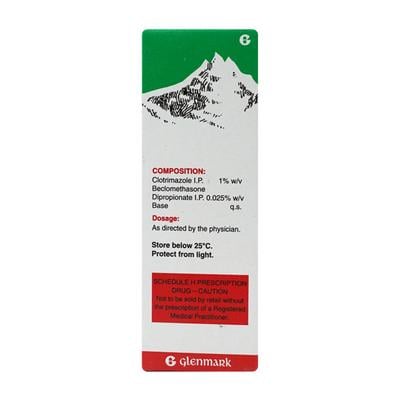
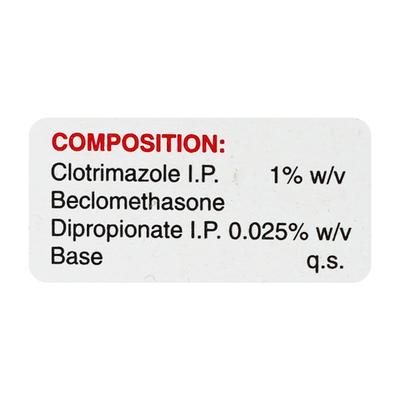
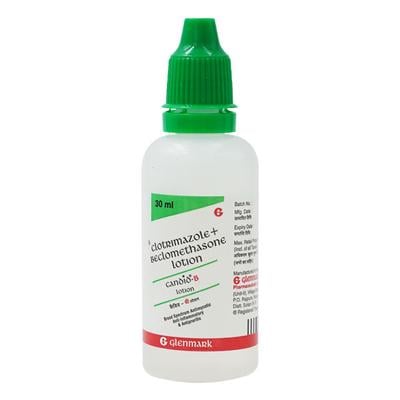
Candid B Lotion contains beclomethasone and clotrimazole. It is prescribed for the management of fungal skin infections associated with inflammation, redness, and itching. Clotrimazole is an antifungal agent that helps control fungal growth, while beclomethasone is a corticosteroid that helps reduce inflammation, redness, and itching. This combination may help relieve discomfort associated with certain inflamed fungal skin conditions. Use Candid B Lotion only for the condition and duration prescribed by your doctor.
Take Candid B Lotion exactly as prescribed by your doctor. Apply a thin layer to the clean, dry, affected skin as directed. This lotion is for external use only. Wash your hands before and after application, unless your hands are the affected area. Avoid contact with the eyes, mouth, and other sensitive areas. Do not cover the treated area with tight bandages or airtight dressings unless advised by your doctor. Do not change the application frequency or continue using the lotion beyond the prescribed duration without medical advice.
Do not use Candid B Lotion if you are allergic to beclomethasone, clotrimazole, or any of its ingredients. Before starting the lotion, inform your doctor if you have other skin infections, viral skin conditions such as herpes or chickenpox, diabetes, psoriasis, or any other ongoing skin problems. Tell your doctor about all other creams, ointments, or lotions you are applying, particularly other corticosteroid-containing products, as combining them may increase the risk of local side effects. Avoid applying it to the face, large areas of skin, or broken skin unless specifically advised by your doctor.
Common side effects of Candid B Lotion may include skin dryness, burning, tingling, irritation, or itching at the application site. Seek medical advice if these symptoms become severe, persistent, or worsen. Stop using the lotion and seek medical attention if you develop signs of a serious allergic reaction, such as severe rash, swelling, or difficulty breathing. Contact your doctor if the infection spreads, worsens, or does not improve with the prescribed use.
Uses Of CANDID B LOTION
- Used to manage fungal skin infections
Benefits of CANDID B LOTION
Candid B Lotion for Inflamed Fungal Skin Infections
Candid B Lotion contains clotrimazole and beclomethasone. It is prescribed for the management of certain fungal skin infections associated with inflammation, redness, and itching. Clotrimazole helps control fungal growth, while beclomethasone helps reduce inflammation and associated skin discomfort.
Candid B Lotion for Skin Redness and Itching
Candid B Lotion may be prescribed to help manage redness, itching, and inflammation associated with certain fungal skin infections. Its antifungal component helps control fungal growth, while the corticosteroid component helps relieve inflammatory symptoms. Use it only as directed by your doctor and for the prescribed duration.
How CANDID B LOTION Works
How Candid B Lotion works
Clotrimazole: It is an antifungal agent that interferes with the production of ergosterol, an essential component of the fungal cell membrane. This weakens the membrane, disrupts fungal cell function, and helps control fungal growth.
Beclomethasone: It is a corticosteroid that reduces the production of inflammatory substances in the skin. This helps relieve redness, swelling, itching, and irritation associated with inflammation.
How to use CANDID B LOTION
How to use Candid B Lotion
- Clean and gently dry the affected skin area before applying the lotion.
- Apply a thin layer of Candid B Lotion to the affected area, following your doctor's instructions.
- Gently spread the lotion over the skin without rubbing excessively.
- Wash your hands before and after application, unless the hands are the affected area.
- Avoid contact with the eyes, mouth, and other sensitive areas. If accidental contact occurs, rinse thoroughly with water.
- Do not cover the treated area with tight bandages or airtight dressings unless advised by your doctor.
- Use the lotion at the recommended frequency and for the prescribed duration.
- Do not apply more lotion or use it more frequently than prescribed, as this may increase the risk of side effects.
- Continue to follow your doctor's instructions and seek medical advice if your skin condition worsens or does not improve.
What if I forgot to take CANDID B LOTION
- If you miss an application apply Candid B Lotion as soon as you remember.
- If it is nearly time for your next application, skip the missed application and continue with your regular schedule.
- Do not apply extra lotion to make up for a missed application.
- If you frequently forget applications, consider setting a reminder to help maintain your prescribed schedule.
Overdose
If you accidentally apply more Candid B Lotion than prescribed, gently remove any excess lotion and follow your doctor’s advice. Applying too much or using it more frequently than recommended may increase the risk of skin irritation and other corticosteroid-related side effects. If a large amount is applied, especially over a large area or under a dressing, seek medical advice.
Side Effects Of CANDID B LOTION
Common side effects of Candid B Lotion
- application site reactions (burning irritation)
- eczema
- pyrexia
- anaphylaxis
- rash
- urticaria
- bronchospasm
- epistaxis
- nasal discomfort
When to Seek Medical Attention?
Stop using Candid B Lotion and seek urgent medical advice if you experience
- severe allergic reactions
How To Manage Side Effects

Skin Sensitivity
- Rinse gently: If the irritation is due to contact with an irritant, gently rinse the area with clean, lukewarm water.
- Apply a cool compress: Place a clean, cool, damp cloth over the affected area for 10–15 minutes to help soothe discomfort.
- Keep the area moisturised: For skin irritation, use a gentle, fragrance-free moisturiser if the skin is dry.
- Avoid irritants: Stop exposure to products that may worsen burning, such as perfumes, harsh soaps, cosmetics, or other irritating substances.
- Do not scratch or rub: Rubbing the area may increase irritation and delay recovery.
- Avoid unverified home remedies: Do not apply lemon juice, toothpaste, baking soda, essential oils, or other harsh substances to irritated skin.
Warning & Precautions

Pregnancy
Consult your doctorCandid B Lotion should be used during pregnancy only after consulting your doctor. Inform your doctor if you are pregnant, planning to become pregnant, or think you may be pregnant before using this lotion.

Breastfeeding
Consult your doctorIf you are breastfeeding, consult your doctor before using Candid B Lotion. Your doctor will advise whether it is appropriate for you based on your individual circumstances.

Driving and Using Machines
Use with CautionCandid B Lotion is not expected to affect your ability to drive or operate machinery. However, consult your doctor if you experience any discomfort or skin irritation while using the lotion.

Liver
Consult your doctorIf you have liver disease inform your doctor before using Candid B Lotion. Your doctor will advise whether this lotion is suitable for you.

Allergy
ContraindicatedDo not use Candid B Lotion if you are allergic to beclomethasone clotrimazole or any of the other ingredients in the lotion. Seek medical advice if you develop signs of an allergic reaction after application.

Use In Pediatrics
Consult your doctorCandid B Lotion is not recommended for use in children below 2 years of age. Consult your doctor before using this lotion in children to determine whether it is appropriate and how it should be applied.

Use In Geriatrics
Use with CautionCandid B Lotion should be used with caution in elderly patients aged 65 years and above. Consult your doctor before using the lotion to determine the appropriate duration and application instructions.
Other Warnings for CANDID B LOTION
Before applying Candid B Lotion inform your doctor if you have
- diabetes
- psoriasis (itchy skin)
Who should not take CANDID B LOTION
Candid B Lotion is not recommended for use if you have
- have skin problems
- itching around your back passage or private parts
- viral infections
- skin blisters or sores that are caused by an infection
- varicose ulcers caused by swollen veins
- stasis ulcers caused by reduced blood or body fluid flow
Safety Advice
- Use Candid B Lotion only on the affected skin and for the duration prescribed by your doctor.
- For external use only. Do not swallow or apply the lotion inside the eyes, mouth, or other sensitive areas.
- Wash your hands before and after applying the lotion, unless your hands are the affected area.
- Avoid applying the lotion to broken, damaged, or irritated skin unless specifically advised by your doctor.
- Do not cover the treated area with tight bandages or dressings unless recommended by your doctor.
- Avoid using other corticosteroid or antifungal creams on the same area unless advised by a healthcare professional.
- Do not use more lotion or apply it more frequently than prescribed, as excessive use may increase the risk of skin-related side effects.
- Inform your doctor if the skin condition worsens, spreads, or does not improve during the prescribed course.
- Stop using the lotion and seek medical advice if you develop severe irritation, swelling, rash, or other signs of an allergic reaction.
Diet and Lifestyle Advice
- Keep the affected area dry: Moisture can encourage fungal growth, so keep skin folds and affected areas clean and dry.
- Wear loose, breathable clothing: Choose clean cotton clothes to reduce sweating and skin friction.
- Change damp clothes promptly: Change underwear, socks, or other clothing after sweating or exercise.
- Maintain good hygiene: Bathe regularly and gently clean the affected area without using harsh soaps or scrubbing.
- Avoid sharing personal items: Do not share towels, clothing, bedding, or other personal items with others.
- Wash clothing and towels regularly: Keep clothes, towels, and bedding clean and dry.
- Avoid scratching: Scratching may irritate the skin further and can contribute to the spread of infection to nearby areas.
- Follow a balanced diet: Eat a varied diet with vegetables, fruits, whole grains, and adequate protein to support overall health.
- Limit unnecessary skin products: Avoid fragranced creams, deodorants, or other products that may irritate the affected skin.
- Follow the prescribed application schedule: Do not stop or extend treatment on your own, even if symptoms improve.
1. Candid B Lotion Vs Clotrimazole Cream
|
Feature |
Candid B Lotion |
Clotrimazole Cream |
|
Composition |
Beclomethasone + clotrimazole |
Clotrimazole alone |
|
Main purpose |
Management of certain fungal skin infections associated with inflammation, redness, and itching |
Management of susceptible fungal skin infections |
|
Antifungal action |
Clotrimazole helps control fungal growth |
Clotrimazole helps control fungal growth |
|
Anti-inflammatory action |
Contains beclomethasone to help reduce inflammation, redness, and itching |
Does not contain a corticosteroid |
|
Common considerations |
May cause local irritation and, with prolonged or inappropriate use, corticosteroid-related skin effects |
May cause local burning, irritation, itching, or redness |
|
Use considerations |
Should be used only when both antifungal and anti-inflammatory effects are considered appropriate by a doctor |
May be used when antifungal therapy alone is appropriate |
Drug - Drug interaction
1. Other topical corticosteroids
- Interaction: Using Candid B Lotion with other corticosteroid-containing creams or lotions on the same area may increase the risk of skin thinning, irritation, and other local corticosteroid-related effects.
- Management: Inform your doctor about any other steroid-containing skin products you are using. Avoid combining them unless specifically advised.
2. Other topical antifungal medicines
- Interaction: Using multiple antifungal preparations on the same skin area may increase the risk of local irritation.
- Management: Tell your doctor or pharmacist about any other antifungal creams, lotions, or ointments you are applying.
3. Skin-lightening or medicated creams
- Interaction: Applying products containing active ingredients such as retinoids, exfoliating agents, or other medicated preparations along with Candid B Lotion may increase skin irritation.
- Management: Consult your doctor before combining Candid B Lotion with other medicated or cosmetic products on the affected area.
4. Immunosuppressive medicines
- Interaction: Although Candid B Lotion is applied to the skin, prolonged use, application over large areas, or use under occlusive dressings may increase absorption of beclomethasone and potentially increase corticosteroid-related effects.
- Management: Inform your doctor about medicines that affect the immune system, particularly if prolonged or extensive topical use is required.
5. Other medicines applied to the same skin area
- Interaction: Applying several topical medicines together may alter absorption or increase skin irritation.
- Management: Tell your doctor or pharmacist about all creams, lotions, ointments, or other topical products you use. Follow the recommended application schedule and spacing if advised.
Synopsis
|
Drug |
Beclomethasone, Clotrimazole |
|
Product Category |
Corticosteroids, Aminoglycoside antibiotics |
|
Therapeutic Indication |
Manages skin infections |
|
Dosage Forms |
Cream, Lotion |
More Information
Storage
- Store Candid B Lotion at room temperature, away from excessive heat and moisture.
- Keep it out of the reach and sight of children and pets.
FAQs About CANDID B LOTION
Q: What is Candid B Lotion used for?
A: Candid B Lotion contains clotrimazole and beclomethasone. It is used to manage certain fungal skin infections associated with inflammation, redness, and itching. It may help control fungal growth and relieve associated skin discomfort.
Q: How does Candid B Lotion work?
A: Clotrimazole helps control fungal growth by affecting the fungal cell membrane. Beclomethasone helps reduce inflammation, redness, and itching. Together, they help manage fungal skin conditions with associated inflammation.
Q: What are the common side effects of Candid B Lotion?
A: Common side effects may include skin irritation burning itching dryness or redness at the application site. Consult your doctor if these symptoms are severe persistent or worsen.
Q: Can Candid B Lotion cause skin irritation?
A: Yes, some people may experience mild burning stinging itching dryness or irritation after application. If the irritation is severe or continues stop using the lotion and consult your doctor.
Q: Can Candid B Lotion be used on the face?
A: Do not apply Candid B Lotion to the face unless specifically advised by your doctor. Corticosteroid-containing products may cause skin-related side effects when used on sensitive areas or for prolonged periods.
Q: Can Candid B Lotion be used during pregnancy?
A: Consult your doctor before using Candid B Lotion during pregnancy or if you are planning to become pregnant. Use the lotion only when specifically advised by your doctor.
Q: Can Candid B Lotion be used while breastfeeding?
A: Consult your doctor before using Candid B Lotion while breastfeeding. If prescribed avoid applying the lotion to the breast or nipple area unless specifically advised by your doctor.
Q: What should I do if I miss an application of Candid B Lotion?
A: Apply the lotion when you remember. If it is nearly time for your next application skip the missed application and continue with your regular schedule. Do not apply extra lotion to make up for a missed application.
Q: What happens if I accidentally apply too much Candid B Lotion?
A: If you accidentally apply more lotion than prescribed remove any excess gently and follow your doctor advice. Excessive or prolonged use may increase the risk of skin irritation and corticosteroid-related side effects.
Q: How should Candid B Lotion be stored?
A: Store Candid B Lotion at room temperature away from excessive heat moisture and direct sunlight. Keep the bottle tightly closed and out of the reach and sight of children. Do not use the lotion after its expiry date.
References
1. KD. Tripathi. Aminoglycoside Antibiotics, Antifungal Drugs & Drugs Acting on Skin and Mucous Membranes. Essentials of medical pharmacology. Seventh edition. 2013. Page – 747, 792, & 895.
2. Patrick T. McKeny; Trevor A. Nessel; Patrick M. Zito. Antifungal Antibiotics. NIH National Library of Medicine. National Centre for Biotechnology Information. StatPearls [Internet]. [Revised in 6th July 2025] [Accessed on 22nd September 2026] 
3. Purna Pharmaceuticals NV. Electronic medicines compendium (EMC). [Revised in July 2025] [Accessed on 22nd September 2026] 
4. Wellona pharma. [Accessed on 22nd September 2026]
5. Franco Indian pharmaceuticals. [Accessed on 22nd September 2026]
Author Details