



Netmeds First Membership
Introduction About BRONSTEDO TABLET
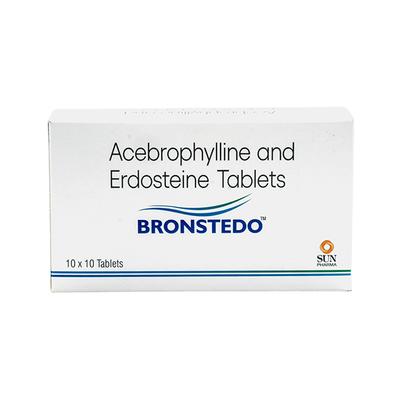
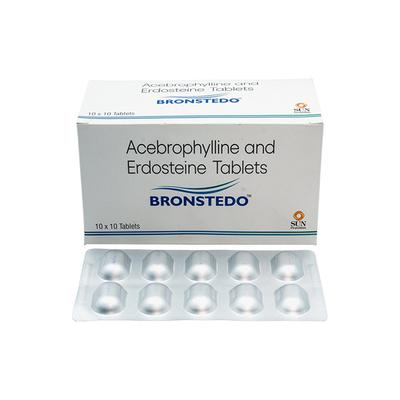
Bronstedo tablet is used for the management Chronic Bronchitis Associated with chronic obstructive pulmonary disease (COPD). The tablet provides multi-mechanistic benefits including bronchodilation, mucolysis, and anti-inflammatory effects,leading to comprehensive symptom control.Also provides relief in symptoms such as dyspnea,cough, and chest tightness.
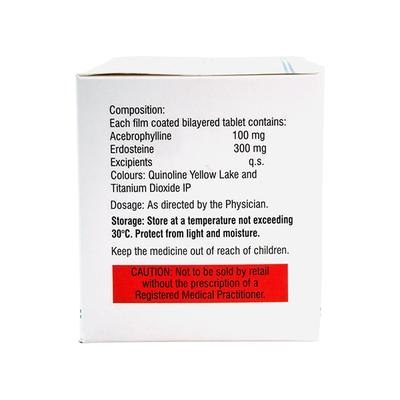
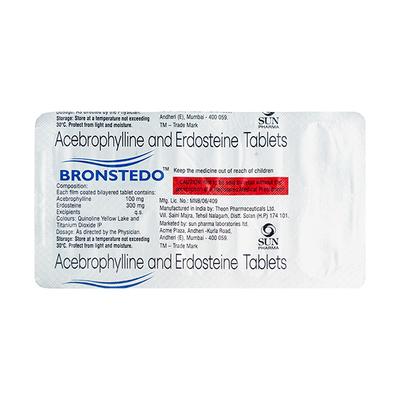
The active ingredient of Bronstedo tablet is Acebrophylline 100mg and Erdosteine 300mg
Take Bronstedo Tablet exactly as prescribed by your healthcare professional. Swallow the tablet whole with a glass of water without crushing, chewing, or breaking it. It may be taken with or without food, preferably at the same time each day to maintain consistent medicine levels.
Do not skip doses or discontinue the medicine without medical advice, even if symptoms improve. Staying well hydrated may help support mucus clearance. Continue using any prescribed inhalers unless your healthcare professional advises otherwise.
Before starting Bronstedo Tablet, inform your healthcare professional if you have a history of heart rhythm disorders, heart disease, liver or kidney impairment, or allergies to its ingredients. The medicine is generally not recommended during pregnancy, and breastfeeding women should use it only after medical consultation because safety data are limited. It is not recommended in children below 18 years of age.
Commonly reported side effects include stomach pain, nausea, vomiting, diarrhoea, headache, altered taste, skin rash, swelling, and allergic reactions. If any side effects are severe, persistent, or if symptoms of an allergic reaction occur, seek medical attention promptly.
Uses Of BRONSTEDO TABLET
Manages
- Chronic Bronchitis Associated with chronic obstructive pulmonary disease(COPD).
- Bronchodilation, mucolysis,
- Symptoms such as dyspnea,cough, and chest tightness
Benefits of BRONSTEDO TABLET
- Helps loosen and thin thick mucus in the airways, making it easier to cough out.
- Supports easier breathing by helping keep the airways open.
- Helps reduce chest congestion associated with chronic respiratory conditions.
- Supports better airflow to and from the lungs.
- Helps relieve persistent cough with mucus.
- Assists in reducing wheezing and breathing discomfort.
- Supports long-term management of chronic bronchitis associated with COPD.
- Combines a bronchodilator and a mucolytic in one tablet for comprehensive respiratory support.
- May improve day-to-day respiratory comfort and physical activity with regular use.
- Helps maintain lung function when taken as prescribed.
How BRONSTEDO TABLET Works
- Acebrophylline act as Bronchodilator , mucoregulatir and ant-inflammatory drug due to its components Ambroxol and Theophylline-7-acetate.
- Erdosteine exert mucolytic effects reducing sputum viscocity, it is a prodrug with a thiol group that undergoes hepatic metabolism to produce active metabolites containing free -SH groups.
- Erdosteine acts as an antioxidant by reducing free radicals and has anti-inflammatory / antibacterial properties, commonly used for COPD.
How to use BRONSTEDO TABLET
- Swallow the tablet whole with a glass of water.
- Do not crush, chew, or break the tablet.
- It may be taken with or without food.
- Take it at the same time every day to maintain consistent medicine levels in the body.
- Follow the prescribed dose and duration exactly as advised by your healthcare professional.
During Treatment
- Continue taking the medicine regularly even if you start feeling better unless your healthcare professional advises otherwise.
- Do not stop the medicine suddenly without medical advice.
- Drink plenty of fluids, unless otherwise advised, to support mucus clearance.
- If you are using inhalers or other respiratory medicines, continue them as prescribed.
- Avoid smoking and exposure to dust, pollution, and other respiratory irritants, as these may reduce the benefits of tablet.
What if I forgot to take BRONSTEDO TABLET
- Take the missed dose as soon as you remember.
- If it is almost time for your next scheduled dose, skip the missed dose.
- Do not take two doses together to make up for a missed dose.
Overdose
- Seek immediate medical attention if an overdose is suspected.
- Symptoms of overdose include Pancreatitis if abdominal pain persists, Restlessness, Hypertonia, Nausea, vomiting
- Carry the medicine strip or packaging with you when seeking medical care.
Side Effects Of BRONSTEDO TABLET
- Epigastic pain
- Dysgeusia (taste alteration)
- Gastrointestinal disorders (diarrhea, nausea, vomiting)
- Angioedema
- Skin hypersensitivity reactions (e.g. urticaria, eczema, erythema)
- Headache.
Warning & Precautions

Pregnancy
ContraindicatedBronstedo is not recommended for use during pregnancy or if you are planning to have a baby.

Breastfeeding
Consult your doctorIt is not known whether the active ingredients of Bronstedo Tablet pass into breast milk in significant amounts. Breastfeeding women should use this medicine only if recommended by a healthcare professional after assessing the potential benefits and risks.

Alcohol
Consult your doctorCareful monitoring is recommended for patients with chronic alcoholism.

Kidney
Use with CautionPatients with renal insufficiency should take it with caution

Liver
Use with CautionPatients with hepatic insufficiency should take it with caution. Careful monitoring is recommended for patients with hepatic dysfunction or viral infections.

Allergy
ContraindicatedBronstedo is not recommended to use if you are allergic to any ingredients of this medicine.

Heart Disease
Consult your doctorDo not take Bronstedo if you have heart rhythm disorder that causes fast heartbeats. Avoid taking Bronstedo if you have low blood pressure,irregular heartbeats,hemodynamis instability (unstable blood pressure), had a heart attack. Careful monitoring is recommended for patients with congestive heart failure.

Use In Pediatrics
ContraindicatedBronstedo Tablet is generally not recommended for children below 18 years of age, as the safety and efficacy of this combination have not been well established in the pediatric population. Use in children should only be considered if specifically advised by a healthcare professional.

Use In Geriatrics
Consult your doctorBronstedo Tablet may be used in elderly patients when prescribed by a healthcare professional. Older adults may have age-related heart, liver, or kidney impairment, which may require closer monitoring during therapy. Inform your healthcare professional about all existing medical conditions and medicines before starting management.
Diet and Lifestyle Advice
Lifestyle Measures That Can Enhance Respiratory Well-Being
Medication works best when combined with healthy daily habits. Lifestyle modifications can help support lung function and overall respiratory health alongside prescribed therapy.
Helpful Lifestyle Tips
- Avoid smoking and exposure to second-hand smoke.
- Minimize exposure to dust, air pollution, and strong chemical fumes.
- Stay physically active according to your healthcare professional's advice.
- Practice breathing exercises or pulmonary rehabilitation if recommended.
- Eat a balanced diet and maintain adequate fluid intake to support mucus clearance.
Why These Habits Matter
Healthy lifestyle choices can help support respiratory function, improve daily comfort, and contribute to better long-term management of chronic lung conditions.
Drug - Drug interaction
1. Antibiotics (Fluoroquinolones)
Certain antibiotics may increase the blood levels of acebrophylline, increasing the likelihood of side effects.
Examples:
- Ciprofloxacin
- Levofloxacin
Possible Effect:
- Increased risk of nausea, headache, tremors, palpitations, or nervousness.
2. H2-Receptor Antagonists
Some medicines used for stomach acidity may slow the breakdown of acebrophylline.
Examples:
- Cimetidine
Possible Effect:
- Increased blood concentration of acebrophylline and a higher risk of adverse effects.
3. Antiepileptic Medicines
Certain medicines used to control seizures may reduce the effectiveness of acebrophylline.
Examples:
- Phenytoin
- Phenobarbital
- Carbamazepine
Possible Effect:
- Reduced bronchodilator effect due to lower medicine levels.
4. Diuretics (Water Tablets)
Using Bronstedo Tablet together with diuretics may increase the risk of dehydration and low potassium levels.
Examples:
- Furosemide
- Hydrochlorothiazide
- Bumetanide
Possible Effect:
- Increased urination, electrolyte imbalance, muscle weakness, and a higher likelihood of heart rhythm disturbances.
5. Corticosteroids
Concomitant use may increase the possibility of low potassium levels.
Examples:
- Prednisolone
- Dexamethasone
- Hydrocortisone
Possible Effect:
- Increased risk of hypokalemia, muscle cramps, and cardiac rhythm abnormalities.
6. Other Xanthine Derivatives
Taking multiple xanthine-containing medicines together may increase the risk of toxicity.
Examples:
- Theophylline
- Aminophylline
- Doxofylline
Possible Effect:
- Increased risk of nausea, vomiting, insomnia, tremors, palpitations, and nervousness.
7. Beta-Agonist Bronchodilators
Concurrent use may enhance stimulant effects on the cardiovascular system.
Examples:
- Salbutamol (Albuterol)
- Formoterol
- Salmeterol
Possible Effect:
- Increased heart rate, palpitations, tremors, and low potassium levels.
8. Medicines That Affect Heart Rhythm
Use with caution in patients receiving medicines known to prolong the QT interval or alter heart rhythm.
Examples:
- Amiodarone
- Sotalol
- Quinidine
- Procainamide
Possible Effect:
- Increased risk of irregular heartbeat in susceptible individuals.
9. Immunosuppressants
Close monitoring may be required when used with certain immunosuppressive medicines.
Examples:
- Cyclosporine
- Tacrolimus
Possible Effect:
- Potential changes in medicine exposure and increased need for clinical monitoring.
10. Herbal Supplements and Stimulants
Products with stimulant properties may enhance central nervous system effects.
Examples:
- Caffeine-containing supplements
- Guarana
- Energy products containing caffeine
Possible Effect:
- Increased nervousness, restlessness, tremors, insomnia, and palpitations.
More Information
1. Dual-Action Formula for Comprehensive Respiratory Support
Bronstedo Tablet combines Acebrophylline and Erdosteine, two medicines that work through complementary mechanisms to support respiratory health. While Acebrophylline helps relax the airway muscles and supports smoother airflow, Erdosteine reduces the thickness of mucus, making it easier to clear from the lungs. This dual-action approach addresses both airway narrowing and mucus accumulation, which are common features of chronic respiratory conditions.
Why This Combination Is Unique
- Combines a bronchodilator and a mucolytic in a single tablet.
- Supports both airway function and mucus clearance.
- Helps improve breathing comfort during long-term respiratory management.
- Reduces the need for separate medicines with similar complementary actions.
2. Importance of Mucus Clearance in Lung Health
Healthy lungs naturally remove mucus through tiny hair-like structures called cilia. In chronic respiratory conditions, mucus may become thick and difficult to remove, reducing airflow and affecting breathing comfort. Erdosteine helps decrease mucus viscosity, while Acebrophylline supports mucociliary clearance, allowing mucus to move more efficiently through the airways.
Patient Education Points
- Better mucus clearance can support more comfortable breathing.
- Staying well hydrated may further help keep mucus less thick.
- Gentle physical activity and breathing exercises, when advised by a healthcare professional, may complement respiratory therapy.
- Consistent medicine use helps maintain its intended benefits.
FAQs About BRONSTEDO TABLET
Q: What is Bronstedo Tablet used for?
A: Bronstedo Tablet is a prescription medicine used for long-term management of chronic respiratory conditions associated with cough, mucus production, and breathing difficulty.
Q: How should Bronstedo Tablet be taken?
A: Swallow the tablet whole with a glass of water. Do not crush, chew, or break it, and take it exactly as prescribed by your healthcare professional.
Q: Can Bronstedo Tablet be taken with food?
A: Yes, Bronstedo Tablet may be taken with or without food. Taking it at the same time each day helps maintain consistent medicine levels.
Q: What should I do if I miss a dose?
A: Take the missed dose as soon as you remember. If it is almost time for your next scheduled dose, skip the missed dose and continue your regular schedule. Do not take two doses together.
Q: Can I stop taking Bronstedo Tablet when I feel better?
A: No. Continue taking the medicine for the duration prescribed by your healthcare professional unless you are advised otherwise.
Q: Is Bronstedo Tablet suitable for children?
A: Bronstedo Tablet is generally not recommended for children below 18 years of age unless specifically prescribed by a healthcare professional.
Q: Can elderly patients use Bronstedo Tablet?
A: Yes, elderly patients may use Bronstedo Tablet when prescribed by a healthcare professional. Additional monitoring may be recommended in some cases.
Q: Can Bronstedo Tablet be used during pregnancy or breastfeeding?
A: Use during pregnancy or breastfeeding should only be considered after medical consultation and when the healthcare professional determines it is appropriate.
Q: How should Bronstedo Tablet be stored?
A: Store the tablets in a cool, dry place below 30°C, away from direct sunlight and moisture, and keep them out of the reach of children.
Q: Why are regular follow-up appointments important while taking Bronstedo Tablet?
A: Follow-up appointments help your healthcare professional assess your response to therapy, review your respiratory condition, and make any necessary adjustments to your treatment plan.
References
1. KD. Tripathi. Drugs for Cough and Bronchial Asthma. Essentials of medical pharmacology. Seventh edition. 2013. Page – 224.
2. Sumit Roy Tapadar, Maumita Das, Arunabha Datta Chaudhuri, Santanu Basak, and Anil Baran Singha Mahapatra. The Effect of Acebrophylline vs Sustained Release Theophylline in Patients of COPD- A Comparative Study. NIH. National Library of Medicine. National Center for Biotechnology Information. PMC. PubMed Central. September 2014. [Accessed on 9th July 2026] 
3. Central Drugs Standard Control Organization. Acebrophylline capsules 100mg. May 2008. Acebrophylline SR Tablet 200 mg. November 2010. [Accessed on 9th July 2026] 
4. Galen Limited. Edmond Pharma S.r.l. Electronic medicines compendium (EMC). [Revised on June 2019] [Accessed on 9th July 2026]
5. Edmond Pharma S.r.l. [Revised on February 2021] [Accessed on 9th July 2026]
Author Details