






Netmeds First Membership
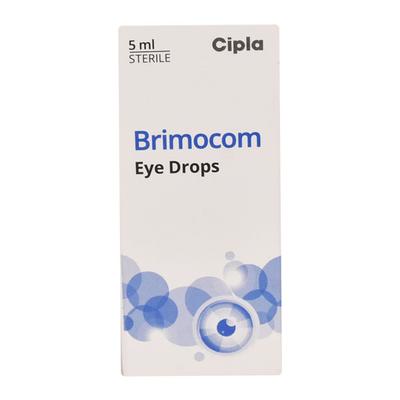
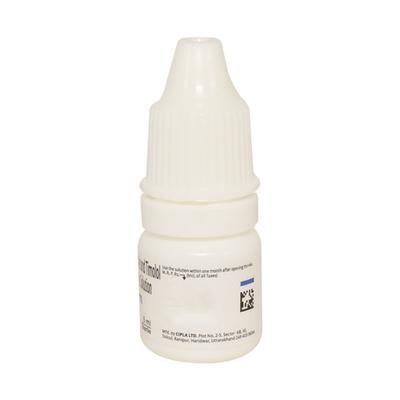
Introduction About BRIMOCOM EYE DROPS
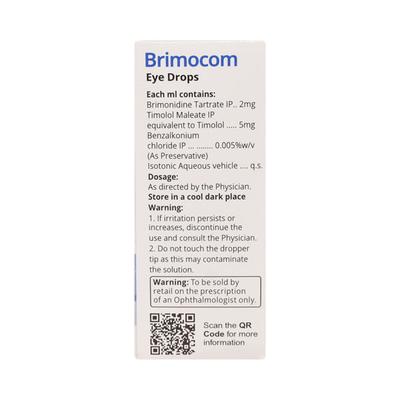
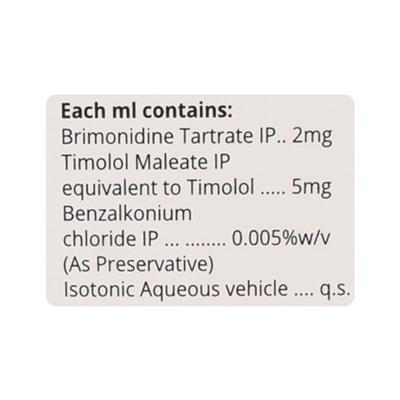
BRIMOCOM EYE DROPS is a combination of Brimonidine and Timolol which belongs to the group of medicines called an Alpha-adrenergic receptor agonist and Beta-adrenergic receptor inhibitors respectively. BRIMOVAC T DROPS is used to reduce the elevated intraocular pressure (pressure inside the eye) in patients with glaucoma or ocular hypertension who require adjunctive or replacement therapy due to inadequately managed intraocular pressure.
Glaucoma is a disease which damages the optic nerve (nerve in the back of eye) because of excessive pressure inside the eye and may gradually lead to blindness. Ocular hypertension is a condition when pressure inside the eye rises higher than normal. Such conditions are characterized by halos, pain and blurred vision.
BRIMOCOM EYE DROPS is not recommended for use in patients with reactive airway disease such as bronchial asthma, severe chronic obstructive bronchitis and other severe chronic obstructive pulmonary disease (group of lung diseases causing difficulty in breathing).
It is also not recommended for use in patients having heart diseases such as sinus bradycardia (a type of slow heartbeat), 2nd or 3rd degree heart block, heart failure or cardiogenic shock. BRIMOCOM EYE DROPS should be used with caution in patients with liver and kidney problems.
BRIMOCOM EYE DROPS should be used in pregnant women only if clearly advised by the doctor and it is not recommended for use in breastfeeding women and children or adolescents (aged below 17 years).
The common side effects associated with the use of are BRIMOCOM EYE DROPS are eye redness, eye burning, stinging or pain in eyes, small breaks on the eye surface, inflammation in the eyelids and itching in eyes. Consult your doctor if any of the side effects worsen.
Uses Of BRIMOCOM EYE DROPS
- Controls glaucoma or intraocular pressure
How BRIMOCOM EYE DROPS Works
BRIMOCOM EYE DROPS helps to lower eye pressure due to glaucoma and intraocular hypertension, where Brimonidine works by allowing better fluid drainage from the eye resulting in reduced pressure in the eye and Timolol works by decreasing the amount of fluid formed in the eye which results in reduced intraocular pressure in the eye thereby managing glaucoma and ocular hypertension.
How to use BRIMOCOM EYE DROPS
Use BRIMOCOM EYE DROPS as advised by your physician. It is for ophthalmic use only. Wash your hands before application, tilt your head back slightly and gently pull down the lower eyelid until there is a small pocket. Turn the bottle upside down and squeeze it to release one drop into each eye that needs management. Release the lower lid and close your eye. Keep the eye closed and press your finger against the corner of your eye for two minutes. If you miss a drop, try again.
Your doctor will decide the correct dose and duration of BRIMOCOM EYE DROPS for you depending upon your age and severity of the condition.
Overdose
If you or anyone else accidentally use too much of BRIMOVAC T DROPS, consult your doctor immediately or visit the nearby hospital. Overdosage symptoms of BRIMOCOM EYE DROPS are dizziness, headache, bradycardia (slowing of heartbeats), bronchospasm (tightening of airway muscles causing coughing and noisy breathing), cardiac arrest (sudden loss of heart function) or low blood pressure.
Side Effects Of BRIMOCOM EYE DROPS
Common side effects of BRIMOCOM EYE DROPS:
- eye redness or burning
- stinging or pain in the eye
- small breaks on the eye surface with or without inflammation
- swelling, redness or inflammation in the eyelids
- irritation in the eyes
- feeling of foreign body in the eye
- itching of the eye or/and eyelid
- follicles or white spots on the outer layer covering the surface of the eye
- disturbance in the vision
- eye discharge, tearing, dry or sticky eyes
- allergic conjunctivitis (eye inflammation due to allergy)
- conjunctival hyperaemia (dilation of blood vessels inside the eye)
- corneal erosion (eye disorder marked with temporary blindness)
- headache, general weakness
Stop using BRIMOCOM EYE DROPS and contact your doctor immediately if you experience any of the following side effects:
- serious allergic reaction with symptoms that include feeling dizzy or faint, rash, itchy skin and
- swelling of the face, lips, tongue or throat that may cause difficulty breathing or swallowing
- chest pain or irregular heart rate
- increased or decreased heart rate or low blood pressure
How To Manage Side Effects
Eye irritation Or Itching
Clean your eyelids twice a day. Keep a flannel or cotton wool cloth soaked in warm water on your closed eyes for 5 to 10 minutes. Then gently massage your eyelids for few seconds. Do not use eye make up until the problem is resolved.
Eye pain Or Sensitivity
Rest your eyes by closing or sleeping. Avoid bright lights, reading, watching the television, and working on the computer. Keep eyes closed and gently massage your eyes for few seconds to relieve the muscles.
Headache
Take enough rest and have proper sleep. Do not strain your eyes for long durations such as watching screen. Avoid taking alcohol. Consult your doctor if the symptom persists for long or gets worsened.
Warning & Precautions

Pregnancy
Consult your doctor[GNBKEYWORD] is not recommended for use in pregnant women unless considered clearly necessary. Consult your doctor before using BRIMOCOM EYE DROPS.

Breastfeeding
ContraindicatedBRIMOCOM EYE DROPS is not recommended for use in breastfeeding mothers since it may pass into the milk. Consult your doctor before using BRIMOCOM EYE DROPS.

Driving and Using Machines
Use with CautionDo not drive or operate machines while using BRIMOCOM EYE DROPS as it may cause drowsiness, tiredness or blurred vision. Consult your doctor before using BRIMOCOM EYE DROPS.

Alcohol
ContraindicatedAvoid or limit consumption of alcohol while using BRIMOCOM EYE DROPS.

Kidney
Use with CautionBRIMOCOM EYE DROPS should be used with caution in patients with kidney problems. Consult your doctor for advice before using BRIMOCOM EYE DROPS.

Liver
Use with CautionBRIMOCOM EYE DROPS should be used with caution in patient with liver problems. Consult your doctor before using it.

Allergy
ContraindicatedBRIMOCOM EYE DROPS is not recommended for use if you are allergic to brimonidine, timolol or any other ingredients of this medicine.

Lungs
ContraindicatedBRIMOCOM EYE DROPS is not recommended for use if you have/had respiratory problems such as bronchial asthma, severe chronic obstructive bronchitis (severe lung disease causing noisy breathing, difficulty in breathing or long- standing cough) and other severe chronic obstructive pulmonary disease (group of lung diseases causing difficulty in breathing). Consult your doctor before using BRIMOCOM EYE DROPS.

Heart Disease
Consult your doctorBRIMOCOM EYE DROPS is not recommended for use in patients with sinus bradycardia (a type of slow heartbeat), 2nd or 3rd degree heart block (delay in electrical conduction that triggers heart pumping), cardiac failure, cardiogenic shock (condition arising when heart is unable to pump enough blood to heart or brain) or heartbeat disorders. It should be used with caution in patients with heart disease such as coronary heart disease (causing chest pain or tightness, breathlessness or choking). Consult your before using BRIMOCOM EYE DROPS.

Use In Pediatrics
ContraindicatedBRIMOCOM EYE DROPS is not recommended for use in children and adolescents (aged below 17 years). Consult your child’s doctor for advice.

Use In Geriatrics
Use with CautionBRIMOCOM EYE DROPS should be used with caution in elderly patients (aged 65 years and above). Consult your doctor before using BRIMOCOM EYE DROPS.
Other Warnings for BRIMOCOM EYE DROPS
Before using BRIMOCOM EYE DROPS, inform your doctor if you:
- have low blood pressure
- have breathing problems
- have poor blood circulation disease such as Raynaud’s disease or syndrome (condition marked by constriction of small blood vessels supplying blood to skin in response to cold)
- have diabetes
- have hyperthyroidism (raised levels of thyroid hormones)
- have tumour of adrenal glands
- are scheduled for eye surgery to lower pressure in eye
- are scheduled for any major surgery under general anaesthesia
- have signs of cerebral insufficiency (low blood flow to brain) such as stroke
- have depression
- have orthostatic hypotension (lowering of blood pressure on changing the posture)
- have thromboangitis obliterans (condition occurring due to inflammation of small blood vessels leading to blockage of blood vessels due to clot formation)
- have myasthenia gravis (condition causing weakness and fatigue of muscles)
- history of atopy (condition that makes you more vulnerable to allergies) and anaphylaxis (an allergic reaction causing shortness of breath, noisy breathing or collapse)
Drug - Drug interaction
Before using BRIMOCOM EYE DROPS, inform your doctor if you are taking any of the following medicines:
- antihypertensives (medicines used to lower blood pressure) such as calcium antagonists (Ex. amlodipine, diltiazem), catecholamine-depleting drugs (Ex. reserpine)
- quinidine and cardiac glycosides (medicines used to manage heart failure or arrythmia) Ex. digitalis
- beta-blockers (medicines used to manage heart diseases) Ex. atenolol
- CNS depressants (medicines used to lower the brain activity and manage sleeplessness, anxiety or seizures) such as sedatives (Ex. amobarbital, morphine) and anaesthetics (Ex. propofol)
- phenelzine, tricyclic antidepressants such as amitriptyline and selective serotonin reuptake inhibitor Ex. fluoxetine, paroxetine (used to manage depression)
- medicines used to manage pain Ex. aspirin
- medicines used to manage diabetes Ex. metformin
- another eye drop used to lower high pressure in the eye (glaucoma) Ex. latanoprost
- medicines to manage severe allergic reactions Ex. chlorpheniramine, cetirizine
- medicines that affect the muscles in your blood vessels Ex. tadalafil
- medicines that affect some of the hormones in your body Ex. adrenaline and dopamine
- medicines used to manage heartburn or stomach ulcers Ex. omeprazole, pantoprazole
Synopsis
|
Drug |
Brimonidine, Timolol |
|
Pharmacological Category |
Alpha-adrenergic receptor agonist, Beta-adrenergic receptor inhibitors |
|
Therapeutic Indication |
Glaucoma, Ocular hypertension |
|
Dosage Forms |
Eye drops |
More Information
- Keep BRIMOCOM EYE DROPS out of reach of children
- Store BRIMOCOM EYE DROPS at room temperature
FAQs About BRIMOCOM EYE DROPS
Q: What is BRIMOCOM EYE DROPS used for?
A: BRIMOCOM EYE DROPS is used to reduce the elevated intraocular pressure in patients with glaucoma. It is also used to reduce elevated intraocular pressure in patients with ocular hypertension who may require it as an adjunctive or replacement therapy due to uncontrolled intraocular pressure.
Q: What happens if you use more BRIMOCOM EYE DROPS than your required dose?
A: If you or anyone else accidentally use too much of BRIMOCOM EYE DROPS, consult your doctor immediately or visit the nearby hospital. Overdosage symptoms of BRIMOCOM EYE DROPS are dizziness, headache, bradycardia (slowing of heartbeats), bronchospasm (tightening of airway muscles causing coughing and noisy breathing), cardiac arrest (sudden loss of heart function) or low blood pressure.
Q: Who should avoid using BRIMOCOM EYE DROPS?
A: BRIMOCOM EYE DROPS is not recommended for use if you are allergic to brimonidine and timolol and/or have reactive airway disease such as bronchial asthma, severe chronic obstructive pulmonary disease (group of lung diseases causing difficulty in breathing), sinus bradycardia (a type of slow heartbeat), 2nd or 3rd degree heart block, cardiac failure or cardiogenic shock. It is also not recommended for breast-feeding women including children and adolescents (aged below 17 years). Consult your doctor before using BRIMOCOM EYE DROPS.
Q: Is BRIMOCOM EYE DROPS safe to use in children?
A: BRIMOCOM EYE DROPS is not recommended for use in children and adolescents (aged below 17 years). If BRIMOCOM EYE DROPS is accidentally ingested by a child or adolescent, go to the hospital immediately and consult the doctor for further management.
Q: Does BRIMOCOM EYE DROPS cause damage to lungs?
A: BRIMOCOM EYE DROPS may cause damage to your lungs if you are having reactive airway disease including bronchial asthma, a history of bronchial asthma or severe chronic obstructive pulmonary disease (group of lung diseases causing difficulty in breathing). Consult your doctor before using BRIMOCOM EYE DROPS.
Q: How does BRIMOCOM EYE DROPS work?
A: BRIMOCOM EYE DROPS helps to lower eye pressure due to glaucoma and intraocular hypertension, where Brimonidine works by allowing better fluid drainage from the eye resulting in reduced pressure in the eye and Timolol works by decreasing the amount of fluid formed in the eye which results in reduced intraocular pressure in the eye thereby managing glaucoma and ocular hypertension.
Q: Can BRIMOCOM EYE DROPS lower the blood pressure?
A: Yes, BRIMOCOM EYE DROPS may lower your blood pressure. Before using BRIMOCOM EYE DROPS inform your doctor if you are suffering from orthostatic hypotension (lowering of blood pressure on changing the posture) or taking blood pressure lowering medicines such as calcium antagonists such as amlodipine or catecholamine-depleting drugs such as reserpine.
References
1. KD. Tripathi. Antiadrenergic Drugs (Adrenergic Receptor Antagonists) and Drugs for Glaucoma. Seventh edition. 2013. Page – 153, 154.
2. Anne J Lee, Peter McCluskey. Fixed combination of topical brimonidine 0.2% and timolol 0.5% for glaucoma and uncontrolled intraocular pressure. NIH National Library of Medicine. National Centre for Biotechnology Information. PMC PubMed Central. September 2008. [Accessed on 20th June 2026] 
3. HBM Pharma s.r.o. Electronic Medicines Compendium (EMC). [Revised in December 2020] [Accessed on 20th June 2026] 
4. Allergan, Inc. U.S. Food & Drug Administration (FDA) [Revised in October 2015] [Accessed on 20th June 2026]
5. Allergan, Inc. U.S. Food & Drug Administration (FDA). [Revised in May 2010] [Accessed on 20th June 2026]
6. Valeant Pharmaceuticals North America LLC. U.S. Food & Drug Administration (FDA). [Revised in April 2016] [Accessed on 20th June 2026]