





BILACAD Oral Solution 60ml

Netmeds First Membership
Quick Links
Introduction About BILACAD ORAL SOLUTION
BILACAD ORAL SOLUTION is used in children (from 6 to 11 years of age with a body weight of at least 20 kg) to relieve the symptoms of hay fever (such as sneezing, itching, a runny and stuffy nose, and red or watery eyes) and other forms of allergic rhinitis. It is also used to manage itchy skin rashes (hives, or urticaria).
BILACAD ORAL SOLUTION contains Bilastine, which belongs to the group of medicines called Antihistamines. It works by stopping the binding of histamine (a chemical that is produced by the immune system) to its receptor in the body, and in severe cases, it manages the initiation of an allergic reaction.
BILACAD ORAL SOLUTION should be used with caution in children with moderate or severe kidney or liver impairment. Avoid giving BILACAD ORAL SOLUTION to your child with food or with grapefruit juice or other fruit juices, as this will decrease the effect of this medicine.
It is not recommended for use in pregnant and breast-feeding women since this dosage form is specifically used in children. BILACAD ORAL SOLUTION is not recommended for use in children (under 6 years of age with a body weight below 20 kg). The most common side effects of taking BILACAD ORAL SOLUTION are headaches, nasal irritation, eye irritation, and stomach pain. Consult your child’s doctor if any of the side effects worsen.
Uses Of BILACAD ORAL SOLUTION
It is used in children (from 6 to 11 years of age with a body weight of at least 20 kg) to:
- Relieve the symptoms of hay fever (such as sneezing, itching, a runny and stuffy nose, and red or watery eyes) and other forms of allergic rhinitis
- Manage itchy skin rashes (hives or urticaria)
How BILACAD ORAL SOLUTION Works
BILACAD ORAL SOLUTION works by stopping the binding of histamine (a chemical that is produced by the immune system) to its receptor in the body, and in severe cases, it manages the initiation of an allergic reaction.
How to use BILACAD ORAL SOLUTION
Give BILACAD ORAL SOLUTION to your child as advised by the physician. Shake well before use. Use a measuring cup to properly measure the dose. You should give this medicine to your child one hour before or two hours after they have taken any food or fruit juices. Your child’s doctor will decide the correct dose and duration of BILACAD ORAL SOLUTION for your child depending upon their age, body weight, and disease condition.
Side Effects Of BILACAD ORAL SOLUTION
Common
- Headache
- Rhinitis (nasal irritation)
- Allergic conjunctivitis (eye irritation)
- Stomach pain (abdominal or upper abdominal pain)
Uncommon
- Dizziness
- Eye irritation
- Loss of consciousness
- Diarrhea, nausea
- Lip swelling
- Eczema, hives
- Fatigue (extreme tiredness)
Rare
Stop giving BILACAD ORAL SOLUTION to your child and contact a doctor immediately if your child experiences any of the following side effects:
- Allergic reaction (signs include difficulty breathing, dizziness, collapsing or losing consciousness, swelling of the face, lips, tongue, or throat, and/or swelling and redness of the skin)
How To Manage Side Effects
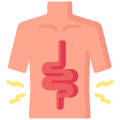
Diarrhea
Advise your child to drink plenty of water and stay hydrated. Avoid giving your child a high-fat diet or spicy foods. Try to avoid giving any medicine on your own to your child to manage diarrhea. Gradually give bland, low-fiber foods like bananas, rice, applesauce, and toast to help firm up stools. Probiotics, found in yogurt or supplements, may help restore the balance of gut bacteria. Practice good hand hygiene to prevent the spread of infection. Consult your child’s doctor if diarrhea worsens.
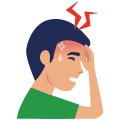
Headache
Apply a hot or cold water bag to your child’s head. Advise your child to take a rest in a quiet room. Massage the child's scalp or head with mild pressure for a relieving effect. Consult the child's doctor if the headache does not improve.

Nausea And Vomiting
Keep the child hydrated with small sips of clear fluids like water, ginger ale, or electrolyte solutions. Avoid giving large meals; instead, opt for bland, easy-to-digest foods. Ginger, peppermint, or chamomile tea may help soothe the stomach. Make the child rest in a comfortable position, preferably with the head elevated, to ease symptoms. Consult your child’s doctor if nausea persists.

Stomach Pain
Avoid giving spicy or fatty foods, such as caffeine, to your child, as they may exacerbate symptoms. Give easily digestible foods like rice, bananas, applesauce, and toast. Keep a heat pad on a child's stomach to relieve pain. Tell your child to eat and drink slowly or try to have fewer and more frequent meals. Consult your child’s doctor if stomach pain persists.
Warning & Precautions

Pregnancy
ContraindicatedBILACAD ORAL SOLUTION is not recommended for use in pregnant women since this dosage form is used only in children (aged 6 to 11 years).

Breastfeeding
ContraindicatedBILACAD ORAL SOLUTION is not recommended for use in pregnant women since this dosage form is used only in children (aged 6 to 11 years).

Driving and Using Machines
ContraindicatedDo not let your child ride bicycles, drive other vehicles, or operate machinery unless you know how BILACAD ORAL SOLUTION affects your child.

Alcohol
Consult your doctorBILACAD ORAL SOLUTION does not increase the drowsiness produced by alcohol. Consult your child’s doctor for advice.

Kidney
Use with CautionBILACAD ORAL SOLUTION should be used with caution in children suffering from moderate to severe kidney impairment. Consult your child’s doctor for advice.

Liver
Use with CautionBILACAD ORAL SOLUTION should be used with caution in children suffering from moderate to severe liver impairment. Consult your child’s doctor for advice.

Allergy
ContraindicatedDo not give BILACAD ORAL SOLUTION to your child if they are allergic to Bilastine or any other ingredients in this medicine.

Use In Pediatrics
ContraindicatedBILACAD ORAL SOLUTION is not recommended for use in children (under 6 years of age with a body weight below 20 kg). Consult your child’s doctor for advice.

Use In Geriatrics
Consult your doctorFor elderly patients, a more suitable dosage form of BILACAD ORAL SOLUTION is available. Consult your doctor for advice.
Interactions
A. Drug-Drug interactions:
- Antifungal (Ex. ketoconazole)
- Antibacterials (Ex. erythromycin, rifampicin)
- Anti-anginal (Ex. diltiazem)
- Immunosuppressant (Ex. cyclosporine)
- Anti-retroviral (Ex. ritonavir)
B. Drug-Food interactions:
Avoid giving BILACAD ORAL SOLUTION to your child with food or with grapefruit juice or other fruit juices, as this will decrease the effect of this medicine.
Overdosage:
If your child or anyone else accidentally takes too much of BILACAD ORAL SOLUTION, consult your child’s doctor immediately or visit the nearby hospital. Overdosage symptoms of BILACAD ORAL SOLUTION include dizziness, headaches, and nausea.
Synopsis
| Drug | : | Bilastine |
| Pharmacological Category | : | Antihistamine |
| Therapeutic Indication | : | Relieves symptoms of hay fever and manages itchy skin rashes (hives) |
| Dosage Forms | : | Tablet, Dispersible tablet, Oral Solution, Syrup |
More Information
Storage
- Keep BILACAD ORAL SOLUTION out of reach of children
- Store BILACAD ORAL SOLUTION at room temperature
FAQs About BILACAD ORAL SOLUTION
Q: What is BILACAD ORAL SOLUTION used for?
A: BILACAD ORAL SOLUTION is used in children (from 6 to 11 years of age with a body weight of at least 20 kg) to relieve the symptoms of hay fever (such as sneezing, itching, runny and stuffy nose, and red or watery eyes) and other forms of allergic rhinitis, which is usually caused by an allergen such as pollen, dust, mold, or flakes of skin from certain animals. It is also used to manage itchy skin rashes (hives, or urticaria).
Q: What are the side effects of BILACAD ORAL SOLUTION?
A: The most common side effects of taking BILACAD ORAL SOLUTION are headache, nasal rhinitis (nasal irritation), allergic conjunctivitis (eye irritation), and stomach pain. Consult your child’s doctor if any of the side effects worsen.
Q: Can BILACAD ORAL SOLUTION be used in children suffering from kidney impairment?
A: BILACAD ORAL SOLUTION should be used with caution in children suffering from moderate to severe kidney impairment. Your child’s doctor may monitor the kidney function test before and during management with BILACAD ORAL SOLUTION to manage the risk of any unusual effects. Consult your child’s doctor for advice.
Q: Can I give BILACAD ORAL SOLUTION to my child with food?
A: Avoid giving BILACAD ORAL SOLUTION to your child with food or with grapefruit juice or other fruit juices, as this will decrease the effect of this medicine, leading to a poor therapeutic outcome. Give BILACAD ORAL SOLUTION to your child one hour before or two hours after they have taken any food or fruit juices.
Q: Does BILACAD ORAL SOLUTION cause diarrhea?
A: Yes, BILACAD ORAL SOLUTION may cause diarrhea in some individuals. To manage this effect, advise your child to drink plenty of water and stay hydrated. Avoid giving your child a high-fat diet or spicy foods. Try to avoid giving any medicine on your own to your child to manage diarrhea. Consult the child's doctor if the symptom gets worse.
Q: How does BILACAD ORAL SOLUTION work?
A: BILACAD ORAL SOLUTION works by stopping the binding of histamine (a chemical that is produced by the immune system) to its receptor in the body, and in severe cases, it manages the initiation of an allergic reaction.
Q: How should I use BILACAD ORAL SOLUTION?
A: Give BILACAD ORAL SOLUTION to your child as advised by the physician. Shake well before use. Use a measuring cup to properly measure the dose. You should give this medicine to your child one hour before or two hours after they have taken any food or fruit juices. Your child’s doctor will decide the correct dose and duration of BILACAD ORAL SOLUTION for your child depending upon their age, body weight, and disease condition.
Q: Who should not use BILACAD ORAL SOLUTION?
A: Do not give BILACAD ORAL SOLUTION to your child if they are allergic to Bilastine or any other ingredients in this medicine.
Q: What precautions must be taken while using BILACAD ORAL SOLUTION?
A: BILACAD ORAL SOLUTION should be used with caution in children suffering from moderate to severe kidney impairment or moderate to severe liver impairment. Consult your child’s doctor for advice.
Q: What is the best time to take BILACAD ORAL SOLUTION?
A: Give BILACAD ORAL SOLUTION to your child on an empty stomach (at least one hour before meals or two hours after meals) or as directed by the doctor.
References
1. Dan L. Longo, Anthony S. Fauci, Dennis L. Kasper, Stephen L. Hauser, J. Larry Jameson, and Joseph Loscalzo. Allergy, Clinical Immunology, and Rheumatology. Harrison’s Manual of Medicine. 18th edition. Page- 1064.
2. Papadopoulos, N.G., Zuberbier, T. The safety and tolerability profile of bilastine for chronic urticaria in children. BMC. Part of Springer Nature. October 2019. [Accessed on 10th July 2024] https://ctajournal.biomedcentral.com/articles/10.1186/s13601-019-0294-3
3. Martin K, Marysia Tiongco-Recto, Erminia Ridolo, and Zoltan Novk. Bilastine: a lifetime companion for the treatment of allergies. Taylor & Francis Online. November 2019. [Accessed on 10th July 2024] https://www.tandfonline.com/doi/full/10.1080/03007995.2019.1681134
4. Faes Farma, S.A. Electronic Medicines Compendium (EMC). [Revised December 2020] [Accessed on 10th July 2024] https://www.medicines.org.uk/emc/files/pil.11725.pdf
5. Berlin-Chemie AG. Bilaxten 2.5 mg/ml oral solution. [Revised in November 2020] [Accessed on 10th July 2024] https://quest3plus.bpfk.gov.my/front-end/attachment/7292/pharma/518818/518818_20201204_133346_.pdf
Useful Diagnostic Tests
- Complete Blood Count (CBC)/ Hemogram
- Total IGE
- Wheeze/Rhinitis Comprehensive Panel Adult
- Basic Allergy Package
- Absolute Eosinophil Count, Blood
- Allergy Comprehensive Profile
- Allergy Post Screening Profile
- Peripheral Smear Examination By Pathologist
- Full Body Checkup - Gold
Author Details

