


Netmeds First Membership
Quick Links
Introduction About AZITHRAL 500MG TABLET
AZITHRAL 500MG TABLET manages mild to moderately susceptible infections caused by bacteria and other microorganisms, which include chest, throat, and nasal infections such as bronchitis, pneumonia, tonsillitis, sore throat, and sinusitis. It is also used to manage ear infections and skin and soft tissue infections in affected individuals.
It contains a medicine called azithromycin, which belongs to the group of medicines called Antibiotics that works by avoiding the growth of bacteria and helps clear up the infection.
AZITHRAL 500MG TABLET is not recommended for use in patients allergic to Azithromycin, other antibiotics such as erythromycin/clarithromycin (macrolides), and ketolides. It is also not recommended for use in patients with a history of cholestatic jaundice/hepatic dysfunction.
Before taking AZITHRAL 500MG TABLET, inform your doctor if you have diabetes, myasthenia gravis (a condition marked by weak muscles), heart problems, and/or kidney problems.
AZITHRAL 500MG TABLET should be used with caution during pregnancy and breast-feeding women. AZITHRAL 500MG TABLET is not recommended for use in children weighing less than 45 kg. It is advised to be used with caution in elderly patients (aged above 65 years) after consulting the doctor.
Common side effects of taking AZITHRAL 500MG TABLET are stomach cramps, nausea, vomiting, diarrhea, flatulence, dizziness, headache, and/or skin rash. Consult your doctor if any of the side effects worsen.
Key Composition
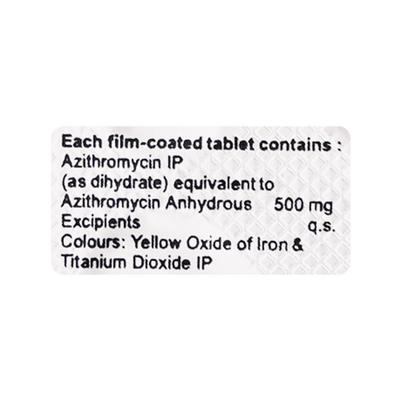
- Each tablet contains Azithromycin 500 mg
How AZITHRAL 500MG TABLET Works
1. Entry Into the Body
After intake, the active ingredient azithromycin is absorbed and enters the bloodstream, where it begins circulating to different tissues.
2. Accumulation at the Site of Concern
Azithromycin has a unique ability to reach high concentrations inside cells, especially in areas where the body’s natural defense cells are active. This helps the medicine stay effective for a longer duration.
3. Targeting Bacterial Protein Synthesis
Azithromycin selectively attaches to the 50S ribosomal subunit of bacteria.
This ribosomal unit is responsible for building essential proteins that bacteria need for:
- Cellular structure
- Growth
- Survival
4. Blocking the Assembly of New Proteins
Once attached, azithromycin blocks the translocation step in bacterial protein assembly.
This step is crucial for adding new amino acids to the growing protein chain.
5. Halting Bacterial Growth
Because the bacteria are unable to produce vital proteins:
- Their growth slows down
- Their ability to multiply reduces
- Their internal processes gradually weaken
6. Extended Action Due to Long Half-Life
Azithromycin remains in tissues for a prolonged period, providing an extended duration of activity even after the dosing schedule is completed.
7. Support for the Body’s Natural Defense System
As the bacterial activity reduces, the body’s natural immune processes find it easier to manage and clear the weakened microorganisms over time.
How to use AZITHRAL 500MG TABLET
- Azithral 500 mg Tablet is generally taken orally with a full glass of water. Swallow the tablet whole without crushing, chewing, or breaking it, as doing so may affect how the tablet dissolves.
- It is usually taken once a day at the same time to help maintain a consistent routine.
Recommended Dosage of Azithral 500 mg
- The dosage schedule for Azithral 500 mg is typically based on age, body needs, and individual health factors. Adults are commonly advised a once-daily dosing pattern, but the overall number of days may vary based on the guidance provided.
- It is important to follow the prescribed duration and complete the full course, even if you feel better midway.
- Do not increase or decrease the number of tablets on your own, and do not modify the duration unless advised by a qualified professional.
Azithral 500 With or Without Food
- Azithral 500 mg may be taken with or without food.However, taking it after food may help reduce chances of stomach discomfort for individuals who are sensitive to medicines.
- Avoid taking it with acidic drinks such as citrus juices, as they may alter the stomach environment.
- A simple glass of water is the preferred option.
What if I forgot to take AZITHRAL 500MG TABLET
- If you forget a dose, take it as soon as you remember.
- If it is already close to the next scheduled dose, skip the missed dose and continue with the regular routine.
- Avoid taking two tablets together to make up for a missed dose, as this may increase the chance of discomfort.
- Maintaining a daily reminder or alarm may help avoid missed doses.
Overdose
- If an extra tablet is taken accidentally, observe how you feel and stay hydrated.
- If discomfort such as nausea, stomach upset, or unusual symptoms arise, reach out for guidance.
- Avoid taking additional tablets until you receive proper instructions.
- Keeping the packaging and dosage schedule accessible can help avoid future errors
Side Effects Of AZITHRAL 500MG TABLET
Common Side Effects of AZITHRAL 500MG TABLET:
- stomach cramps, nausea, vomiting, diarrhea
- flatulence
- dizziness, headache
- numbness or pickling sensation
- loss of appetite
- taste disturbance
- visual disturbances
- deafness
- skin rash, itching
- joint pain
- tiredness, weakness
When to consult a doctor:
- sudden wheeziness, difficulty in breathing, swelling of eyelids, face/lips, rash, and/or itching (affecting the whole body)
- signs of serious bowel inflammation, such as severe or prolonged diarrhea
- signs of cholestatic jaundice/hepatic dysfunction such as yellowing of skin and whites of eyes, dark urine
Warning & Precautions

Pregnancy
Use with CautionAZITHRAL 500MG TABLET should be used with caution during pregnancy and in women planning for pregnancy only if it is clearly necessary.

Breastfeeding
Use with CautionAZITHRAL 500MG TABLET should be used with caution in breastfeeding women, as it is unknown whether the medicine is excreted in breastmilk.

Driving and Using Machines
Use with CautionDo not drive or operate any machines if AZITHRAL 500MG TABLET affects your ability to drive or operate any machines.

Kidney
Use with CautionAZITHRAL 500MG TABLET should be taken with caution in patients with kidney problems.

Liver
Consult your doctorAZITHRAL 500MG TABLET is not recommended for use in patients with a history of cholestatic jaundice/hepatic dysfunction. It should be used with caution in patients with other liver problems.

Allergy
ContraindicatedDo not take AZITHRAL 500MG TABLET if you are allergic to Azithromycin, other antibiotics such as erythromycin/clarithromycin (macrolides), ketolides, and/or any other ingredients of this medicine.

Heart Disease
Use with CautionAZITHRAL 500MG TABLET should be taken with caution in patients with heart problems such as prolongation of QT interval, Torsade’s de pointes, and other proarrhythmic conditions. Consult your doctor before taking the medicine.

Use In Pediatrics
ContraindicatedAZITHRAL 500MG TABLET is not recommended for use in children weighing less than 45 kg.

Use In Geriatrics
Use with CautionAZITHRAL 500MG TABLET should be used with caution in elderly patients (aged above 65 years).
Other Warnings for AZITHRAL 500MG TABLET
Before taking AZITHRAL 500MG TABLET, inform your doctor if you have:
- diabetes
- myasthenia gravis (condition marked by weak muscles)
- intolerance to certain sugars
Diet and Lifestyle Advice
1. Stay Well Hydrated
Drinking enough water throughout the day supports overall wellness and helps the body stay comfortable while using any medication.
Aim for regular water intake unless advised otherwise.
2. Include Gut-Friendly Foods
Foods rich in natural probiotics may help maintain digestive balance. Examples include:
- Curd or yogurt
- Buttermilk
- Fermented foods in moderation
These can be added to your regular meals unless restricted for other reasons.
3. Limit Caffeinated and Carbonated Drinks
Beverages like soda, strong tea, or excessive coffee may irritate the stomach for some individuals.
Choose plain water, herbal teas, or coconut water instead.
4. Maintain Regular Mealtimes
A consistent eating schedule helps reduce digestive stress and supports overall comfort during a medication course.
5. Avoid Alcohol During the Course
Alcohol may increase the risk of stomach discomfort or interfere with how the medicine works.
It is advisable to avoid alcohol while taking the tablet.
6. Get Adequate Rest
Proper rest supports the body’s natural processes during recovery. Aim for:
- 7–8 hours of sleep
- Short breaks during the day if feeling fatigued
Avoid overexertion or high-intensity physical activity.
7. Prefer Gentle Physical Activity
Light movements such as:
- Walking
- Stretching
- Slow breathing exercises
These help maintain energy levels without straining the body.
8. Avoid Self-Medication or Mixing Medicines
Stick only to the advised course. Do not add new supplements or medicines without checking, as they may interact.
9. Keep an Eye on Your Body’s Response
If you notice any unusual discomfort or reactions while following your medication schedule, reach out for guidance.
Drug - Drug interaction
Medicines That May Interfere With Azithral 500 mg
Some medicines may influence how Azithral 500 mg works in the body. These include certain:
- Antacids containing aluminum or magnesium
- Heart rhythm–related medicines
- Medicines that affect electrolyte balance
- Specific migraine medicines
Spacing antacids and the tablet by a reasonable gap may help avoid interference.
Interactions With Blood-Thinning Medicines
A few blood-thinning medicines may require monitoring when taken alongside Azithral 500 mg, as the combination might influence clotting parameters.
Regular follow-up may help adjust the therapy if needed.
Interactions With Heart or Blood Pressure Medicines
Some heart rhythm stabilizers and medicines that affect the heartbeat may show enhanced sensitivity when taken together with Azithral 500 mg.
Sharing your complete medication list ensures better safety.
Interactions With Antacids and Acid-Reducing Medicines
Antacids containing aluminum or magnesium may reduce the absorption of azithromycin.
Maintaining a 2-hour gap may support proper intake.
Interactions With Painkillers and Anti-Inflammatory Medicines
Most commonly used pain relievers may be compatible, but certain anti-inflammatory medicines may increase the risk of stomach discomfort when taken together.
Taking the tablet after food may reduce this discomfort in sensitive individuals.
Interactions With Allergy Medicines
A few antihistamines may influence heart rhythm when combined with Azithral 500 mg.
This is less common but is important to mention during consultation.
Interactions With Vitamins, Minerals, and Supplements
- Multivitamins containing zinc, calcium, or magnesium may reduce absorption if taken together.
- Herbal supplements (e.g., St. John’s wort) may alter how the medicine behaves in the body.
Keeping a small gap between these products may support better absorption.
Synopsis
| Drug | : | Azithromycin |
| Pharmacological Category | : | Macrolide antibiotics |
| Therapeutic Indication | : | Bacterial infections |
| Dosage Forms | : | Capsule, Tablet, Dispersible tablet, Syrup, Dry syrup, Suspension, Oral Suspension, Liquid, Injection, Infusion, Gel, Eye ointment, Eye drops |
More Information
Why Responsible Antibiotic Usage Matters in the Age of Rising Antimicrobial Awareness
Responsible antibiotic usage has become a widely discussed topic due to growing awareness about antimicrobial resistance, where microorganisms gradually stop responding to commonly used medicines.
This development is influenced by frequent changes in lifestyle, increased access to medicines, and global discussions on maintaining long-term medicine effectiveness.
Responsible usage matters because:
1. Helps Maintain the Effectiveness of Existing Antibiotics
Careful and guided usage helps ensure that commonly used antibiotics remain effective for individuals who may require them in the future.
2. Reduces Chances of Medicine Adaptation by Microorganisms
Incorrect usage such as stopping the course early or taking antibiotics without guidance may create conditions that allow microorganisms to adapt.
3. Supports Better Long-Term Health Practices
With rising awareness, people are more conscious of completing their prescribed course, avoiding unnecessary antibiotic intake, and following proper usage instructions.
4. Enhances Public Awareness About Safe Medication Habits
Educational initiatives encourage individuals to check the necessity of antibiotics, avoid self-medicating, and rely on qualified guidance.
5. Aligns With Global Health Discussions
Governments and health bodies worldwide highlight responsible antibiotic habits to ensure these medicines remain reliable for future generations.
Practical “Before – During – After Usage Awareness” Guidance
Before Usage Awareness
1. Share Your Current Medication List
Informing a qualified professional about all ongoing medicines helps avoid unwanted interactions.
2. Clarify Your Allergies or Past Reactions
Mention any history of unusual sensitivity to medicines so the right antibiotic is considered.
3. Understand the Dosage Pattern Clearly
Know how many tablets to take, the duration, and the appropriate timing to avoid missed or duplicated doses.
4. Avoid Self-Initiating Antibiotics
Using antibiotics without guidance may lead to unsuitable courses or incorrect dosage schedules.
During Usage Awareness
1. Follow the Advised Dosage Routine
Stick to the instructed timing (morning/evening) and maintain consistency throughout the course.
2. Avoid Skipping Doses
Missed or irregular doses may reduce the overall effectiveness of the planned schedule.
3. Do Not Stop the Course Midway
Stopping early because symptoms improve can contribute to incomplete activity.
4. Maintain Adequate Hydration
Taking the tablet with a full glass of water helps ensure smoother intake.
5. Avoid Combining With Certain Products
Antacids, mineral supplements, or other interacting medicines may require spacing.
After Usage Awareness
1. Do Not Save Leftover Tablets for Future Use
Antibiotics should not be reused without proper guidance for a different episode.
2. Avoid Sharing the Medicine With Others
What works for one individual may not be appropriate for another, even if symptoms appear similar.
3. Properly Dispose of Unused Medicine
Follow local disposal guidelines to avoid environmental impact and misuse.
4. Observe Your Recovery Pattern
If any concerns arise after the course is completed, discuss them with a qualified professional.
5. Maintain Records
Keeping track of previously used antibiotics helps ensure future medicines are chosen appropriately.
Comparison with similar medicines
|
Parameter |
Azithral 500 mg (Azithromycin) |
Clarithromycin 500 mg |
Amoxicillin 500 mg |
|
Medicine Class |
Macrolide antibiotic |
Macrolide antibiotic |
Penicillin group |
|
Common Dosage Frequency |
Usually once daily |
Usually twice daily |
Usually two or three times daily |
|
Course Duration |
Often shorter due to longer activity |
Generally mid-range duration |
Often longer courses depending on guidance |
|
Food Considerations |
Can be taken with or without food; after food may reduce stomach discomfort |
Best taken with food to improve tolerance |
Often taken after meals to reduce stomach upset |
|
Tablet Convenience |
Once-a-day intake is easy to follow |
Requires more frequent daily intake |
Multiple doses per day require more routine discipline |
|
Suitability for Sensitive Stomachs |
Generally better tolerated by many individuals |
May cause a higher chance of digestive discomfort |
May cause mild stomach-related discomfort in some users |
|
Drug Interaction Potential |
Known interactions with antacids, certain heart medications, and supplements |
Multiple potential interactions including heart medications |
Interaction risk exists with certain long-term medicines |
|
Taste or Aftertaste |
Usually neutral |
Metallic or bitter aftertaste common in some users |
Generally neutral |
|
Typical Tablet Strengths Available |
250 mg, 500 mg |
250 mg, 500 mg |
250 mg, 500 mg, 875 mg |
|
Dosing Flexibility |
Long half-life allows flexible once-daily dosing |
Less flexible due to twice-daily requirement |
Needs consistent timing multiple times daily |
|
Use in Those With Frequent Gastro Concerns |
May be preferred for convenience |
May cause more digestive discomfort |
Tolerance varies among individuals |
|
Course Completion Importance |
Important to finish full course |
Important to finish full course |
Important to finish full course |
FAQs About AZITHRAL 500MG TABLET
Q: What is AZITHRAL 500MG TABLET used for?
A: AZITHRAL 500MG TABLET is used to manage mild to moderately susceptible infections caused by bacteria and other microorganisms, which include chest, throat, and nasal infections (such as bronchitis, pneumonia, tonsillitis, sore throat, and sinusitis). It is also used to manage ear infections and skin and soft tissue infections (such as an abscess/boil).
Q: How AZITHRAL 500MG TABLET works?
A: AZITHRAL 500MG TABLET works by inhibiting bacterial protein synthesis (essential for the bacteria to grow) that results in its destruction, thus managing its growth and spread of infection in affected individuals.
Q: What are the most common side effects of taking AZITHRAL 500MG TABLET?
A: The most common side effects of taking AZITHRAL 500MG TABLET are stomach cramps, nausea, vomiting, diarrhea, flatulence, dizziness, headache, and/or skin rash. Consult your doctor if any of the symptoms worsen.
Q: How to take AZITHRAL 500MG TABLET?
A: Take this medicine as advised by your physician. For Tablet, Capsule: Swallow AZITHRAL 500MG TABLET with a glass of water. Do not crush or chew the medicine. For Dispersible Tablet: Disperse AZITHRAL 500MG TABLET in the specified quantity of water as mentioned in the label. Consume the mixture immediately after reconstitution. Your doctor will decide the correct dose and duration of therapy for you depending upon your age, body weight and disease condition.
Q: Who should avoid taking AZITHRAL 500MG TABLET?
A: AZITHRAL 500MG TABLET is not recommended for use in patients allergic to Azithromycin, other antibiotics such as erythromycin/clarithromycin (macrolides), and/or ketolides. It is also not recommended for use in patients suffering from liver diseases such as cholestatic jaundice or hepatic dysfunction.
Q: Is AZITHRAL 500MG TABLET available over the counter?
A: AZITHRAL 500MG TABLET is usually available by prescription only. It is important to consult with a healthcare provider before starting management with AZITHRAL 500MG TABLET.
Q: Can AZITHRAL 500MG TABLET be taken with food?
A: AZITHRAL 500MG TABLET can be taken with or without food. However, taking it with food may help reduce the risk of gastrointestinal side effects such as nausea and stomach upset.
Q: Can AZITHRAL 500MG TABLET cause drowsiness?
A: Drowsiness is not a common side effect of AZITHRAL 500MG TABLET. However, some individuals may experience dizziness or fatigue while taking the medication. If you experience any significant drowsiness or dizziness, avoid driving or operating machinery until you know how the medication affects you.
Q: Can AZITHRAL 500MG TABLET be used for dental infections?
A: AZITHRAL 500MG TABLET may be prescribed by a healthcare provider to manage certain dental infections caused by bacteria. However, the appropriateness of AZITHRAL 500MG TABLET for dental infections should be determined by a healthcare provider based on the specific circumstances of the infection.
Q: Can AZITHRAL 500MG TABLET be used to manage viral infections such as the common cold or flu?
A: No. AZITHRAL 500MG TABLET belongs to antibiotics and are only effective against bacterial infections. They will not work for viral infections such as the common cold or flu.
References
1. KD Tripathi. Macrolide, Lincosamide, Glycopeptide, and Other Antibacterial Antibiotics; Urinary Antiseptics. Essentials of Medical Pharmacology. Seventh edition. 2013. Page – 755.
2. Michael J Parnham , Vesna Erakovic Haber, Evangelos J Giamarellos-Bourboulis, Gianpaolo Perletti , Geert M Verleden, Robin Vos. Azithromycin: mechanisms of action and their relevance for clinical applications. NIH National Library of Medicine. National Center for Biotechnology Information. PubMed.gov. August 2014. [Accessed on 19th March 2026] 
3. John E Stupka, Eric M Mortensen, Antonio Anzueto, and Marcos I Restrepo. Community-acquired pneumonia in elderly patients. NIH National Library of Medicine. National Center for Biotechnology Information. PMC PubMed Central. August 2010. [Accessed on 19th March 2026] 
4. Haupt Pharma Latina S.r.l. Electronic Medicines Compendium (EMC). [Revised in March 2022]. [Accessed on 19th March 2026]
5. Borg Pharmaceutical Ind. NEOZOLID 600 MG TABLETS. [Accessed on 19th March 2026]
Author Details