



Netmeds First Membership
Quick Links
Introduction About ATARAX 10MG TABLET
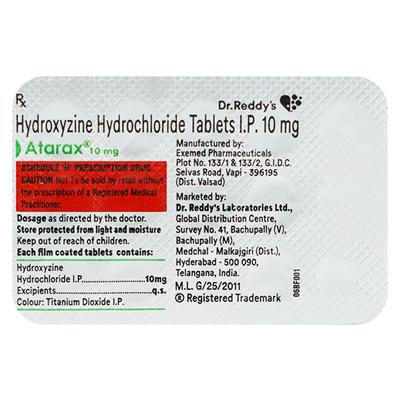
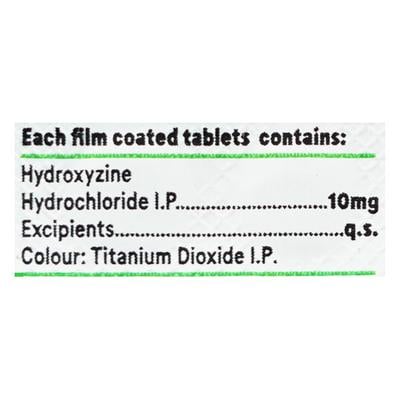
Atarax 10 mg Tablet contains Hydroxyzine and belongs to the class of antihistamines. It is commonly prescribed by healthcare professionals to help manage symptoms of allergy, itching, anxiety, tension, nausea, and vomiting. It is also used to support mild sedation before or after medical procedures.
Atarax 10 mg works by blocking histamine, a natural substance in the body responsible for allergic reactions. It also has a mild calming effect on the central nervous system, which helps reduce tension, anxiety, and discomfort. This action supports relief from allergy-related symptoms, itching, and mild anxiety, improving overall patient comfort and daily functioning.
This medicine is generally suitable for adults and may also be considered for children (aged 3–12 years) and elderly patients (65 years and above) under careful medical supervision. Individuals with heart, liver, kidney, lung, eye, urinary, gastrointestinal, or neurological conditions should inform their doctor before starting Atarax 10 mg Tablet. Extra care is required for patients with a history of QT prolongation, low potassium or magnesium levels, glaucoma, urinary retention, or prostate enlargement. Dose adjustments may be recommended depending on the clinical condition.
Atarax 10 mg Tablet should be taken exactly as prescribed, with a glass of water, with or without food, and at evenly spaced intervals. Do not skip doses or change the schedule without medical advice. Children may require lower doses due to the risk of central nervous system side effects such as drowsiness, restlessness, or, rarely, seizures. Elderly patients should use this medicine with caution due to the increased risk of drowsiness, dizziness, or weakness.
The use of Atarax 10 mg Tablet during pregnancy or breastfeeding should be considered only if clearly advised by a healthcare professional after evaluating the benefits and risks. The most common side effects include drowsiness, dizziness, dry mouth, and mild headache. These effects are usually temporary. Consult your doctor if they persist or worsen. Always consult your doctor before taking this medicine
Uses Of ATARAX 10MG TABLET
It is used to manage:
- Itching (pruritus) associated with allergic conditions such as chronic urticaria, atopic dermatitis, and contact dermatitis.
- Anxiety and tension in adults where no other medication is suitable.
- Short-term sleep problems (insomnia) under medical supervision
- Nausea and vomiting (excluding nausea and vomiting of pregnancy)
- As a sedative before or after medical procedures, including dental procedures and general anesthesia
Benefits of ATARAX 10MG TABLET
Relieves Itching and Skin Irration
Atarax 10 mg Tablet contains hydroxyzine, which helps reduce itching, redness, and discomfort associated with allergic skin conditions such as rashes, hives, and dermatitis.
Supports Allergy Symptom Relief
It helps manage symptoms triggered by allergic reactions, including skin sensitivity and irritation, promoting overall comfort during allergy episodes.
Provides Short-Term Calm and Relaxation
Hydroxyzine has mild sedative properties that may help reduce anxiety and promote a sense of calm, especially during periods of discomfort or stress.
Helps Improve Nighttime Comfort
By reducing itching and inducing relaxation, it may support better sleep during episodes of skin irritation or allergic flare-ups.
Effective for Hives and Skin Reactions
Commonly used to manage urticaria (hives) and other hypersensitivity reactions, helping soothe the skin and reduce the urge to scratch.
Supports Comfort During Temporary Symptoms
Useful for short-term relief of acute allergic conditions, helping improve daily comfort and quality of life.
Enhances Overall Symptom Control
By combining anti-allergic and calming effects, Atarax helps manage both physical discomfort and associated restlessness.
How ATARAX 10MG TABLET Works
Atarax 10 mg Tablet works by blocking histamine H1 receptors and influencing brain activity. Its active ingredient, Hydroxyzine, interferes with chemical signals involved in immune and neurological responses. It reduces histamine-driven activity in the body. At the same time, it crosses the blood-brain barrier to produce a sedative effect.
How Does Hydroxyzine Block Histamine Activity
Histamine binds to H1 receptors to trigger biological responses in the body. Hydroxyzine competes with histamine for these receptor sites. By occupying the receptors, it reduce histamine from activating them. This process interrupts the histamine signaling pathway.
Influence on Brain Activity to Produce a Calming Effect
Hydroxyzine crosses the blood-brain barrier and acts on central nervous system pathways. It suppresses activity in the reticular formation and limbic system. This reduces neuronal excitation and alertness. The overall effect is a calming influence on brain function.
Central Nervous System Effects of Hydroxyzine
Hydroxyzine affects the brain by reducing activity in key neural pathways. It depresses the reticular activating system responsible for wakefulness. It also influences areas involved in emotional regulation. These actions result from its ability to enter the central nervous system.
How to use ATARAX 10MG TABLET
Recommended Dosage of Atarax 10 mg Tablet
- Dosage depends on age, condition, and doctor’s advice
- Follow the exact dose mentioned in your prescription
- Do not change the dose without consulting a doctor
How to Take Atarax 10 mg Tablet Correctly
- Take exactly as directed by your doctor
- Swallow the tablet whole with a glass of water
- Take it at the same time each day
Usual Dosage Guidelines for Hydroxyzine 10 mg
- Dosage varies based on individual needs
- Doctor may adjust the dose if required
- Follow the prescribed schedule strictly
Best Way to Take Atarax 10 mg Tablet
- Maintain a consistent daily routine
- Follow instructions on the prescription label
- Consult your doctor if unsure
Can Atarax 10 mg Tablet Be Taken With Food?
- Can be taken with or without food
- Follow your doctor’s specific advice
- Take it the same way each day for consistency
When and How Often to Take Atarax Tablet
- Frequency depends on your prescription
- May be taken once or multiple times daily
- Follow the recommended timing carefully
What if I forgot to take ATARAX 10MG TABLET
- Take it as soon as you remember
- Skip if close to the next scheduled dose
- Do not take a double dose
Side Effects Of ATARAX 10MG TABLET
Common Side Effects:
- Headache
- Drowsiness (sedation)
- Dry mouth
- Tiredness or fatigue
When to Consult Your Doctor:
- Allergic reactions such as skin rash, swelling of lips/face/throat, or difficulty breathing, Swelling of the face, lips, tongue, or throat (angioedema).
- Tremors (shakiness) or convulsions (fits)
- Fast, irregular, or abnormal heartbeat (palpitations)
- Loss of consciousness or severe dizziness
How To Manage Side Effects
Headache
- Stay Hydrated: Drink plenty of water throughout the day to help ease headache symptoms.
- Rest in a Quiet Environment: Minimize noise and bright lights by resting in a calm, dark room.
- Use Over-the-Counter Pain Relief: Consult your doctor about using mild pain relievers like acetaminophen to alleviate headaches.
- Avoid Stressful Activities: Limit activities that increase stress or physical exertion when experiencing headaches.
- Seek Medical Advice: Contact your healthcare provider if headaches become severe, persistent, or are accompanied by other symptoms.
Tiredness
- Get Adequate Rest: Ensure you get enough sleep and take short breaks during the day if needed
- Avoid Strenuous Activities: Limit physically demanding tasks until your energy levels improve
- Stay Hydrated and Eat Balanced Meals: Proper nutrition and fluids can help maintain energy levels
- Limit Alcohol and Sedatives: These may increase drowsiness and fatigue
- Seek Medical Advice: Consult your doctor if tiredness becomes severe, persistent, or affects your daily routine
Warning & Precautions

Pregnancy
ContraindicatedAtarax 10 mg Tablet is not recommended during pregnancy unless advised by a doctor. It may affect the developing baby based on available safety data. Always inform your doctor if you are pregnant or planning a pregnancy. Consult your doctor before taking this medicine.

Breastfeeding
ContraindicatedAtarax 10 mg Tablet is generally not recommended during breastfeeding. The medicine may pass into breast milk and could affect the infant. Consult your doctor before taking this medicine while breastfeeding.

Driving and Using Machines
Use with CautionAtarax 10 mg Tablet may make you feel sleepy or less alert. It can affect your concentration and slow your reactions. Do not drive or use machines until you know how this medicine affects you. Always talk to your doctor before taking this medicine

Alcohol
Consult your doctorAvoid consuming alcohol while taking Atarax 10 mg. Alcohol may increase drowsiness and enhance central nervous system effects.

Kidney
Use with CautionAtarax 10 mg Tablet should be used with caution in patients with kidney problems. Reduced kidney function can affect how the medicine is cleared from the body. Dose adjustments may be necessary in moderate to severe cases. Always consult your doctor before taking this medicine.

Liver
Use with CautionAtarax 10 mg Tablet should be used carefully in patients with liver problems. Your doctor may adjust the dose based on the severity of your condition. Inform your doctor about any liver-related issues. Regular check-ups may be needed. Consult your doctor before taking this medicine.

Allergy
ContraindicatedDo not take Atarax 10 mg Tablet if you are allergic to hydroxyzine or related compounds. Inform your doctor about any history of drug allergies or intolerance (including lactose intolerance). Watch for signs of hypersensitivity reactions. Seek medical advice if any unusual symptoms appear

Lungs
Use with CautionAtarax 10 mg Tablet should be used with caution if you have respiratory problems such as asthma or chronic obstructive pulmonary disease (COPD). It may cause breathing difficulties or worsen existing respiratory symptoms. Inform your doctor about any lung-related conditions. Consult your doctor before taking this medicine.

Heart Disease
Use with CautionAtarax 10 mg Tablet should be used with caution if you have heart problems. It may affect your heart rhythm (QT prolongation). Tell your doctor if you have a history of heart disease or irregular heartbeat. Seek medical help if you notice palpitations, dizziness, or unusual symptoms. Consult your doctor before taking this medicine.

Use In Pediatrics
Use with CautionIn children aged 3 to 12 years, Atarax 10 mg Tablet should be used with caution, as it may cause central nervous system (CNS) effects such as drowsiness, restlessness, or, rarely, seizures. Always consult your doctor before giving this medicine to a child.

Use In Geriatrics
Use with CautionIn elderly patients (65 years and above), Atarax 10 mg Tablet should be used with caution, as it may increase drowsiness, dizziness, confusion, dry mouth, or weakness. Dose adjustments may be required. Consult your doctor before starting this medicine.
Other Warnings for ATARAX 10MG TABLET
Before Taking This Medicine, Inform Your Doctor If You Have:
- urinary & gastrointestinal conditions such as urinary retention, enlarged prostate or reduced gut motility
- Glaucoma
- Seizures, dementia, or muscle weakness
Who should not take ATARAX 10MG TABLET
It is not recommended for patients with a history of:
- Porphyria, a rare metabolic disorder.
- Low blood levels of electrolytes, such as potassium or magnesium.
Interactions
CNS Depressants (e.g., sedatives, sleep medicines, alcohol)
Interaction: Hydroxyzine may enhance the effects of other central nervous system depressants.
Effects: Increased drowsiness, sedation, and reduced alertness.
Management: Use with caution and follow your doctor’s advice regarding combined use.
QT/QTc Prolonging Medicines (e.g., amiodarone, quinidine, haloperidol, citalopram)
Interaction: Concomitant use with medicines that affect heart rhythm is contraindicated.
Effects: Increased risk of irregular heart rhythm (QT prolongation).
Management: Inform your doctor about all medicines you are taking before use.
Antibiotics (e.g., erythromycin, levofloxacin, moxifloxacin)
Interaction: Certain antibiotics may interact by affecting heart rhythm or drug levels.
Effects: Increased risk of cardiac rhythm disturbances.
Management: Avoid combination unless specifically advised by a healthcare professional.
Antifungals (e.g., ketoconazole, fluconazole, voriconazole)
Interaction: These medicines may increase hydroxyzine levels by affecting metabolism.
Effects: Higher concentration of the drug in the body.
Management: Dose adjustment or monitoring may be required.
Antidepressants & Antipsychotics (e.g., fluoxetine, amitriptyline, risperidone)
Interaction: May have additive effects on heart rhythm and CNS activity.
Effects: Increased sedation or potential cardiac effects.
Management: Inform your doctor before combining these medicines.
Opioids (e.g., methadone)
Interaction: Combined use may enhance sedative effects.
Effects: Increased drowsiness and CNS depression.
Management: Use only under medical supervision.
Diuretics & Electrolyte-Depleting Medicines (e.g., thiazide diuretics, laxatives)
Interaction: May alter electrolyte balance when used with hydroxyzine.
Effects: Increased risk of heart rhythm disturbances.
Management: Regular monitoring may be required.
CYP3A4/5 Inhibitors (e.g., macrolides, HIV protease inhibitors)
Interaction: These medicines can increase hydroxyzine levels in the blood.
Effects: Enhanced pharmacological effects and QT prolongation risk.
Management: Concomitant use is generally not recommended.
Other Medicines (e.g., cimetidine, phenytoin, betahistine)
Interaction: May affect hydroxyzine levels or its activity.
Effects: Altered drug concentration or reduced effectiveness.
Management: Inform your doctor about all ongoing medications.
Herbal Products
Interaction: No well-established interactions with herbal products.
Effects: Limited clinical data available.
Management: Inform your doctor about any herbal or supplement use.
Drug - Food interaction
Grapefruit and Grapefruit Juice
Interaction: May inhibit enzymes that metabolize Hydroxyzine.
Effects: Increased levels of the drug in the bloodstream.
Management: Avoid consuming grapefruit or related products during use
Synopsis
|
Drug |
: |
Hydroxyzine |
|
Pharmacological Category |
: |
Antihistamines (sedating antihistamine) |
|
Therapeutic Indication |
: |
Allergy-related itching, anxiety, nausea, vomiting, and for mild sedation |
|
Dosage Forms |
: |
Tablet, syrup, solution |
More Information
1) How can you effectively manage allergy-related discomfort in a busy urban lifestyle?
Understanding Daily Exposure
Being aware of frequent exposure to dust, pollution, and environmental irritants in urban areas helps individuals recognize factors that may contribute to discomfort.
Maintaining Consistent Routine
Following a regular daily schedule, including proper sleep and balanced nutrition, supports overall well-being and helps the body cope better with environmental triggers.
Tracking Symptom Patterns
Observing when symptoms such as itching, sneezing, or irritation occur can help identify patterns related to time, location, or activities.
Reducing Indoor Irritants
Keeping living and working spaces clean, well-ventilated, and free from dust accumulation can help improve comfort in daily environments.
Using Protective Measures Outdoors
Simple habits like wearing masks or sunglasses in high-pollution areas may help limit exposure to airborne irritants.
Staying Informed About Air Quality
Checking daily air quality levels can help individuals plan outdoor activities more effectively and avoid peak exposure times.
Managing Work-Life Balance
Reducing stress and maintaining a balanced lifestyle may help improve overall tolerance to environmental discomfort.
Communicating with Healthcare Providers
Sharing symptom details and lifestyle factors with a doctor helps ensure better guidance and safe use of medicines.
Supporting Daily Comfort
Adopting small lifestyle adjustments can help maintain comfort and productivity even in busy urban settings.
Building Awareness
Understanding personal triggers empowers individuals to make informed choices in their daily routines.
2) What are the common triggers of allergies in urban environments and how can you reduce exposure?
Air Pollution and Vehicle Emissions
Urban environments often have high levels of pollutants from traffic, which may contribute to respiratory and skin discomfort.
Dust and Construction Particles
Ongoing construction and dust accumulation in cities can act as common irritants affecting daily comfort.
Pollen and Seasonal Changes
Trees, plants, and seasonal variations can release pollen that may trigger allergic responses in sensitive individuals.
Indoor Allergens
Dust mites, mold, and pet dander commonly found in homes and offices may contribute to ongoing irritation.
Smoke and Industrial Emissions
Exposure to smoke, chemicals, and industrial pollutants can increase sensitivity and discomfort.
Maintaining Clean Surroundings
Regular cleaning of living spaces, bedding, and work areas helps reduce the presence of indoor allergens.
Improving Ventilation
Ensuring proper airflow and ventilation indoors may help minimize buildup of irritants.
Limiting Outdoor Exposure During Peak Times
Avoiding outdoor activities during high pollution or pollen levels can help reduce exposure.
Using Protective Habits
Wearing masks or covering exposed areas can help limit contact with environmental triggers.
Staying Aware of Environmental Changes
Monitoring seasonal and environmental conditions helps individuals adapt routines for better daily comfort.
FAQs About ATARAX 10MG TABLET
Q: What is Atarax 10 mg Tablet used for?
A: Atarax 10 mg Tablet contains hydroxyzine, an antihistamine that helps relieve symptoms such as itching, allergy-related discomfort, anxiety, and tension. It is also used for nausea, vomiting, and mild sedation before medical procedures.
Q: How should I take Atarax 10 mg Tablet?
A: Swallow the tablet whole with water, following the schedule advised by your doctor. Take it at evenly spaced intervals for consistent effect.
Q: Can I take Atarax 10 mg Tablet with food?
A: Yes, it can be taken with or without food based on your comfort. Drinking water with each dose is recommended.
Q: What should I do if I miss a dose?
A: Take the missed dose as soon as you remember. Do not double the next dose to make up for it.
Q: Are there any common side effects of Atarax 10 mg Tablet?
A: Some patients may experience drowsiness, dry mouth, headache, or tiredness. If symptoms persist or worsen, consult your doctor.
Q: Can children take Atarax 10 mg Tablet?
A: It may be prescribed for children (aged 3–12 years) under medical supervision. The dose and suitability should always be confirmed by a doctor.
Q: Is it safe to take Atarax 10 mg Tablet if I have heart problems?
A: Patients with heart conditions should use this medicine with caution, as it may affect heart rhythm. Always inform your doctor before use.
Q: Can I take Atarax 10 mg Tablet during pregnancy or breastfeeding?
A: Consult your doctor before using this medicine during pregnancy or breastfeeding to ensure safe and appropriate guidance.
Q: How should I store Atarax 10 mg Tablet?
A: Keep the tablet in a cool, dry place, away from direct sunlight and out of reach of children.
Q: Can Atarax 10 mg Tablet interact with other medicines?
A: Yes, it may interact with certain medicines, especially those affecting the brain or heart rhythm. Inform your doctor about all medicines you are taking.
Q: What should I do if I experience severe side effects?
A: Seek immediate medical attention if you notice symptoms such as severe allergic reactions, breathing difficulty, or abnormal heartbeat.
Q: How long should I continue taking Atarax 10 mg Tablet?
A: Follow your doctor’s guidance on dosage and duration. Consistency helps maintain its effectiveness.
Q: Can Atarax 10 mg Tablet affect my daily activities?
A: Yes, it may cause drowsiness or reduced alertness. Avoid driving or operating machinery if you feel affected.
References
1)KD Tripathi. Drugs Used in Mental Illness Antidepressant and Antianxiety Drugs. Drugs Essentials of medical pharmacology. 8th edition. 2013. Page –495
2)Pierre-Michel Llorca , Christian Spadone, Olivier Sol, Anne Danniau, Thierry Bougerol, Emmanuelle Corruble, Michel Faruch, Jean-Paul Macher, Eric Sermet, Dominique Servant. Efficacy and safety of hydroxyzine in the treatment of generalized anxiety disorder: a 3-month double-blind study. National Library of Medicine, National Center for Biotechnology Information. PubMed central 2002 Nov. [Accessed date 31/03/2026] 
3)Amir Garakani, James W.Murrough, RafaelC.Freire, Robyn p.thom , Kaitlyn Larkin, Frank D.Buono, Dan v.Iosifescu. Pharmacotherapy of Anxiety Disorders: Current and Emerging Treatment Options. Frontiers in Psychiatry 23 December 2020 [Accessed date 31/03/2026] 
4)Ipca Laboratories UK Limited. Hydroxyzine hydrochloride 10 mg film coated tablets. Medicines and healthcare products regulatory Agency (MHRA)
5) Singapore Health Services Pte Ltd. Hydroxyzine. [Accessed date 31/03/2026]
6) AA Pharma Inc. hydroxyzine hydrochloride capsules. [Revised date MAY 12, 2022] [Accessed date 31/03/2026]
7) Orion Corporation Orion Pharma. Hydroxyzine Orion 10 mg film-coated tablets. [Revised date 08/12/2022] [Accessed date 31/03/2026]
8) AA Pharma Inc. Hydroxyzine Hydrochloride Capsules10 mg. [Revised date July 09, 2018] [Accessed date 31/03/2026]
9)DAILYMED. HYDROXYZINE HYDROCHLORIDE tablet. [Accessed date 31/03/2026]
Author Details