



Netmeds First Membership
Quick Links
Introduction About AMROX LS SYRUP
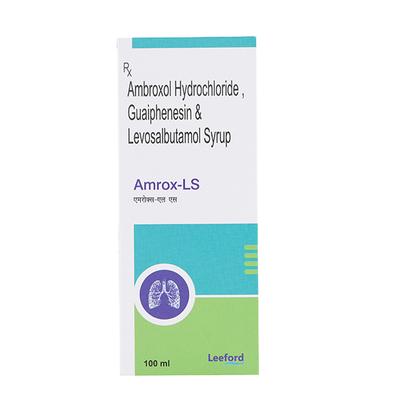
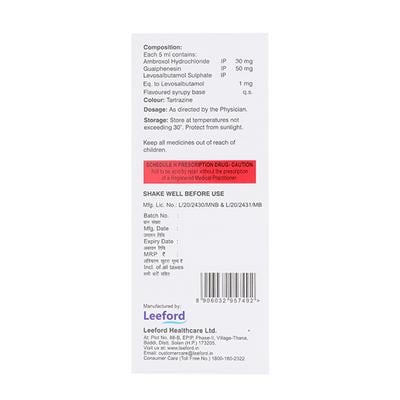
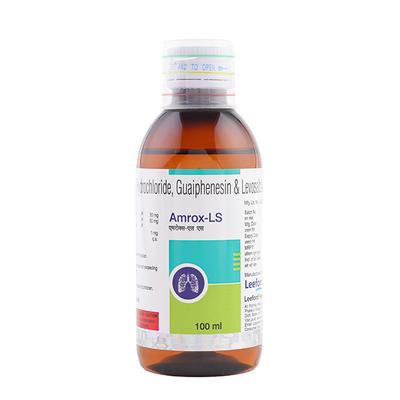
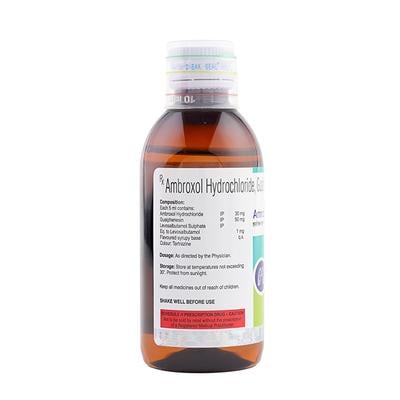
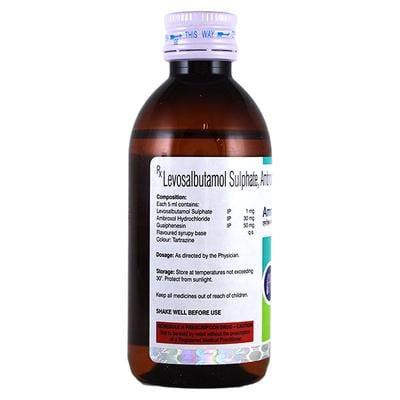
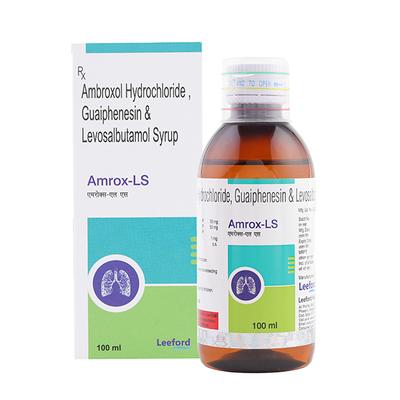
AMROX LS Syrup is a combination medicine containing Ambroxol , Levosalbutamol ,and Guaifenesin. It is commonly recommended by healthcare professionals for children experiencing cough accompanied by mucus, chest heaviness due to mucus accumulation, wheezing, and difficulty clearing respiratory secretions. The formulation is designed to support respiratory comfort and help maintain clearer air passages.
The active ingredients in Ambrox ls Syrup perform different but complementary functions. Ambroxol helps break down thick mucus, Guaifenesin assists in bringing respiratory secretions upward for easier removal, and Levosalbutamol helps open the airways by relaxing the surrounding muscles. Together, they support easier breathing and improved mucus movement within the respiratory tract.
This syrup is commonly prescribed for children who have cough with phlegm, mucus-related chest congestion, or respiratory symptoms associated with excess secretions. The suitability of this medicine depends on factors such as age, overall health status, and the nature of the symptoms being experienced.
Ambrox ls Syrup should be given according to the instructions provided by a healthcare professional. The amount and duration of use are determined based on the child's individual requirements. Caregivers should measure each dose carefully using the supplied measuring device and follow the recommended administration schedule.
Some individuals may experience nausea, vomiting, loose stools, indigestion, stomach discomfort, dry mouth, dry throat, headache, shaking of the hands (tremor), awareness of heartbeat (palpitations), faster heartbeat, or muscle cramps. These effects are usually mild and may not occur in everyone. Consult a healthcare professional if any symptom continues or becomes uncomfortable.
Uses Of AMROX LS SYRUP
It is used to manage:
• Productive cough associated with bronchospasm
• Bronchitis
• Bronchial asthma
• Conditions associated with tenacious mucus
• Wheezing
• Chest congestion
Benefits of AMROX LS SYRUP
Helps Relieve Wet Cough with Phlegm
Ambrox ls Syrup is commonly used for wet coughs accompanied by mucus or phlegm. It helps support the natural clearing of mucus from the respiratory tract, providing relief from cough-related discomfort.
Loosens and Clears Mucus
The syrup helps break down thick, sticky mucus, making it easier to expel. This supports the body's natural mucus clearance process and helps keep the airways cleaner.
Eases Chest Congestion
By helping move trapped mucus out of the airways, AMROX LS Syrup may reduce the feeling of heaviness and discomfort associated with chest congestion.
Supports Easier Breathing
The formulation helps promote better airflow through the respiratory passages, supporting more comfortable breathing during episodes of respiratory congestion.
Supports Respiratory Comfort During Seasonal Changes
Seasonal weather changes can sometimes lead to cough, mucus build-up, and respiratory discomfort. When prescribed by a healthcare professional, AMROX LS Syrup helps support respiratory comfort and daily wellness during such periods.
How AMROX LS SYRUP Works
Role of Ambroxol in Mucus Thinning
Ambroxol is a mucolytic agent that works by reducing the thickness and viscosity of respiratory secretions. This action supports easier movement of mucus through the respiratory passages.
Role of Levosalbutamol in Airway Relaxation
Levosalbutamol acts on the smooth muscles of the airways and supports their relaxation. This action helps maintain comfortable airflow through the respiratory tract.
Role of Guaifenesin in Secretion Movement
Guaifenesin is an expectorant that supports the movement of respiratory secretions by helping make mucus easier to expel through normal coughing mechanisms.
Combined Action of Ambroxol, Levosalbutamol, and Guaifenesin
The combination works through complementary mechanisms. Ambroxol supports mucus thinning, Levosalbutamol supports airway relaxation, and Guaifenesin supports secretion movement, providing comprehensive respiratory support in a single formulation.
How the Formulation Supports Respiratory Function
By supporting mucus mobility and airway comfort, the formulation contributes to the normal functioning of the respiratory passages and the body's natural secretion clearance processes.
How to use AMROX LS SYRUP
How to Take AMROX LS Syrup 60ml
- Give AMROX LS Syrup exactly as prescribed by the healthcare professional.
- The amount and duration of use may vary depending on the child's age and health condition.
- Follow the instructions mentioned on the prescription or product label.
Recommended Dosage
- Give only the prescribed dose.
- Do not increase, decrease, or skip doses without medical advice.
- Follow the dosage instructions carefully for appropriate use.
How to Measure the Syrup
- Use the measuring cup, spoon, or dosing device provided with the syrup.
- Measure the dose carefully before giving it to the child.
- Avoid using regular household spoons, as they may not provide an accurate dose.
Administration Guidance for Children
- Give the syrup according to the healthcare professional's instructions.
- Ensure the child takes the full measured dose.
- An adult caregiver should supervise administration whenever possible.
What if I forgot to take AMROX LS SYRUP
- Give the missed dose as soon as you remember.
- If it is almost time for the next dose, skip the missed dose and continue with the regular schedule.
- Do not give two doses at the same time.
Side Effects Of AMROX LS SYRUP
Common Side Effects
• Nausea or vomiting
• Diarrhoea
• Indigestion
• Heartburn
• Bloating
• Abdominal pain
• Dry mouth
• Dry throat
• Tremor
• Headache
• Tachycardia (increased heart rate)
• Palpitations
• Muscle spasms
When to consult a doctor:
• Signs of an allergic reaction such as rash, swelling, or difficulty breathing occur
How To Manage Side Effects

Diarrhea
- Stay Hydrated: Drink plenty of fluids such as water, ORS, or clear soups to avoid dehydration.
- Eat Light Foods: Prefer easily digestible foods like rice, bananas, toast, and curd (if tolerated).
- Avoid Irritating Foods: Stay away from spicy, oily, and dairy-heavy foods if symptoms worsen.
- Maintain Gut Health: Your doctor may advise probiotics to help restore normal intestinal flora.
- Seek Medical Advice: Contact your doctor if diarrhea is severe, persistent, or contains blood or mucus.

Nausea And Vomiting
- Keep Yourself Hydrated: Take small, frequent sips of water, ginger tea, or clear soups to control dehydration.
- Eat Light Foods: Choose simple, bland foods like toast, crackers, or plain rice that are easy on the stomach.
- Avoid Strong Smells and Spicy Foods: These may trigger or worsen nausea.
- Take Adequate Rest: Sit or lie down in a comfortable position and avoid sudden movements.
- Consult a doctor if Needed: Seek medical advice if nausea is severe, does not improve, or is accompanied by repeated vomiting, fever, blood, or dehydration.
Warning & Precautions

Pregnancy
ContraindicatedAmbrox ls Syrup is not recommended during pregnancy unless considered absolutely necessary by a healthcare professional. Consult your doctor before using this medicine.

Breastfeeding
ContraindicatedAmbrox ls Syrup is not recommended while breastfeeding unless specifically advised by a healthcare professional. Consult your doctor before using this medicine.

Driving and Using Machines
Use with CautionAmbrox ls Syrup may affect alertness or coordination in some individuals. Avoid driving, operating machinery, or performing activities requiring full attention until you know how this medicine affects you.

Kidney
Use with CautionAmbrox ls Syrup should be used with caution in individuals with kidney-related conditions. Consult your doctor before using this medicine.

Liver
Use with CautionAmbrox ls Syrup should be used with caution in individuals with liver-related conditions. Consult your doctor before using this medicine

Allergy
ContraindicatedDo not take this medicine if you are allergic to Ambroxol, Guaiphenesin, Levosalbutamol, or to any of the other ingredients of this medicine.

Use In Pediatrics
Consult your doctorAmbrox ls Syrup is intended for use in children when prescribed by a healthcare professional. The dosage should be administered according to medical advice.

Use In Geriatrics
Consult your doctorLimited information is available regarding the use of AMROX LS Syrup in elderly individuals. Use under medical supervision is recommended.
Drug - Drug interaction
Digitalis Glycosides
Interaction: Increased susceptibility to digitalis-induced cardiac arrhythmias may occur when potassium levels are reduced.
Effects: Higher risk of heart rhythm disturbances.
Management: Use with caution and follow healthcare professional advice, particularly in patients receiving digitalis therapy.
Aminophylline and Other Xanthine Medicines
Interaction: May enhance the potassium-lowering effect associated with β2-agonists.
Effects: Increased risk of low potassium levels (hypokalaemia).
Management: Caution is advised during concomitant use, especially in patients requiring long-term therapy.
Corticosteroids
Interaction: May increase the potassium-lowering effect when used together.
Effects: Greater likelihood of hypokalaemia.
Management: Healthcare professionals may monitor patients when these medicines are used concurrently.
Diuretics (Water Tablets)
Interaction: May enhance potassium loss when administered with β2-agonists.
Effects: Increased risk of hypokalaemia and associated complications.
Management: Use with caution and follow medical guidance regarding electrolyte monitoring.
Other Sympathomimetic Bronchodilators or Epinephrine
Interaction: Combined cardiovascular effects may occur when used together.
Effects: Increased cardiovascular stimulation and related adverse effects.
Management: Concurrent use is generally not recommended unless specifically advised by a healthcare professional.
Monoamine Oxidase (MAO) Inhibitors and Tricyclic Antidepressants
Interaction: May potentiate the vascular effects of salbutamol.
Effects: Enhanced cardiovascular and blood vessel-related effects.
Management: Use with caution and inform the healthcare professional about all antidepressant medications being taken.
Synopsis
|
Drug |
: |
Ambroxol, Guaiphenesin, Levosalbutamol |
|
Pharmacological Category |
: |
Mucolytics, Expectorant, Bronchodilator |
|
Therapeutic Indication |
: |
Used in the management of Cough with mucus |
|
Dosage Forms |
: |
Expectorant, Syrup,Liquid,drops |
More Information
1.How Does Respiratory Mucus Help Protect the Airways in Children?
The Natural Role of Respiratory Mucus
Respiratory mucus is a naturally produced substance that lines the airways. It helps keep the respiratory passages moist and supports the normal functioning of the respiratory system.
Trapping Dust and Airborne Particles
Mucus helps capture dust, environmental particles, and other substances that enter through the nose and mouth. This process supports the body's natural airway-cleaning mechanisms.
Supporting Airway Cleanliness
The respiratory tract continuously moves mucus upward through tiny hair-like structures called cilia. This movement helps maintain cleaner air passages and supports respiratory comfort.
Changes in Mucus During Respiratory Discomfort
During respiratory infections or seasonal respiratory discomfort, mucus production may increase and become thicker than usual. This can sometimes contribute to a feeling of chest congestion or mucus-related cough.
Why Understanding Mucus Matters for Parents and Caregivers
Learning about the role of mucus can help parents and caregivers better understand common respiratory symptoms in children and the importance of following healthcare professional guidance when respiratory discomfort occurs.
2.Why Do Children Experience Increased Mucus and Cough During Seasonal Changes?
Seasonal Changes Can Affect Children's Airways
Changes in weather, such as colder temperatures, increased humidity, or sudden shifts between seasons, may affect a child's respiratory system. This can sometimes lead to increased mucus production and coughing.
Mucus Is Part of the Body's Natural Defense System
The airways produce mucus to help trap dust, germs, and other particles that enter through breathing. This helps keep the respiratory passages clean and comfortable.
Respiratory Infections Are More Common During Certain Seasons
Children may be exposed to more respiratory infections during seasonal changes. These infections can be associated with symptoms such as cough, mucus build-up, and throat irritation.
Why Does Mucus Increase?
When the airways become irritated, the body may produce extra mucus. This additional mucus helps capture unwanted particles and supports the natural cleansing of the respiratory tract.
Why Do Children Cough More When Mucus Builds Up?
Coughing is one of the body's natural ways of moving mucus out of the airways. As mucus increases, children may cough more frequently to help clear their respiratory passages.
What Parents and Caregivers Should Know
Occasional increases in mucus and cough can occur during seasonal changes. Understanding these natural responses can help parents and caregivers better recognize common respiratory symptoms and seek medical advice when needed.
FAQs About AMROX LS SYRUP
Q. What is Ambrox LS Syrup used for?
A. Ambrox LS Syrup is commonly used to help relieve cough with mucus (wet cough) by making it easier to clear phlegm from the airways.
Q. How does Ambrox LS Syrup work?
A. It helps loosen and thin mucus, supports its removal from the airways, and promotes easier breathing.
Q. Can Ambrox LS Syrup help with a wet cough?
A. Yes. It is commonly used to help relieve wet cough associated with excess mucus in the respiratory tract.
Q. Can I take Ambrox LS Syrup with food?
A. Follow your healthcare professional's instructions regarding when and how to take the syrup. It may be taken as advised.
Q. How should I measure the correct dose of Ambrox LS Syrup?
A. Use the measuring cup, spoon, or oral syringe provided with the medicine to ensure the correct dose.
Q. What should I do if I miss a dose of Ambrox LS Syrup?
A. Take the missed dose as soon as you remember. If it is nearly time for your next dose, skip the missed dose and continue with your regular dosing schedule.
Q. Can I stop taking Ambrox LS Syrup once my cough improves?
A. Continue taking the syrup for the duration recommended by your healthcare professional.
Q. Why does coughing increase when mucus starts to loosen?
A. As mucus becomes thinner, coughing may help move it out of the airways more effectively.
Q. Why does mucus production increase during colds or seasonal changes?
A. Respiratory infections and seasonal weather changes can sometimes increase mucus production as part of the body's natural response.
Q. How should Ambrox LS Syrup be stored?
A. Store the syrup according to the instructions on the product label, away from heat and moisture, and keep the bottle tightly closed.
Q. When should I consult a healthcare professional while using Ambrox LS Syrup?
A. Consult a healthcare professional if your symptoms persist, worsen, or if you have any concerns about using the medicine.
References
1. KD. Tripathi. Drugs for cough and bronchial asthma. Essentials of Medical Pharmacology. Eighth Edition. 2019. Page-238, 240.
2. A A Zaitsev 1 2, I V Leshchenko 3 4 5, N A Esaulova 3 5, I A Viktorova 6 .[Evaluation of the efficacy and safety of a combination drug containing ambroxol, guaifenesin, and levosalbutamol versus a fixed-dose combination of bromhexine/guaifenesin/salbutamol in the treatment of productive cough in adult patients with acute bronchitis]. 2023 Apr. [Accessed date 01/07/2026] 
3. Kofarest-PD. Centaur Pharma. [Revised in January 2021]. [Accessed date 01/07/2026] 
4. Leeford. Amrox-LS Junior Syrup .[Accessed date 01/07/2026]
Useful Diagnostic Tests
Author Details