






Netmeds First Membership
Quick Links
Introduction About AMBRODIL S SYRUP
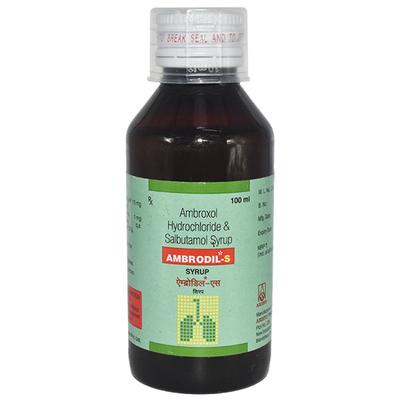
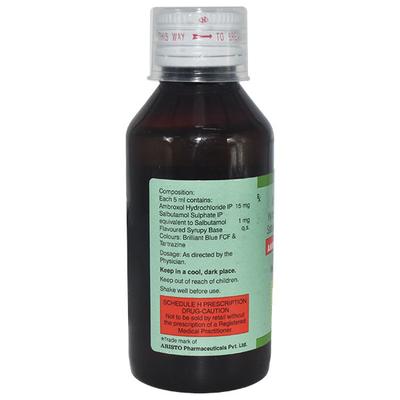
Ambrodil S Syrup 100 ml is a commonly prescribed respiratory syrup formulated for people experiencing cough associated with thick mucus and breathing discomfort. It contains a combination of Ambroxol (a mucolytic) and Salbutamol (a bronchodilator), which work together to loosen mucus and support smoother airflow in the lungs. This dual action helps reduces the feeling of chest heaviness caused by mucus buildup. It is often advised in respiratory conditions where mucus congestion and airway narrowing occur together.
This syrup is considered suitable for adults and children (as prescribed) who have productive cough, chest congestion, wheezing sensations, or breathing difficulty related to mucus. Ambrodil S Syrup is usually taken by mouth using a measuring cup or spoon, in the dose and frequency recommended by a healthcare professional. It can be taken with or without food, though taking it after meals may help reduce stomach discomfort. The bottle should be shaken well before each use, and doses should be taken at regular intervals for consistent effect.
Certain precautions should be followed while using Ambrodil S Syrup. Patients with heart disease, high blood pressure, diabetes, thyroid disorders, or kidney or liver problems should inform their doctor before use. Caution is also advised if the patient experiences dizziness, tremors, or restlessness, as these may affect activities requiring alertness such as driving. The syrup should not be used in individuals allergic to any of its ingredients.
Use during pregnancy should be considered only if the healthcare provider feels the expected benefits outweigh potential risks. For breastfeeding women, limited safety data is available, so medical advice is recommended before use. Common side effects may include nausea, vomiting, headache, dizziness, tremors, or palpitations, which are usually mild and temporary. If side effects persist, worsen, or unusual symptoms occur, prompt medical consultation is advised.
Uses Of AMBRODIL S SYRUP
- Relief of productive (wet) cough
- Loosens and thins mucus to make coughing easier
- Management of cough associated with bronchitis, bronchial asthma, chronic obstructive pulmonary disease (COPD)
- Respiratory tract infections with mucus and wheezing
- Helps in easing breathing by relieving bronchospasm
Benefits of AMBRODIL S SYRUP
Ambrodil S Syrup 100 ml for Mucus Loosening
Ambrodil S Syrup supports the breakdown of thick and sticky mucus in the airways. By making mucus thinner, it becomes easier to move and clear naturally. This helps reduce mucus buildup in the chest. Improved mucus flow supports more comfortable breathing. The action works gradually with regular use as advised.
Ambrodil S Syrup 100 ml for Airflow Improvement
Ambrodil S Syrup helps relax the muscles around the airways. This widening of the air passages allows air to move more freely in and out of the lungs. Improved airflow supports smoother breathing. This action is especially helpful when airway narrowing occurs along with mucus buildup. The combined effect enhances breathing comfort.
Ambrodil S Syrup 100 ml for Productive Cough Efficiency
A productive cough helps remove mucus from the airways. Ambrodil S Syrup supports this process by thinning mucus. Thinner mucus is easier to cough out with less effort. This improves the efficiency of coughing. Over time, the airways feel clearer and breathing becomes more comfortable.
How AMBRODIL S SYRUP Works
Role of Ambroxol in Mucus Breakdown
Ambroxol works by reducing the thickness and stickiness of mucus present in the airways. It helps break the bonds within dense mucus, making it thinner and easier to move. This action supports the natural clearing process of the respiratory tract. By improving mucus flow, Ambroxol helps keep the air passages clearer. This mechanism allows coughing to become more effective and less effort-intensive.
Action of Ambrodil S Syrup on Chest Congestion
Ambrodil S Syrup helps manage chest congestion by supporting mucus loosening and airway relaxation. As the mucus becomes thinner, it can be cleared more easily from the chest. At the same time, airway muscles relax, allowing better air movement. This combined action reduces the feeling of heaviness in the chest. Overall, it supports smoother breathing by improving mucus clearance and airflow.
How to use AMBRODIL S SYRUP
How to Take Ambrodil S Syrup 100 ml
- Take Ambrodil S Syrup exactly as prescribed by your doctor
- Measure the dose using a proper measuring cup or spoon
- It can be taken with or without food; taking it after food may reduce stomach discomfort
- Take the syrup at the same time each day for consistent effect
- Shake the bottle well before each use
- Do not take more than the recommended dose
- Do not stop taking it suddenly without consulting your doctor
- If you miss a dose, take it as advised by your healthcare provider
What if I forgot to take AMBRODIL S SYRUP
- Take the missed dose as soon as you remember
- If it is almost time for the next dose, skip the missed one
- Do not take a double dose to make up for the missed dose
- Continue with your regular dosing schedule
- If you miss doses often, inform your doctor
- Contact your healthcare provider if you are unsure what to do
Overdose
If someone accidentally takes more than the recommended amount of Ambrodil S Syrup 100 ml, seek medical advice immediately or visit the nearest healthcare facility.
Side Effects Of AMBRODIL S SYRUP
Common side effects of Ambrodil S Syrup
- Nausea (feeling sick)
- Vomiting
- Stomach upset or pain
- Diarrhoea
- Headache
- Dizziness
- Drowsiness or sleepiness
- Restlessness or nervousness
- Tremors (shakiness)
- Palpitations (awareness of heartbeat)
- Skin rash or itching (allergic)
- Hypersensitivity reactions
When to Seek Medical Attention?
Stop taking Ambrodil S Syrup and inform your doctor immediately if you experience any of the following side effects:
- Severe allergic reactions such as skin rash, itching, swelling of the face/lips/throat, or difficulty breathing
- Chest pain, very fast or irregular heartbeat, or strong palpitations
- Severe dizziness, fainting, or confusion
- Worsening breathing difficulty instead of relief
- Uncontrollable tremors or severe restlessness
- Side effects like nausea, vomiting, diarrhoea, or stomach pain become severe or persistent
- You develop persistent headache, nervousness, or sleep disturbance
How To Manage Side Effects

Dizziness Or Drowsiness
- Sit or lie down immediately: Rest in a safe position and avoid sudden movements. This helps prevent falls.
- Drink water or fluids: Dehydration is a common cause of dizziness. Sip water slowly or take oral rehydration fluids.
- Ginger: Ginger tea or a small piece of ginger can help ease dizziness and nausea in some people.
- Deep, slow breathing: Sit comfortably and take slow, deep breaths to help improve oxygen flow.
- Elevate your legs: Lying down with legs slightly raised can help improve blood flow to the brain.
- Eat light, balanced meals: Low blood sugar can cause dizziness. Small, frequent meals may help.
- Avoid sudden position changes: Stand up slowly from sitting or lying positions to prevent light-headedness.
- Limit caffeine and alcohol: These can worsen dizziness in some people.

Skin rash Or Itching
- Cold compress: Apply a clean, cold, damp cloth to the rash for 10–15 minutes. This helps reduce itching, redness, and swelling.
- Aloe vera gel: Apply fresh or pure aloe vera gel to calm irritation and support skin healing. Use 2–3 times daily.
- Oatmeal bath or paste: Finely ground oats mixed with water can help soothe itching and dryness. Apply gently or add to bath water.
- Coconut oil: Acts as a natural moisturizer and supports the skin barrier. Apply a thin layer on clean, dry skin.
- Calamine lotion: Helps reduce itching and discomfort, especially for allergic or heat-related rashes.
- Keep the area clean and dry: Wash gently with lukewarm water and mild, fragrance-free soap. Pat dry do not rub.
- Wear loose cotton clothing: Reduces friction and allows the skin to breathe, preventing further irritation.
Warning & Precautions

Pregnancy
Consult your doctorAmbrodil S Syrup 100 ml should be used during pregnancy only if the healthcare professional considers that the expected benefits justify any potential risk to the unborn baby. Self-medication during pregnancy is not advised.

Breastfeeding
Consult your doctorLimited information is available on the use of Ambrodil S Syrup during breastfeeding. It should be used only after medical advice, as some components may pass into breast milk.

Driving and Using Machines
Use with CautionThis medicine may cause dizziness, restlessness, or tremors in some individuals. If such symptoms occur, avoid driving, operating machinery, or performing tasks that require alertness.

Kidney
Use with CautionPatients with kidney problems should use Ambrodil S Syrup cautiously and only under medical supervision, as dose adjustments or monitoring may be required.

Liver
Use with CautionIndividuals with liver disorders should use this medicine with caution. Regular medical guidance is recommended to ensure safe use.

Allergy
ContraindicatedDo not use Ambrodil S Syrup if you are allergic to Ambroxol, Salbutamol, or any other ingredient present in the syrup. Seek immediate medical help if signs of an allergic reaction appear.

Lungs
Use with CautionPatients with severe asthma, acute breathing conditions, or excessive mucus production should use this medicine carefully and strictly under medical advice.

Heart Disease
Use with CautionAmbrodil S Syrup should be used with caution in patients with heart disease, irregular heartbeat, or high blood pressure. Medical supervision is important due to the heart-stimulating effects of Salbutamol.

Use In Pediatrics
Consult your doctorThe dose for children depends on age, body weight, and clinical condition. Ambrodil S Syrup should be given to children only when prescribed by a healthcare professional.

Use In Geriatrics
Consult your doctorThere is limited clinical data in patients aged 65 years and above. Elderly patients may require careful monitoring, and medical guidance is recommended before use.
Other Warnings for AMBRODIL S SYRUP
Before taking Ambrodil S Syrup 100 ml, inform your doctor if you have:
- A history of heart disease, irregular heartbeat, chest pain, or high blood pressure
- Diabetes, as this medicine may affect blood sugar control
- Thyroid disorders, especially overactive thyroid (hyperthyroidism)
- Seizure disorders or epilepsy
- Severe asthma or other serious breathing conditions
- Low potassium levels or conditions that may affect electrolyte balance
- A history of stomach ulcers or gastric irritation
- If you are taking other medicines, especially heart medicines, beta-blockers, diuretics, or other respiratory medicines
Safety Advice
- Use Ambrodil S Syrup only as prescribed by a healthcare professional
- Do not increase the dose or duration without medical advice
- Seek immediate medical help if signs of allergic reaction such as rash, swelling, or breathing difficulty occur
- The dose for children should be decided by a healthcare professional based on age and weight
- Store the syrup as directed and keep it out of reach of children
- Do not use the medicine after the expiry date
- Consult your doctor if symptoms do not improve or if side effects worsen
Diet and Lifestyle Advice
- Drink plenty of warm fluids such as water, soups, or herbal teas to help loosen mucus
- Avoid cold drinks and ice-cold foods, as they may worsen throat and chest discomfort
- Include light, easily digestible meals; avoid very oily, spicy, or heavy foods if stomach upset occurs
- Do not smoke and avoid second-hand smoke, as it can irritate the airways
- Take adequate rest and avoid overexertion until breathing feels comfortable
- Maintain good indoor air quality; avoid dust, strong fumes, and pollutants
- Use a humidifier or steam inhalation if advised, to ease airway irritation
- Follow proper sleep posture (slightly elevated head position) to reduce coughing at night
- Stick to the prescribed dosing schedule and avoid mixing with other cough or breathing medicines unless advised
- Monitor for side effects such as tremors or palpitations and inform your doctor if they persist
1. Ambrodil S Syrup 100 ml vs Bro-Zedex Syrup
|
Feature |
Ambrodil S Syrup 100 ml |
Bro-Zedex Syrup |
|
Primary Ingredients |
Ambroxol + Salbutamol |
Bromhexine + Guaiphenesin + Dextromethorphan |
|
Core Mechanism |
Mucus thinning + airway muscle relaxation |
Mucus thinning + mucus expulsion support + cough suppression |
|
Action on Mucus |
Helps break down thick, sticky mucus |
Helps loosen mucus and support its removal |
|
Effect on Airways |
Supports airway widening for improved airflow |
Does not directly relax airway muscles |
|
Cough Action |
Supports productive cough efficiency |
Helps suppress frequent or irritating cough |
|
Wheezing Sensation |
Helps ease wheezing by supporting airflow |
Not primarily focused on wheezing relief |
|
Sedation Potential |
Generally non-sedating |
May cause mild drowsiness in some individuals |
|
Suitable When |
Cough is associated with mucus and airway tightness |
Cough is frequent with mucus irritation |
|
Prescription Use |
Used under medical guidance |
Used under medical guidance |
2. Ambrodil S Syrup 100 ml vs Grilinctus-LS Syrup 100 ml
|
Feature |
Ambrodil S Syrup 100 ml |
Grilinctus-LS Syrup 100 ml |
|
Active Ingredients |
Ambroxol + Salbutamol |
Ambroxol + Levosalbutamol + Guaifenesin |
|
Mechanism of Action |
Mucus thinning + bronchodilation (airway muscle relaxation) |
Mucus thinning + bronchodilation + expectorant action to help clear mucus |
|
Mucus Clearance |
Helps thin mucus for easier cough |
Thins and reduces stickiness of mucus and helps move it out of airways |
|
Airway Effect |
Supports airway widening for airflow improvement |
Relaxes airway muscles for airflow plus expectorant action supports mucus removal |
|
Cough Focus |
Mainly for productive cough with thick mucus |
For productive cough and may improve mucus removal efficiency |
|
Expectorant Action |
Not included |
Yes Guaifenesin helps thin and clear mucus |
|
Typical Use Case |
Respiratory conditions with chest congestion and wheezing |
Respiratory conditions with mucus buildup needing enhanced clearance |
Drug - Drug interaction
1. Interaction with Beta-Blockers (e.g., Propranolol, Atenolol)
- Interaction: Beta-blockers may reduce the airway-relaxing effect of Salbutamol, leading to reduced breathing support.
- Management: Use together only if advised by a doctor. Monitoring of breathing response may be required.
2. Interaction with Diuretics (Water Tablets)
- Interaction: Diuretics may increase the risk of low potassium levels when used with Salbutamol.
- Management: Potassium levels may need monitoring. Inform your doctor if you experience muscle weakness or cramps.
3. Interaction with Other Bronchodilators or Sympathomimetics
- Interaction: Using multiple bronchodilators together may increase the risk of tremors, restlessness, or increased heart rate.
- Management: Combination should be used only under medical supervision. Dose adjustment may be required.
4. Interaction with Heart Medicines (e.g., Digoxin)
- Interaction: Salbutamol may alter heart rhythm or reduce digoxin levels in some patients.
- Management: Heart function and medicine levels may be monitored. Inform your doctor if palpitations occur.
5. Interaction with Monoamine Oxidase Inhibitors (MAOIs) or Tricyclic Antidepressants
- Interaction: These medicines may enhance the heart-stimulating effects of Salbutamol.
- Management: Cautious use is advised. Close monitoring of heart rate and blood pressure may be required.
6. Interaction with Cough Suppressants
- Interaction: Cough suppressants may interfere with mucus clearance supported by Ambroxol.
- Management: Avoid combining unless specifically prescribed. Follow your doctor’s instructions carefully.
Drug - Food interaction
1. Interaction with Caffeinated Drinks (Tea, Coffee, Energy Drinks)
- Interaction: Caffeine may increase the stimulant effects of Salbutamol, such as restlessness, tremors, or a fast heartbeat.
- Management: Limit caffeine intake while taking the syrup. If symptoms like shakiness or palpitations occur, reduce or avoid caffeinated drinks.
2. Interaction with Heavy or Spicy Foods
- Interaction: Heavy, oily, or spicy foods may worsen stomach upset, nausea, or acidity in some individuals.
- Management: Prefer light, easily digestible meals. Taking the syrup after food may help reduce stomach discomfort.
3. Interaction with Cold Foods and Drinks
- Interaction: Very cold foods or drinks may irritate the throat and airways, which can affect comfort during respiratory symptoms.
- Management: Choose warm or room-temperature fluids to support throat comfort and mucus movement.
4. Interaction with Potassium-Poor Diet
- Interaction: Salbutamol may lower potassium levels slightly, and a diet low in potassium may increase this effect.
- Management: Maintain a balanced diet that includes potassium-rich foods like bananas, oranges, and leafy vegetables, unless otherwise advised by a doctor.
Synopsis
|
Drug |
Ambroxol, Salbutamol |
|
Pharmacological Category |
Mucolytic, Bronchodilators |
|
Therapeutic Indication |
Productive (wet) cough |
|
Dosage Forms |
Syrup |
More Information
Storage
- Store at room temperature
- Keep out of reach of children
FAQs About AMBRODIL S SYRUP
Q: What is Ambrodil S Syrup 100 ml used for?
A: Ambrodil S Syrup is commonly prescribed to help relieve cough associated with mucus buildup. It works by thinning thick mucus and helping open the airways. This makes breathing easier and cough more productive. It is usually advised in conditions involving chest congestion. Always use it as directed by a doctor.
Q: How should I take Ambrodil S Syrup?
A: Take Ambrodil S Syrup exactly as prescribed by your doctor. It is usually taken with a measuring cup or spoon. The dose depends on age and medical condition. It can be taken with or without food. Do not exceed the recommended dose.
Q: Can Ambrodil S Syrup be taken with food?
A: Yes, Ambrodil S Syrup can be taken with food. Taking it after meals may reduce stomach discomfort. Follow the dosing schedule given by your healthcare provider. Do not mix it with other medicines unless advised. Maintain regular timing for best results.
Q: What are the common side effects of Ambrodil S Syrup?
A: Some people may experience nausea, vomiting, headache, or dizziness. Tremors or restlessness may also occur in a few individuals. These effects are usually mild and temporary. Most side effects improve as the body adjusts. Consult a doctor if they persist.
Q: Can Ambrodil S Syrup cause drowsiness?
A: Ambrodil S Syrup may cause dizziness or mild drowsiness in some people. Not everyone experiences this effect. If you feel sleepy or dizzy, avoid activities requiring alertness. Effects usually improve with time. Inform your doctor if symptoms persist.
Q: Can Ambrodil S Syrup affect the heart?
A: Ambrodil S Syrup may increase heart rate or cause palpitations in some individuals. Patients with heart disease should use it cautiously. Inform your doctor about any heart-related history. Regular monitoring may be advised. Seek help if chest discomfort occurs.
Q: Can people with high blood pressure take Ambrodil S Syrup?
A: Patients with high blood pressure should use Ambrodil S Syrup carefully. It may slightly affect heart rate or blood pressure. Medical supervision is important. Inform your doctor before starting the medicine. Do not skip follow-ups.
Q: Is Ambrodil S Syrup safe for people with diabetes?
A: Ambrodil S Syrup should be used cautiously in people with diabetes. It may influence blood sugar levels in some cases. Regular monitoring is advised. Inform your doctor about your diabetes. Follow dietary and medicine instructions strictly.
Q: Can Ambrodil S Syrup cause allergic reactions?
A: Allergic reactions are rare but possible. Symptoms may include rash, itching, swelling, or breathing difficulty. Stop using the medicine if these occur. Seek immediate medical help. Do not use if you are allergic to its ingredients.
Q: Can Ambrodil S Syrup be taken with other cough medicines?
A: Do not combine Ambrodil S Syrup with other cough or breathing medicines without advice. Combining medicines may increase side effects. Always inform your doctor about other medicines you take. Follow prescribed combinations only. Avoid self-mixing drugs.
Q: What should I do if I miss a dose?
A: If you miss a dose, take it as soon as you remember. If it is close to the next dose, skip the missed one. Do not double the dose. Follow your regular schedule. If unsure, consult your doctor.
Q: Can Ambrodil S Syrup be used long-term?
A: Ambrodil S Syrup is usually prescribed for a limited duration. Long-term use should only be under medical supervision. Prolonged use without advice is not recommended. Follow the prescribed course strictly. Consult your doctor for reassessment.
Q: Does Ambrodil S Syrup interact with other medicines?
A: Yes, it may interact with heart medicines, beta-blockers, or diuretics. Always inform your doctor about all medicines you are taking. This helps prevent unwanted effects. Never hide medication history. Safe use depends on proper disclosure.
Q: Can Ambrodil S Syrup cause stomach upset?
A: Some people may experience nausea, vomiting, or stomach discomfort. Taking it after food may help. These effects are usually mild. If symptoms persist, consult your doctor. Avoid spicy or heavy meals if discomfort occurs.
Q: Can Ambrodil S Syrup be stopped once I feel better?
A: Do not stop Ambrodil S Syrup without consulting your doctor. Symptoms may improve before the course is complete. Stopping early may reduce effectiveness. Always follow medical advice. Discuss any concerns with your healthcare provider.
References
1. KD. Tripathi. Drugs for cough and bronchial asthma. Essentials of Medical Pharmacology. Eighth Edition. 2019. Page – 238, 240.
2. Aristo Pharmaceuticals Pvt Ltd. Ambrodil S Syrup 100ml. [Accessed on 4th February 2026] 
3. Ahmad Kantar, Ludger Klimek, Dorotheea Cazan, Annette Sperl, Ulrike Sent, Margarida Mesquita. An overview of efficacy and safety of ambroxol for the treatment of acute and chronic respiratory diseases with a special regard to children. PubMed Central. NIH. National Library of Medicine. [Revised in March 2020] [Accessed on 9th February 2026] 
Author Details