







Netmeds First Membership
Introduction About ALTHROCIN 500MG TABLET
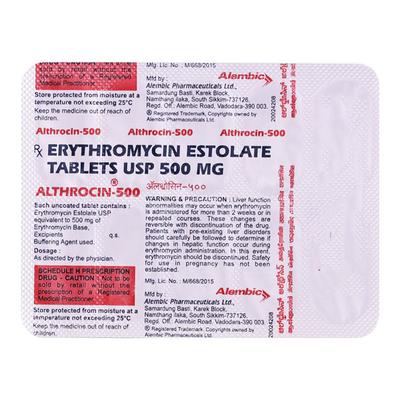
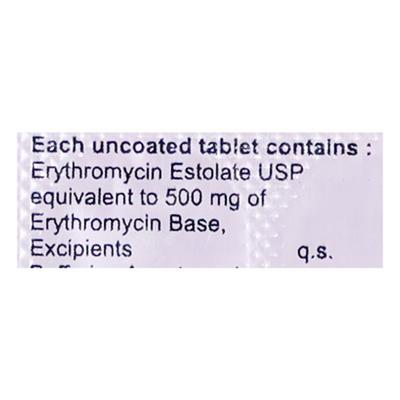
Althrocin 500mg Tablet is an antibiotic medicine containing Erythromycin 500 mg as its active ingredient. Erythromycin belongs to the macrolide group of antibiotics and is prescribed by doctors for selected bacterial infections, depending on the type of infection and the susceptibility of the bacteria. It works by interfering with bacterial protein production, which is essential for bacterial growth and activity.
Erythromycin acts on bacterial ribosomes, specifically the 50S ribosomal subunit, to inhibit protein synthesis in susceptible bacteria. This action helps limit bacterial growth and supports the body's response to certain bacterial infections. The effectiveness of the medicine depends on factors such as the bacterial species, its susceptibility to erythromycin, and the clinical condition being assessed.
Althrocin 500mg Tablet may be prescribed following an individual medical evaluation. Its suitability depends on the nature of the infection, the patient's age, medical history, existing health conditions, allergies, and other medicines being taken. Patients should inform their doctor about any underlying medical conditions and previously experienced reactions to antibiotics before using this medicine.
Althrocin 500mg Tablet is intended for oral administration and should be taken according to the doctor's prescription and the instructions provided with the specific formulation. The recommended dose, frequency, and duration depend on individual clinical requirements. Patients should follow the prescribed instructions carefully and avoid changing the dose or stopping the prescribed course without consulting their doctor.
Some individuals may experience side effects such as nausea, vomiting, abdominal discomfort, or diarrhoea while taking Althrocin 500mg Tablet. The occurrence and severity of these effects may vary between individuals. Severe or persistent diarrhoea, signs of an allergic reaction, or other unusual symptoms warrant prompt medical assessment.
Uses Of ALTHROCIN 500MG TABLET
It is used in the management of:
- Upper respiratory tract infections
- Lower respiratory tract infections
- Listeriosis
- Respiratory infections caused by Mycoplasma pneumoniae
- Skin and skin structure infections
- Pertussis (whooping cough)
- Diphtheria
- Erythrasma
- Intestinal amebiasis
- Acute pelvic inflammatory disease caused by Neisseria gonorrhoeae in selected patients
- Infections caused by Chlamydia trachomatis
- Nongonococcal urethritis caused by Ureaplasma urealyticum
- Primary syphilis in selected patients
- Legionnaires’ disease
- Reducing the Risk of initial attacks of rheumatic fever in penicillin-allergic patients
- Long-term reduction in the risk of recurrent rheumatic fever attacks in selected patients.
Benefits of ALTHROCIN 500MG TABLET
Helps Manage Susceptible Bacterial Infections
Contains erythromycin, a macrolide antibiotic that acts against certain bacteria susceptible to its activity.
Supports Management of Selected Respiratory Infections
May be prescribed for specific bacterial respiratory tract infections, depending on bacterial susceptibility and medical assessment.
Supports Management of Certain Skin Infections
May be recommended for selected bacterial skin and soft tissue infections when erythromycin is an appropriate antibiotic option.
Provides an Option for Certain Ear, Nose, and Throat Infections
May be prescribed for specific bacterial ear, nose, and throat infections caused by susceptible organisms.
Acts Against Susceptible Bacteria
Interferes with bacterial protein synthesis, limiting bacterial growth in susceptible organisms
How ALTHROCIN 500MG TABLET Works
Inhibition of Bacterial Protein Synthesis
Althrocin 500mg Tablet contains erythromycin, a macrolide antibiotic that acts on bacterial ribosomes. It binds to the 50S ribosomal subunit and interferes with protein synthesis, which bacteria require for growth and cellular activity.
Binding to the 50S Ribosomal Subunit
Erythromycin binds to the 50S subunit of susceptible bacterial ribosomes, particularly involving the 23S ribosomal RNA. This interaction disrupts the normal process of bacterial protein production.
Interference with Peptide-Chain Elongation
Erythromycin interferes with the elongation of growing peptide chains during protein synthesis. This limits the production of proteins required for normal bacterial growth and function.
Inhibition of Bacterial Growth
By disrupting protein synthesis, erythromycin generally inhibits the growth of susceptible bacteria. Its activity depends on the bacterial species, antibiotic susceptibility, and drug concentration.
How to use ALTHROCIN 500MG TABLET
How to Take:
- Swallow Althrocin 500mg Tablet whole with a glass of water.
- Do not crush or chew the tablet unless advised by your doctor or pharmacist.
When to Take:
- Take the tablet according to your doctor's instructions and the food-related directions provided in the product leaflet.
Recommended Dosage:
- Take Althrocin 500mg Tablet exactly as prescribed by your doctor.
- Follow the recommended dose and dosing intervals. Do not take more than the prescribed dose.
Missed Dose:
- Take the missed dose when you remember, unless it is nearly time for your next dose.
- If it is nearly time for your next dose, skip the missed dose and continue with your regular schedule.
- Never take two doses together to make up for a missed dose.
Duration of Use:
- Complete the prescribed course as directed by your doctor.
- Do not stop taking the medicine early or extend its use without consulting your doctor.
Side Effects Of ALTHROCIN 500MG TABLET
Common Side Effects:
- Nausea
- Vomiting
- Diarrhea
- Stomach pain or abdominal cramps
- Loss of appetite
When to consult a doctor:
- Liver problems
- Unusual tiredness
- Muscle weakness
- Neurological disturbances
- Blurred vision
- Drooping eyelids
- Hearing loss
- Severe dizziness
- Fainting
- Fast or irregular heartbeat
- Severe or persistent diarrhea
- Oral thrush
- Vaginal yeast infection
- Allergic reactions
How To Manage Side Effects

Diarrhea
- Stay Hydrated: Drink plenty of water and oral rehydration solution (ORS) to replace lost fluids and electrolytes.
- Eat Light Meals: Choose easily digestible foods such as rice, bananas, toast, and plain potatoes.
- Avoid Trigger Foods: Limit spicy, oily, fatty foods, caffeine, and dairy products if they worsen diarrhea.
- Eat Small, Frequent Meals: Have smaller portions throughout the day to support digestion.
- Seek Medical Advice: Consult your doctor if diarrhea is severe, persistent, bloody, or accompanied by fever or signs of dehydration.

Nausea And Vomiting
- Eat Small, Frequent Meals: Eat smaller meals at regular intervals to help ease nausea.
- Avoid Greasy Foods: Limit oily, spicy, or rich foods that may aggravate nausea.
- Sip Fluids Regularly: Drink water or clear fluids in small amounts throughout the day.
- Rest After Meals: Sit upright after eating and avoid strenuous activity immediately after meals.
- Seek Medical Advice: Consult your doctor if nausea persists, becomes severe, or interferes with eating and drinking.
Warning & Precautions

Pregnancy
Consult your doctorAlthrocin 500mg Tablet should be used during pregnancy only under your doctor’s guidance after assessing the potential risks and benefits. Inform your doctor if you are pregnant before taking this medicine.

Breastfeeding
Use with CautionAlthrocin 500mg Tablet passes into breast milk. Use this medicine with caution during breastfeeding under your doctor’s guidance. Consult your doctor before taking this medicine.

Driving and Using Machines
Use with CautionIf you experience severe dizziness, fainting, or other symptoms that affect alertness while taking Althrocin 500mg Tablet, avoid driving or operating machinery and seek medical advice.

Alcohol
Consult your doctorConsult your doctor about alcohol consumption while taking Althrocin 500mg Tablet, particularly if you experience dizziness or stomach-related side effects.

Kidney
Use with CautionAlthrocin 500mg Tablet should be used with caution in patients with kidney disease. Older adults with reduced kidney function may have an increased risk of certain adverse effects, including hearing loss. Consult your doctor before taking this medicine.

Liver
Use with CautionAlthrocin 500mg Tablet should be used with caution in patients with liver disease. Inform your doctor if you have a history of liver problems and seek medical advice if you develop yellowing of the skin or eyes, dark urine, or persistent nausea.

Allergy
ContraindicatedDo not take Althrocin 500mg Tablet if you are allergic to erythromycin, other macrolide antibiotics such as azithromycin or clarithromycin, or any of the tablet’s ingredients. Consult your doctor before taking this medicine.

Heart Disease
Use with CautionAlthrocin 500mg Tablet should be used with caution in individuals with heart-related conditions, including heart failure, slow heartbeat, or a history of QT prolongation. Inform your doctor if you have low potassium or magnesium levels or a family history of QT prolongation or sudden cardiac arrest. Consult your doctor before taking this medicine.

Use In Pediatrics
Consult your doctorAlthrocin 500mg Tablet should be given to children only under your doctor’s guidance. Erythromycin has been associated with infantile hypertrophic pyloric stenosis in newborns. Contact your doctor if an infant develops vomiting or irritability during feeding while receiving this medicine.

Use In Geriatrics
Monitoring requiredOlder adults may be more sensitive to Althrocin 500mg Tablet, particularly regarding hearing loss and heart rhythm disturbances. Individuals with reduced kidney or liver function may require careful medical supervision.
Other Warnings for ALTHROCIN 500MG TABLET
Before Taking Althrocin 500mg Tablet, Inform Your Doctor If You Have:
- Myasthenia gravis
- Low potassium or magnesium level.
Drug - Drug interaction
Colchicine (e.g., colchicine)
Interaction: Erythromycin Tablets may increase colchicine levels in the body when taken together.
Effects: This may cause serious or potentially life-threatening colchicine toxicity.
Management: Inform your doctor if you are taking colchicine before starting Erythromycin Tablets.
Statins (e.g., simvastatin, lovastatin, atorvastatin)
Interaction: Erythromycin Tablets may increase the levels of certain statins in the blood.
Effects: This may increase the risk of muscle damage, including rhabdomyolysis, which can sometimes affect kidney function.
Management: Consult your doctor before combining Erythromycin Tablets with statins. Your doctor may adjust your medication or monitor you for adverse effects.
Calcium Channel Blockers (e.g., verapamil, amlodipine, diltiazem)
Interaction: Erythromycin Tablets may increase the effects of certain calcium channel blockers.
Effects: This may increase the risk of low blood pressure (hypotension).
Management: Inform your doctor if you are taking calcium channel blockers before starting Erythromycin Tablets.
Heart Rhythm Medicines (e.g., amiodarone, quinidine, sotalol, dofetilide, procainamide, propafenone)
Interaction: Erythromycin Tablets may interact with medicines that affect the electrical activity of the heart.
Effects: The combination may increase the risk of QT prolongation and potentially serious irregular heart rhythms.
Management: Inform your doctor about all heart medicines you take before using Erythromycin Tablets.
Digoxin
Interaction: Erythromycin Tablets may increase digoxin levels in the blood.
Effects: Increased digoxin levels may raise the risk of digoxin-related adverse effects.
Management: Consult your doctor before taking these medicines together. Your doctor may monitor digoxin levels when necessary.
Antifungal Medicines (e.g., itraconazole, ketoconazole)
Interaction: Certain antifungal medicines may affect the breakdown and removal of erythromycin from the body.
Effects: This may increase the risk of side effects or heart rhythm disturbances.
Management: Inform your doctor if you are taking antifungal medicines before starting Erythromycin Tablets.
Antiepileptic Medicines (e.g., carbamazepine, phenytoin)
Interaction: These medicines may interact with erythromycin and alter the levels or effects of one or both medicines.
Effects: The interaction may affect medicine effectiveness or increase the risk of adverse effects.
Management: Consult your doctor before combining Erythromycin Tablets with antiepileptic medicines.
Benzodiazepines (e.g., midazolam, triazolam)
Interaction: Erythromycin Tablets may slow the breakdown of certain benzodiazepines.
Effects: This may increase or prolong their effects, including excessive sedation.
Management: Inform your doctor if you take medicines for anxiety, sleep, or sedation.
Ergot Alkaloids (e.g., ergotamine, dihydroergotamine)
Interaction: Erythromycin Tablets may increase exposure to certain ergot medicines.
Effects: This may cause serious ergot-related toxicity.
Management: Inform your doctor if you take ergot-containing medicines. These combinations may need to be avoided.
Medicines for Erectile Dysfunction or Pulmonary Hypertension (e.g., sildenafil, tadalafil)
Interaction: Erythromycin Tablets may increase the levels of certain medicines in this category.
Effects: This may increase the risk of adverse effects, including low blood pressure.
Management: Consult your doctor before taking these medicines together.
Other Medicines (e.g., bromocriptine, eletriptan, vinblastine)
Interaction: Erythromycin Tablets may affect the breakdown of certain medicines and alter their blood levels.
Effects: This may increase the risk of side effects or change their intended effects.
Management: Inform your doctor about all prescription medicines, over-the-counter products, and supplements you use before starting Erythromycin Tablets.
Synopsis
|
Drug |
Erythromycin |
|
Pharmacological Category |
Macrolide Antibiotic |
|
Therapeutic Indication |
Used for the management of susceptible bacterial infections, including respiratory tract infections, skin and soft tissue infections, and certain other infections as prescribed by the doctor. |
|
Dosage Forms |
Tablet, Capsule, Oral Suspension, Syrup, Oral drops, Liquid, Injection, Cream, Gel, Ointment |
More Information
1. How Antimicrobial Resistance Is Making Responsible Erythromycin Use More Important?
Understanding Antimicrobial Resistance
Antimicrobial resistance occurs when bacteria develop the ability to survive exposure to medicines that previously acted against them. It is an important public health concern that can make bacterial infections more difficult to manage.
Importance of Appropriate Antibiotic Use
Erythromycin is a macrolide antibiotic used for selected bacterial infections. Using antibiotics only when prescribed and following the recommended instructions supports responsible antibiotic use.
Why Antibiotics Are Not Suitable for Viral Infections
Antibiotics such as erythromycin act against susceptible bacteria and do not work against viruses that cause illnesses such as the common cold. Medical assessment helps determine whether an antibiotic is appropriate.
Role of Antibiotic Stewardship
Antibiotic stewardship promotes the appropriate selection, use, and monitoring of antibiotics. Patients can support these efforts by avoiding self-medication, not sharing antibiotics, and following their doctor's instructions.
FAQs About ALTHROCIN 500MG TABLET
Q: What is Althrocin 500mg Tablet used for?
A: Althrocin 500mg Tablet contains erythromycin, an antibiotic prescribed for selected bacterial infections.
Q: How does Althrocin 500mg Tablet work?
A: Erythromycin interferes with bacterial protein synthesis, limiting the growth of susceptible bacteria.
Q: Can I take Althrocin 500mg Tablet for a common cold?
A: No. Antibiotics such as erythromycin do not work against viruses that cause the common cold.
Q: How should I take Althrocin 500mg Tablet?
A: Take it according to your doctor's instructions and the directions provided in the product leaflet.
Q: What are the common side effects of Althrocin 500mg Tablet?
A: Possible side effects include nausea, vomiting, abdominal discomfort, and diarrhoea.
Q: What should I do if I miss a dose?
A: Follow the missed-dose instructions in the patient leaflet or consult your doctor or pharmacist. Do not double the next dose.
Q: Can I stop taking Althrocin 500mg Tablet when I feel better?
A: Follow your doctor's prescribed course and seek advice before making any changes.
Q: Can Althrocin 500mg Tablet interact with other medicines?
A: Yes. Inform your doctor about all medicines and supplements you take because erythromycin can interact with several medicines.
Q: Can I take Althrocin 500mg Tablet during pregnancy?
A: Consult your doctor before taking this medicine during pregnancy or breastfeeding.
Q: What should I do if my symptoms worsen?
A: Contact your doctor promptly if symptoms worsen or do not improve as expected.
Q: Why should I use Althrocin 500mg Tablet only as prescribed?
A: Appropriate antibiotic use helps limit unnecessary antibiotic exposure and supports efforts to address antimicrobial resistance.
References
1. Syed Asim Ali Shah 1, Muhammad Nadeem 2, Muzamil Jameel 1, Rifat Yasmin 1, Anum Afsar 1, Faiza Riaz 1. Oral Erythromycin Improves the Quality of Endoscopy in Upper Gastrointestinal Bleeding Patients. NIH National Library of Medicine, National Center for Biotechnology Information [Accessed on 29th October 2026] 
2. Kaiser Foundation Health Plan. erythromycin stearate 500 mg tablet . [Accessed on 29th October 2026] 
3. Arbor Pharmaceuticals.ERYTHROMYCIN TABLET. [Revised date 12/2018] [Accessed on 29th October 2026].