






Netmeds First Membership
Quick Links
Introduction About ALLEGRA 120MG TABLET
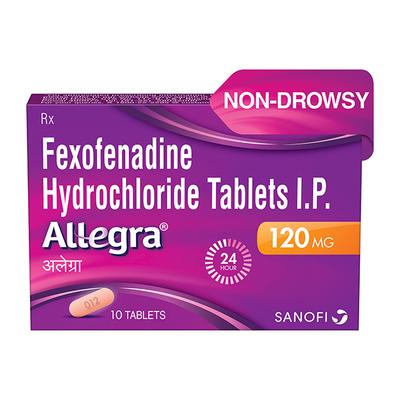
Allegra 120mg Tablet is an oral antihistamine formulation commonly included in medical care plans designed to support relief from allergy-related symptoms. It is especially considered in individuals experiencing seasonal or environmental allergies, where managing symptoms such as sneezing, runny nose, or itching is important for daily comfort. The tablet works by blocking the action of histamine, a substance in the body that triggers allergic responses, thereby helping maintain symptom control and improving overall quality of life. Regular use as advised may support better day-to-day functioning in individuals with allergies.
This tablet is generally considered suitable for adults and adolescents who require consistent management of allergy symptoms under medical guidance. It is often recommended in situations where non-drowsy relief is preferred. Allegra Tablet is for oral use only and is usually taken once daily at the same time each day. It should be swallowed with water, preferably before meals or as directed by a healthcare professional. Consistency in timing and dosage is important to achieve optimal results.
While using Allegra 120mg Tablet, certain precautions and directions for use should be followed. It is advisable to avoid taking the tablet with fruit juices such as grapefruit, orange, or apple juice, as they may reduce its effectiveness. Inform your doctor about all medications and supplements you are taking, as interactions may occur. Maintain adequate hydration and follow recommended usage instructions.
Allegra Tablet should be used cautiously in individuals with kidney conditions or those with a history of hypersensitivity to antihistamines. Use during pregnancy or breastfeeding should only be considered after consulting a healthcare professional. Common side effects may include mild headache, dizziness, or nausea. If any unusual or severe reactions occur, medical attention is recommended.
Uses Of ALLEGRA 120MG TABLET
- Used to relieve symptoms of seasonal allergic rhinitis
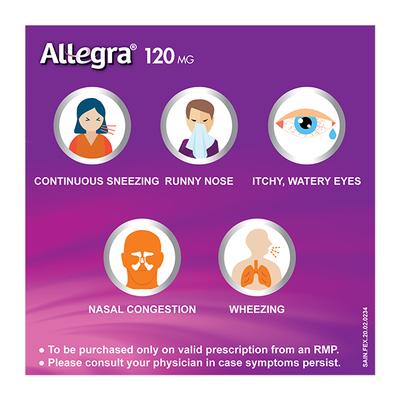
- Help reduce sneezing, runny nose, and nasal irritation
- Provides relief from itchy and watery eyes
- Used to manage skin-related allergic conditions such as urticaria
Benefits of ALLEGRA 120MG TABLET
Allegra 120mg Tablet for Allergy Symptom Relief
Allegra 120mg Tablet is designed to support relief from common allergy symptoms such as sneezing, runny nose, and itching. It helps improve daily comfort by reducing the body’s allergic response.
Allegra 120mg Tablet for Non-Drowsy Comfort
The tablet is known for providing allergy relief without causing significant drowsiness. This allows individuals to continue daily activities with minimal disruption.
Allegra 120mg Tablet for Skin Allergy Support
It is often used in individuals experiencing skin allergies like hives, helping reduce itching and irritation when taken as advised.
Allegra 120mg Tablet for Long-Term Allergy Management
With consistent and guided use, the tablet helps maintain stable control over recurring allergy symptoms, supporting better quality of life.
How ALLEGRA 120MG TABLET Works
How Allegra 120mg Tablet Works in the Body
Allegra 120mg Tablet contains Fexofenadine, which works by blocking histamine receptors in the body. This action helps reduce allergic symptoms effectively.
Action of Fexofenadine on Histamine
Fexofenadine selectively blocks H1 receptors, preventing histamine from causing symptoms like swelling, itching, and nasal irritation.
How the Tablet Supports Symptom Control
By limiting histamine activity, Allegra 120mg Tablet helps maintain comfort and reduces the intensity of allergic reactions.
How to use ALLEGRA 120MG TABLET
- Take the tablet exactly as prescribed by your healthcare professional.
- Swallow it whole with water; do not crush or chew.
- Take it at the same time every day for consistent effect.
- Prefer taking it before meals for better absorption.
- Do not exceed the recommended dose.
- Avoid taking with fruit juices unless advised.
What if I forgot to take ALLEGRA 120MG TABLET
- Take the missed dose as soon as you remember.
- If it is close to the next dose, skip the missed one.
- Do not double the dose to compensate.
- Continue your regular schedule as advised.
- Consult your doctor if multiple doses are missed.
Overdose
If more than the prescribed amount is taken, seek immediate medical attention. Overdosage may increase the risk of side effects such as dizziness or drowsiness.
Side Effects Of ALLEGRA 120MG TABLET
Common
Common side effects of Allegra 120mg Tablet
- Headache
- Dizziness
- Nausea
- Dry mouth
- Mild fatigue
When to Seek Medical Attention?
Stop using Allegra 120mg Tablet and contact your doctor immediately if you experience
- Severe allergic reactions
- Difficulty breathing
- Swelling of face, lips, or throat
- Persistent dizziness
- Irregular heartbeat
How To Manage Side Effects

Dry Mouth
- Stay Well Hydrated: Sip water frequently throughout the day to keep your mouth moist. Carry a water bottle and take small sips regularly.
- Sugar-Free Lozenges or Gum: Chewing sugar-free gum or sucking on lozenges can stimulate saliva production and reduce dryness.
- Natural Saliva Stimulation: Sucking on a slice of lemon or citrus fruit (if tolerated) may help trigger saliva flow. Avoid if it causes irritation.
- Coconut Oil Pulling: Swish a small amount of coconut oil in your mouth for a few minutes to help soothe dryness and support oral comfort.
- Maintain Good Oral Hygiene: Brush gently twice daily and use an alcohol-free mouthwash to prevent further dryness and irritation.
- Use a Humidifier: Adding moisture to the air, especially at night, can help prevent dryness in the mouth and throat.
- Avoid Dehydrating Substances: Limit caffeine, alcohol, and smoking, as they can worsen dry mouth symptoms.
- Eat Moist Foods: Include water-rich foods like cucumber, watermelon, and soups to support hydration.
- Breathe Through Your Nose: Try to avoid mouth breathing, as it can dry out the oral cavity further.

Headache
- Stay Hydrated: Dehydration is a common cause of headaches. Drink plenty of water throughout the day to maintain proper hydration and reduce discomfort.
- Cold or Warm Compress: Apply a cold compress on the forehead for tension or migraine-type headaches. Use a warm compress on the neck or back of the head to relax tight muscles.
- Rest in a Quiet, Dark Room: Lie down in a calm, dimly lit space. Reducing noise and light exposure can help ease headache intensity, especially in migraine.
- Limit or Use Caffeine Carefully: A small amount of caffeine (like tea or coffee) may help relieve some headaches, but excessive intake can worsen or trigger headaches.
- Aromatherapy: Inhaling soothing essential oils like peppermint or lavender may help relax the mind and reduce headache discomfort.
- Relaxation Techniques: Practice deep breathing, meditation, or gentle yoga to reduce stress-related headaches.
- Gentle Massage: Massage your temples, neck, and shoulders to relieve tension and improve blood circulation.
- Eat on Time: Skipping meals can trigger headaches. Maintain regular eating habits to keep blood sugar levels stable.
- Get Adequate Sleep: Aim for 7–8 hours of quality sleep daily, as poor sleep can contribute to frequent headaches.
Warning & Precautions

Pregnancy
Consult your doctorAllegra 120mg Tablet should be used during pregnancy only if recommended by a doctor after evaluating potential benefits and risks.

Breastfeeding
Consult your doctorAllegra 120mg Tablet should be used during breastfeeding only if advised by the doctor as small amounts may pass into breast milk.

Driving and Using Machines
Use with CautionAllegra 120mg Tablet is generally non-drowsy, but if dizziness occurs, avoid tasks requiring alertness like driving or operating heavy-machinery

Kidney
Use with CautionPatients with kidney problems should use Allegra 120mg Tablet cautiously and follow medical advice for dose adjustments if needed.

Liver
Consult your doctorNo significant impact is generally noted but use under medical supervision is recommended.

Allergy
ContraindicatedDo not take Allegra 120mg Tablet if you are allergic to Fexofenadine or any other component of the tablet.

Heart Disease
Consult your doctorConsult your doctor for advice if you have underlying heart conditions before taking Allegra 120mg Tablet.

Use In Pediatrics
Consult your doctorAllegra 120mg Tablet can be given to children under medical supervision with proper dose adjustment. Consult your child’s doctor for advice.

Use In Geriatrics
Use with CautionAllegra 120mg Tablet should be with caution in elderly patients. Consult your doctor before taking it.
Other Warnings for ALLEGRA 120MG TABLET
Before using Allegra 120mg Tablet, inform your doctor if you
- Are intolerant to certain sugars such as lactose
Safety Advice
- Use as Prescribed: Take Allegra 120mg Tablet only as directed by your healthcare professional. Do not exceed the recommended dose, as unnecessary use may increase the chances of side effects.
- Maintain Proper Timing: Take the tablet at the same time each day to maintain consistent levels in the body and ensure better symptom control.
- Check for Allergies: Avoid use if you are allergic to fexofenadine or any of its ingredients. Seek immediate medical help if you notice rash, swelling, or breathing difficulty.
- Monitor for Side Effects: Although generally non-drowsy, some people may experience headache, dizziness, or nausea. If symptoms persist or worsen, consult your doctor.
- Avoid Self-Medication with Other Antihistamines: Do not combine with other allergy medicines unless prescribed, as it may increase unwanted effects.
- Inform Healthcare Providers: Always inform your doctor or pharmacist about all medicines, supplements, or herbal products you are taking to prevent interactions.
Diet and Lifestyle Advice
- Avoid Trigger Foods and Allergens: Identify and limit exposure to foods or environmental factors that may worsen allergies, such as dust, pollen, or certain packaged foods.
- Do Not Take with Fruit Juices: Avoid grapefruit, orange, or apple juice around the time of taking the tablet, as they may reduce its effectiveness. Always take it with plain water.
- Stay Well Hydrated: Drink plenty of water throughout the day to help maintain overall body balance and reduce dryness or irritation associated with allergies.
- Eat a Balanced Diet: Include fresh fruits, vegetables, whole grains, and lean proteins to support your immune system and overall health.
- Limit Processed and Junk Foods: Highly processed foods may contribute to inflammation or discomfort in some individuals. Prefer home-cooked, fresh meals.
- Maintain Good Indoor Hygiene: Keep your surroundings clean, dust-free, and well-ventilated. Use air purifiers or keep windows closed during high pollen times if needed.
- Practice Personal Hygiene: Wash hands and face regularly, especially after coming from outside, to remove allergens like dust and pollen.
- Exercise Regularly: Engage in light to moderate physical activity such as walking or yoga to support overall health. Avoid outdoor exercise during peak pollen times.
- Manage Stress Levels: Stress may worsen allergy symptoms. Practice relaxation techniques like deep breathing, meditation, or stretching exercises.
- Get Adequate Sleep: Ensure 7–8 hours of quality sleep daily to support immune function and recovery.
- Avoid Smoking and Smoke Exposure: Smoking or second-hand smoke may irritate the respiratory system and worsen allergy symptoms.
- Maintain a Consistent Routine: Take your medication at the same time daily and follow a stable lifestyle pattern for better symptom control.
1. Allegra 120mg Tablet and Cetirizine – allergy relief
|
Feature / Aspect |
Allegra 120mg Tablet |
Cetirizine |
|
Active ingredient |
Fexofenadine |
Cetirizine |
|
Drug class |
Second-generation antihistamine |
Second-generation antihistamine |
|
Mode of action |
Blocks peripheral H1 histamine receptors |
Blocks H1 histamine receptors |
|
Primary use |
Relief from allergic rhinitis and urticaria |
Relief from allergic rhinitis and urticaria |
|
Onset of action |
Moderate onset |
Faster onset compared to Allegra |
|
Duration of action |
Long-lasting (24 hours) |
Long-lasting (24 hours) |
|
Sedation (drowsiness) |
Minimal to none (non-drowsy) |
May cause mild to moderate drowsiness |
|
Daytime usability |
Preferred for daytime use due to low sedation |
May affect alertness in some individuals |
|
Effectiveness |
Effective for mild to moderate allergy symptoms |
Slightly stronger symptom relief in some cases |
|
Common side effects |
Headache, nausea, dizziness |
Drowsiness, dry mouth, fatigue |
|
Use in sensitive individuals |
Better choice when avoiding sedation is important |
Use with caution if alertness is required |
|
Food interaction |
Affected by fruit juices (reduced absorption) |
No significant food interaction |
|
Overall suitability |
Ideal for non-drowsy, daily allergy management |
Suitable for stronger relief, especially at night |
2. Allegra 120mg Tablet and Loratadine – antihistamine Comparison
|
Feature / Aspect |
Allegra 120mg Tablet |
Loratadine |
|
Active ingredient |
Fexofenadine |
Loratadine |
|
Drug class |
Second-generation antihistamine |
Second-generation antihistamine |
|
Mode of action |
Blocks peripheral H1 histamine receptors |
Blocks H1 histamine receptors |
|
Primary use |
Relief from allergic rhinitis and urticaria |
Relief from allergic rhinitis and urticaria |
|
Onset of action |
Moderate onset |
Moderate onset |
|
Duration of action |
Long-lasting (24 hours) |
Long-lasting (24 hours) |
|
Sedation (drowsiness) |
Minimal to none (non-drowsy) |
Minimal, but slightly higher than Allegra |
|
Daytime usability |
Highly suitable for daytime use |
Suitable for daytime use |
|
Effectiveness |
Effective for nasal and skin allergy symptoms |
Effective for general allergy relief |
|
Common side effects |
Headache, dizziness, nausea |
Headache, dry mouth, mild drowsiness |
|
Food interaction |
Affected by fruit juices (reduced absorption) |
No significant food interaction |
|
Drug interaction sensitivity |
Lower risk of sedation-related interactions |
Slight interaction potential with sedatives |
|
Overall suitability |
Ideal for non-drowsy daily allergy management |
Reliable alternative with balanced efficacy |
Drug - Drug interaction
1. Antacids (e.g., aluminum hydroxide, magnesium hydroxide)
- Interaction: Antacids may reduce the absorption of fexofenadine, leading to decreased effectiveness.
- Management: Take Allegra at least 2 hours before or after taking antacids to avoid interference.
2. Antibiotics (e.g., erythromycin)
- Interaction: Certain antibiotics may increase the levels of fexofenadine in the body by affecting its transport mechanisms.
- Management: Usually safe when prescribed together but use under medical supervision and report any unusual symptoms.
3. Antifungal Medicines (e.g., ketoconazole)
- Interaction: Antifungal drugs may increase the concentration of fexofenadine, potentially increasing the chance of side effects.
- Management: Use with caution and follow your doctor’s advice. Monitoring may be recommended in some cases.
4. Other Antihistamines (e.g., cetirizine, loratadine)
- Interaction: Combining multiple antihistamines may increase the risk of side effects such as dizziness or dry mouth without added benefit.
- Management: Avoid using more than one antihistamine unless specifically advised by a healthcare professional.
5. P-glycoprotein Inhibitors (e.g., verapamil)
- Interaction: These medicines may increase the absorption and blood levels of fexofenadine.
- Management: Use cautiously under medical supervision, especially in individuals sensitive to side effects.
6. Rifampicin (antibiotic used for infections)
- Interaction: Rifampicin may reduce the effectiveness of fexofenadine by increasing its breakdown in the body.
- Management: Inform your doctor if you are taking rifampicin; dose adjustments or alternatives may be considered.
7. Herbal Supplements (e.g., St. John’s Wort)
- Interaction: Certain herbal products may alter drug transport and reduce the effectiveness of fexofenadine.
- Management: Avoid self-use of herbal supplements without consulting your doctor.
Drug - Food interaction
1. Fruit Juices (e.g., grapefruit, orange, apple juice)
- Interaction: These juices may significantly reduce the absorption of fexofenadine by affecting transport proteins in the intestine, leading to decreased effectiveness.
- Management: Avoid taking Allegra with fruit juices. Use plain water and maintain a gap of at least 2–4 hours between the medicine and juice consumption.
2. High-Fat Meals
- Interaction: High-fat meals may slightly delay the absorption of the tablet, potentially slowing the onset of action.
- Management: Prefer taking the tablet on an empty stomach or before meals for better and consistent absorption.
3. Herbal Teas and Supplements (e.g., green tea, St. John’s Wort)
- Interaction: Some herbal products may interfere with drug transport or metabolism, possibly reducing the medicine’s effectiveness.
- Management: Limit excessive intake and consult your doctor before regularly consuming herbal products.
4. Grapefruit (whole fruit)
- Interaction: Similar to grapefruit juice, it may interfere with the absorption of the medicine.
- Management: Avoid consuming grapefruit close to the time of taking the tablet.
5. Caffeinated Beverages (e.g., coffee, tea, energy drinks)
- Interaction: No major direct interaction, but excessive caffeine may contribute to restlessness or mild discomfort in sensitive individuals.
- Management: Consume caffeine in moderation and observe how your body responds.
Synopsis
|
Drug |
Fexofenadine |
|
Product Category |
Antihistamines |
|
Therapeutic Indication |
Allergy symptom relief |
|
Dosage Forms |
Tablet |
More Information
Storage
- Store at room temperature, away from moisture and heat.
- Keep out of reach of children and pets.
FAQs About ALLEGRA 120MG TABLET
Q: What is Allegra 120mg Tablet used for?
A: Allegra 120mg Tablet contains Fexofenadine, an oral antihistamine used under medical guidance to support relief from allergy symptoms such as sneezing, runny nose, and itching. It helps improve daily comfort and is commonly included in allergy management plans.
Q: How does Allegra Tablet work?
A: It works by blocking histamine receptors in the body, helping reduce allergic reactions and supporting better symptom control.
Q: Can I take Allegra daily?
A: Yes, it is usually taken once daily, but only as prescribed. Follow your doctor advice for safe and effective use.
Q: Do I need any tests while taking Allegra?
A: Routine tests are generally not required but consult your doctor if you have underlying health conditions or long-term use.
Q: Can diet affect Allegra?
A: Yes, fruit juices like grapefruit, orange, or apple juice may reduce its effectiveness. Take the tablet with plain water.
Q: What should I avoid while taking Allegra?
A: Avoid fruit juices around dosing time, unnecessary medications without advice, and exposure to known allergens when possible.
Q: Can Allegra cause side effects?
A: Yes, mild effects like headache, dizziness, or nausea may occur in some individuals. Inform your doctor if symptoms persist.
Q: Is Allegra safe for long-term use?
A: It may be used for longer durations under medical guidance, especially in individuals with recurring allergies.
Q: Can I stop taking Allegra suddenly?
A: Yes, it can usually be stopped when symptoms improve, but consult your doctor if symptoms continue or worsen.
Q: Can Allegra be taken with other medicines?
A: Some medicines may interact. Always inform your doctor about all medications and supplements you are using.
References
1. KD. Tripathi. Histamine and Antihistaminics. Essentials of medical pharmacology. Seventh edition. 2013. Page-166.
2. Kari L. Craun; Mark P. Schury. Fexofenadine. NIH National Library of Medicine. National center for biotechnology information. [Revised in 8th February 2024]. [Accessed on15th April 2026] 
3. Sanofi-aventis U.S. LLC. U.S. Food & Drug Administration (FDA). [Revised in July 2007] [Accessed on15th April 2026] 
4. Dr. Reddy’s Laboratories (UK) Ltd. Electronic Medicines Compendium (EMC). [Revised in February 2023]. [Accessed on15th April 2026]