







Netmeds First Membership
Quick Links
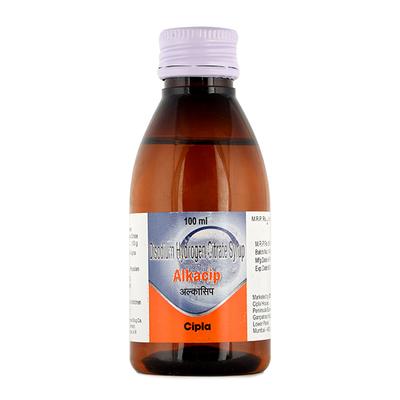
Introduction About ALKACIP SYRUP
Alkacip Syrup is an oral liquid medicine containing Disodium Hydrogen Citrate. It belongs to the urinary alkalinising group and may be prescribed when modification of urinary acidity is required in selected clinical conditions. The medicine is used under medical guidance according to the individual's clinical requirement.
The active ingredient produces an alkalinising effect through its metabolism in the body. Disodium Hydrogen Citrate contributes to the body's acid-base balance and influences the acid-base composition of urine, resulting in a less acidic urinary environment.
Alkacip Syrup may be recommended based on individual medical assessment and the reason for prescribing. Its suitability can vary according to factors such as age, existing medical conditions, kidney function, heart health, electrolyte status, and other medicines being taken. Individuals with existing medical concerns should inform their doctor before using this medicine.
The syrup should be administered exactly as directed by the doctor. The prescribed quantity should be measured accurately using a suitable measuring device and taken orally. If dilution with water is advised, the quantity should be mixed according to the product instructions or medical advice. The dosage schedule and duration may vary according to individual clinical requirements.
Some individuals may experience gastrointestinal effects such as nausea, vomiting, stomach discomfort, or diarrhoea while taking Alkacip Syrup. The occurrence and intensity of such effects may vary between individuals. If any symptom persists, becomes severe, or causes concern, medical advice should be sought promptly.
Uses Of ALKACIP SYRUP
It is commonly prescribed under medical guidance for:
- Symptoms of urinary tract infections (such as low urine output, painful urination or burning sensation while passing urine)
- Corrects dehydration and metabolic acidosis (low pH of the blood)
- Makes the urine less acidic
- Manage inflammation of kidneys, bladder and urethra
- Manage high blood uric acid levels
- Prevents gout and kidney stone formation
Benefits of ALKACIP SYRUP
Supports Uric Acid Excretion
Alkacip Syrup may be included in medical management when increasing urinary alkalinity is appropriate for facilitating the urinary elimination of uric acid.
Useful in Selected Metabolic Acidosis Conditions
Alkacip Syrup may be prescribed in certain conditions associated with increased acid load or reduced bicarbonate availability, based on individual clinical assessment.
Helps Create a Less Acidic Urinary Environment
The medicine modifies urinary acidity, which may be clinically useful when urine needs to be maintained at a higher pH.
Supports Management of Certain Kidney Stone-Related Conditions
Alkacip Syrup may form part of medical management for selected stone-related conditions where urinary pH modification is appropriate.
Provides an Oral Urinary Alkalinising Formulation
Alkacip Syrup offers Disodium Hydrogen Citrate in a liquid formulation for administration according to the prescribed directions.
Supports Correction of Excess Urinary Acidity
By modifying the acidity of urine, Alkacip Syrup can support conditions in which excessive urinary acidity is clinically relevant.
Suitable for Individualised Medical Use
The role of Alkacip Syrup can vary according to the underlying condition, laboratory findings, and the patient's overall clinical assessment.
How ALKACIP SYRUP Works
Disodium Hydrogen Citrate as the Active Alkalinising Agent
Alkacip Syrup contains Disodium Hydrogen Citrate, which provides an alkalinising effect after being processed by the body.
Metabolic Conversion of Citrate
After absorption, citrate is metabolised through normal biochemical pathways, generating alkaline equivalents that contribute to the medicine's acid-neutralising action.
Contribution to Bicarbonate Availability
The metabolism of citrate contributes to bicarbonate availability, which plays an important role in maintaining the body's acid-base balance.
Modification of Urinary Acid-Base Balance
The resulting alkaline effect influences the acid-base composition of urine, shifting it towards a less acidic state.
Overall Urinary Alkalinising Action
Through these metabolic processes, Disodium Hydrogen Citrate produces the characteristic urinary alkalinising effect associated with Alkacip Syrup.
How to use ALKACIP SYRUP
Directions for Use of Alkacip Syrup
- Measure the prescribed quantity of Alkacip Syrup using a suitable measuring device.
- Take the measured quantity orally as directed by your doctor.
- If dilution is advised, mix the measured quantity with the recommended amount of water before administration.
Dosage Guidance
- The required dose and frequency depend on the individual clinical requirement.
- Use only the quantity prescribed by your doctor.
- Do not alter the prescribed dose without medical advice.
Administration Timing
- Take Alkacip Syrup at the time recommended by your doctor.
- Follow any specific instructions regarding its administration in relation to meals.
- Maintain the advised schedule rather than taking doses at irregular intervals.
Duration of Administration
- Use Alkacip Syrup for the duration specified by your doctor.
- Do not extend the duration or stop administration independently.
Storage and Handling
- Keep the bottle properly closed when not in use.
- Store according to the temperature and storage instructions stated on the product label.
- Keep the syrup away from direct sunlight and out of reach of children.
What if I forgot to take ALKACIP SYRUP
- Take the missed dose when remembered if there is sufficient time before the next scheduled dose.
- If the next dose is due soon, skip the missed dose and continue with the regular schedule.
- Do not take an additional quantity to make up for the missed dose.
Side Effects Of ALKACIP SYRUP
Common Side Effects
- Nausea
- Vomiting
- Diarrhoea
- Stomach pain
When to consult a doctor:
- Persistent or severe nausea, vomiting, diarrhoea, or stomach pain that does not improve or becomes bothersome.
How To Manage Side Effects

Diarrhea
- Stay Hydrated: Drink plenty of water and consider oral rehydration solutions to replace lost fluids and electrolytes.
- Eat Light Foods: Choose easily digestible foods such as plain rice, bananas, toast, or soft foods.
- Avoid Trigger Foods: Limit spicy, oily, or fatty foods, as they may worsen diarrhoea.
- Take Adequate Rest: Allow your body to rest while symptoms improve.
- Consult a Doctor if Needed: Seek medical advice if diarrhoea is severe, persistent, or accompanied by blood in the stool, fever, severe abdominal pain, or signs of dehydration.

Nausea And Vomiting
- Stay Hydrated: Take small, frequent sips of water or clear fluids to maintain hydration.
- Eat Light Foods: Choose bland foods such as plain rice, toast, crackers, or bananas that are gentle on the stomach.
- Avoid Spicy and Oily Foods: These may worsen nausea or stomach discomfort.
- Eat Small, Frequent Meals: Have smaller portions at regular intervals instead of large meals.
- Consult a Doctor if Needed: Seek medical advice if nausea is severe, persistent, or accompanied by repeated vomiting or signs of dehydration.
Warning & Precautions

Pregnancy
Consult your doctorThe safety of Alkacip Syrup during pregnancy has not been established. It should be used during pregnancy only when considered necessary by your doctor after assessing the potential benefits and risks. Consult your doctor before using this medicine.

Breastfeeding
Consult your doctorThe safety of Alkacip Syrup during breastfeeding has not been established. Use during nursing should be considered only when the potential benefits outweigh the possible risks. Consult your doctor before using this medicine.

Driving and Using Machines
Use with CautionNo special precautions are generally required when using Alkacip Syrup with respect to driving or operating machinery.

Kidney
Consult your doctorAlkacip Syrup is not recommended in individuals with severe renal impairment associated with oliguria, azotemia, or anuria. Caution is advised in individuals with reduced urine output or reduced glomerular filtration. Serum electrolytes, particularly bicarbonate levels, may require monitoring in individuals with renal disease. Consult your doctor before using this medicine.

Liver
Use with CautionAlkacip Syrup should be used with caution in individuals with acute liver failure, particularly when citrate-containing blood products are being administered. Inform your doctor about any existing liver-related condition before using this medicine.

Allergy
ContraindicatedDo not use Alkacip Syrup if you have a known hypersensitivity to Disodium Hydrogen Citrate or any of its components. Inform your doctor about any previous medicine-related allergic reactions.

Heart Disease
Use with CautionAlkacip Syrup should be used with caution in individuals with congestive heart failure, hypertension, or conditions associated with sodium retention. Consult your doctor before using this medicine if you have a heart-related condition.

Use In Pediatrics
Use with CautionAlkacip Syrup should be used with caution in children and adolescents (aged 6 years or above). Therefore, consult your doctor for advice before taking it.

Use In Geriatrics
Use with CautionAlkacip Syrup should be used with caution in elderly patients (aged 65 years or above). Therefore, consult your doctor before taking it.
Other Warnings for ALKACIP SYRUP
Before Taking Alkacip Syrup, Inform Your Doctor If You Have:
- Sodium-retaining conditions or oedema
- A sodium-restricted diet
- Any condition requiring monitoring of serum electrolytes
Who should not take ALKACIP SYRUP
It Is Not Recommended in Individuals With:
- Untreated Addison’s disease
- Acute dehydration
- Conditions requiring strict sodium restriction without appropriate medical assessment
Safety Advice
- Use only as directed: Take Alkacip Syrup in the dose and for the duration recommended by your doctor or pharmacist. Do not increase or reduce the dose on your own.
- Shake well before use: Shake the bottle properly before taking each dose so that the medicine is evenly mixed.
- Measure the dose carefully: Use the measuring cup or oral syringe provided with the medicine. Avoid using a regular household spoon.
- Maintain adequate hydration: Drink sufficient water during treatment unless your doctor has advised you to limit your fluid intake.
- Follow the recommended schedule: Try to take the medicine at the recommended time each day. Do not take extra doses to make up for a missed dose.
- Inform your doctor about medical conditions: Tell your doctor if you have kidney disease, heart problems, liver disease, or any condition that may affect your body's fluid or electrolyte balance.
- Check other medicines: Inform your doctor or pharmacist about all medicines, vitamins, and supplements you are taking. Some medicines may interact with Alkacip Syrup.
- Watch for side effects: Some people may experience stomach discomfort, nausea, vomiting, or diarrhoea. If symptoms are severe, persistent, or unusual, contact a healthcare professional.
- Seek medical advice when needed: If your symptoms do not improve, become worse, or keep coming back despite treatment, consult your doctor rather than continuing the medicine on your own.
- Check before use: Always check the expiry date, appearance of the medicine, and storage instructions on the product label before use.
- Do not share the medicine: Alkacip Syrup should not be given to another person simply because they have symptoms similar to yours.
- Follow professional advice: If you have any concerns about the medicine, its dose, duration of treatment, or possible interactions, consult your doctor or pharmacist.
Diet and Lifestyle Advice
- Drink plenty of water: Keep yourself well hydrated while taking Alkacip Syrup, unless your doctor has advised you to restrict fluids.
- Follow a balanced diet: Include fresh fruits, vegetables, whole grains, pulses, and other nutritious foods in your daily meals.
- Avoid excessive salt: Do not add extra salt to your food and limit very salty or highly processed foods, especially if you have been advised to reduce sodium intake.
- Limit packaged and processed foods: Reduce foods such as chips, instant foods, processed snacks, and other foods that may contain high amounts of salt.
- Avoid excessive alcohol: Alcohol can contribute to dehydration, so it is advisable to avoid excessive consumption.
- Maintain good hygiene: Follow good personal hygiene and maintain proper toilet and urinary hygiene to support urinary health.
- Stay physically active: Regular physical activity appropriate for your age and health condition can help maintain overall wellbeing.
- Do not hold urine for long periods: Empty your bladder when you feel the need to urinate.
- Avoid unnecessary self-medication: Do not use urinary alkalizing medicines repeatedly without medical advice, particularly if symptoms keep returning.
Drug - Drug interaction
1. Aluminium-Containing Antacids
Interaction: Concurrent use of Alkacip Syrup with aluminium-containing antacids may increase the absorption of aluminium from the gastrointestinal tract.
Effects: May increase serum aluminium levels and, particularly in individuals with renal insufficiency, may increase the risk of aluminium toxicity.
Management: Avoid concomitant use, especially in individuals with renal insufficiency, unless advised by a doctor. If combined use cannot be avoided, medical monitoring may be required.
2. Lithium, Methotrexate, Chlorpropamide, Methenamine, Salicylates and Tetracyclines
Interaction: Alkacip Syrup may increase the urinary excretion and reduce the serum levels of these medicines.
Effects: Reduced medicine levels may decrease their expected pharmacological effects.
Management: Inform your doctor about all medicines you are taking before using Alkacip Syrup. Dose adjustment or monitoring may be required during concomitant use.
3. Mecamylamine, Flecainide and Quinidine
Interaction: Alkacip Syrup may decrease the urinary excretion and increase the serum levels of these medicines.
Effects: Increased medicine levels may enhance their pharmacological effects and the risk of related adverse effects.
Management: Use these medicines together only under your doctor's supervision. Dose adjustment or monitoring may be required.
4. Sympathomimetic Medicines
Interaction: Alkacip Syrup may decrease the urinary excretion and increase the serum levels of sympathomimetic medicines.
Effects: Increased medicine levels may potentially enhance their pharmacological effects.
Management: Inform your doctor if you are taking sympathomimetic medicines before using Alkacip Syrup. Medical monitoring may be advised during concomitant use.
Synopsis
|
Drug |
Disodium Hydrogen Citrate |
|
Pharmacological Category |
Urinary alkaliniser |
|
Therapeutic Indication |
Used to manage conditions associated with acidic urine and to increase urinary pH, including urinary discomfort associated with selected urinary tract conditions and certain kidney stone-related conditions. |
|
Dosage Forms |
Syrup |
More Information
1. Why Is Understanding Urinary pH Important When Using Alkacip Syrup?
Understanding Urinary pH and Alkacip Syrup
Urinary pH describes how acidic or alkaline the urine is. Alkacip Syrup contains Disodium Hydrogen Citrate, which has a urinary alkalinising effect and can modify urinary pH when prescribed for appropriate clinical conditions.
Why Urinary Acidity Matters
The acidity of urine can be clinically relevant in certain urinary conditions. Understanding urinary pH helps explain why medicines such as Alkacip Syrup may be recommended when modification of urinary acidity is required.
Role of Disodium Hydrogen Citrate in Alkacip Syrup
Disodium Hydrogen Citrate is the active ingredient in Alkacip Syrup. Its alkalinising action contributes to an increase in urinary pH, resulting in a less acidic urinary environment.
Urinary pH and Uric Acid
Urinary acidity can influence the handling of uric acid in the urinary system. This is one reason urinary pH may be considered when managing selected uric acid-related conditions.
Hydration and Urinary Health
Adequate fluid intake supports normal urinary function. When Alkacip Syrup is prescribed, maintaining appropriate hydration may be part of the overall urinary health approach, according to individual medical advice.
Importance of Understanding Alkacip Syrup
Learning about urinary pH and the role of Disodium Hydrogen Citrate can help patients better understand why Alkacip Syrup may be recommended and why it should be used according to the prescribed directions.
FAQs About ALKACIP SYRUP
Q. What is Alkacip Syrup used for?
A. Alkacip Syrup is used under medical guidance when modification of urinary acidity is required in selected clinical conditions.
Q. How does Alkacip Syrup work?
A. Disodium Hydrogen Citrate produces an alkalinising effect that increases urinary pH and reduces urinary acidity.
Q. How should I take Alkacip Syrup?
A. Take the prescribed quantity orally using a suitable measuring device and follow the administration instructions provided by your doctor.
Q. Can Alkacip Syrup be mixed with water?
A. Alkacip Syrup may be diluted with water when recommended by your doctor or according to the product instructions.
Q. What should I do if I miss a dose of Alkacip Syrup?
A. Take the missed dose when remembered unless the next scheduled dose is near. Do not take an extra quantity to compensate.
Q. How long should I take Alkacip Syrup?
A. The duration varies according to the individual condition and should be followed as specified by your doctor.
Q. Can I change the prescribed dose of Alkacip Syrup?
A. No, changes to the prescribed quantity or frequency should be made only after discussing them with your doctor.
Q. Can Alkacip Syrup be taken during pregnancy?
A. Alkacip Syrup should be used during pregnancy only when recommended by a doctor after assessing the individual circumstances.
Q. Can Alkacip Syrup be taken while breastfeeding?
A. Consult your doctor before using Alkacip Syrup during breastfeeding for appropriate guidance based on your circumstances.
Q. How should I store Alkacip Syrup?
A. Store Alkacip Syrup according to the instructions on the product label, keeping the bottle properly closed and away from unsuitable storage conditions.
References
1. KD Tripathi. Beta-Lactam Antibiotics. Sulfonamides, Cotrimoxazole and Quinolones. Drugs Essentials of medical pharmacology. 8th edition. 2013. Page –778,763
2. Jerry Hong a, Shivang Bhaskar a, Joseph T Golab a, James A Kaduk b,*.Structures of disodium hydrogen citrate monohydrate, Na2HC6H5O7(H2O), and diammonium sodium citrate, (NH4)2NaC6H5O7, from powder diffraction data. National Library of Medicine, National Center for Biotechnology Information. PubMed central 2020 Sep 4. [Accessed date 15/09/2026] 
3. PFIZER.CITRALKA. [Accessed date 15/09/2026] 
4. Leeford. ALKAZIP. [Accessed date 15/09/2026]
Author Details