




Netmeds First Membership
Quick Links
Introduction About ALFOO 10MG TABLET
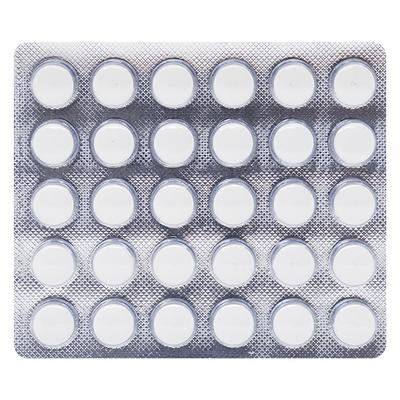
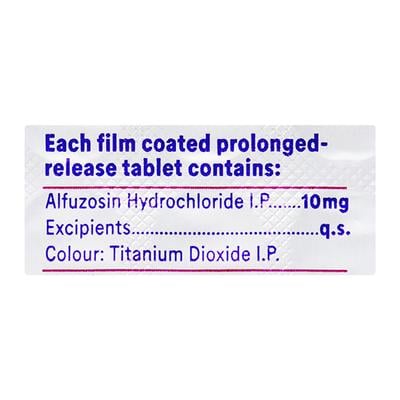
Alfoo 10 mg Tablet 30’s contains alfuzosin 10 mg, an alpha-1 adrenergic blocker primarily prescribed for adult men experiencing moderate to severe urinary symptoms associated with benign prostatic hyperplasia (BPH), a non-cancerous enlargement of the prostate. It may be useful for patients who have difficulty starting urination, a weak or interrupted urine stream, frequent or urgent urination, or a feeling of incomplete bladder emptying. Alfuzosin works by relaxing the muscles of the prostate and bladder outlet, which helps improve urine flow and ease urinary symptoms. It helps manage the symptoms of BPH but does not reduce the size of the prostate.
The usual dose of prolonged-release alfuzosin is 10 mg once daily, or as directed by the doctor. It should be taken after a meal, preferably at the same time each day, and swallowed whole with water. The tablet should not be crushed, chewed or divided, as this may affect its prolonged-release properties. Patients should take it regularly as prescribed and should not change the dose or stop treatment without consulting their doctor. Since alfuzosin may cause dizziness or a drop in blood pressure, particularly when treatment is initiated, patients should get up slowly from a sitting or lying position and avoid driving or operating machinery if they feel dizzy or weak.
Alfuzosin should be used with caution in older adults and in patients with low blood pressure or certain heart, liver or kidney conditions. Patients should inform their doctor if they are taking medicines for high blood pressure, nitrates or other medicines that can lower blood pressure, as combining these medicines may increase the risk of dizziness or fainting. It should not be taken with other alpha-1 blockers unless specifically advised by a doctor. Patients should also inform their ophthalmologist before undergoing cataract surgery because alpha-1 blockers have been associated with intraoperative floppy iris syndrome. Alfoo is intended for use in men with BPH and is not indicated for women, including those who are pregnant or breastfeeding.
Common side effects of Alfoo may include dizziness, headache, weakness or fatigue, nausea and abdominal discomfort. Some patients may experience postural hypotension, particularly when standing up suddenly, and fainting can occur in susceptible individuals. Patients should seek medical attention if they experience severe dizziness or fainting, chest pain, difficulty breathing, or signs of a serious allergic reaction. Alfoo should be used only under medical supervision, with the prescribed dose and duration followed carefully.
Uses Of ALFOO 10MG TABLET
- Relieves moderate to severe symptoms of benign prostatic hyperplasia
Benefits of ALFOO 10MG TABLET
Helps Make Urination Easier and Improves Urine Flow
Alfoo 10 mg relaxes the muscles of the prostate and bladder outlet, reducing resistance to urine flow and making urination easier. It may also help improve a weak or interrupted urine stream.
Helps Reduce Frequent and Urgent Urination
Alfoo 10 mg helps improve urine flow in men with an enlarged prostate, which may reduce the need to urinate frequently or urgently and provide relief from bothersome urinary symptoms.
Helps Relieve the Feeling of Incomplete Bladder Emptying
Alfoo 10 mg relaxes the muscles around the prostate and bladder outlet, facilitating easier urine passage and helping reduce the sensation of incomplete bladder emptying.
How ALFOO 10MG TABLET Works
Relaxes the Smooth Muscles of the Prostate
ALFOO 10 MG TABLET contains alfuzosin, an alpha-1 adrenergic receptor blocker. It relaxes the smooth muscles in the prostate, reducing the resistance to urine passing through the urethra. This helps improve urinary flow in men with symptoms associated with benign prostatic hyperplasia (BPH).
Relaxes the Bladder Outlet
Alfuzosin also relaxes the smooth muscles around the bladder neck and bladder outlet. This makes it easier for urine to pass from the bladder through the urethra and may help reduce difficulty in starting urination and interrupted or weak urine flow.
Improves Urinary Flow
By reducing muscle tension around the prostate and bladder outlet, ALFOO 10 MG TABLET helps decrease the obstruction to urine flow. This can improve the strength and continuity of the urinary stream and make bladder emptying more comfortable.
Helps Relieve Lower Urinary Tract Symptoms
Alfuzosin can help reduce bothersome lower urinary tract symptoms associated with BPH, including difficulty starting urination, weak urine flow, frequent urination, urgency, and the sensation of incomplete bladder emptying. It treats urinary symptoms but does not shrink the prostate.
How to use ALFOO 10MG TABLET
Recommended Dosage Guidelines
- Take ALFOO 10 MG TABLET exactly as prescribed by your doctor.
- The usual dose of prolonged-release alfuzosin is 10 mg once daily.
- The dose may vary depending on your medical condition, age, other medicines, and response to treatment.
- Do not take more than the prescribed dose.
- Do not stop treatment or change the dose without consulting your doctor.
How and When to Take ALFOO 10 MG TABLET
- Take the tablet once daily after a meal, preferably after the same meal each day.
- Swallow the tablet whole with sufficient water.
- Do not crush, chew, or divide the prolonged-release tablet, as this may affect the controlled-release properties of the medicine.
- Taking it after food helps provide consistent absorption of the prolonged-release formulation.
Maintain a Consistent Dosing Routine
- Take ALFOO 10 MG TABLET at approximately the same time every day.
- Continue treatment for the duration recommended by your doctor, even if urinary symptoms improve.
- Regular follow-up may be required to assess your urinary symptoms and overall response to treatment.
What if I forgot to take ALFOO 10MG TABLET
If you forget to take ALFOO 10 MG TABLET, take the missed dose when you remember if there is sufficient time before your next scheduled dose. If it is nearly time for your next dose, skip the missed dose and continue with your usual dosing schedule.
Do not take two tablets at the same time to compensate for a missed dose. Taking an extra dose may increase the risk of dizziness, low blood pressure, or fainting. If you frequently forget doses, speak with your healthcare professional about ways to maintain a regular dosing schedule.
Overdose
Taking more than the prescribed dose of ALFOO 10 MG TABLET may cause excessive lowering of blood pressure, dizziness, weakness, light-headedness, or fainting. In severe cases, medical monitoring may be necessary.
If you suspect that you or someone else has taken an overdose of ALFOO 10 MG TABLET, contact a doctor or seek emergency medical attention promptly. Do not attempt to manage a suspected overdose without professional medical advice.
Side Effects Of ALFOO 10MG TABLET
Common side effects :
- dizziness, headache
- nausea
- stomach pain
- weakness, tiredness
when to consult a doctor :
- chest pain (angina)
- signs of allergic reactions (such as red and lumpy skin rash, swelling of the eyelids, face, lips, mouth and tongue, difficulty in breathing or swallowing)
How To Manage Side Effects

Dizziness Or Drowsiness
- Rise slowly from a sitting or lying position.
- Sit or lie down if you feel dizzy or as though you may faint.
- Avoid driving or operating machinery while experiencing dizziness.
- Maintain adequate fluid intake unless your doctor has advised fluid restriction.
- Avoid alcohol if it worsens dizziness or weakness.
- Inform your doctor if dizziness is severe, recurrent, or associated with fainting.

Headache
- Rest in a quiet environment if needed.
- Drink adequate water unless fluid restriction has been advised.
- Avoid excessive alcohol consumption.
- Do not take additional medicines for headache regularly without discussing them with your healthcare professional.
- Consult your doctor if headaches are severe, persistent, or unusual.

Nausea And Vomiting
- Take ALFOO 10 MG TABLET after a meal as prescribed.
- Eat smaller, lighter meals if you experience stomach discomfort.
- Avoid foods that you know worsen nausea or indigestion.
- Maintain adequate hydration.
- Consult your healthcare professional if nausea or abdominal discomfort persists or becomes severe.
Warning & Precautions

Pregnancy
ContraindicatedALFOO 10 MG TABLET is intended for the treatment of urinary symptoms associated with BPH in adult men. It has no established therapeutic role during pregnancy and is not indicated for use in women.

Breastfeeding
ContraindicatedALFOO 10 MG TABLET is intended for adult men with BPH and is not indicated for breastfeeding women.

Driving and Using Machines
Use with CautionALFOO 10 MG TABLET may cause dizziness, light-headedness, weakness, or fainting, particularly when treatment is initiated. Avoid driving, operating machinery, or performing activities requiring alertness until you know how the medicine affects you.

Alcohol
Consult your doctorAlcohol may worsen dizziness, light-headedness, and low blood pressure in some individuals taking alfuzosin. It is advisable to avoid or limit alcohol if it makes you feel dizzy or weak.

Kidney
Use with CautionInform your doctor if you have kidney disease or reduced kidney function before starting ALFOO 10 MG TABLET. Particular caution may be required in patients with severe renal impairment. Some product information advises against use of the 10 mg prolonged-release formulation in severe renal impairment, so the suitability of treatment should be assessed by the prescribing doctor.

Liver
ContraindicatedInform your doctor if you have liver disease. Prolonged-release alfuzosin 10 mg is contraindicated in moderate or severe hepatic impairment in product information because alfuzosin exposure may be increased. Patients with mild hepatic impairment may also require careful medical assessment.

Allergy
ContraindicatedDo not take ALFOO 10 MG TABLET if you are allergic to alfuzosin or any of its ingredients. Seek immediate medical attention if you develop swelling of the face, lips, tongue, or throat, difficulty breathing, or another severe allergic reaction.

Heart Disease
Use with CautionTell your doctor if you have heart disease, low blood pressure, angina, heart failure, a history of fainting, or a known heart-rhythm problem. Alfuzosin can lower blood pressure, and caution may be required in people with cardiovascular conditions. Patients with a history of QT prolongation or those taking medicines that prolong the QT interval may require additional assessment.

Use In Pediatrics
ContraindicatedALFOO 10 MG TABLET is intended for adult men with BPH. The safety and effectiveness of alfuzosin for treating BPH symptoms in children have not been established, and it is not indicated for routine pediatric use.

Use In Geriatrics
Use with CautionOlder adults may be more susceptible to dizziness, postural hypotension, and fainting. Doctors may consider the patient's blood pressure, other medicines, kidney function, and overall health when prescribing alfuzosin.
Other Warnings for ALFOO 10MG TABLET
Before taking ALFOO 10 MG TABLET inform your doctor if you:
- have low blood pressure or a history of fainting
- have experienced dizziness or low blood pressure with other medicines
- are taking medicines for erectile dysfunction such as sildenafil, tadalafil, or vardenafil
- are scheduled for cataract surgery
Safety Advice
- Take Alfoo 10 mg exactly as prescribed by your doctor, preferably immediately after a meal and at the same time each day. Swallow the tablet whole with water; do not crush, chew, or split it.
- Alfoo 10mg Tablet may cause dizziness, light-headedness, or a sudden drop in blood pressure, especially when starting treatment. Get up slowly from a sitting or lying position to reduce the risk of fainting.
- Avoid driving, operating machinery, or other activities requiring alertness until you know how Alfoo affects you.
- Inform your doctor if you have low blood pressure, heart, liver, or kidney problems, or if you have previously experienced dizziness or fainting with medicines.
- Tell your doctor about all medicines you take, particularly blood-pressure medicines, nitrates, medicines for erectile dysfunction, or other alpha-blockers, as they may increase the risk of low blood pressure.
- Inform your doctor or eye surgeon before cataract or other eye surgery if you are taking or have previously taken Alfoo.
- Avoid alcohol if it makes you dizzy or weak, as it may worsen these effects.
- Do not stop or change the dose of Alfoo without consulting your doctor.
- Seek medical attention if you experience severe dizziness, fainting, chest pain, difficulty breathing, or swelling of the face, lips, tongue, or throat.
Diet and Lifestyle Advice
- Drink adequate water throughout the day, unless your doctor has advised you to restrict fluids.
- Limit caffeine-containing drinks such as coffee, tea, and cola, especially if they worsen urinary frequency or urgency.
- Reduce alcohol intake, as it may worsen dizziness and increase the risk of low blood pressure while taking Alfoo.
- Avoid drinking large amounts of fluids close to bedtime to help reduce nighttime urination.
- Maintain a healthy weight and include regular physical activity, as a healthy lifestyle can support overall prostate and urinary health.
- Avoid holding urine for prolonged periods and follow a regular, comfortable bathroom routine.
- Include a balanced diet rich in vegetables, fruits, whole grains, and other nutrient-dense foods to support overall health.
Drug - Drug interaction
1. Blood Pressure-Lowering Medicines
- Interaction: Alfuzosin may add to the blood-pressure-lowering effects of antihypertensive medicines.
- Effect: The combination may increase the risk of dizziness, light-headedness, postural hypotension, or fainting.
- Advice: Inform your doctor about all medicines used to control blood pressure.
2. Nitrates
- Interaction: Nitrates used for conditions such as angina can lower blood pressure, and their effects may be additive with alfuzosin.
- Effect: The combination may increase the risk of symptomatic low blood pressure, dizziness, or fainting.
- Advice: Tell your doctor if you use nitrate medicines.
3. PDE-5 Inhibitors for Erectile Dysfunction
Examples include sildenafil, tadalafil, vardenafil, and related medicines.
- Interaction: PDE-5 inhibitors can also lower blood pressure.
- Effect: Taking them together with alfuzosin may increase the risk of symptomatic hypotension, dizziness, or fainting.
- Advice: Use this combination only after discussing it with your doctor.
4. Other Alpha-1 Adrenergic Blockers
Examples include tamsulosin, silodosin, doxazosin, and terazosin.
- Interaction: Combining alpha-1 blockers can produce additive blood-pressure-lowering effects.
- Effect: This may increase dizziness, postural hypotension, and the risk of fainting.
- Advice: Do not combine ALFOO with another alpha-1 blocker unless specifically instructed by your doctor.
5. Potent CYP3A4 Inhibitors
Examples include ketoconazole, itraconazole, and ritonavir.
- Interaction: These medicines can reduce the breakdown of alfuzosin.
- Effect: Alfuzosin levels in the blood may increase, potentially increasing the risk of adverse effects and low blood pressure.
- Advice: Concomitant use with potent CYP3A4 inhibitors is contraindicated for the prolonged-release formulation.
6. Medicines That Prolong the QT Interval
- Interaction: Alfuzosin should be used cautiously in patients with a history of QT prolongation or when taking medicines known to prolong the QT interval.
- Effect: The combination may potentially increase the risk of abnormal heart rhythms in susceptible patients.
- Advice: Inform your doctor about all heart medicines and other prescription or non-prescription medicines you take.
7. General Anaesthetics
- Interaction: General anaesthesia may have additional blood-pressure-lowering effects in patients taking alfuzosin.
- Effect: This may result in significant hypotension during surgery.
- Advice: Inform your surgeon and anaesthetist that you are taking alfuzosin before a planned surgical procedure.
Drug - Food interaction
1. Alcohol
- Interaction: Alcohol may worsen dizziness or light-headedness in some individuals taking alfuzosin.
- Effect: The combination may make activities such as driving or walking more difficult if significant dizziness occurs.
- Advice: Limit or avoid alcohol if it makes you dizzy, weak, or light-headed.
Synopsis
|
Drug |
Alfuzosin |
|
Pharmacological Category |
Alpha-blockers |
|
Therapeutic Indication |
Benign prostatic hyperplasia |
|
Dosage Forms |
Tablet |
More Information
1. ALFOO 10 MG TABLET vs Tamsulosin
|
Feature |
ALFOO 10 MG TABLET |
Tamsulosin |
|
Active Ingredient |
Alfuzosin 10 mg |
Tamsulosin |
|
Drug Class |
Alpha-1 adrenergic blocker |
Alpha-1 adrenergic blocker |
|
Commonly Used For |
Urinary symptoms associated with BPH |
Urinary symptoms associated with BPH |
|
How It Works |
Relaxes smooth muscles in the prostate and bladder outlet |
Relaxes smooth muscles in the prostate and bladder outlet |
|
Urinary Flow |
Helps improve urine flow and reduce resistance to urination |
Helps improve urine flow and reduce resistance to urination |
|
Blood Pressure Effects |
May cause dizziness or postural hypotension |
May also cause dizziness or postural hypotension |
|
Cataract Surgery Consideration |
Current or previous use should be reported to the eye surgeon |
Current or previous use should be reported to the eye surgeon |
|
Typical Formulation |
Prolonged-release 10 mg once daily |
Modified/extended-release formulations are commonly used |
|
Prescription Requirement |
Use as directed by a healthcare professional |
Use as directed by a healthcare professional |
2. ALFOO 10 MG TABLET vs Silodosin
|
Feature |
ALFOO 10 MG TABLET |
Silodosin |
|
Active Ingredient |
Alfuzosin 10 mg |
Silodosin |
|
Drug Class |
Alpha-1 adrenergic blocker |
Alpha-1 adrenergic blocker |
|
Commonly Used For |
BPH-related urinary symptoms |
BPH-related urinary symptoms |
|
How It Works |
Relaxes prostate and bladder outlet muscles |
Relaxes smooth muscles in the prostate and bladder outlet |
|
Urinary Flow |
Helps improve urine flow |
Helps improve urine flow |
|
Blood Pressure Effects |
May cause dizziness or postural hypotension |
May cause dizziness or postural hypotension |
|
Sexual Side Effects |
Sexual side effects can occur but are not among the most common effects |
Ejaculatory disorders, including reduced or absent ejaculation, are relatively characteristic |
|
Cataract Surgery |
Current or previous use should be reported to the eye surgeon |
Current or previous use should be reported to the eye surgeon |
|
Prescription Requirement |
As directed by a healthcare professional |
As directed by a healthcare professional |
FAQs About ALFOO 10MG TABLET
Q: What is Alfoo 10 mg Tablet used for?
A: Alfoo 10 mg Tablet contains alfuzosin and is primarily used to relieve moderate to severe urinary symptoms caused by benign prostatic hyperplasia (BPH) in adult men.
Q: How does Alfoo 10 mg Tablet work?
A: Alfuzosin relaxes the smooth muscles of the prostate and bladder outlet, helping urine flow more easily. It improves urinary symptoms but does not shrink the prostate.
Q: Who can use Alfoo 10 mg Tablet?
A: Alfoo is generally prescribed for adult men with urinary symptoms associated with BPH. It should be used only when recommended by a doctor after considering the patient's medical history.
Q: How should Alfoo 10 mg Tablet be taken?
A: The usual dose is 10 mg once daily, or as prescribed by the doctor, and it should be taken after a meal. Swallow the tablet whole with water without crushing, chewing or dividing it.
Q: When is the best time to take Alfoo 10 mg Tablet?
A: Alfoo should preferably be taken at the same time each day after a meal. Taking it consistently helps maintain the medicine's effect and reduces variations in drug absorption.
Q: Can Alfoo 10 mg Tablet cause dizziness?
A: Yes, alfuzosin may cause dizziness or light-headedness, particularly when starting treatment or standing up suddenly. Patients should rise slowly and avoid driving if they feel dizzy.
Q: Can Alfoo be taken with medicines for high blood pressure?
A: Alfoo may enhance the blood-pressure-lowering effects of some medicines, increasing the risk of dizziness or fainting. Inform your doctor about all medicines you are taking before starting treatment.
Q: Can Alfoo 10 mg Tablet be used with other alpha-blockers?
A: Alfoo should generally not be combined with other alpha-1 blockers unless specifically advised by a doctor. Combining them may increase the risk of low blood pressure and related symptoms.
Q: What precautions should be followed while taking Alfoo?
A: Patients with low blood pressure or certain heart, liver or kidney conditions should use alfuzosin cautiously under medical supervision. Extra care may also be needed in older adults.
Q: Can Alfoo be taken before cataract surgery?
A: Patients taking or who have previously taken alfuzosin should inform their eye surgeon before cataract surgery. Alpha-1 blockers have been associated with intraoperative floppy iris syndrome during the procedure.
Q: Can Alfoo 10 mg Tablet be used during pregnancy or breastfeeding?
A: Alfoo is intended for adult men with BPH and is not indicated for women during pregnancy or breastfeeding. There is no established therapeutic role for alfuzosin in these situations.
Q: What are the common side effects of Alfoo 10 mg Tablet?
A: Common side effects may include dizziness, headache, weakness or fatigue, nausea and abdominal discomfort. Some patients may also experience postural hypotension or, less commonly, fainting.
References
1. KD. Tripathi. Antiadrenergic Drugs (Adrenergic Receptor Antagonists) and Drugs for Glaucoma. Essentials of medical pharmacology. Seventh edition. 2013. Page – 142.
2. Madhu S. Agrawal, Abhishek Yadav, Himanshu Yadav, Amit K. Singh, Prashant Lavania and Richa Jaiman. A prospective randomized study comparing alfuzosin and tamsulosin in the management of patients suffering from acute urinary retention caused by benign prostatic hyperplasia. NIH National Library of Medicine. National center for biotechnology information. Pubmed Central. December 2009. [Accessed on 31st August 2026] 
3. Sanofi. The Efficacy, Onset of Effect, and Safety of Alfuzosin Once Daily in the Treatment of Lower Urinary Tract Symptoms of Benign Prostatic Hyperplasia: A Randomized, Placebo-Controlled Trial Using an Acute International Prostate Score (ALF-ACUTE). Clinicaltrials.gov. [Revised in October 2007] [Accessed on 31st August 2026] 
4. Milpharm Limited. Electronic Medicines Compendium (EMC). [Revised in December 2020] [Accessed on 31st August 2026]