




Netmeds First Membership
Quick Links
Introduction About AEROCORT INHALER
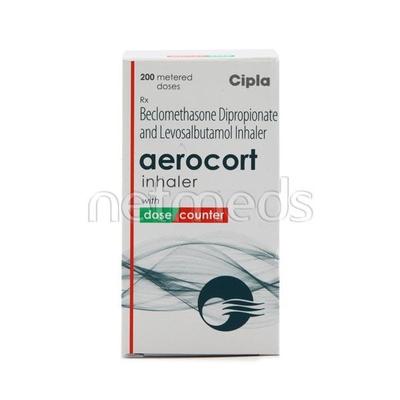
Aerocort Inhaler 200 MDI contains beclometasone (a corticosteroid) and levosalbutamol (a bronchodilator). It is prescribed for the regular management of asthma and other reversible airway conditions where both inflammation and airway narrowing need to be controlled. Beclometasone helps reduce inflammation and swelling in the airways, while levosalbutamol relaxes the airway muscles, making breathing easier. This inhaler is intended for regular maintenance therapy and should not be used as the only medicine for sudden asthma attacks.
Use Aerocort Inhaler 200 MDI exactly as prescribed by your doctor. Shake the inhaler well before each use, breathe out gently, place the mouthpiece between your lips, and press the canister while breathing in slowly and deeply. Hold your breath for about 5–10 seconds before breathing out. If more than one puff is prescribed, wait about a minute before taking the next puff. Rinse your mouth with water after each use to help reduce the risk of oral fungal infections (thrush). The dose and duration of treatment depend on the severity of your condition and your response to therapy. Your doctor may advise regular follow-up visits to monitor your breathing and adjust the dose if needed.
Do not use Aerocort Inhaler 200 MDI if you are allergic to beclometasone, levosalbutamol, or any of its ingredients. Before starting treatment, inform your doctor if you have heart disease, irregular heartbeat, high blood pressure, diabetes, hyperthyroidism, glaucoma, cataracts, osteoporosis, liver problems, kidney problems, tuberculosis, fungal, viral, or bacterial lung infections, or if you have recently undergone surgery. Also inform your doctor if you are taking other inhalers, beta-blockers, diuretics, or medicines that may affect potassium levels or heart rhythm.
Common side effects of Aerocort Inhaler 200 MDI may include throat irritation, hoarseness of voice, cough, dry mouth, headache, tremors, palpitations, nervousness, muscle cramps, or oral thrush. Seek immediate medical attention if you experience worsening wheezing immediately after using the inhaler, severe difficulty breathing, chest pain, rapid or irregular heartbeat, swelling of the face, lips, tongue, or throat, or signs of a serious allergic reaction. Inform your doctor if you are pregnant, planning to become pregnant, or breastfeeding before using this inhaler. Children and older adults should use this medicine only under medical supervision, with the dose adjusted according to individual clinical needs.
Uses Of AEROCORT INHALER
- Helps in the management of asthma and COPD (chronic obstructive pulmonary disease)
- Relieves wheezing, shortness of breath, coughing and chest tightness caused due to narrowing of airways
Benefits of AEROCORT INHALER
Aerocort Inhaler 200 MDI for Asthma Maintenance
Aerocort Inhaler 200 MDI is used for the regular management of asthma in patients who require both an inhaled corticosteroid and a bronchodilator. It contains beclometasone, which helps reduce inflammation in the airways, and levosalbutamol, which relaxes the airway muscles to improve airflow. Regular use may help reduce symptoms such as wheezing, coughing, chest tightness, and shortness of breath. Use the inhaler exactly as prescribed by your doctor and do not stop treatment without medical advice.
Aerocort Inhaler 200 MDI for Airway Inflammation
Persistent airway inflammation is a key feature of asthma and can make breathing difficult. The beclometasone component of Aerocort Inhaler 200 MDI helps reduce swelling and irritation in the airways, making them less sensitive to triggers such as dust, pollen, smoke, or exercise. Regular use may help improve lung function and reduce the frequency of asthma flare-ups. Continue using the inhaler even if you feel well, unless your doctor advises otherwise.
Aerocort Inhaler 200 MDI for Bronchospasm Relief
Aerocort Inhaler 200 MDI contains levosalbutamol, a bronchodilator that relaxes the muscles surrounding the airways, helping them stay open and making breathing easier. This action helps relieve symptoms such as wheezing, chest tightness, and difficulty breathing associated with reversible airway narrowing. Aerocort Inhaler 200 MDI is intended for regular maintenance therapy and should not be used as the only medicine for sudden or severe asthma attacks. Always keep your prescribed rescue inhaler available for emergency relief if recommended by your doctor.
How AEROCORT INHALER Works
Mechanism of Aerocort Inhaler 200 MDI
Aerocort Inhaler 200 MDI contains beclometasone and levosalbutamol, which work together to improve breathing in people with asthma. Beclometasone is an inhaled corticosteroid that reduces inflammation and swelling in the airways, while levosalbutamol is a bronchodilator that relaxes the muscles around the airways. This dual action helps keep the airways open, improves airflow, and reduces symptoms such as wheezing, coughing, chest tightness, and shortness of breath when used regularly as prescribed.
How Do Beclometasone and Levosalbutamol Work in the Body
Beclometasone acts directly in the lungs by reducing the release of inflammatory substances that cause airway swelling and irritation. Over time, this helps decrease airway sensitivity and lowers the likelihood of asthma symptoms and flare-ups. Levosalbutamol stimulates beta<sub>2</sub>-adrenergic receptors in the airway smooth muscles, causing them to relax and widen the air passages. Together, these medicines help improve lung function, make breathing easier, and support long-term control of asthma when used consistently under medical supervision.
How to use AEROCORT INHALER
-
How to Use Aerocort Inhaler 200 MDI
- Use Aerocort Inhaler 200 MDI exactly as prescribed by your doctor. Do not use more or fewer puffs than recommended.
- Shake the inhaler well before each use. Breathe out gently, place the mouthpiece between your lips, and press the canister while breathing in slowly and deeply.
- Hold your breath for about 5–10 seconds, then breathe out slowly. If more than one puff is prescribed, wait about 1 minute before taking the next puff.
- Rinse your mouth with water and spit it out after each use to help reduce the risk of oral fungal infections (thrush) and hoarseness.
- Use the inhaler regularly at the same time each day, even if you feel well, unless your doctor advises you to stop.
- Your doctor may recommend regular follow-up visits and lung function tests to monitor your asthma control and adjust your treatment if needed.
- Inform your doctor promptly if your symptoms worsen, you need your rescue inhaler more often than usual, or you experience worsening wheezing immediately after using Aerocort Inhaler 200 MDI.
- Do not stop using Aerocort Inhaler 200 MDI without consulting your doctor, as stopping treatment suddenly may worsen your asthma symptoms.
What if I forgot to take AEROCORT INHALER
- If you miss a dose of Aerocort Inhaler 200 MDI, take it as soon as you remember.
- If it is almost time for your next scheduled dose, skip the missed dose and continue with your regular dosing schedule.
- Do not take extra puffs or double the dose to make up for a missed one.
- Missing doses may reduce the effectiveness of the medicine in controlling airway inflammation and asthma symptoms.
- Take the inhaler at the same time each day to help you remember your doses.
- If you frequently forget your doses, consider setting a reminder or using a medication tracker.
- If you miss doses regularly and notice worsening symptoms such as wheezing, coughing, or shortness of breath, consult your doctor, as your asthma control may need to be reviewed.
Overdose
If you use more than the prescribed dose of Aerocort Inhaler 200 MDI, contact your doctor or seek immediate medical attention. An overdose may increase the risk of side effects such as rapid heartbeat, tremors, nervousness, headache, chest discomfort, or low potassium levels. Prolonged overuse may also increase the risk of corticosteroid-related effects. Prompt medical evaluation is important to assess your condition and provide appropriate supportive care if needed.
Side Effects Of AEROCORT INHALER
Common side effects of Aerocort Inhaler 200 MDI
- thrush in the mouth or throat (a yeast infection that causes sore, creamy-yellow, raised patches)
- sore tongue, hoarse voice, throat irritation
- cough
- headache, dizziness
- palpitations (fast heart rate)
- tremor, nervousness
When to Seek Medical Attention?
Stop using Aerocort Inhaler 200 MDI and contact your doctor immediately if you experience any of the following side effects
- exacerbation of previous condition
- severe allergic reactions (such as sudden wheezing, cough, shortness of breath, skin rash, itching, swelling of the face, lips, tongue, or throat, breathing difficulties, sudden fast heartbeat which can cause fainting, light-headedness)
- signs of reduced adrenal function (such as nausea, vomiting, stomach pain, weight loss, loss of appetite, tiredness, feeling faint, sweating and possible fits)
- vision changes
How To Manage Side Effects

Dizziness Or Drowsiness
- Sit or Lie Down Immediately: Sit or lie down as soon as you feel dizzy to reduce the risk of falling. Avoid standing up suddenly until the dizziness passes.
- Stay Hydrated: Drink plenty of water throughout the day. Dehydration is a common cause of dizziness, especially during hot weather or after exercise.
- Stand Up Slowly: Rise gradually from a sitting or lying position. Pause for a few seconds before walking to allow your body to adjust.
- Eat Regular, Balanced Meals: Low blood sugar can contribute to dizziness. Avoid skipping meals and include healthy snacks if needed between meals.
- Avoid Sudden Head Movements: Move your head slowly, especially when turning or looking up. Sudden movements may worsen dizziness.
- Rest in a Quiet Environment: Sit or lie in a calm, well-ventilated room until the dizziness improves. If bright lights or loud noises make symptoms worse, reduce exposure to them.
- Limit Alcohol and Caffeine: Alcohol can worsen dizziness and dehydration. If caffeine seems to trigger your symptoms, reduce your intake gradually.
- Get Adequate Sleep: Aim for 7–9 hours of quality sleep each night. Fatigue and lack of sleep can increase the likelihood of dizziness.
- Avoid Driving or Operating Machinery: Do not drive, cycle, climb ladders, or operate heavy machinery while you are feeling dizzy.
- Review Your Medications: Some medicines can cause dizziness as a side effect. Do not stop any prescribed medicine on your own but speak with your doctor if dizziness develops after starting a new medication.

Headache
- Stay Hydrated: Drink plenty of water throughout the day. Dehydration is a common cause of headaches, especially in hot weather or after exercise.
- Get Adequate Rest: Take a break in a quiet, dimly lit room. Aim for 7–9 hours of quality sleep each night, as poor sleep can trigger headaches.
- Apply a Cold or Warm Compress: Place a cold pack on your forehead or the back of your neck for migraine or tension headaches. A warm compress may help relax tight muscles associated with tension headaches.
- Eat Regular Meals: Skipping meals can lead to headaches due to low blood sugar. Choose balanced meals containing whole grains, lean protein, fruits, and vegetables.
- Limit Screen Time: Take regular breaks using the 20-20-20 rule: every 20 minutes, look at something 20 feet away for 20 seconds. Adjust screen brightness and maintain good posture while working.
- Practice Relaxation Techniques: Try deep breathing exercises, meditation, or gentle yoga. Stress management can help reduce the frequency of tension headaches.
- Gentle Neck and Shoulder Stretching: Stretch your neck, shoulders, and upper back to relieve muscle tension. Avoid sudden or forceful movements.
- Reduce Caffeine if Needed: Excessive caffeine or sudden caffeine withdrawal can trigger headaches. If you consume caffeinated beverages, reduce intake gradually rather than stopping abruptly.
- Massage the Head and Neck: Gently massage your temples, scalp, neck, and shoulders to ease muscle tightness. A warm shower may also help relax tense muscles.
- Identify and Avoid Triggers: Keep a headache diary to note possible triggers such as stress, certain foods, dehydration, lack of sleep, or strong odors. Avoid known triggers whenever possible.
Warning & Precautions

Pregnancy
Consult your doctorAerocort Inhaler should be used during pregnancy only if your doctor considers it necessary. Always inform your doctor if you are pregnant, think you may be pregnant, or are planning to become pregnant before starting this medicine.

Breastfeeding
Consult your doctorIt is not known whether the active ingredients of Aerocort Inhaler pass into breast milk. Therefore, breastfeeding women should use this inhaler only if the potential benefits outweigh the possible risks, as advised by their doctor.

Driving and Using Machines
Use with CautionAerocort Inhaler is not expected to impair your ability to drive or operate machinery. However, if you experience side effects such as dizziness or feel unwell after using the inhaler, avoid driving or operating heavy machinery until you feel better.

Alcohol
ContraindicatedIt is advisable to avoid or limit alcohol consumption while using Aerocort Inhaler, as alcohol may worsen certain side effects or interfere with your overall respiratory health. Consult your doctor for individualized advice.

Kidney
Consult your doctorIf you have kidney disease or impaired kidney function, inform your doctor before using Aerocort Inhaler. Your doctor will determine whether this medicine is suitable for you.

Liver
Use with CautionPatients with liver disorders should use Aerocort Inhaler cautiously. Inform your doctor about any existing liver condition before starting treatment.

Allergy
ContraindicatedDo not use Aerocort Inhaler if you are allergic to beclometasone, levosalbutamol, or any other ingredient in the inhaler. Seek immediate medical attention if you develop signs of an allergic reaction, such as rash, swelling, or difficulty breathing.

Lungs
Consult your doctorTell your doctor if you have a history of tuberculosis (TB) or any untreated lung infection before using Aerocort Inhaler. Your doctor will decide whether this medicine is appropriate for your condition.

Heart Disease
Use with CautionAerocort Inhaler should be used carefully in patients with high blood pressure, irregular heartbeat, or other heart conditions. Inform your doctor about your heart health before starting treatment.

Use In Pediatrics
Consult your doctorAerocort Inhaler may be prescribed for children aged 4 years and above when considered appropriate by the doctor. The dose and use should always be supervised by a healthcare professional.

Use In Geriatrics
Consult your doctorOlder adults, particularly those 65 years and above, should use Aerocort Inhaler under medical supervision, as they may be more susceptible to certain side effects or underlying health conditions.
Other Warnings for AEROCORT INHALER
Before using Aerocort Inhaler inform your doctor if you
- have fits
- have diabetes
- have thyroid problems
- are currently taking or recently took any other steroid medication
Safety Advice
- Use Only as Prescribed: Use Aerocort Inhaler 200 MDI exactly as directed by your doctor. Do not increase, decrease, or stop the dose without medical advice, even if your symptoms improve.
- Not for Sudden Asthma Attacks: Aerocort Inhaler 200 MDI is a maintenance inhaler and is not intended to provide immediate relief during a sudden asthma attack. Always keep your prescribed rescue (reliever) inhaler available for emergencies.
- Use the Correct Inhaler Technique: Using the inhaler correctly is essential for the medicine to reach your lungs effectively. Ask your doctor or pharmacist to demonstrate the correct technique if you are unsure.
- Rinse Your Mouth After Each Use: Rinse your mouth with water and spit it out after every dose to help reduce the risk of oral fungal infections (thrush) and hoarseness.
Diet and Lifestyle Advice
- Follow Your Asthma Action Plan: Use Aerocort Inhaler 200 MDI exactly as prescribed. Follow your doctor's asthma action plan and attend regular follow-up appointments to monitor your condition.
- Avoid Asthma Triggers: Stay away from cigarette smoke, air pollution, dust, pollen, mold, pet dander, and strong chemical fumes whenever possible. Wear a mask when exposed to dust or pollution if recommended by your doctor.
- Eat a Balanced Diet: Include plenty of fresh fruits, vegetables, whole grains, lean proteins, and healthy fats in your daily meals. A nutritious diet supports overall health and helps maintain normal immune function.
- Stay Well Hydrated: Drink adequate water throughout the day to help keep your airways comfortable and support overall health.
- Maintain a Healthy Weight: Excess body weight may make breathing more difficult and worsen asthma symptoms. Aim for a healthy weight through a balanced diet and regular physical activity.
- Exercise Regularly: Engage in regular, moderate exercise as advised by your doctor. Warm up before exercising and carry your prescribed rescue inhaler if you have exercise-induced asthma.
- Avoid Smoking and Second-hand Smoke: Do not smoke or use tobacco products. Avoid exposure to second-hand smoke, as it can worsen airway inflammation and reduce asthma control.
- Limit Alcohol Intake: Alcohol may trigger asthma symptoms in some individuals and may interact with your overall treatment plan. Discuss alcohol consumption with your doctor.
- Practice Good Hygiene: Wash your hands frequently and avoid close contact with people who have respiratory infections, as illnesses such as colds or flu can trigger asthma symptoms.
- Get Enough Sleep: Aim for 7–9 hours of quality sleep each night, as adequate rest supports overall health and may help reduce asthma symptom flare-ups.
- Keep Your Vaccinations Up to Date: Ask your doctor whether you should receive recommended vaccinations, such as the annual influenza vaccine and other appropriate immunizations, to help reduce the risk of respiratory infections.
- Use Your Inhaler Correctly: Ensure you use the correct inhaler technique every time. Rinse your mouth with water after each use and spit it out to help reduce the risk of oral thrush and hoarseness.
- Monitor Your Symptoms: Keep track of symptoms such as wheezing, coughing, chest tightness, or shortness of breath. Seek medical advice if your symptoms become more frequent, worsen, or if you need your rescue inhaler more often than usual.
1.Aerocort Inhaler 200 MDI vs Salbutamol Inhaler
|
Feature |
Aerocort Inhaler 200 MDI |
Salbutamol Inhaler |
|
Active ingredients |
Beclometasone + Levosalbutamol |
Salbutamol |
|
Medicine class |
Combination of an inhaled corticosteroid (ICS) and a short-acting beta<sub>2</sub>-agonist (SABA) |
Short-acting beta<sub>2</sub>-agonist (SABA) bronchodilator |
|
Primary use |
Regular maintenance therapy to reduce airway inflammation and improve breathing in asthma |
Quick relief of sudden asthma symptoms such as wheezing, chest tightness, and shortness of breath |
|
How it works |
Beclometasone reduces airway inflammation, while levosalbutamol relaxes airway muscles to improve airflow |
Relaxes airway muscles rapidly to open the airways and improve breathing |
|
Onset of action |
Levosalbutamol provides relatively quick bronchodilation, while the anti-inflammatory effects of beclometasone develop with regular use |
Usually begins working within a few minutes to relieve acute symptoms |
|
Use during asthma attack |
Not intended as the only treatment for sudden asthma attacks; a rescue inhaler may still be required |
Commonly used as a rescue (reliever) inhaler for sudden asthma attacks |
|
Role in asthma management |
Long-term control and maintenance of asthma symptoms |
Immediate symptom relief during asthma flare-ups |
|
Common side effects |
Hoarseness, throat irritation, oral thrush, cough, tremors, headache, palpitations |
Tremors, headache, nervousness, palpitations, rapid heartbeat |
|
Mouth rinsing after use |
Recommended after each use to reduce the risk of oral thrush |
Generally not required, but following the manufacturer's instructions is advised |
|
Prescription status |
Prescription-only medicine |
Prescription-only medicine (availability may vary depending on local regulations) |
Drug - Drug interaction
1. Beta-blockers (e.g., Propranolol, Atenolol, Metoprolol)
- Interaction: Beta-blockers may reduce the bronchodilator effect of levosalbutamol, making it more difficult to control asthma symptoms. In some cases, they may also trigger bronchospasm.
- Management: Inform your doctor if you are taking a beta-blocker. An alternative medicine may be considered, or your condition may be monitored more closely.
2. Diuretics (Water Tablets) (e.g., Furosemide, Hydrochlorothiazide)
- Interaction: Using Aerocort Inhaler with certain diuretics may increase the risk of low potassium (hypokalaemia), which can affect muscle and heart function.
- Management: Your doctor may monitor your potassium levels, especially if you require long-term treatment or high doses.
3. Other Bronchodilators (e.g., Salbutamol, Formoterol, Salmeterol)
- Interaction: Using multiple bronchodilators together may increase the risk of side effects such as tremors, palpitations, nervousness, or a rapid heartbeat.
- Management: Use these medicines only as prescribed by your doctor and avoid exceeding the recommended dose.
4. Corticosteroids (e.g., Prednisolone, Dexamethasone)
- Interaction: Taking additional corticosteroids along with Aerocort Inhaler may increase the risk of corticosteroid-related side effects, particularly with prolonged use.
- Management: Your doctor may review your treatment plan regularly and prescribe the lowest effective dose.
5. Medicines for Heart Rhythm Disorders (e.g., Amiodarone, Quinidine)
- Interaction: These medicines may increase the risk of irregular heart rhythms when used with levosalbutamol.
- Management: Inform your doctor if you have a history of heart rhythm problems or are taking antiarrhythmic medicines. Monitoring may be required.
6. Antidepressants (e.g., Amitriptyline, Imipramine) and MAO Inhibitors (e.g., Phenelzine, Tranylcypromine)
- Interaction: These medicines may enhance the cardiovascular effects of levosalbutamol, increasing the risk of rapid heartbeat or changes in blood pressure.
- Management: Tell your doctor about all medicines you take for depression or other mental health conditions before starting Aerocort Inhaler.
7. Digoxin
- Interaction: Levosalbutamol may reduce blood digoxin levels in some patients, which could affect its therapeutic effect.
- Management: If you are taking digoxin, your doctor may monitor your response to treatment and adjust therapy if necessary.
8. Medicines That Lower Potassium (e.g., Theophylline, High-dose Corticosteroids)
- Interaction: Combining these medicines with Aerocort Inhaler may further increase the risk of low potassium levels.
- Management: Your doctor may recommend periodic blood tests to monitor potassium levels, particularly if you have severe asthma or require multiple medicines.
Drug - Food interaction
1. Caffeinated Drinks (e.g., Coffee, Tea, Energy Drinks)
- Interaction: Excessive caffeine may enhance the stimulant effects of levosalbutamol, increasing the likelihood of tremors, nervousness, palpitations, or a rapid heartbeat.
- Management: Consume caffeinated beverages in moderation and consult your doctor if you experience persistent symptoms.
2. Foods Rich in Potassium
- Interaction: Levosalbutamol may occasionally lower blood potassium levels, particularly when used in high doses or with certain medicines.
- Management: Include potassium-rich foods such as bananas, oranges, spinach, sweet potatoes, tomatoes, and beans as part of a balanced diet, unless your doctor has advised otherwise.
3. Foods Rich in Calcium and Vitamin D
- Interaction: Long-term use of inhaled corticosteroids may affect bone health in some individuals, particularly at higher doses.
- Management: Include calcium- and vitamin D-rich foods such as low-fat dairy products, fortified cereals, leafy green vegetables, and fatty fish to help support healthy bones. Your doctor may recommend supplements if needed.
Synopsis
|
Drug |
Beclomethasone, Levosalbutamol |
|
Product Category |
Inhalational corticosteroids, Beta-2 adrenergic agonists |
|
Therapeutic Indication |
Asthma & COPD |
|
Dosage Forms |
Inhaler, Nexhaler, Rotacaps, Respicaps |
More Information
Storage
- Store Aerocort Inhaler 200 MDI at room temperature, preferably below 30°C, in a cool and dry place.
- Keep out of the sight and reach of children and pets.
FAQs About AEROCORT INHALER
Q: What is Aerocort Inhaler 200 MDI used for?
A: Aerocort Inhaler 200 MDI contains beclometasone and levosalbutamol. It is used for the regular management of asthma by reducing airway inflammation and relaxing the muscles around the airways, making breathing easier. It helps control symptoms such as wheezing, coughing, chest tightness, and shortness of breath. It is a maintenance inhaler and should be used exactly as prescribed by your doctor.
Q: How should I use Aerocort Inhaler 200 MDI?
A: Shake the inhaler well before use. Breathe out gently, place the mouthpiece between your lips, and press the canister while breathing in slowly and deeply. Hold your breath for about 5 10 seconds before breathing out. Rinse your mouth with water after each use to reduce the risk of oral thrush. Follow your doctor's instructions regarding the number of puffs and frequency of use.
Q: Can I use Aerocort Inhaler 200 MDI during a sudden asthma attack?
A: No. Aerocort Inhaler 200 MDI is intended for regular maintenance therapy and should not be used as the only treatment for a sudden or severe asthma attack. Always keep your prescribed rescue (reliever) inhaler available for emergency symptom relief.
Q: How long should I use Aerocort Inhaler 200 MDI?
A: Continue using Aerocort Inhaler 200 MDI for as long as your doctor recommends, even if your symptoms improve. Do not stop using the inhaler without consulting your doctor, as this may lead to worsening asthma symptoms.
Q: Can I use Aerocort Inhaler 200 MDI every day?
A: Yes. Aerocort Inhaler 200 MDI is designed for regular daily use to help keep asthma under control. Using it consistently as prescribed helps reduce airway inflammation and improves long-term symptom control.
Q: What are the common side effects of Aerocort Inhaler 200 MDI?
A: Common side effects may include throat irritation, hoarseness, cough, dry mouth, oral thrush (fungal infection in the mouth), headache, tremors, palpitations, or muscle cramps. Rinsing your mouth after each use can help reduce the risk of oral thrush. Consult your doctor if side effects persist or become bothersome.
Q: Why should I rinse my mouth after using Aerocort Inhaler 200 MDI?
A: Rinsing your mouth with water and spitting it out after each use helps reduce the risk of oral thrush and hoarseness caused by the inhaled corticosteroid (beclometasone).
Q: Can Aerocort Inhaler 200 MDI interact with other medicines?
A: Yes. Aerocort Inhaler 200 MDI may interact with medicines such as beta-blockers, diuretics, other bronchodilators, systemic corticosteroids, antiarrhythmic medicines, certain antidepressants, and digoxin. Inform your doctor about all prescription medicines, over-the-counter medicines, herbal products, and supplements you are taking before starting treatment.
Q: What should I do if my asthma symptoms worsen while using Aerocort Inhaler 200 MDI?
A: Contact your doctor promptly if your symptoms worsen, you need your rescue inhaler more often than usual, or you experience worsening wheezing immediately after using Aerocort Inhaler 200 MDI. Your treatment plan may need to be reviewed.
Q: Can I stop using Aerocort Inhaler 200 MDI if I feel better?
A: No. Do not stop using Aerocort Inhaler 200 MDI without consulting your doctor. Stopping treatment suddenly may lead to poor asthma control and the return of symptoms.
Q: Can children use Aerocort Inhaler 200 MDI?
A: Yes. Aerocort Inhaler 200 MDI may be prescribed for children aged 4 years and above when considered appropriate by the doctor. It should always be used under medical supervision and according to the prescribed dose.
Q: What lifestyle measures should I follow while using Aerocort Inhaler 200 MDI?
A: Follow your asthma action plan, avoid smoking and known asthma triggers, eat a balanced diet, stay physically active as advised by your doctor, maintain a healthy weight, stay well hydrated, and attend regular medical check-ups. Also, use the correct inhaler technique and rinse your mouth after every dose.
Q: Is Aerocort Inhaler 200 MDI better than a Salbutamol inhaler?
A: Aerocort Inhaler 200 MDI and a salbutamol inhaler have different roles in asthma management. Aerocort is used for long-term control by reducing airway inflammation and improving breathing, whereas a salbutamol inhaler provides rapid relief during sudden asthma symptoms. Your doctor will determine which inhaler or combination of inhalers is most appropriate for your condition.
Q: Can I use other asthma medicines while taking Aerocort Inhaler 200 MDI?
A: Yes, but only as advised by your doctor. Some people require additional asthma medicines, such as rescue inhalers or other controller medications. Do not start, stop, or change any asthma medicine without consulting your healthcare provider.
References
1. K.D. Tripathi Drugs for Cough and Bronchial Asthma. Essentials of Pharmacology. 7th Edition. Page – 230, 231.
2. Thomas C. Westfall and David P. Westfall. Levalbuterol. Adrenergic agonist and antagonists. Goodman & Gilman’s: The Pharmacological Basics of Therapeutics. 12th Edition. 2011. Page – 291.
3. Henry Milgrom. Levosalbutamol in the treatment of asthma. NIH. National Library of Medicine. National Centre for Biotechnology Information. PMC. PubMed Central. [Revised in August 2006]. [Accessed on 28th July 2026] 
4. R N Brogden, R M Pinder, P R Sawyer, T M Speight, G S Avery. Beclomethasone dipropionate inhaler: a review of its pharmacology, therapeutic value and adverse effects. I: Asthma. NIH. National Library of Medicine. National Centre for Biotechnology Information. PMC. PubMed Central. [Revised in1975]. [Accessed on 28th July 2026] 
6. Beclovent. Beclomethasone Oral Solution. Medlineplus.gov. American Society of Health-system Pharmacists. [Revised in 15th November 2015]. [Accessed on 28th July 2026]
7. Xopenex. Levalbuterol Oral Solution. Medlineplus.gov. American Society of Health-system Pharmacists. [Revised in 15th March 2016]. [Accessed on 28th July 2026]
8. Sun Pharmaceutical Medicare Limited. Levalbuterol Inhalation Solution. [Accessed on 28th July 2026]