






Netmeds First Membership
Quick Links
Introduction About ACITROM 2MG TABLET
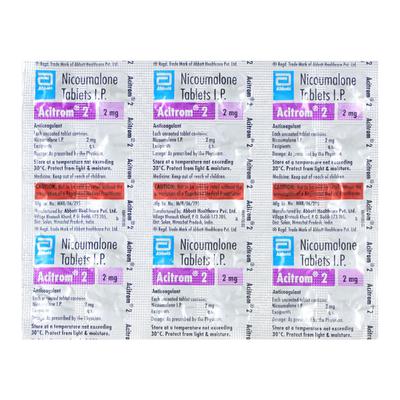
Acitrom 2mg Tablet is an oral anticoagulant formulation commonly included in medical care plans designed to support blood flow balance in individuals at risk of unwanted clot formation. It is especially considered in people with conditions where maintaining proper blood circulation is important, such as certain heart-related conditions or after specific medical procedures. The tablet works by influencing clotting factors in the blood, helping maintain smoother blood flow and reducing the likelihood of clot-related complications over time. Regular use as advised may support overall cardiovascular stability.
This tablet is generally considered suitable for adults who require long-term monitoring of blood clotting parameters under medical supervision. It is often prescribed in situations where careful dose adjustment and regular blood testing are essential. Acitrom Tablet is for oral use only and is usually taken once daily at the same time each day. It should be swallowed with water, with or without food, as directed by a healthcare professional. Consistency in timing and dosage is important, as even small variations can affect its action.
While using Acitrom 2mg Tablet, certain precautions and directions for use should be followed. Regular blood tests such as INR (International Normalized Ratio) are required to ensure the medicine is working within the desired range. Sudden changes in diet, especially foods rich in vitamin K, may influence its effect. Avoid activities that may increase the risk of injury or bleeding. Inform your doctor about all medications and supplements you are taking, as interactions are common.
Acitrom Tablet should be used cautiously in individuals with bleeding disorders, liver or kidney conditions, or a history of gastrointestinal bleeding. Use during pregnancy is generally not recommended unless specifically advised by a healthcare professional, while breastfeeding women should consult a doctor before use. Common side effects may include easy bruising or bleeding tendencies, which require close monitoring. If unusual bleeding or severe reactions occur, immediate medical attention is recommended.
Uses Of ACITROM 2MG TABLET
- Helps manage medical conditions that require blood-thinning therapy
- Helps reduce the risk of harmful blood clot formation
- Supports the management of heart-related conditions needing anticoagulation
- Helps prevent post-surgical blood clots under medical supervision
Benefits of ACITROM 2MG TABLET
Acitrom 2mg Tablet for Blood Clot Management
Acitrom 2mg Tablet is formulated to support balanced blood flow by influencing clotting activity. It is commonly included in medical plans where maintaining proper circulation is essential, helping reduce the chances of clot-related complications under supervision.
Acitrom 2mg Tablet for Heart Health Support
The tablet is often used in individuals with certain heart conditions where clot formation may pose risks. Its action helps maintain smoother blood movement, supporting overall cardiovascular function when monitored properly.
Acitrom 2mg Tablet for Post-Surgical Care
After certain surgeries, there may be a higher risk of clot formation. Acitrom 2mg Tablet may be included as part of a supervised recovery plan to support safer circulation and reduce clot-related concerns.
Acitrom 2mg Tablet for Long-Term Circulation Balance
With consistent and guided use, the tablet helps maintain a steady balance in blood clotting mechanisms. This contributes to improved circulation stability and supports long-term health outcomes in eligible individuals.
How ACITROM 2MG TABLET Works
How Acitrom 2mg Tablet Works in the Body
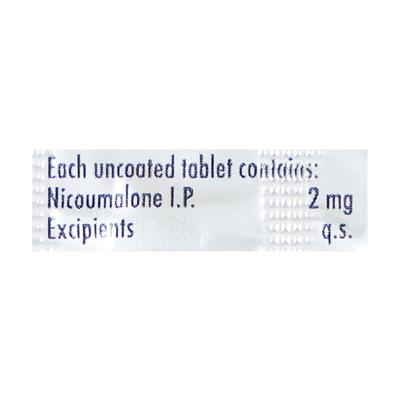
Acitrom 2mg Tablet contains Nicoumalone, which works by influencing the body’s clotting process. It helps regulate clotting factor activity, allowing blood to flow more freely through vessels.
Action of Nicoumalone on Clotting Factors
Nicoumalone reduces the activity of vitamin K-dependent clotting factors in the liver. This controlled reduction helps maintain a balanced clotting mechanism, preventing excessive clot formation while preserving necessary clotting function.
How the Tablet Supports Smooth Blood Flow
By maintaining a controlled clotting environment, Acitrom 2mg Tablet supports smoother circulation and reduces the risk of unwanted blockages in blood vessels. This contributes to better cardiovascular stability when used under medical supervision.
How to use ACITROM 2MG TABLET
How to take Acitrom 2mg Tablet
- Take the tablet exactly as prescribed by your healthcare professional.
- Swallow it whole with water; do not crush or chew.
- Take it at the same time every day for consistent effect.
- Follow your doctor’s advice regarding dosage adjustments based on blood tests.
- Do not stop or change the dose without consulting your doctor.
- Avoid skipping doses to maintain stable blood levels.
What if I forgot to take ACITROM 2MG TABLET
- Take the missed dose as soon as you remember on the same day.
- If it is close to the next dose, skip the missed one.
- Do not double the dose to compensate.
- Continue your regular schedule as advised.
- Consult your doctor if multiple doses are missed.
Overdose
If more than the prescribed amount is taken, seek immediate medical attention. Overdosage may increase the risk of bleeding complications and requires urgent evaluation.
Side Effects Of ACITROM 2MG TABLET
Common
Common side effects of Acitrom 2mg Tablet
- Easy bruising
- Prolonged bleeding
- Nosebleeds
- Bleeding gums
- Weakness or fatigue
- Blood in urine or stools
- Mild gastrointestinal discomfort
When to Seek Medical Attention?
Stop using Acitrom 2mg Tablet and contact your doctor immediately if you experience
- Unusual or heavy bleeding
- Black or tarry stools
- Vomiting blood
- Severe headache or dizziness
- Sudden weakness or numbness
- Signs of allergic reaction such as swelling or breathing difficulty
How To Manage Side Effects

Weakness
- Stay Hydrated: Drink enough water throughout the day to prevent tiredness.
- Balanced Diet: Eat nutritious foods (fruits, vegetables, whole grains, protein).
- Adequate Sleep: Aim for 7–9 hours of quality sleep daily.
- Regular Exercise: Light activities like walking or stretching can boost energy.
- Limit Caffeine & Sugar: Avoid excess intake, especially later in the day.
- Manage Stress: Practice relaxation techniques like deep breathing or meditation.
Warning & Precautions

Pregnancy
Consult your doctorAcitrom 2mg Tablet should be used during pregnancy only if the healthcare professional considers that the expected benefits justify any potential risk to the unborn baby. Self-medication is not recommended due to potential risks.

Breastfeeding
Consult your doctorLimited information is available on the use of Acitrom 2mg Tablet during breastfeeding. Use only after medical guidance, as small amounts may pass into breast milk and require monitoring.

Driving and Using Machines
Use with CautionAcitrom 2mg Tablet is not known to directly affect alertness. However, if you experience dizziness, weakness, or unusual symptoms, avoid tasks requiring focus until you feel normal.

Kidney
Use with CautionPatients with kidney problems should use Acitrom 2mg Tablet cautiously and follow medical advice, as underlying conditions may influence the medicine’s effect and monitoring requirements.

Liver
Monitoring requiredIndividuals with liver disorders should use the tablet with care and under medical supervision, as liver function may affect clotting factor balance and response to the medicine.

Allergy
ContraindicatedDo not take Acitrom 2mg Tablet if you are allergic to Nicoumalone or any of its ingredients. Seek immediate medical help if signs of an allergic reaction appear, such as rash, swelling, or breathing difficulty.

Lungs
Use with CautionAcitrom 2mg Tablet does not directly affect the lungs. However, if you notice unusual breathing difficulty or coughing up blood, seek medical attention promptly.

Heart Disease
Monitoring requiredAcitrom 2mg Tablet is commonly used in individuals with certain heart conditions requiring blood flow management. Use only under medical supervision with regular monitoring.

Use In Pediatrics
Consult your doctorUse in children should be strictly under medical supervision. Dosage and safety require careful evaluation by a healthcare professional.

Use In Geriatrics
Monitoring requiredElderly patients may use Acitrom 2mg Tablet under medical supervision. Extra caution is advised due to increased sensitivity and higher risk of bleeding. Regular monitoring is recommended.
Other Warnings for ACITROM 2MG TABLET
Before taking Acitrom 2mg Tablet, inform your doctor if you
- Have a history of bleeding disorders
- Have upcoming surgery or dental procedures
Who should not take ACITROM 2MG TABLET
Acitrom 2mg Tablet is not recommended for use if you have
- Active bleeding conditions
- Recent major surgery with high bleeding risk
- Uncontrolled hypertension
Safety Advice
- Use Exactly as Prescribed: Take Acitrom 2mg Tablet only as directed by your healthcare professional. Do not change the dose or stop taking it without medical advice, as this may affect blood clotting balance.
- Regular Blood Monitoring Is Essential: Frequent INR (International Normalized Ratio) tests are required to ensure the medicine is working within a safe and effective range. Always attend scheduled check-ups.
- Be Alert for Signs of Bleeding: Watch for unusual bleeding such as nosebleeds, bleeding gums, blood in urine or stools, or easy bruising. Seek medical attention if any of these occur.
- Maintain a Consistent Diet: Sudden changes in foods rich in vitamin K (such as green leafy vegetables) may affect how the medicine works. Keep your diet consistent and inform your doctor about major dietary changes.
- Avoid Injury-Prone Activities: Since the tablet may increase bleeding risk, avoid activities that may lead to cuts, falls, or injuries. Use protective measures where necessary.
- Inform Healthcare Providers: Always inform doctors, dentists, or pharmacists that you are taking Acitrom before any procedure or when starting new medicines.
- Limit Alcohol Intake: Alcohol may increase the risk of bleeding or interfere with the medicine’s effect. Follow your doctor’s advice regarding consumption.
- Avoid Self-Medication: Do not take over-the-counter medicines, herbal supplements, or painkillers without consulting your doctor, as many can interact with Acitrom.
- Take at the Same Time Daily: Consistent timing helps maintain stable levels in the body and improves safety and effectiveness.
- Keep Emergency Information Handy: Carry a medical card or inform close contacts that you are taking a blood thinner, so appropriate care can be given in emergencies.
Diet and Lifestyle Advice
- Maintain a Consistent Diet: Keep your intake of vitamin K-rich foods (such as spinach, broccoli, and other green leafy vegetables) consistent. Sudden increases or decreases may affect how the medicine works.
- Stay Well Hydrated: Drink adequate water throughout the day to support overall circulation and body balance.
- Limit Alcohol Intake: Alcohol may increase the risk of bleeding or interfere with the medicine’s effect. Follow your doctor’s advice regarding safe consumption.
- Eat Balanced Meals: Include fruits, vegetables, whole grains, and lean proteins to support general health and maintain stable body functions.
- Avoid Excessive Junk or Processed Foods: Highly processed, salty, or unhealthy foods may negatively impact overall health and recovery.
- Be Careful with Herbal Supplements: Some herbal products like garlic, ginger, or ginkgo may increase bleeding tendency. Always consult your doctor before using them.
- Avoid Smoking: Smoking may affect blood vessels and overall cardiovascular health. Quitting smoking can support better long-term outcomes.
- Exercise Safely: Engage in light to moderate physical activity like walking, but avoid high-risk activities that may lead to injury or bleeding.
- Practice Good Hygiene: Use a soft toothbrush and be gentle while shaving to reduce the risk of bleeding from gums or skin.
- Monitor Your Health Regularly: Attend all follow-up appointments and blood tests (INR monitoring) to ensure the medicine is working safely.
- Avoid Sudden Lifestyle Changes: Major changes in diet, activity, or habits should be discussed with your healthcare provider, as they may influence the medicine’s effect.
- Be Consistent with Routine: Take your medication at the same time every day and follow a stable daily routine to help maintain consistent results.
1. Acitrom 2mg Tablet and Warfarin – blood clot management
|
Feature / Aspect |
Acitrom 2mg Tablet |
Warfarin |
|
Active ingredient |
Nicoumalone (oral anticoagulant) |
Warfarin (vitamin K antagonist) |
|
Mode of action |
Reduces activity of vitamin K-dependent clotting factors |
Inhibits synthesis of vitamin K-dependent clotting factors |
|
Therapeutic use |
Used for blood clot management and prevention |
Used for similar indications including clot prevention |
|
Onset of action |
Faster onset compared to warfarin |
Slower onset; may take a few days |
|
Duration of action |
Shorter duration; requires closer monitoring |
Longer duration; more stable effect |
|
Monitoring |
Requires regular INR monitoring |
Requires regular INR monitoring |
|
Dose adjustment |
Frequent dose adjustments may be needed |
Dose adjustments based on INR response |
|
Drug interactions |
High potential for interactions |
High potential for interactions |
|
Common side effects |
Bleeding, bruising |
Bleeding, bruising |
|
Overall usability |
Preferred where shorter action and flexibility are needed |
Preferred for long-term stable anticoagulation |
2. Acitrom 2mg Tablet and Heparin – anticoagulation therapy comparison
|
Feature / Aspect |
Acitrom 2mg Tablet |
Heparin |
|
Active ingredient |
Nicoumalone |
Heparin |
|
Route of administration |
Oral tablet |
Injectable (IV or subcutaneous) |
|
Mode of action |
Inhibits vitamin K-dependent clotting factors |
Enhances antithrombin activity to inhibit clotting factors |
|
Onset of action |
Delayed onset |
Immediate onset |
|
Duration of action |
Longer acting (hours to days) |
Short acting |
|
Monitoring |
INR monitoring required |
aPTT monitoring required |
|
Use setting |
Suitable for long-term outpatient use |
Commonly used in hospital settings |
|
Convenience |
Easy oral administration |
Requires injections |
|
Common side effects |
Bleeding, bruising |
Bleeding, injection site reactions |
|
Overall usability |
Ideal for maintenance therapy |
Ideal for rapid anticoagulation and emergency use |
Drug - Drug interaction
1. Other Anticoagulants (e.g., heparin, warfarin)
- Interaction: Using Acitrom with other blood thinners may significantly increase the risk of excessive bleeding.
- Management: Avoid combination unless specifically prescribed. If required, close monitoring of INR and clinical condition is essential.
2. Antiplatelet Medicines (e.g., aspirin, clopidogrel)
- Interaction: These medicines may enhance the blood-thinning effect, increasing the likelihood of bleeding complications.
- Management: Use only under strict medical supervision. Regular monitoring and dose adjustments may be required.
3. Non-Steroidal Anti-Inflammatory Drugs (NSAIDs) (e.g., ibuprofen, diclofenac)
- Interaction: NSAIDs may increase the risk of stomach bleeding and ulcers when taken with Acitrom.
- Management: Avoid routine use. Prefer safer alternatives as advised by your doctor.
4. Antibiotics (e.g., erythromycin, ciprofloxacin)
- Interaction: Some antibiotics may alter the metabolism of Nicoumalone, leading to increased bleeding risk or changes in INR levels.
- Management: Inform your doctor before starting antibiotics. INR monitoring may be required more frequently.
5. Antifungal Medicines (e.g., fluconazole, ketoconazole)
- Interaction: These medicines may increase the blood levels of Acitrom, raising the risk of bleeding.
- Management: Use with caution under medical supervision and monitor INR closely.
6. Antiepileptic Drugs (e.g., phenytoin, carbamazepine)
- Interaction: These medicines may reduce the effectiveness of Acitrom by increasing its breakdown in the body.
- Management: Dose adjustments and regular INR checks may be necessary.
7. Thyroid Medicines (e.g., levothyroxine)
- Interaction: Changes in thyroid hormone levels may affect clotting factor activity and alter the response to Acitrom.
- Management: Monitor INR when starting or adjusting thyroid medication.
8. Herbal Supplements (e.g., ginkgo biloba, garlic, St. John’s wort)
- Interaction: Some herbal products may increase bleeding risk or interfere with how Acitrom works.
- Management: Avoid self-use of herbal supplements unless approved by your doctor.
9. Proton Pump Inhibitors (e.g., omeprazole)
- Interaction: May slightly affect Acitrom metabolism and INR levels in some individuals.
- Management: Usually safe with monitoring but inform your doctor if used long-term.
10. Corticosteroids (e.g., prednisolone)
- Interaction: May increase the risk of gastrointestinal bleeding when used with Acitrom.
- Management: Use cautiously and under supervision, especially for long-term therapy.
Drug - Food interaction
1. Vitamin K-Rich Foods (e.g., spinach, kale, broccoli)
- Interaction: High intake of vitamin K may reduce the effectiveness of Acitrom by promoting clotting factor activity. Sudden dietary changes can lead to fluctuations in INR levels.
- Management: Do not avoid these foods completely but maintain a consistent intake. Inform your doctor about any significant dietary changes.
2. Cranberry Juice and Products
- Interaction: Cranberry may enhance the effect of Acitrom, increasing the risk of bleeding in some individuals.
- Management: Consume cautiously and inform your doctor if you regularly take cranberry products.
3. Grapefruit and Grapefruit Juice
- Interaction: Grapefruit may interfere with liver enzymes involved in drug metabolism, potentially altering Acitrom levels in the body.
- Management: Avoid or limit grapefruit intake unless advised otherwise by your doctor.
4. High-Fat Meals
- Interaction: Very high-fat meals may delay the absorption of the medicine, slightly affecting its onset of action.
- Management: Maintain a balanced diet and take the tablet consistently with or without food as advised.
5. Herbal Teas and Supplements (e.g., green tea, garlic, ginger)
- Interaction: Some herbal products may either increase bleeding risk or reduce the effectiveness of Acitrom depending on their properties.
- Management: Avoid excessive consumption and consult your doctor before using herbal products regularly.
6. Foods Rich in Vitamin E (e.g., nuts, seeds, vegetable oils)
- Interaction: High amounts of vitamin E may increase bleeding tendency when combined with Acitrom.
- Management: Consume in moderation and avoid high-dose supplements unless prescribed.
7. Protein-Rich Diets
- Interaction: Sudden changes in protein intake may influence how the medicine binds in the body, potentially affecting its action.
- Management: Maintain a consistent and balanced protein intake.
Synopsis
|
Drug |
Nicoumalone |
|
Product Category |
Anticoagulants |
|
Therapeutic Indication |
Blood clot management |
|
Dosage Forms |
Tablet |
More Information
Storage
- Store at room temperature, away from moisture and heat.
- Keep out of reach of children and pets.
FAQs About ACITROM 2MG TABLET
Q: What is Acitrom 2mg Tablet used for?
A: Acitrom 2mg Tablet contains Nicoumalone, an oral medication used under medical supervision to support balanced blood clotting. It helps maintain proper blood flow and is commonly included in long-term care plans.
Q: How does Acitrom Tablet work?
A: It works by influencing clotting factors in the blood, helping maintain a controlled clotting process and supporting smoother circulation.
Q: Can I take Acitrom daily?
A: Yes, it is usually taken once daily, but only as prescribed. Regular monitoring is important to ensure safe use.
Q: Do I need blood tests while taking Acitrom?
A: Yes, regular INR blood tests are essential to monitor how well your blood is clotting.
Q: Can diet affect Acitrom?
A: es, certain foods especially those high in vitamin K can reduce or alter Acitrom effect. Green leafy vegetables, herbal supplements, and sudden diet changes may impact INR levels. Try to maintain a consistent diet and discuss any major dietary changes with your doctor.
Q: What should I avoid while taking Acitrom?
A: Avoid injury-prone activities, alcohol excess, and unapproved medications that may increase bleeding risk.
Q: Can Acitrom cause bleeding?
A: Yes, Acitrom can increase the tendency to bleed because it is a blood thinner.
Q: Is Acitrom safe for long-term use?
A: Acitrom can be used long-term, but only under strict medical supervision.
Q: Can I stop taking Acitrom suddenly?
A: No, stopping Acitrom abruptly can increase your risk of dangerous blood clots.Sudden discontinuation may lead to stroke, heart attack, or clot recurrence. Always consult your doctor before making any changes to your dosage.
Q: Can Acitrom be taken with other medicines?
A: Many medicines can interact with Acitrom and affect your INR levels. This includes painkillers, antibiotics, herbal supplements, and even some foods. Inform your doctor about all medications you take to avoid harmful interactions.
References
1. K.D. Tripathi MD. Drugs Affecting Coagulation Bleeding and Thrombosis. Essentials of Medical Pharmacology. Seventh Edition. 2019. Page 620-623.
2. Norgine Pharmaceuticals Limited. Electronic Medicines Compendium (EMC). [Revised in June 2025] [Accessed on 6th April 2026] 
3.A J Brafield. Nicoumalone. NIH National Library of Medicine, National center for biotechnology information. PubMed Central. [Revised in 9th May 1959]. [Accessed on 8th April 2026] 