



Netmeds First Membership
Introduction About ACILOC RD 20 TABLET
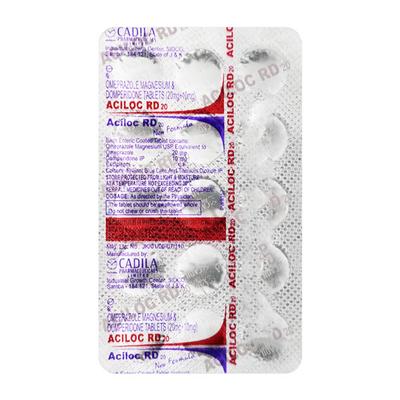
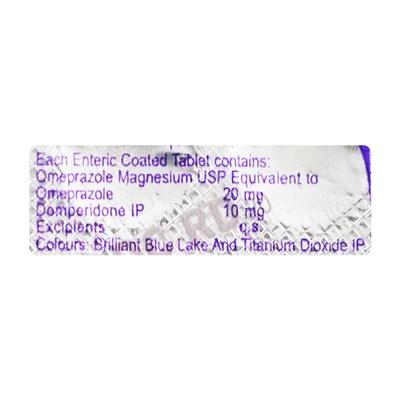
Aciloc RD 20 (Domperidone 10 mg + Omeprazole 20 mg) is commonly prescribed to provide dual relief If you frequently experience persistent acidity, heartburn, bloating, or acid reflux that interferes with daily comfort. This combination medicine works by reducing excess stomach acid production while also improving stomach motility. Omeprazole, a proton pump inhibitor (PPI), decreases gastric acid secretion by up to 90% over 24 hours, while Domperidone helps accelerate gastric emptying, reducing symptoms like nausea, fullness, and regurgitation.
Aciloc RD 20 is typically used in the management of gastroesophageal reflux disease (GERD), functional dyspepsia, gastritis, and acid-related indigestion. It is especially suitable for patients who experience acid reflux with associated nausea or delayed gastric emptying. Adults with recurrent heartburn (more than twice weekly), bloating after meals, or reflux-related throat discomfort may benefit most. It is generally taken once daily, 15–30 minutes before meals (preferably before breakfast), swallowed whole without crushing or chewing.
Patients should follow prescribed dosages strictly and avoid self-medication for prolonged periods. Long-term PPI use may be associated with vitamin B12 deficiency, calcium malabsorption, or increased risk of certain infections. Domperidone carries a precaution in patients with underlying heart rhythm disorders, as it may rarely affect cardiac conduction. The medicine should be used cautiously in individuals with liver impairment. In pregnancy and breastfeeding, it should only be used if clearly advised by a healthcare provider after evaluating benefits versus risks.
Common side effects may include dry mouth, headache, abdominal pain, diarrhoea, Flatulence. Always consult a doctor before taking this medicine
Uses Of ACILOC RD 20 TABLET
It is used to manage:
- Gastroesophageal reflux disease (GERD)
- Functional dyspepsia
- Gastritis
- Frequent heartburn and a burning sensation in the chest
- Acid regurgitation
- Bloating and uncomfortable fullness after meals
- Nausea and delayed stomach emptying related to acidity
Benefits of ACILOC RD 20 TABLET
Aciloc RD 20 Tablet for Acid Reflux Symptoms
Helps reduce excess stomach acid and improves digestion, providing effective relief from acid reflux and related discomfort.
Support for Frequent Heartburn and Chest Burning
Alleviates the burning sensation in the chest caused by acid irritation of the food pipe.
Relief from Bloating and Post-Meal Fullness
Improves stomach movement, helping reduce heaviness, bloating, and uncomfortable fullness after meals.
Management of GERD-Related Discomfort
Commonly prescribed for Gastroesophageal Reflux Disease (GERD) to ease symptoms like irritation, regurgitation, and indigestion.
Helps Reduce Sour Taste and Acid Regurgitation
Minimizes the backflow of stomach acid into the throat, reducing sour taste and throat discomfort.
Support for Upper Abdominal Discomfort
Provides relief from pain or uneasiness in the upper abdomen associated with acidity and gastritis.
How ACILOC RD 20 TABLET Works
1)How Omeprazole Reduces Gastric Acid Production
Omeprazole blocks the final step of acid formation in the stomach by acting on specialized acid-secreting cells. This lowers excessive acid levels, helping reduce irritation, burning sensation, and damage caused by acid exposure.
2)How Domperidone Supports Gastric Motility
Domperidone enhances coordinated stomach contractions. By promoting smoother and faster movement of food toward the intestine, it helps decrease stagnation of food that can trigger discomfort and reflux symptoms.
3)Role of Proton Pump Inhibitors in Acid Control
Proton Pump Inhibitors (PPIs) are widely prescribed for acid-related conditions because they provide sustained acid suppression. This controlled environment supports recovery of the digestive lining and reduces symptom recurrence.
4)How Prokinetic Agents Improve Stomach Movement
Prokinetic agents regulate digestive flow by strengthening the forward movement of stomach contents. This action helps limit upward movement of stomach contents and supports comfortable digestion.
5)Why Omeprazole and Domperidone Are Used Together
Using both ingredients together addresses two key digestive concerns ,excessive acid levels and sluggish stomach movement, providing broader relief from digestive discomfort.
6)How the Combination Works in the Upper Digestive Tract
The medicine acts locally in the stomach to balance acid output and regulate digestive motility. By supporting both protective and functional aspects of digestion, it helps reduce irritation and digestive uneasiness.
7)What Happens After You Take Aciloc RD 20 Tablet
Once taken before food, the medicine begins working at the stomach level to regulate acid levels and improve digestive flow, helping you feel more comfortable after meals.
8)Understanding Stomach Acid Production
Acid plays an important role in breaking down food. Problems arise when production becomes excessive or unregulated, leading to discomfort and irritation.
9)How the Tablet Acts on the Stomach Lining
The formulation helps create a less acidic environment, which supports the natural protective barrier of the stomach lining.
10)How Gastric Emptying Is Supported
By improving the rhythm of stomach contractions, the tablet assists in moving food efficiently into the intestine, promoting smoother digestion.
How to use ACILOC RD 20 TABLET
1)How to Take Aciloc RD 20 Tablet
- Take Aciloc RD 20 exactly as prescribed by your doctor. Usually, it is taken once daily to manage acid-related discomfort effectively.
- For best results, take the tablet 15–30 minutes before meals, preferably before breakfast. This helps the medicine start working before food enters the stomach.
- It is generally taken in the morning. Taking it at night may be advised only in special cases by your doctor.
2)Recommended Dosage for Adults
- Adults are usually prescribed one tablet per day, unless a healthcare provider advises otherwise.
- Do not take more than one tablet per day unless specifically instructed by your doctor.
- Swallow the tablet whole with water. Do not crush, chew, or break it.
What if I forgot to take ACILOC RD 20 TABLET
If you miss a dose, take it as soon as you remember. Skip the missed dose if it is almost time for the next one. Do not double the dose.
Overdose
If you or anyone else accidentally takes too much Aciloc RD 20 mg Tablet, consult your doctor immediately or visit the nearest hospital.
Side Effects Of ACILOC RD 20 TABLET
Common
- Dry mouth
- Stomach pain
- Diarrhea
- Headache
- Flatulence
When to consult a doctor?
- Signs of an allergic reactions such as rashes, swelling, itching, or difficulty breathing
How To Manage Side Effects

Diarrhea
- Stay Hydrated: Drink plenty of water, oral rehydration solutions, or clear fluids to replace lost fluids and avoid dehydration.
- Eat Light: Consume soft, easily digestible foods like rice, bananas, toast, or yogurt to ease stomach discomfort.
- Avoid Heavy or Greasy Meals: Limit spicy, oily, or very rich foods that may worsen loose stools.
- Rest and Take it Easy: Give your digestive system time to recover by avoiding strenuous activity.
- Monitor Symptoms: Contact your doctor if diarrhea persists for more than a couple of days, becomes severe, or is accompanied by fever, blood, or dehydration.

Headache
- Stay Hydrated: Drink plenty of water throughout the day to help ease headache symptoms.
- Rest in a Quiet Environment: Minimize noise and bright lights by resting in a calm, dark room.
- Use Over-the-Counter Pain Relief: Consult your doctor about using mild pain relievers like acetaminophen to alleviate headaches.
- Avoid Stressful Activities: Limit activities that increase stress or physical exertion when experiencing headaches.
- Seek Medical Advice: Contact your healthcare provider if headaches become severe, persistent, or are accompanied by other symptoms.
Warning & Precautions

Pregnancy
Consult your doctorThere is no proper information regarding the use of this medicine in pregnant women. Consult your doctor before taking it.

Breastfeeding
ContraindicatedAciloc RD 20 mg may pass into breast milk. It is generally not recommended during breastfeeding unless advised by your doctor. Consult your doctor before taking this medicine.

Driving and Using Machines
Use with CautionAvoid driving or operating machinery if you experience sl??pin?ss or other side effects after taking Aciloc RD 20 mg tablet. Consult a doctor before taking this medicine

Alcohol
Consult your doctorAvoid consumption of alcohol while taking ACILOC RD 20 TABLET, as it could aggravate your existing condition.

Kidney
ContraindicatedAciloc RD 20 is not recommended for people with kidney problems unless advised by a doctor. Consult your healthcare provider before taking this medicine.

Liver
ContraindicatedAciloc RD 20 is not recommended for people with liver problems unless advised by a doctor. Consult your healthcare provider before taking this medicine.

Allergy
ContraindicatedDo not take Aciloc RD 20 if you are allergic to omeprazole, domperidone, or any of the other ingredients in this medicine.

Heart Disease
ContraindicatedAciloc RD 20 is not recommended for people with heart problems unless advised by a doctor. Consult your healthcare provider before taking this medicine.

Use In Pediatrics
Consult your doctorACILOC RD 20 TABLET should be used in children and adolescents (aged 12 years or above, weighing 35kg or more). It is not recommended for use in children and adolescents (aged below 12 years). However, consult your doctor before taking it.

Use In Geriatrics
Use with CautionACILOC RD 20 TABLET should be used with caution in elderly patients (aged 65 years and above). Therefore, consult your doctor before taking it.
Other Warnings for ACILOC RD 20 TABLET
Before taking ACILOC RD 20 TABLET inform your doctor if you:
- have osteoporosis
- have vitamin B12 deficiency (sore tongue, mouth ulcers, pale skin, depression)
- are going to test Chromogranin A level
Who should not take ACILOC RD 20 TABLET
ACILOC RD 20 TABLET is not recommended for use if you:
- have bloody stools or bleeding in the gut
- have blockage or tear in the intestines
- have severe fluid or electrolyte disturbances
- have prolactinoma (a non-cancerous tumor of pituitary gland)
- have low blood potassium or magnesium levels
- have hyperkalemia (high blood potassium levels)
Drug - Drug interaction
1) Aspirin
Interaction: May increase the risk of stomach irritation when used together.
Effect: Higher chance of gastric discomfort in sensitive individuals.
management: Use together only under medical supervision, especially if you have a history of ulcers.
2) Ciprofloxacin
Interaction: May increase the risk of heart rhythm disturbances when combined with domperidone.
Effect: Irregular heartbeat in susceptible patients.
management: Caution is advised, particularly in patients with existing heart conditions.
3) Atorvastatin
Interaction: No major interaction reported.
Effect: Generally safe when used together under supervision.
management: Routine monitoring as advised by your doctor.
4) Ketoconazole, Itraconazole, Voriconazole
Interaction: These antifungals may increase domperidone levels.
Effect: Higher risk of heart rhythm-related side effects.
management: Inform your doctor before combining these medicines.
5) Erlotinib
Interaction: Reduced absorption due to lowered stomach acid.
Effect: May decrease the effectiveness of erlotinib.
management: Doctor may adjust timing or therapy.
6) Methotrexate
Interaction: Omeprazole may increase methotrexate levels.
Effect: Increased risk of side effects.
management: Close medical monitoring may be required.
7) Citalopram, Escitalopram, Duloxetine
Interaction: Increased risk of heart rhythm changes or serotonin-related effects.
Effect: Palpitations or unusual symptoms in rare cases.
management: Use cautiously and report unusual symptoms.
8) Alprazolam
Interaction: May increase sedative effects.
Effect: Increased drowsiness.
management: Avoid activities requiring alertness if affected.
9) Cyanocobalamin (Vitamin B12)
Interaction: Long-term omeprazole use may reduce Vitamin B12 absorption.
Effect: Possible deficiency with prolonged use.
management: Periodic monitoring may be advised.
10) Phenytoin
Interaction: Omeprazole may increase phenytoin levels.
Effect: Higher risk of phenytoin-related side effects.
management: Dose monitoring may be required.
11) Cisapride
Interaction: Increased risk of serious heart rhythm problems.
Effect: Potentially dangerous arrhythmias.
management: Avoid using together.
12) Digoxin
Interaction: Omeprazole may increase digoxin absorption.
Effect: Increased risk of digoxin toxicity.
management: Regular monitoring of digoxin levels is recommended.
13) Tacrolimus
Interaction: May increase tacrolimus concentration in the blood.
Effect: Increased risk of kidney-related side effects.
management: Close monitoring required.
14) Rifampicin
Interaction: May reduce omeprazole levels by increasing its breakdown.
Effect: Reduced effectiveness of acid control.
management: Inform your doctor; dose adjustment may be necessary.
Synopsis
| Drug | : | Domperidone, Omeprazole |
| Pharmacological Category | : | Dopamine (D2) Receptor antagonists, Proton pump inhibitors |
| Therapeutic Indication | : | Peptic ulcer, GERD, Zollinger Ellison Syndrome, Acidity, Heartburn, Indigestion |
| Dosage Forms | : | Tablet, Capsule |
More Information
1)When Doctors Consider This Combination ?
Doctors may consider a combination acid-control formulation when a single-ingredient medicine does not provide adequate symptom relief. This approach is usually recommended after evaluating the patient’s symptom pattern, severity, and medical history.
This combination may be considered in the following situations:
- Persistent Acid-Related Symptoms
When symptoms such as heartburn, acidity, or upper abdominal discomfort continue despite using a single acid-reducing ingredient, doctors may suggest a combination to provide broader symptom control. - Multiple Digestive Complaints Together
If acidity is associated with symptoms like bloating, gas, or indigestion, a multi-ingredient formulation may be preferred to address different underlying factors contributing to discomfort. - Frequent or Recurring Episodes
For individuals experiencing repeated episodes of acid discomfort, a doctor may recommend a combination product for more comprehensive acid management. - Night-Time Symptoms
If symptoms worsen at night or after meals, combining ingredients with complementary actions may help provide longer-lasting comfort. - Doctor-Guided Therapy Adjustment
When a patient does not respond adequately to initial therapy, healthcare professionals may modify the regimen and consider a combination option tailored to the patient’s needs.
Always use acid-control medicines only under medical supervision. Self-medication or prolonged use without advice may not be appropriate for everyone.
What Makes This Different from Single-Ingredient Acid Tablets?
Combination acid tablets differ from single-ingredient tablets because they contain two or more active components that work in complementary ways to support digestive comfort.
Here’s how they may differ:
- Dual or Complementary Action
While single-ingredient tablets target one mechanism (such as reducing acid production or neutralizing acid), combination tablets are formulated to support multiple pathways involved in acid discomfort. - Broader Symptom Coverage
Single-ingredient products typically focus on one primary symptom. Combination tablets may be selected when patients experience acidity along with related complaints like heaviness or gas. - Balanced Formulation
A combination is designed to provide coordinated action, which may help improve overall digestive comfort compared to relying on one active ingredient alone. - Doctor-Directed Use
Combination tablets are often considered when standard single-ingredient therapy does not provide satisfactory symptom control.
Consumer Safety Note
- Use only as prescribed by your doctor.
- Do not exceed the recommended dosage.
- Inform your doctor about any ongoing medical conditions or other medicines you are taking.
- Seek medical advice if symptoms persist or worsen.
FAQs About ACILOC RD 20 TABLET
Q: Can Aciloc RD 20 be taken before food?
A: Yes, Aciloc RD 20 is usually taken before meals, preferably 15–30 minutes before food, or as directed by your doctor. Taking it before meals helps the medicine work more effectively in controlling acid-related symptoms.
Q: Is Aciloc RD 20 suitable for long-term use?
A: Aciloc RD 20 should be used for the duration advised by your doctor. Long-term use may be recommended in certain conditions, but only under medical supervision. Regular follow-up may be required if the medicine is prescribed for an extended period.
Q: Does Aciloc RD 20 cause drowsiness?
A: Some individuals may experience drowsiness, dizziness, or fatigue while taking Aciloc RD 20. If you notice such symptoms, avoid driving or operating heavy machinery and inform your doctor.
Q: What is Aciloc RD 20 used for?
A: Aciloc RD 20 is commonly prescribed for managing acid-related digestive symptoms, such as heartburn, acidity, indigestion, and upper abdominal discomfort, as advised by a healthcare professional.
Q: How should I take Aciloc RD 20?
A: Swallow the capsule whole with a glass of water. Do not crush or chew it. Follow the dosage schedule recommended by your doctor for best results.
Q: Can Aciloc RD 20 be taken daily?
A: It may be taken daily if prescribed by your doctor. The dosage and duration depend on your medical condition and response to therapy.
Q: Are there any common side effects of Aciloc RD 20?
A: Some people may experience mild side effects such as headache, dry mouth, stomach discomfort, or dizziness. These effects are usually temporary. Consult your doctor if symptoms persist or become bothersome.
Q: Can I take Aciloc RD 20 with other medicines?
A: Inform your doctor about all medicines you are currently taking, including supplements and herbal products. This helps avoid possible interactions.
Q: Is Aciloc RD 20 safe during pregnancy or breastfeeding?
A: If you are pregnant, planning pregnancy, or breastfeeding, consult your doctor before taking Aciloc RD 20. Your healthcare provider will decide if it is appropriate for you.
Q: What should I do if I miss a dose?
A: If you miss a dose, take it as soon as you remember. If it is almost time for your next scheduled dose, skip the missed dose. Do not double the dose to make up for the missed one
References
1.KD. Tripathi. Antiemetic, Prokinetic and Digestant Drugs, Drugs for Peptic Ulcer and Gastroesophageal Reflux Disease. Essentials of Medical Pharmacology. Eighth edition. 2019. Page 715, 700.
2)Fengxiu Wang , Xiaoqi Zhang , Jinqiang Wang .Effects of domperidone in combination with omeprazole in the management of chronic superficial gastritis. . NIH National Library of Medicine. National Centre for Biotechnology Information. PMC PubMed Central. 2017 Mar-Apr, [Accessed on 04th March 2026] 
3)Incuity Pharma Pvt.Ltd, Omevigic-D, [Accessed on 04th March 2026] 
4)Taj Pharma India Limited. Omeprazole and Domperidone Capsules [Accessed on 04th march 2026]
5)Janaxa Pharmaceuticals Pvt. Ltd. LABZOL D [Accessed on 04th March 2026]
6)Ledford healthcare limited. Omefol-d, [Accessed on 04th March 2026]
Author Details