


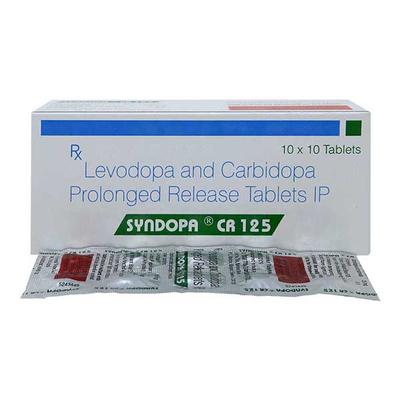


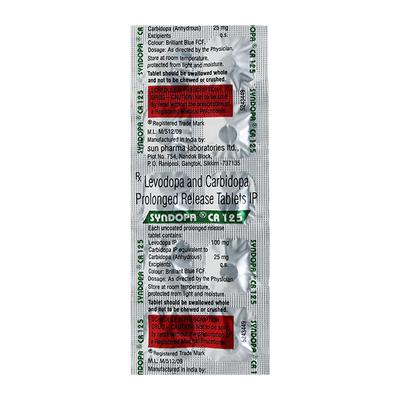


Syndopa CR 125mg Tablet 10'S

Netmeds First Membership
Quick Links
Introduction About SYNDOPA CR 125MG TABLET
Syndopa CR 125mg Tablet is specifically formulated to support individuals experiencing symptoms related to Parkinson’s disease, a neurological condition that affects movement. Parkinson’s symptoms, such as muscle stiffness, tremors, slow movements, and coordination difficulties, arise from reduced dopamine levels in the brain. This medication combines Levodopa, which converts into dopamine to replenish the brain’s supply, and Carbidopa, which prevents premature breakdown of Levodopa, allowing more of it to reach the brain effectively. It is ideal for patients diagnosed with Parkinson’s disease who require improved motor function and reduced symptom fluctuations.
For optimal results, Syndopa CR 125mg Tablet should be taken exactly as prescribed by a healthcare professional, preferably on an empty stomach to enhance absorption. The extended-release formulation allows the active ingredients to work steadily throughout the day, reducing the frequency of doses needed and providing a more consistent therapeutic effect. Patients should swallow the tablet whole without crushing or chewing it, and avoid consuming high-protein meals at the time of dose as proteins may interfere with the medicine’s absorption. Consistency in timing and dose is important to maintain symptom control and prevent sudden “off” periods where symptoms may worsen.
Certain precautions are essential when using Syndopa CR 125mg Tablet. Avoid alcohol consumption to prevent increased dizziness or drowsiness. Caution is advised for patients with kidney, liver, or heart conditions, and those with a history of mental health disorders or glaucoma. It is not recommended for pregnant or breastfeeding women, and usage in children under 18 years is generally discouraged. Elderly patients may require dose adjustments and close monitoring to ensure safety and effectiveness. Inform your healthcare provider of your complete medical history before starting the medication, especially if you have a history of seizures, stomach ulcers, or sleep disorders.
Common side effects include nausea, involuntary muscle movements, dry mouth, loss of appetite, and occasional dizziness. Most side effects are mild and manageable, but any severe or persistent symptoms should be promptly reported to a doctor. Following medical advice carefully and attending regular check-ups helps ensure safe use and maximizes the benefits of Syndopa CR 125mg Tablet in managing the challenging symptoms of Parkinson’s disease.
Uses Of SYNDOPA CR 125MG TABLET
- Used to improve the signs of Parkinsonism
Benefits of SYNDOPA CR 125MG TABLET
Syndopa CR 125mg Tablet for Parkinson’s Disease
Syndopa CR 125mg Tablet is primarily prescribed for managing Parkinson’s disease, a neurological disorder characterized by reduced dopamine levels in the brain. This condition leads to symptoms like tremors, muscle stiffness, slow movements, and difficulty in maintaining balance. By combining Levodopa, which converts to dopamine in the brain, and Carbidopa, which prevents the premature breakdown of Levodopa, Syndopa CR helps replenish dopamine levels effectively. This targeted action aids in reducing the classic motor symptoms of Parkinson’s, improving patients’ ability to perform daily activities more easily.
Syndopa CR 125mg Tablet for Motor Function Improvement
A significant benefit of Syndopa CR 125mg Tablet is its ability to enhance motor function in Parkinson’s patients. By stabilizing dopamine levels, it reduces motor fluctuations often experienced during daily life commonly known as "off" periods thereby supporting smoother and more controlled muscle movements. This extended-release formulation ensures a steady release of medication over time, helping maintain consistent motor function and lessening episodes of immobility or tremors. Patients often report improved walking, coordination, and overall mobility with regular use under medical supervision.
Syndopa CR 125mg Tablet for Muscle Coordination
Muscle coordination can be significantly impaired in Parkinson’s disease due to the lack of dopamine signalling in the brain. Syndopa CR 125mg Tablet addresses this issue by restoring dopamine levels, which are critical for transmitting movement commands from the brain to muscles. The combined action of Levodopa and Carbidopa helps reduce muscle rigidity and spasms, leading to better coordination and smoother voluntary muscle movements. This improvement supports patients in regaining balance, reducing falls, and enhancing the ease with which they carry out routine physical tasks, ultimately contributing to a better quality of life.
How SYNDOPA CR 125MG TABLET Works
Mechanism of Action of Syndopa CR 125 Tablet (Short Form)
Syndopa CR 125 Tablet contains two active ingredients, Levodopa and Carbidopa, that work together to manage Parkinson’s disease symptoms. Levodopa crosses the blood-brain barrier and converts into dopamine, a neurotransmitter essential for controlling muscle movements. Carbidopa prevents the premature breakdown of Levodopa outside the brain, ensuring more Levodopa reaches the brain effectively.
The extended-release formulation provides a steady release of medication, maintaining stable dopamine levels throughout the day. This helps reduce motor fluctuations and improves symptoms like tremors, muscle rigidity, and poor coordination. Together, Levodopa and Carbidopa restore dopamine balance, leading to enhanced motor function and improved quality of life for patients with Parkinson’s disease.
How to use SYNDOPA CR 125MG TABLET
How to Take Syndopa CR 125 Tablet
- Take Syndopa CR 125 tablet exactly as prescribed by your doctor.
- Swallow the tablet whole with a glass of water; do not crush, break, or chew it.
- It is usually recommended to take the tablet on an empty stomach for better absorption, with at least a two-hour gap from meals.
- Avoid taking the tablet with high-protein foods (such as meat, cheese, eggs) as they may interfere with the medicine’s effectiveness.
- Take the medication at the same times every day to maintain consistent levels in your body.
- If you miss a dose, take it as soon as you remember, but if it is near the time for your next dose, skip the missed one do not double the dose.
- Do not stop taking Syndopa CR abruptly without consulting your doctor, as this may cause withdrawal symptoms like muscle stiffness or high fever.
- Follow your healthcare provider’s instructions on dosage adjustments and report any side effects promptly.
What if I forgot to take SYNDOPA CR 125MG TABLET
- Take the missed dose as soon as you remember it.
- If it is almost time for your next scheduled dose, skip the missed dose.
- Do not take a double dose to make up for the missed one.
- Continue with your regular dosing schedule after skipping the missed dose.
- If you have any doubts or concerns about missed doses, consult your doctor or pharmacist for guidance.
Overdose
If you or someone else accidentally takes more than the prescribed dose of Syndopa CR 125mg tablet, seek immediate medical attention by contacting your doctor or going directly to the hospital. Prompt action is essential to manage any potential overdose symptoms.
Side Effects Of SYNDOPA CR 125MG TABLET
Common side effects of Syndopa CR 125mg tablet
- abnormal body movements (dyskinesia, chorea, dystonia)
- nausea, vomiting, dry mouth, bitter taste
- loss of appetite
- low blood pressure while standing up from sitting or lying position (orthostatic hypotension), fainting
- confusion, dizziness, nightmares, drowsiness, tiredness, sleeplessness
- feeling euphoria (an extremely strong feeling of happiness)
When to Seek Medical Attention?
Stop taking Syndopa CR 125mg tablet and contact your doctor immediately if you experience any of the following side effects:
- signs of allergic reactions (such as skin rash, itching, swelling
of your face, lips, tongue or throat, which may cause difficulty in breathing or swallowing) - chest pain, uneven heartbeat or palpitations
- signs of bleeding in the stomach which may be shown as blood in faeces or darkened faeces
- signs of low blood counts (such as pale skin, fever, tiredness, sore throat or mild bruising and prolonged bleeding after injury)
- signs of neuroleptic malignant syndrome (muscle stiffness with high fever, sweating, increased salivation, inability to sit still, impaired consciousness)
- mental changes including hallucinations, delusions and depression
- fits (convulsions)
How To Manage Side Effects

Dizziness Or Drowsiness
- Sit or Lie Down Immediately: If you feel dizzy, sit or lie down right away to prevent falls. Resting in a quiet place often helps the spinning sensation go away.
- Hydration: Dehydration is a common cause of dizziness. Drink a glass of water, coconut water, or an oral rehydration drink to restore balance.
- Ginger: Ginger is known to improve blood circulation and reduce dizziness. You can sip ginger tea or chew a small piece of fresh ginger.
- Deep Breathing: Slow and deep breathing helps increase oxygen flow to the brain, which can ease dizziness caused by anxiety or stress.
- Eat a Light Snack: Low blood sugar can trigger dizziness. Eating a banana, a handful of nuts, or some whole-grain biscuits may restore energy.
- Focus on One Point: If the room feels like it’s spinning, focus your eyes on a fixed point in front of you. This can calm the brain and reduce the spinning effect.

Loss Of Appetite
- Ginger Tea or Fresh Ginger: Ginger helps stimulate digestive juices and can naturally improve hunger. You can chew a small piece of fresh ginger with a little salt before meals or drink warm ginger tea.
- Lemon Water: Drinking a glass of warm water with lemon and a pinch of black salt before meals can refresh your taste buds and boost appetite. Lemon also improves digestion.
- Small, Frequent Meals: Instead of 2–3 large meals, try eating 5–6 small meals. This prevents stomach heaviness and slowly brings back the feeling of hunger.
- Herbal Spices: Spices like black pepper, cumin, and cinnamon may help in stimulating appetite. Adding them to soups or light dishes can improve taste and digestion.
- Stay Hydrated: Dehydration sometimes reduces appetite. Drinking enough water throughout the day helps your digestive system function smoothly. Avoid drinking too much water right before meals.
- Light Exercise: A short walk or mild exercise before meals can naturally make you feel hungrier. Physical activity stimulates digestion and increases appetite.
Warning & Precautions

Pregnancy
ContraindicatedSyndopa CR 125mg Tablet is generally not recommended for use during pregnancy or by women who suspect they may be pregnant. It is important to consult your healthcare provider before starting this medication.

Breastfeeding
Consult your doctorIt is advised to avoid using Syndopa CR 125mg Tablet while breastfeeding unless explicitly directed by your doctor. Discuss the potential risks and benefits with your physician before use.

Driving and Using Machines
Use with CautionAvoid driving, operating heavy machinery, or performing tasks that require full alertness while taking Syndopa CR 125mg Tablet. This medication may cause sudden sleep episodes or drowsiness, which can impair your ability to perform such activities safely.

Alcohol
ContraindicatedAlcohol intake should be avoided during treatment with Syndopa CR 125mg Tablet, as it may increase feelings of dizziness and drowsiness.

Kidney
Use with CautionIf you have a history of kidney disease or kidney problems, please take Syndopa CR 125mg Tablet cautiously and consult your doctor for personalized advice.

Liver
Use with CautionUse caution when taking this medication if you have or have had liver disease. Your physician may need to adjust your dose based on your liver function.

Allergy
ContraindicatedIf you have known allergies to Levodopa, Carbidopa, or any component of this medication, inform your doctor before use.

Heart Disease
Consult your doctorPatients with a history of heart disease such as previous heart attacks, irregular heartbeat, circulation problems, or breathing issues should consult their healthcare provider before starting Syndopa CR 125mg Tablet.

Use In Pediatrics
ContraindicatedSyndopa CR 125mg Tablet is generally not recommended for individuals under 18 years old. Always seek your child’s doctor’s guidance.

Use In Geriatrics
Monitoring requiredThe medication is considered safe for elderly patients aged 65 and above. Dose adjustments and careful monitoring might be required to ensure optimal safety and effectiveness.
Other Warnings for SYNDOPA CR 125MG TABLET
Before taking Syndopa CR 125mg tablet, inform your physician if you:
- have a history of fits (epilepsy)
- have had an ulcer in the stomach
- have vomited blood
- have any hormonal problems
- have had depression or any other similar mental problems
- have chronic wide-angle glaucoma (a painless eye condition that can affect your vision)
- feel sleepy or having sudden sleep attacks (Ex. Narcolepsy)
- are due to have a surgery
- are due to have a blood/urine test
Who should not take SYNDOPA CR 125MG TABLET
Syndopa CR 125mg tablet is not recommended for use in patients who:
- have ever had any forms of skin cancer
- have any unusual moles in the skin that has not yet been examined by the doctor
- have narrow-angle glaucoma (increased pressure in the eye)
- have a severe mental disorder (Ex. severe panic disorder, psychosis, severe depression, bipolar disorder)
Safety Advice
- Take as prescribed: Always follow your doctor’s instructions. Do not change the dose or stop the tablet suddenly on your own.
- Swallow whole: Do not crush or chew the tablet, as it is designed for controlled release.
- Rise slowly: To prevent sudden dizziness or low blood pressure, get up slowly from sitting or lying down.
- Regular monitoring: Long-term use may need dose adjustments and health check-ups. Keep regular doctor appointments.
- Inform about other medicines: Always tell your doctor about all medicines, supplements, or herbal products you are using to avoid interactions.
- Watch for unusual changes: Report mood changes, sudden sleep attacks, involuntary movements, or compulsive behaviours (like gambling or overspending) to your doctor immediately.
Diet and Lifestyle Advice
- Balanced meals: Eat a healthy diet with fruits, vegetables, whole grains, and low-fat foods to support overall health.
- Protein timing: High-protein foods (meat, fish, cheese, beans, eggs) may interfere with the medicine’s absorption. Spread protein intake throughout the day instead of eating it all in one meal.
- Stay hydrated: Drink plenty of water or healthy fluids to prevent dehydration, which may worsen dizziness or weakness.
- Small, frequent meals: If you feel nauseous, eating smaller portions more often may help reduce stomach upset.
- Limit caffeine: Excess caffeine may cause restlessness. Keep both to a minimum.
- Regular physical activity: Gentle exercises like walking, yoga, or stretching can help improve flexibility, strength, and balance. Always do them under your doctor’s guidance.
- Sleep routine: Maintain a proper sleep schedule, as poor rest can worsen fatigue and movement issues.
- Stress management: Relaxation practices like meditation, breathing exercises, or listening to music can reduce stress and improve overall well-being.
- Avoid sudden movements: Stand up slowly from sitting or lying down to prevent dizziness or falls.
- Follow-up care: Keep regular appointments with your doctor for dose adjustments and monitoring of side effects.
Drug - Drug interaction
1. Antipsychotics (e.g., haloperidol, risperidone)
- Interaction: These medicines block dopamine receptors, which may reduce the effectiveness of Syndopa.
- Management: Avoid using these together if possible. If necessary, your doctor may adjust the dose or choose alternative medicines that are safer.
2. Monoamine Oxidase (MAO) Inhibitors (e.g., phenelzine, non-selective selegiline)
- Interaction: Combining MAO inhibitors with Syndopa may cause dangerously high blood pressure.
- Management: Stop non-selective MAO inhibitors at least 14 days before starting Syndopa. Only use together under strict medical supervision if needed.
3. Blood Pressure Medicines (e.g., methyldopa, antihypertensives)
- Interaction: These drugs may increase the risk of dizziness or low blood pressure caused by Syndopa.
- Management: Monitor blood pressure closely. Your doctor may adjust the doses of either medication to prevent falls or fainting.
4. Iron Supplements / Multivitamins containing Iron
- Interaction: Iron can reduce the absorption of Levodopa, making Syndopa less effective.
- Management: Take iron supplements at least 2 hours before or after taking Syndopa to improve absorption.
5. Other Dopaminergic Drugs (e.g., dopamine agonists like pramipexole)
- Interaction: Taking these together may increase the risk of side effects like involuntary movements, hallucinations, or confusion.
- Management: Careful dose adjustment and monitoring by your doctor are necessary.
6. Seizure Medicines (e.g., phenytoin, carbamazepine)
- Interaction: These drugs may reduce the effectiveness of Levodopa, making symptom control less effective.
- Management: Monitor symptoms closely. Dose adjustments of Syndopa or the other medication may be required.
7. Antiemetics (e.g., metoclopramide, prochlorperazine)
- Interaction: These medicines may block the effect of Levodopa, reducing the benefits of Syndopa.
- Management: Use alternative antiemetics that do not interfere with dopamine, under your doctor’s guidance.
8. Tricyclic Antidepressants (e.g., amitriptyline, nortriptyline)
- Interaction: May increase side effects such as dizziness, low blood pressure, or confusion when used with Syndopa.
- Management: Monitor for side effects closely. Dose adjustments may be needed to ensure safety.
Drug - Food interaction
1. High-Protein Foods (meat, fish, eggs, cheese, beans)
- Interaction: Large amounts of protein can reduce the absorption of Levodopa, making the medicine less effective.
- Management: Spread protein intake evenly throughout the day instead of eating large portions at once. Take Syndopa 30–60 minutes before or after high-protein meals for better absorption.
2. Iron-Rich Foods (spinach, lentils, fortified cereals)
- Interaction: Iron in foods can bind to Levodopa in the stomach, decreasing its effectiveness.
- Management: Avoid taking Syndopa with iron-rich meals. Maintain at least a 2-hour gap between iron-containing foods and the tablet.
3. Caffeinated Beverages (coffee, tea, energy drinks)
- Interaction: Excess caffeine may worsen restlessness, tremors, or insomnia in some patients.
- Management: Moderate caffeine intake and avoid consuming large amounts close to bedtime. Monitor symptoms and adjust intake if needed.
4. Foods with High Fats or Heavy Meals
- Interaction: Very fatty meals may slow down the absorption of Syndopa, delaying its effect.
- Management: Take the tablet with lighter meals for better absorption and faster relief of symptoms.
Synopsis
|
Drug |
Carbidopa, Levodopa |
|
Pharmacological Category |
Dopamine agonists, Decarboxylase inhibitors |
|
Therapeutic Indication |
Parkinsonism |
|
Dosage Forms |
Tablet |
More Information
1. Syndopa CR 125mg Tablet and Syndopa Plus Tablet
|
Feature |
Syndopa CR 125mg Tablet |
Syndopa Plus Tablet |
|
Formulation |
Controlled Release (CR) – medicine is released slowly over time |
Immediate Release – medicine is released quickly |
|
Main Ingredients |
Levodopa 100mg + Carbidopa 25mg |
Levodopa 100mg + Carbidopa 25mg |
|
Action Duration |
Works for a longer period with steady effect |
Works faster but effect may wear off sooner |
|
Dosing Frequency |
Taken fewer times in a day due to slow release |
May need to be taken more often for symptom control |
|
Best For |
Patients needing stable, long-lasting relief with fewer doses |
Patients needing quick relief or flexible dose adjustment |
|
Side Effect Profile |
May cause fewer ups and downs in symptoms |
May cause “on-off” fluctuations more often |
|
Doctor’s Choice |
Preferred when smoother control throughout the day is required |
Preferred when fast relief is needed or at early stages |
2. Syndopa CR 125mg Tablet and Pramipexole for managing movement-related problems
|
Feature |
Syndopa CR 125mg Tablet |
Pramipexole |
|
Type of Medicine |
Combination of Levodopa (dopamine supplement) + Carbidopa (enzyme blocker) |
Dopamine agonist (mimics dopamine action directly) |
|
How It Works |
Increases dopamine levels in the brain by converting Levodopa into dopamine |
Stimulates dopamine receptors to act like dopamine |
|
Onset of Action |
Works relatively faster to improve movement problems |
Works slower, often used alone in early stages or with Levodopa later |
|
Duration of Effect |
Controlled release gives steady relief for longer hours |
Provides long-lasting effect but may take time to adjust |
|
Best Use Case |
More effective in advanced stages with severe movement symptoms |
Often started in early stages to delay Levodopa use; can be combined later |
|
Side Effect Profile |
May cause involuntary movements, nausea, or low blood pressure |
May cause sleepiness, swelling, hallucinations, or compulsive behaviours |
|
Doctor’s Choice |
Preferred when strong and quick symptom control is needed |
Preferred when a gentler start is needed or for younger patients |
3. Syndopa CR 125mg Tablet and Levodopa alone for long-lasting symptom relief
|
Feature |
Syndopa CR 125mg Tablet |
Levodopa Alone |
|
Composition |
Levodopa + Carbidopa (Controlled Release) |
Only Levodopa |
|
How It Works |
Carbidopa prevents early breakdown of Levodopa, allowing more to reach the brain |
Large part of Levodopa breaks down before reaching the brain |
|
Effectiveness |
More effective because higher amounts reach the brain |
Less effective due to loss of Levodopa in the bloodstream |
|
Duration of Relief |
Controlled release gives steadier, longer-lasting relief |
Effect is shorter and may wear off quickly |
|
Side Effects |
Lower risk of nausea and vomiting since Carbidopa reduces breakdown outside the brain |
Higher risk of nausea, vomiting, and irregular heartbeat |
|
Dose Requirement |
Lower doses may be enough due to better absorption |
Higher doses often needed for similar benefit |
|
Doctor’s Preference |
Commonly preferred for reliable and long-term control of symptoms |
Rarely used alone due to limited effectiveness and more side effects |
FAQs About SYNDOPA CR 125MG TABLET
Q: What is Syndopa CR 125mg Tablet used for?
A: Syndopa CR 125mg Tablet is mainly used for managing movement problems such as stiffness, tremors, and slowness of movements. These issues often occur in conditions where the brain does not produce enough dopamine. The medicine contains Levodopa and Carbidopa, which work together to improve body movements. Levodopa gets converted into dopamine in the brain. Carbidopa prevents Levodopa from breaking down too early in the body. This way, more medicine reaches the brain, making it more effective. It helps you move more easily and perform daily tasks better.
Q: Can I take Syndopa CR 125mg Tablet with food?
A: Yes, you can take the tablet with food if it causes stomach upset when taken on an empty stomach. However, high-protein meals like meat, eggs, or cheese may reduce how well the medicine works. This is because protein can interfere with the absorption of Levodopa. It is better to take the medicine with light or low-protein food. Drinking a glass of water while taking the tablet helps with swallowing. Your doctor may give you specific diet tips to follow. Always follow their advice for best results.
Q: What are the common side effects of Syndopa CR 125mg Tablet?
A: Some common side effects include nausea, vomiting, dizziness, and sleepiness. You may also notice dry mouth, loss of appetite, or tiredness. Involuntary movements like twitching or jerking can sometimes occur. Some people may feel mood changes, confusion, or unusual dreams. Low blood pressure and dizziness on standing up may also happen. Most side effects are temporary and improve over time. If side effects are severe or don?t go away, consult your doctor.
Q: Can Syndopa CR 125mg Tablet make me sleepy?
A: Yes, this medicine may make some people feel sleepy or drowsy. It can also cause sudden sleep episodes in rare cases. Because of this, you should avoid driving, riding a bike, or operating machines if you feel sleepy. Taking the medicine at the same times daily may reduce this effect. Inform your doctor if sleepiness is affecting your daily life. Your doctor may adjust the dose or suggest ways to manage it. Always stay cautious until you know how the medicine affects you.
Q: What happens if I take too much Syndopa CR 125mg Tablet?
A: Taking more than the prescribed dose can be harmful. Symptoms of overdose may include severe dizziness, confusion, irregular heartbeat, or unusual movements. Some people may also feel sick, vomit, or faint. In such cases, seek medical help immediately. Do not wait for the symptoms to go away on their own. Always keep the tablets out of reach of children. Only take the amount your doctor has prescribed. Never self-adjust the dose even if you feel your symptoms are not improving.
Q: Can I stop taking Syndopa CR 125mg Tablet suddenly?
A: No, you should not stop taking this medicine suddenly without your doctor?s advice. Suddenly stopping it may cause serious problems like muscle stiffness, fever, or confusion. Your symptoms may also become worse very quickly. If your doctor decides to stop the medicine, they will gradually reduce the dose. This helps your body adjust safely. Always follow the plan given by your doctor. Do not make changes to your medication without medical supervision.
Q: Can Syndopa CR 125mg Tablet cause mood changes?
A: Yes, some people may notice mood swings, anxiety, or depression while taking this medicine. Rarely, it may also cause unusual behaviours such as gambling or spending too much. These changes happen because the medicine affects brain chemicals. Always inform your doctor if you or your family notice such behaviours. Early detection helps in managing these effects better. Your doctor may adjust your treatment if needed. Do not ignore sudden or severe mood changes.
Q: Does Syndopa CR 125mg Tablet interact with other medicines?
A: Yes, this medicine may interact with other tablets such as antidepressants, antipsychotics, or blood pressure medicines. These interactions may increase side effects or reduce effectiveness. Always tell your doctor about all the medicines you are taking. This includes herbal remedies, vitamins, or over-the-counter products. Do not start or stop any other medicine without consulting your doctor. Your doctor may adjust doses to avoid problems. Keeping a full list of medicines helps ensure safe treatment.
Q: How long does it take for Syndopa CR 125mg Tablet to show effect?
A: The effect usually starts within 30 minutes to 1 hour after taking the tablet. Since it is a controlled release form, the effect may last longer compared to normal tablets. The exact time may vary from person to person. Some people may notice improvement quickly, while for others it may take a few weeks. Regular use as prescribed is important for the best results. Do not expect instant improvement after one dose. Be patient and follow your doctor?s advice.
Q: Can Syndopa CR 125mg Tablet cause dizziness?
A: Yes, dizziness is a common side effect of this medicine. It may especially happen when you stand up suddenly from sitting or lying down. This is due to its effect on blood pressure. To reduce dizziness, rise slowly and carefully. Drink enough water and avoid sudden movements. If dizziness is frequent or severe, consult your doctor. Your doctor may adjust the dose or suggest ways to manage it safely.
Q: What lifestyle tips should I follow while taking Syndopa CR 125mg Tablet?
A: Follow a balanced diet with moderate protein and plenty of fruits and vegetables. Drink enough water to stay hydrated. Regular light exercise can help improve flexibility and balance. Avoid alcohol and smoking, as they may interfere with treatment. Try to take your tablets at the same time every day. Keep regular follow-up appointments with your doctor. Managing stress and getting proper rest is also important for better results.
Q: Can Syndopa CR 125mg Tablet cause weight changes?
A: Some people may notice weight loss or gain while taking this medicine. This may be due to changes in appetite, nausea, or increased activity when symptoms improve. Weight changes are usually not severe but should be monitored. Eating a balanced diet helps maintain healthy weight. Inform your doctor if you notice sudden or unexplained weight changes. They can check whether it is due to the medicine or other causes. Regular monitoring ensures safe use.
Q: Does Syndopa CR 125mg Tablet affect sleep?
A: Yes, this medicine may cause sleep problems in some people. It may lead to excessive sleepiness or sudden sleep episodes. Others may experience insomnia or vivid dreams. These sleep-related effects vary from person to person. Avoid activities like driving if you feel very sleepy. Inform your doctor if sleep problems disturb your daily life. They may adjust your treatment to reduce such effects.
Q: Can I take vitamins or supplements with Syndopa CR 125mg Tablet?
A: Some vitamins or supplements may interact with this medicine. For example, Vitamin B6 in high doses may reduce the effect of Levodopa. Always inform your doctor about any supplements you take. They will tell you if adjustments are needed. Avoid self-medicating with herbal or over-the-counter products. Taking only what your doctor recommends ensures safety. Never mix supplements with medicines without professional advice.
Q: Is long-term use of Syndopa CR 125mg Tablet safe?
A: Many people may need to take this medicine for a long time. It can be effective in controlling movement problems for years. However, long-term use may cause side effects like involuntary movements or mood changes. Regular check-ups help in adjusting the dose when needed. Your doctor will balance benefits with possible risks. Do not worry if your doctor recommends long-term use. Proper monitoring keeps the treatment safe and effective.
Q: What should I do if my symptoms do not improve with Syndopa CR 125mg Tablet?
A: If you feel your symptoms are not improving, do not increase the dose on your own. Sometimes the body needs time to adjust before showing results. Inform your doctor about your condition during follow-up visits. They may change the dose, timing, or add another medicine to help. Do not stop the medicine suddenly without advice. Staying in touch with your doctor ensures better control of symptoms. Patience and proper medical guidance are key to improvement.
References
1. KD. Tripathi. Drugs acting on central nervous system. Antiparkinsonian drugs. Essentials of medical pharmacology. 8th Edition. 2019. Page – 452-457.
2. Gerald G. Briggs and Roger K. Freeman. A reference guide to fetal and neonatal risk: Drugs in Pregnancy and Lactation. Tenth Edition. 2015. Page – 657 & 2455.
3. Dr. Rebecca Gilbert. The many variations of carbidopa/levodopa – the mainstay of Parkinson’s disease treatment. American Parkinson Disease Association. March 2021. [Accessed on 29th September 2025] 
4. Masahiro Nomoto, Masahiro Nagai, , Rina Ando, Yoshifumi Kagamiishi, Koji Yano, Shigeto Saito, Atsushi Takeda. Pharmacokinetics and safety/efficacy of levodopa pro-drug ONO-2160/carbidopa for Parkinson's disease. Sciencedirect.com. December 2018. [Accessed on 29th September 2025] 
5. Fair-Med Healthcare GmbH. Health Products Regulatory Authority (HPRA). [Revised in October 2018] [Accessed on 29th September 2025]
6. Torrent Pharmaceuticals Ltd. Tidomet Forte (Carbidopa 25mg and Levodopa 250 mg tablets). [Revised in June 2018]. [Accessed on 29th September 2025]
Author Details