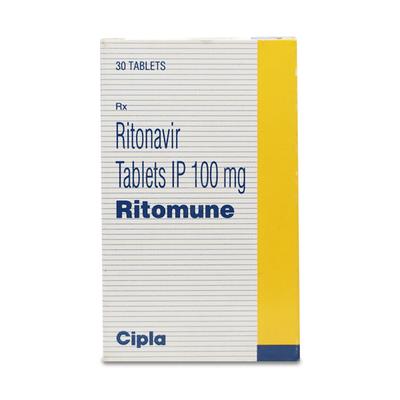


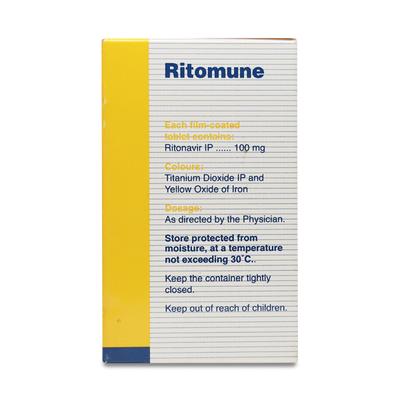
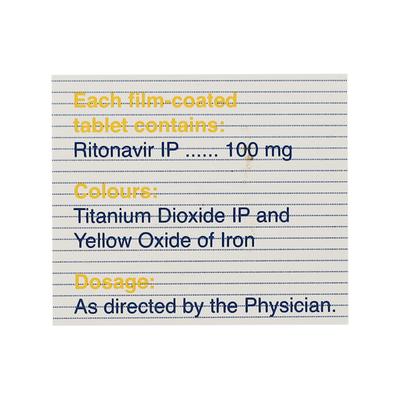
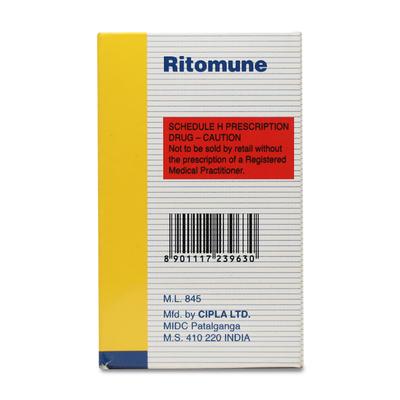
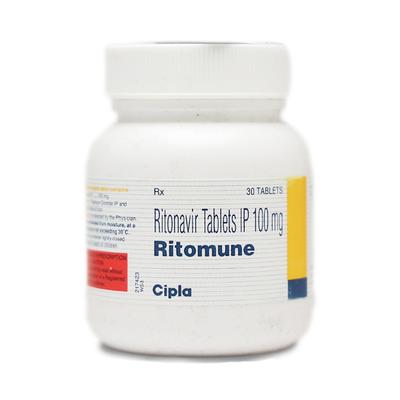
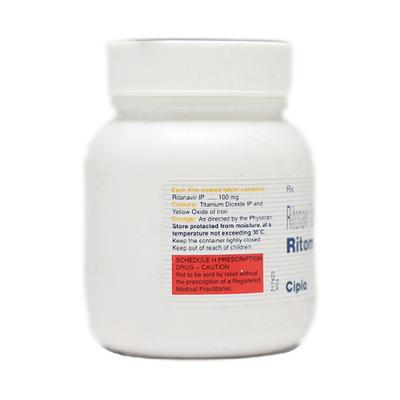

RITOMUNE Tablet 30's

Netmeds First Membership
Quick Links
Introduction About RITOMUNE TABLET
RITOMUNE TABLET contains Ritonavir which belongs to the group of medicines called Protease inhibitors. It is used to manage human immunodeficiency virus (HIV) in children (above 2 years of age), adolescents and adults. HIV (human immune deficiency virus) is a virus which attacks the body’s immune system to fight infections, if left unmanageed it leads to AIDS (acquired immunodeficiency syndrome).
Before taking RITOMUNE TABLET, inform your doctor if you have history of liver or kidney disease, hepatitis B or C, haemophilia (inherited bleeding disorder), erectile dysfunction, or diabetes mellitus (high blood sugar) and heart or conduction defect. Prior to management with RITOMUNE TABLET your doctor might want to perform certain blood tests to understand your existing condition and to safely use this medicine.
RITOMUNE TABLET should be used with caution in pregnant women only if clearly advised by the doctor and it is not recommended for use in breast feeding women. RITOMUNE TABLET is not recommended for use in children (below 2 years of age) and it should be used with caution in elderly patients (aged 65 years and above).
The most common side effects of taking RITOMUNE TABLET are nausea, vomiting, headache dizziness, diarrhea, indigestion and tiredness. Consult your doctor if any of the side effect worsens.
Uses Of RITOMUNE TABLET
Manage:
- HIV infection
How RITOMUNE TABLET Works
RITOMUNE TABLET controls HIV infection by inhibiting the action of an enzyme called protease which are responsible for virus multiplication. This manages the further replication of virus in the body, hence reduces the occurrence of infection in the body.
How to use RITOMUNE TABLET
Take RITOMUNE TABLET as advised by your physician. Swallow the medicine with a glass of water. Do not crush or chew the medicine. Your doctor will determine the correct dose and duration of RITOMUNE TABLET for you depending upon your age, body weight and disease condition.
Side Effects Of RITOMUNE TABLET
Common
- upper or lower stomach pain, indigestion, upset stomach and stomach bleeding
- nausea, vomiting and diarrhoea
- feeling hot, flushing
- headache and dizziness
- painful throat, cough
- feeling tired and weak
- tingling sensation or numb feeling in the hands, feet, lips and mouth
- bad taste in the mouth
- nerve damage causing weakness and pain
- itching and rash
- joint pain and back pain
- signs of allergic reactions (such as skin rashes which may be red, raised and itchy, severe swelling of the skin and other tissues)
- inability to sleep, anxiety
- inflammation of the liver and yellowing of skin or whites of the eyes
- increased urination, reduced kidney function
- seizures (fits), gout
- dehydration
- abnormal heavy periods
- wind (flatulence), loss of appetite
- mouth ulcer, weight loss, fever
- muscle pain tenderness or weakness
- confusions and difficulty paying attention
- fainting, blurry vision
- swelling of the hands and feet
- increased blood pressure
- decreased blood pressure along with fainting when getting up
- coldness in feet and hands, pimples
Uncommon
- heart attack
- diabetes (increased blood sugar levels)
- kidney failure
Rare
- signs of serious skin reactions (such as Stevens- Johnson syndrome, toxic epidermal necrolysis including blisters)
- serious allergic reactions
Stop taking RITOMUNE TABLET and contact your doctor immediately if you experience any of the following side effects:
- signs of inflammation of pancreas (such as nausea, vomiting and stomach pain)
- signs of osteonecrosis (such as joint stiffness, aches and pains especially on the hip, knee and shoulder and difficulty moving)
- signs of infections (muscle weakness, weakness beginning in the hands and feet and moving up towards the trunk of the body, palpitations, tremor or hyperactivity)
- dizziness, light-headedness, fainting spells or abnormal heartbeat
- persistent diarrhoea or vomiting
How To Manage Side Effects
Nausea or vomiting:
Stick to simple meals while taking RITOMUNE TABLET. Avoid eating oily rich, fried or spicy foods. Do not lie down or sleep immediately after eating. Consult your doctor if the symptom does not improve.
Diarrhoea:
Drink lot of fluids, such as water to keep yourself hydrated. Avoid eating high-fat or spicy foods. Try to avoid taking any medicine on your own to manage diarrhea and consult your doctor if the symptom gets worse.
Stomach pain:
Try to take rest and relax. Eat and drink slowly or try to have smaller and frequent meals. Keep a heat pad on your stomach. If the symptom does not improve, contact your doctor.
Dizziness:
Lie down until dizziness is gone, then get up slowly. Move slowly and carefully, do not hurry. Get adequate rest. Drink plenty of water and other fluids. Avoid coffee, cigarettes, alcohol and drugs. Consult your doctor if the symptom gets worse.
Headache:
Drink ample amount of water and avoid skipping meals. Get adequate rest. Try to be relaxed and stress free. Apply pain relieving balm on your forehead if necessary. Consult your doctor if the symptom does not improve.
Warning & Precautions

Pregnancy
RITOMUNE TABLET should be used with caution in pregnant women only if considered clearly necessary. Consult your doctor before taking RITOMUNE TABLET.

Breastfeeding
RITOMUNE TABLET is not recommended for use in breast feeding women as it may pass through the breast milk and women with HIV infection should not breast feed their babies to avoid transmission of infection. Consult your doctor before taking RITOMUNE TABLET.

Driving and Using Machines
Do not drive or operate any machines if you feel dizziness after taking RITOMUNE TABLET.

Kidney
RITOMUNE TABLET should be taken with caution in patients with kidney disease. Consult your doctor before taking RITOMUNE TABLET.

Liver
RITOMUNE TABLET is not recommended for use in patients having severe liver disease. It should be used with caution in patients having history of liver disease or hepatitis B or C (viral infection that causes inflammation of the liver and damage). Consult your doctor before taking RITOMUNE TABLET.

Allergy
Do not take RITOMUNE TABLET if you are allergic to Ritonavir or any other ingredients of RITOMUNE TABLET.

Heart Disease
RITOMUNE TABLET should be taken with caution in patients with any heart or conduction defect. Consult your doctor before taking RITOMUNE TABLET.
Others
Before taking RITOMUNE TABLET inform your doctor if you:
- have hepatitis B and C
- have haemophilia (inherited bleeding disorder in which the blood does not clot properly)
- have erectile dysfunction
- have diabetes mellitus (high blood sugar)
Use in paediatrics:
RITOMUNE TABLET is not recommended for use in children (under 2 years of age). Consult your child’s doctor for advice.
Use in geriatrics:
RITOMUNE TABLET should be used with caution in elderly patients (aged 65 and above). Consult your doctor before taking RITOMUNE TABLET.
Interactions
A. Drug-Drug interactions:
Before taking RITOMUNE TABLET inform your doctor if you are taking any of the following medicines:
- amphetamine (used to manage attention deficit hyperactivity disorder)
- antibiotics (medicines used to manage bacterial infections) Ex. erythromycin clarithromycin, fusidic acid
- medicines used to manage cancer (Ex. afatinib, abemaciclib, apalutamide, ceritinib, encorafenib, dasatinib, ibrutinib, nilotinib, venetoclax, vincristine, vinblastine, neratinib)
- medicines used to manage low blood platelet count (Ex. fostamatinib)
- anticoagulants (medicines used to manage clotting of blood) Ex. rivaroxaban, vorpaxar, warfarin)
- antidepressants (medicines used to manage depression) Ex. desipramine, amitriptyline, imipramine, fluoxetine, nefazodone, nortriptyline, sertraline, paroxetine trazodone, lurasidone and st. john’s word (herbal medicine)
- antifungals (medicines used to manage fungal infections) Ex. ketoconazole, voriconazole, itraconazole
- antihistamines (medicines used to manage allergy) Ex loratadine, fexofenadine
- antiretrovirals (medicines used to manage HIV infections) Ex. amprenavir, atazanavir, darunavir, indinavir, fosamprenavir, saquinavir, nelfinavir tipranavir), non-nucleotide reverse transcriptase inhibitors (medicines used to manage HIV infection) Ex. delavirdine, efavirenz, nevirapine raltegravir, zidovudine, didanosine, maraviroc
- anti-tuberculosis (medicines used to manage tuberculosis) Ex. bedaquiline, delamanid, rifampicin, rifabutin
- antivirals (medicines used to manage viral infections such as chronic hepatitis c) Ex. glecaprevir, simeprevir, pibrentasvir
- medicine used to manage anxiety (Ex. buspirone)
- medicines used to manage asthma (theophylline, salmeterol)
- atovaquone (medicines used to manage pneumonia and malaria)
- medicine used for the management of severe pain (Ex. buprenorphine, morphine, methadone fentanyl)
- bupropion (medicine used to help stop smoking)
- medicines used to manage epilepsy (fits) Ex. phenytoin, carbamazepine, divalproex, lamotrigine
- medicines used to manage heart problems (Ex. disopyramide, mexiletine, amlodipine, nifedipine diltiazem), ranolazine (used to manage angina), amiodarone, bepridil, dronedarone, encainide, flecainide, propafenone, quinidine (used to correct irregular heartbeats)
- digoxin (used to manage heart failure)
- medicines used to manage immune system disorders (Ex. cyclosporine, tacrolimus everolimus)
- levothyroxine (used to manage thyroid problems)
- medicines used for sleeping problems (Ex. alprazolam, zolpidem and midazolam)
- tranquilisers (medicines used to manage tension and anxiety) Ex. risperidone, haloperidol thioridazine, clorazepate, diazepam, estazolam, flurazepam, triazolam
- colchicine (used to manage gout)
- sildenafil, avanafil, vardenafil and tadalafil (used to manage erectile dysfunction)
- hormonal contraceptives containing ethinyl oestradiol (used to manage pregnancy)
- lomitapide, atorvastatin, rosuvastatin, simvastatin, lovastatin (used to manage high cholesterol levels)
- steroids (Ex. dexamethasone, fluticasone, prednisolone and triamcinolone) (used to manage inflammatory disorders)
- bosentan, riociguat (used to manage pulmonary arterial hypertension)
- astemizole or terfenadine (used to manage allergy symptoms)
- dihydroergotamine, ergotamine (used to manage migraine headache)
- ergonovine, methylergonovine (used to stop excessive bleeding that may occur following childbirth or an abortion)
- clozapine, pimozide (used to manage abnormal thoughts or feelings)
- quetiapine (used to manage schizophrenia, bipolar disorder and major depressive disorder)
- pethidine, piroxicam, propoxyphene (used to relieve pain)
- cisapride (used to relieve certain stomach problems)
- alfuzosin (used to manage enlarged prostate gland)
Overdosage:
If you or anyone else accidentally take too much of RITOMUNE TABLET, consult your doctor immediately or visit the nearby hospital. Overdosage symptoms of RITOMUNE TABLET are numbness, tingling, or prickling sensation usually in arms, legs or feet.
Synopsis
| Drug | : |
Ritonavir |
| Pharmacological Category | : |
Protease Inhibitors |
| Therapeutic Indication | : |
HIV infection |
| Dosage Forms | : | Tablet |
More Information
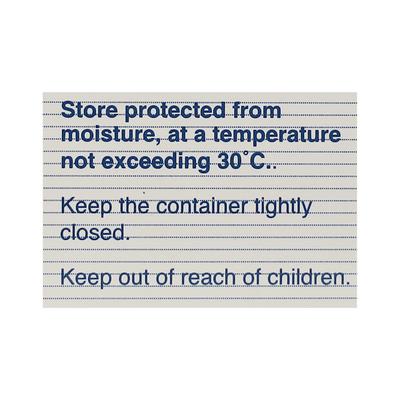
- Keep RITOMUNE TABLET out of reach of children
- Store RITOMUNE TABLET at room temperature
FAQs About RITOMUNE TABLET
What is RITOMUNE TABLET used for?
RITOMUNE TABLET is used in combination with other antiretroviral agents to manage human immunodeficiency virus (HIV) in children (above 2 years of age), adolescents and adults. HIV (human immune deficiency virus) is a virus which attacks the body’s immune system to fight infections, if left unmanageed it leads to AIDS (acquired immunodeficiency syndrome).
Can RITOMUNE TABLET be used during breast feeding?
RITOMUNE TABLET is not recommended for use in breast feeding women as it may pass through the breast milk and women with HIV infection should not breast feed their babies to avoid transmission of infection. Consult your doctor before taking RITOMUNE TABLET.
Can RITOMUNE TABLET be used in patients with liver disease?
RITOMUNE TABLET is not recommended for use in patients having severe liver disease. It should be used with caution in patients having a history of liver disease or hepatitis B or C (viral infection that causes inflammation of the liver and damage). Your doctor may regularly check the blood tests to monitor your liver function. Consult your doctor before taking RITOMUNE TABLET.
What happens If I accidentally take more of RITOMUNE TABLET?
If you or anyone else accidentally take too much of RITOMUNE TABLET, consult your doctor immediately or visit the nearby hospital. Overdosage symptoms of RITOMUNE TABLET are numbness, tingling, or prickling sensation usually in arms, legs or feet.
Can RITOMUNE TABLET be used together with anticoagulants?
RITOMUNE TABLET is not recommended to use together with anticoagulants (such as rivaroxaban) due to increased risk of bleeding. Your doctor may prescribe other safer alternative to manage the risk of any unusual or serious interaction effect. Consult your doctor before taking RITOMUNE TABLET.
References
1. KD Tripathi. Anti-epileptic drugs. Essentials of Medical Pharmacology. Eighth Edition, 2019. Page – 439.
2. Risto S Cvetkovic, Karen L Goa. Lopinavir/ritonavir: a review of its use in the management of HIV infection. NIH National library of medicine, National centre for biotechnology information. Pubmed.gov 2003. [Accessed on 11th August 2022] https://pubmed.ncbi.nlm.nih.gov/12662125/
3. Bilal Talha; Amit S. Dhamoon. Ritonavir. NIH National library of medicine, National centre for biotechnology information. [Revised in June 2022] [Accessed on 11th August 2022] https://www.ncbi.nlm.nih.gov/books/NBK544312/
4. Accord Healthcare Limited. Electronic Medicines Compendium (EMC). [Revised in November 2020] [Accessed on 11th August 2022] https://www.medicines.org.uk/emc/files/pil.9279.pdf
Useful Diagnostic Tests
- Complete blood count
- Liver function test
- Kidney function test
Author Details