



Netmeds First Membership
Quick Links
Introduction About RIFAGUT 550MG TABLET
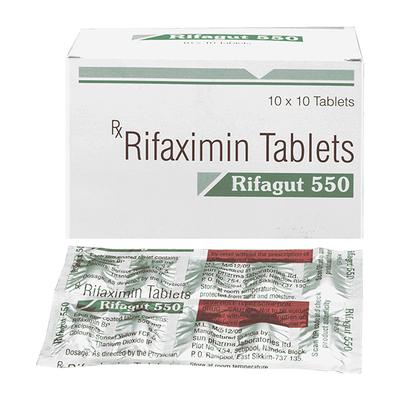
Rifagut 550mg Tablet (Rifaximin) is an oral gastrointestinal antibiotic formulated to act locally in the gut to reduce harmful bacteria that contribute to infection-related diarrhoea and complications of liver disease. Unlike many systemic antibiotics, rifaximin stays largely within the intestinal tract, targeting bacterial overgrowth and helping restore balance in the digestive system, which can alleviate symptoms like loose stools and abdominal discomfort. This makes it particularly relevant for patients with specific types of bacterial diarrhoea and those at risk of metabolic complications from liver dysfunction.
Rifaximin is commonly prescribed for traveller’s diarrhoea caused by non-invasive E. coli, irritable bowel syndrome with diarrhoea (IBS-D), and for hepatic encephalopathy a condition where the liver’s reduced ability to clear toxins leads to neurological symptoms. Patients with diarrhoea due to pathogens other than E. coli, bloody stools, or fever should not use this medication without specialist advice, as it is not effective for these conditions.
For optimal benefit, Rifagut should be taken exactly as prescribed by a healthcare professional, generally by mouth with a glass of water, and can be taken with or without food. The tablet should never be chewed, crushed, or broken to ensure proper delivery in the gut. It’s usually given at consistent times each day to maintain steady activity in the bowel, and treatment shouldn’t be stopped early even if symptoms improve, unless instructed by a doctor.
Patients with severe liver dysfunction or significant kidney disease should use caution, as altered metabolism or elimination may affect outcomes. Likewise, those with a known allergy to rifaximin or similar antibiotics (like rifampin) should avoid this medication.
Rifagut isn’t generally recommended for children below 12 years since safety and effectiveness aren’t established in this group. In pregnancy and breastfeeding, there’s limited safety data; therefore, use should be carefully considered, and alternative therapies may be preferred unless the expected benefit outweighs potential risk. There is no clear evidence that rifaximin passes into human breast milk, but adverse effects cannot be excluded, so clinicians should weigh risks and benefits before prescribing to nursing mothers.
Common side effects may include dizziness, nausea, headache, fatigue, gastrointestinal discomfort (like bloating, stomach pain, flatulence), and peripheral swelling. Most side effects are mild and resolve over time, but sustained or severe symptoms should prompt medical review.
Uses Of RIFAGUT 550MG TABLET
- Used to manage hepatic encephalopathy
Benefits of RIFAGUT 550MG TABLET
Rifagut 550mg Tablet for Hepatic Encephalopathy
Rifagut 550mg Tablet contains Rifaximin, an antibiotic that works directly in the intestines to reduce harmful bacteria. In hepatic encephalopathy (HE) a condition where the liver cannot properly remove toxins from the blood these toxins, especially ammonia, can reach the brain and cause confusion, forgetfulness, sleep disturbances, and changes in behaviour.
How RIFAGUT 550MG TABLET Works
Mechanism of Rifagut 550mg Tablet
Rifagut 550mg Tablet contains Rifaximin, an antibiotic that works mainly in the intestines with minimal absorption into the bloodstream. It inhibits bacterial RNA polymerase, which prevents harmful gut bacteria from producing proteins, stopping their growth and multiplication. By reducing these bacteria, Rifagut lowers the production of toxins such as ammonia, which can enter the bloodstream and affect brain function, especially in conditions like hepatic encephalopathy. Its action is largely local in the gut, allowing it to manage intestinal infections, traveler’s diarrhoea, and IBS-related symptoms while preserving beneficial gut bacteria and minimizing systemic side effects.
How to use RIFAGUT 550MG TABLET
How to Take Rifagut 550mg Tablet
- Follow your doctor’s instructions: Take Rifagut exactly as prescribed. The usual adult dose is 550mg 2–3 times a day, depending on your condition.
- With or without food: You can take the tablet with a light meal or on an empty stomach, whichever is easier for you. Taking it with food may reduce stomach upset.
- Swallow whole: Do not crush, break, or chew the tablet; swallow it with a full glass of water.
- Timing matters: Try to take it at the same times each day to maintain consistent levels in your gut.
- Complete the full course: Even if you feel better, do not stop early, as the infection or symptoms may return.
- Missed dose: If you forget a dose, take it as soon as you remember. If it is nearly time for the next dose, skip the missed one. Do not double the dose.
What if I forgot to take RIFAGUT 550MG TABLET
- Take the missed dose as soon as you remember.
- If it is almost time for your next dose, skip the missed one.
- Do not take a double dose to make up for the missed tablet.
- Continue with your regular dosing schedule as prescribed by your doctor.
- Maintaining a consistent schedule helps the medicine work effectively in controlling gut bacteria and reducing toxins.
Overdose
If you or anyone else accidentally took more Rifagut 550mg Tablet, consult your doctor immediately or visit the nearby hospital.
Side Effects Of RIFAGUT 550MG TABLET
Common side effects of Rifagut 550mg Tablet
- Dizziness, tiredness
- Nausea, dehydration
- Swelling of the hands and legs
- Fluid accumulation in the stomach
- Constipation, stomach pain, flatulence, diarrhoea
When to Seek Medical Attention?
Stop taking Rifagut 550mg Tablet and contact your doctor immediately if you experience any of the following side effects:
- Severe or persistent diarrhoea, especially if it is watery, bloody, or accompanied by fever.
- Signs of an allergic reaction, such as skin rash, itching, hives, swelling of the face, lips, tongue, or throat, or difficulty breathing.
- Worsening abdominal pain, severe stomach cramps, or unusual bloating that does not improve.
- Yellowing of the skin or eyes (jaundice), dark urine, or unexplained fatigue, which may indicate liver-related concerns.
- unexplained weight gain.
- Severe dizziness, confusion, or changes in mental alertness, particularly in patients with liver conditions.
How To Manage Side Effects
Constipation
- Increase Fiber Intake: Eat high-fibre foods like fruits (apples, pears, berries), vegetables (spinach, carrots), whole grains, and legumes. Fiber helps soften stool and adds bulk, making it easier to pass.
- Drink Plenty of Water: Drink 6–8 glasses of water daily to prevent stools from becoming hard. Adequate hydration is essential for fibre to work effectively.
- Exercise Regularly: Light physical activity like walking, yoga, or stretching stimulates bowel movements. Even 15–20 minutes a day can help improve digestion.
- Use Natural Laxatives: Foods like prunes, figs, and dates act as gentle natural laxatives. Flaxseeds or chia seeds can also help when added to meals or smoothies.
- Maintain a Routine: Try to use the bathroom at the same time every day, preferably after meals. Respond promptly to the urge to defecate rather than delaying.
- Limit Constipation-Inducing Foods: Reduce intake of processed foods, fast food, and excessive dairy, which can worsen constipation.

Dehydration
- Drink Plenty of Water: Sip clean water frequently throughout the day. Avoid gulping large amounts at once, which may upset the stomach.
- Oral Rehydration Solution (ORS): Use ORS packets available at pharmacies or make a homemade solution Mix 1 liter of water + 6 teaspoons sugar + ½ teaspoon salt. ORS helps replace lost electrolytes and fluids efficiently.
- Consume Hydrating Foods: Eat fruits and vegetables with high water content Watermelon, cucumber, oranges, grapes, and tomatoes. Soups and broths also help restore fluids and nutrients.
- Coconut Water: Natural coconut water is rich in electrolytes like potassium and sodium, making it a great natural rehydration drink.
- Limit Dehydrating Drinks: Avoid excessive caffeine or alcohol, as they can increase fluid loss. Stick to water, ORS, herbal teas, or diluted fruit juices.
- Rest and Cool Down: Avoid strenuous activity until fully rehydrated. Stay in a cool, shaded, or air-conditioned place if dehydration is due to heat.
Warning & Precautions

Pregnancy
Consult your doctorThere is no proper information regarding the use of Rifagut 550mg Tablet in pregnant women.

Breastfeeding
ContraindicatedRifagut 550mg Tablet is generally not recommended for use in breastfeeding women due to lack of safety data.

Kidney
Use with CautionRifagut 550mg Tablet should be used with caution in patients with kidney diseases.

Liver
Use with CautionRifagut 550mg Tablet should be used with caution in patients with severe liver impairment.

Allergy
ContraindicatedDo not take Rifagut 550mg Tablet if you are allergic to rifaximin or any other ingredients of this medicine.

Use In Pediatrics
Consult your doctorThere is no proper information regarding the use of Rifagut 550mg Tablet in children and in adolescents (aged below 18 years).

Use In Geriatrics
Use with CautionRifagut 550mg Tablet should be used with caution in elderly patients (aged 65 years or above).
Other Warnings for RIFAGUT 550MG TABLET
Before taking Rifagut 550mg Tablet, inform your doctor if you:
- Are experiencing fever, blood in stools, or severe diarrhoea, as this medicine may not be suitable in such cases.
- Have a history of severe liver problems, as dose adjustment or closer monitoring may be required.
- Have been diagnosed with chronic bowel conditions or have had recent gastrointestinal surgery.
Safety Advice
- Take the medicine exactly as prescribed by your doctor; do not alter the dose or stop early.
- Do not chew, crush, or break the tablet; swallow it whole with water.
- Can be taken with or without food but maintain consistent timing for best effect.
- Inform your doctor about all current medications, including antibiotics, oral contraceptives, and supplements.
- Avoid self-medicating for persistent diarrhoea without consulting a healthcare professional.
Diet and Lifestyle Advice
- Consistent Medication Routine: Take Rifagut exactly as prescribed at the same times each day, with or without food.
- Light Physical Activity: Gentle exercise like walking or yoga can help digestive function and reduce gas or bloating.
- Rest Well: Adequate sleep (7–8 hours/night) helps your immune system work better and may reduce side effects like fatigue.
- Manage Stress: Techniques like deep breathing, meditation or gentle stretching can support gut-brain comfort and reduce nausea or headache.
- Be Careful with Activities: If you feel dizzy after taking Rifagut, avoid driving or operating machinery until you know how the medicine affects you.
1. Rifagut 550mg Vs Xifaxan 550mg Tablet
|
Feature |
Rifagut 550mg Tablet |
Xifaxan 550mg Tablet |
Notes / Differences |
|
Active Ingredient |
Rifaximin |
Rifaximin |
Both contain the same active drug; generic vs brand name. |
|
Manufacturer / Brand |
Generic (varies by manufacturer) |
Brand (Salix Pharmaceuticals or local licensed brand) |
Rifagut is usually cheaper as a generic alternative. |
|
Uses / Indications |
Diarrhoea due to gut bacterial overgrowth, IBS with diarrhoea, traveler’s diarrhoea |
Same as Rifagut |
Both act locally in the intestines with minimal systemic absorption. |
|
Dosage Form |
Tablet, 550mg |
Tablet, 550mg |
Same strength: dosing schedule is usually similar. |
|
Availability / Cost |
Widely available, more affordable |
Brand name, higher cost |
Price difference is significant in many regions; generic preferred for cost-effectiveness. |
|
Efficacy |
Effective for local gut infections |
Same efficacy |
Clinical effect is generally equivalent if dose and duration are the same. |
|
Side Effects |
Nausea, bloating, mild diarrhoea |
Same side effects |
Both share similar safety profiles. |
|
Prescription Requirement |
Prescription required |
Prescription required |
Both require a doctor’s prescription. |
Drug - Drug interaction
1. Warfarin and Other Anticoagulants
- Interaction: Rifagut may alter gut flora, which can theoretically affect vitamin K production. Since vitamin K influences the action of anticoagulants like warfarin, there may be minor changes in blood clotting levels.
- Management: Monitor INR levels closely during and after Rifagut therapy. Dose adjustment of anticoagulants may be required if significant changes in INR are observed.
2. Cyclosporine
- Interaction: Rifagut may slightly reduce absorption of cyclosporine, an immunosuppressant, though systemic absorption of Rifaximin is low.
- Management: Monitor blood levels of cyclosporine during co-administration. Adjust cyclosporine dosage if needed based on therapeutic levels.
3. Other Antibiotics
- Interaction: Using Rifagut with other antibiotics (like ciprofloxacin, metronidazole) can alter gut microbiota and may increase the risk of diarrhoea, yeast infections, or gut imbalance.
- Management: Use combinations only if prescribed by a doctor. Monitor for gastrointestinal side effects and report severe diarrhoea or blood in stool promptly.
4. P-glycoprotein (P-gp) Substrates
- Interaction: Rifagut is a substrate of P-glycoprotein. Drugs that inhibit or induce P-gp (e.g., certain antivirals, antifungals, or cardiac drugs) may alter Rifagut levels in the gut.
- Management: Typically, no major adjustment is required due to low systemic absorption. Discuss with your doctor if you are taking P-gp interacting drugs long-term.
5. Lactulose or Other Laxatives
- Interaction: Concomitant use may alter gut transit time and reduce Rifagut efficacy in some patients with conditions like hepatic encephalopathy.
- Management: Maintain proper timing take Rifagut at least 2 hours apart from laxatives if possible. Monitor symptom control and adjust dosing schedule as recommended by your doctor.
Drug - Food interaction
1. Grapefruit and Grapefruit Juice
- Interaction: Grapefruit may inhibit intestinal enzymes and transporters, potentially altering how drugs are metabolized in the gut. While Rifaximin is minimally absorbed, high amounts of grapefruit could theoretically affect local concentrations.
- Management: Avoid grapefruit and grapefruit juice while taking Rifagut. Choose alternative fruits like oranges, apples, or berries.
2. High-Fat Meals
- Interaction: High-fat or greasy meals may slow gastric emptying, which could delay the action of Rifagut in the gut and increase chances of stomach upset.
- Management: Take Rifagut with a light meal or snack if needed. Avoid very fatty or fried foods around the time of taking the tablet.
3. Foods That Affect Gut Flora
- Interaction: Foods like probiotic-rich yogurt or fermented foods can influence gut bacteria. While generally beneficial, taking these at the same time as antibiotics may slightly reduce Rifaximin’s local effect.
- Management: If consuming probiotics, space them by 2–3 hours from Rifagut. Follow doctor’s advice on probiotic use during or after antibiotic therapy.
4. Fiber-Rich Foods
- Interaction: High-fibre meals can speed up intestinal transit, which may reduce the contact time of Rifaximin with gut bacteria.
- Management: Continue a balanced diet with fibre but avoid extremely large servings at the exact time of taking the tablet. Spread fibre intake throughout the day.
Synopsis
|
Drug |
: |
|
|
Pharmacological Category |
: |
Antibiotics |
|
Therapeutic Indication |
: |
Hepatic encephalopathy |
|
Dosage Forms |
: |
Tablet, Syrup, Suspension |
More Information
Storage
- Store Rifagut 550mg Tablet at room temperature
- Always keep the medicine out of reach of children and pets
FAQs About RIFAGUT 550MG TABLET
Q: What is Rifagut 550mg Tablet used for?
A: Rifagut 550mg contains Rifaximin, an antibiotic that works mainly in the intestines. It is used to manage certain gut infections and reduce symptoms like diarrhoea or bloating. It is mostly not absorbed into the blood, so it acts locally in the gut.
Q: Can I take Rifagut with food?
A: Yes, Rifagut can be taken with or without food. Taking it with a light meal may reduce stomach upset. Avoid very fatty or heavy meals around the time of taking the tablet.
Q: What should I do if I miss a dose?
A: If you forget a dose, take it as soon as you remember. If it is almost time for the next dose, skip the missed one. Do not double the dose to make up.
Q: Can I stop Rifagut once I feel better?
A: No, Complete the full course as prescribed, even if symptoms improve. Stopping early may let bacteria grow back or cause infection to return.
Q: What are the common side effects of Rifagut?
A: Some people may experience nausea, stomach pain, bloating, or mild diarrhoea. Most side effects are temporary and mild. If symptoms are severe, contact your doctor.
Q: Can Rifagut 550mg Tablet be taken with other medicines?
A: It can be taken with most medicines. But inform your doctor if you are on blood thinners, immunosuppressants, or other antibiotics, to avoid interactions.
Q: Are there foods I should avoid while taking Rifagut 550mg Tablet?
A: Avoid grapefruit or grapefruit juice as it may affect how the drug works. Limit very fatty or heavy meals to prevent stomach upset.
Q: Can Rifagut 550mg Tablet cause diarrhoea?
A: Yes, mild diarrhoea may occur as a side effect. If diarrhoea is severe, watery, or contains blood, contact your doctor immediately.
Q: How long does it take for Rifagut to work?
A: Many patients notice improvement in 2-3 days, but the full course must be completed to ensure the infection is cleared.
Q: Can I take probiotics with Rifagut?
A: Yes, but try to space probiotics 2-3 hours apart from the tablet. This helps the medicine work effectively without interference.
Q: Is Rifagut safe for long-term use?
A: Rifagut is generally used for short courses. Long-term use is only under doctor supervision, as it may affect gut bacteria balance.
Q: Can Rifagut affect my bowel habits?
A: Some people may notice changes in stool frequency or consistency. These are usually temporary and improve after the medicine is finished.
Q: Do I need blood tests while on Rifagut?
A: Routine blood tests are usually not needed, but people on other medicines like warfarin may need monitoring.
Q: Can Rifagut 550mg Tablet be taken with antacids?
A: Yes, antacids can be taken with Rifagut. They do not affect the action of the drug.
Q: Can Rifagut cause headache or dizziness?
A: Some people may feel headache or mild dizziness. Drink water, rest, and avoid driving if symptoms are severe.
Q: What should I do if symptoms do not improve?
A: If symptoms persist or worsen after completing the course, contact your doctor. You may need further evaluation or a different treatment plan.
References
1. KD. Tripathi. Drugs for constipation and diarrhoea. Essentials of Pharmacology. Seventh edition. 2013. Page – 681.
2. Maddalena Diana Iadevaia, Anna Del Prete, Claudia Cesaro, Laura Gaeta, Claudio Zulli, and Carmelina Loguercio. Rifaximin in the treatment of hepatic encephalopathy. NIH: National Library of Medicine, National Center for Biotechnology Information. PMC, PubMed central. December 2011. [Accessed on 5th January 2026] 
3. Ciplamed. Rixmin. [Revised in November 2013] [Accessed on 5th January 2026] 
Useful Diagnostic Tests
Author Details