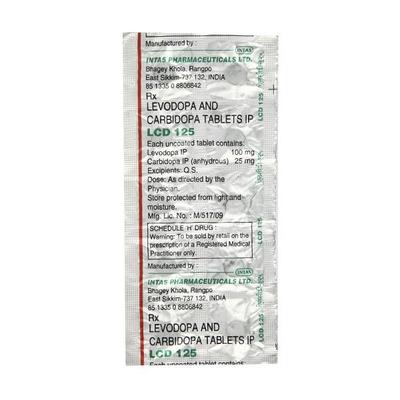


LCD 125 Tablet 10'S

Netmeds First Membership
Quick Links
Introduction About LCD 125 TABLET
LCD 125 Tablet is a prescription medicine commonly used to help manage Parkinson’s disease and related movement disorders. These conditions occur due to low levels of dopamine, a brain chemical that controls smooth and coordinated muscle activity. The tablet contains Levodopa (100 mg) and Carbidopa (25 mg), a well-researched combination that helps restore dopamine balance and improve motor function. It assists in reducing symptoms such as muscle stiffness, tremors, slowness of movement, and loss of coordination, allowing better control over daily activities.
LCD 125 Tablet is ideal for patients experiencing motor symptoms of Parkinson’s disease or secondary Parkinsonism. It works by converting Levodopa into dopamine in the brain, while Carbidopa prevents its breakdown before reaching the brain ensuring maximum effectiveness with fewer side effects. The tablet helps enhance movement, steadiness, and flexibility, improving overall quality of life when taken regularly under medical supervision.
It should be taken as directed by your doctor, usually 1 hour before or 2 hours after meals for best absorption. Swallow the tablet whole with water and try to take it at the same time daily. Avoid taking it with high-protein meals as they may reduce absorption. Patients should not stop the medicine suddenly without consulting a doctor, as it may worsen symptoms. Caution is advised in people with heart problems, liver or kidney disease, or glaucoma.
During pregnancy and breastfeeding, LCD 125 Tablet should be used only if clearly needed and prescribed by a healthcare professional. Common side effects may include nausea, dizziness, dry mouth, or sleep disturbances, which are generally mild and manageable. Regular follow-ups with your doctor are important to monitor progress and adjust the dose if necessary.
Uses Of LCD 125 TABLET
- Used to improve the signs of Parkinsonism
Benefits of LCD 125 TABLET
LCD 125 Tablet for Parkinson’s Disease and Related Disorders
LCD 125 Tablet helps manage symptoms of Parkinson’s disease and related movement disorders caused by low dopamine levels in the brain. It contains Levodopa and Carbidopa, which work together to restore dopamine balance improving movement, reducing tremors, and easing muscle stiffness.
By supporting smoother and more coordinated movements, LCD 125 Tablet helps individuals carry out daily activities with better control and comfort. When used regularly under medical guidance, it can enhance mobility, flexibility, and overall quality of life.
How LCD 125 TABLET Works
Mechanism of Action of LCD 125 Tablet
LCD 125 Tablet works by restoring the balance of dopamine in the brain, which is essential for smooth and controlled muscle movements. It contains two key ingredients Levodopa and Carbidopa that function together to enhance effectiveness and reduce side effects.
- Levodopa: Once inside the body, Levodopa is converted into dopamine in the brain. This helps improve communication between nerve cells, reducing symptoms such as stiffness, tremors, and slowness of movement.
- Carbidopa: Carbidopa prevents Levodopa from being broken down before it reaches the brain. This ensures more Levodopa is available for conversion into dopamine and helps minimize side effects like nausea or vomiting.
Together, these ingredients help increase dopamine activity, improving movement coordination, muscle control, and overall motor function in individuals with Parkinson’s disease and related disorders.
How to use LCD 125 TABLET
How to Take LCD 125 Tablet
- Take exactly as prescribed: Always take LCD 125 Tablet in the dose and duration recommended by your doctor. Do not change or stop the dose on your own.
- Timing of intake: It is usually taken 1 hour before or 2 hours after meals for better absorption, unless advised otherwise by your healthcare provider.
- Swallow whole with water: Do not crush, chew, or break the tablet. Swallow it whole with a glass of water.
- Maintain regular timing: Take the tablet at the same time every day to maintain a steady level of medicine in your body.
- Avoid high-protein meals around dosing: Protein-rich foods (like meat, eggs, or cheese) can interfere with Levodopa absorption, so try to take the tablet apart from such meals.
- Do not stop suddenly: Stopping LCD 125 Tablet suddenly may worsen symptoms. Always consult your doctor before making any changes.
- If you miss a dose: Take it as soon as you remember. If it’s almost time for your next dose, skip the missed one don’t double up to make up for it.
What if I forgot to take LCD 125 TABLET
- Take the missed dose as soon as you remember, unless it’s almost time for your next scheduled dose.
- If your next dose is due soon, skip the missed dose and continue with your regular dosing schedule.
- Do not double the dose to make up for the one you missed, as this may increase the risk of side effects.
- Try to maintain a consistent timing each day to help the medicine work effectively.
- Using a pill organizer, reminder app, or alarm can help you remember your daily dose.
- If you frequently miss doses, speak with your doctor or pharmacist about ways to improve dose consistency.
Overdose
Symptoms of an overdose of LCD 125 Tablet may include irregular or fast heartbeat, severe dizziness, confusion, nausea, vomiting, or involuntary muscle movements. In some cases, extreme tiredness, mood changes, or difficulty in breathing may also occur. If an overdose is suspected, seek immediate medical assistance or visit the nearest hospital without delay.
Side Effects Of LCD 125 TABLET
Common side effects of LCD 125 Tablet:
- abnormal body movements (dyskinesia, chorea, dystonia)
- nausea, vomiting, dry mouth, bitter taste
- loss of appetite
- low blood pressure while standing up from sitting or lying position (orthostatic hypotension), fainting
- confusion, dizziness, nightmares, drowsiness, tiredness, sleeplessness
- feeling euphoria (an extremely strong feeling of happiness)
When to Seek Medical Attention?
Stop taking LCD 125 Tablet and contact your doctor immediately if you experience any of the following side effects:
- signs of allergic reactions (such as skin rash, itching, swelling
of your face, lips, tongue or throat, which may cause difficulty in breathing or swallowing) - chest pain, uneven heartbeat or palpitations
- signs of bleeding in the stomach which may be shown as blood in faeces or darkened faeces
- signs of low blood counts (such as pale skin, fever, tiredness, sore throat or mild bruising and prolonged bleeding after injury)
- signs of neuroleptic malignant syndrome (muscle stiffness with high fever, sweating, increased salivation, inability to sit still, impaired consciousness)
- mental changes including hallucinations, delusions and depression
- fits (convulsions)
How To Manage Side Effects

Dry Mouth
- Stay Hydrated: Sip small amounts of water frequently throughout the day.
- Chew Sugar-Free Gum: Helps stimulate saliva flow and reduce dryness.
- Use Sugar-Free Lozenges: Sucking on sugar-free candies or lozenges can keep your mouth lubricated.
- Avoid Caffeine and Alcohol: These can worsen dryness by reducing saliva production.
- Humidify Your Room: Using a humidifier, especially at night, helps maintain moisture in the air.
- Rinse with Salt Water or Baking Soda Solution: Gentle rinses can soothe dryness and maintain oral hygiene.
- Maintain Good Oral Care: Brush and floss regularly using a fluoride toothpaste

Loss Of Appetite
- Eat Small, Frequent Meals: Instead of large portions, have smaller meals more often throughout the day.
- Include Nutrient-Rich Foods: Focus on foods high in protein, vitamins, and minerals such as eggs, yogurt, nuts, and fresh fruits.
- Stay Hydrated: Drink enough fluids but avoid filling up on water just before meals.
- Add Natural Appetite Boosters: Ginger, lemon, and peppermint are known to naturally stimulate hunger.
- Make Meals More Appealing: Try colorful dishes, new recipes, or mild spices to improve the taste and smell of food.
- Stay Physically Active: Light exercise, such as a short walk before meals, can help improve appetite.
- Relax Before Eating: Reduce stress through breathing exercises or calm surroundings before mealtime.
Warning & Precautions

Pregnancy
Monitoring requiredLCD 125 Tablet should be used during pregnancy only if your healthcare provider finds it necessary. If it is prescribed, your doctor may monitor foetal growth and maternal health throughout the course. If any unwanted effects are observed in the mother or baby, alternative options may be considered. Always inform your doctor if you are pregnant or planning pregnancy before starting this medicine.

Breastfeeding
ContraindicatedLCD 125 Tablet may pass into breast milk in small quantities. The concentration of the medicine in milk can be influenced by its level in the bloodstream. Therefore, breastfeeding while taking LCD 125 Tablet is generally not recommended. Discuss with your healthcare provider about safer alternatives if you are a nursing mother.

Driving and Using Machines
Use with CautionAvoid driving or operating heavy machinery until you understand how LCD 125 Tablet affects your focus or coordination. Some individuals may experience dizziness or tiredness, which could impair attention.

Alcohol
ContraindicatedAvoid consumption of alcohol while taking LCD 125 Tablet, as it could make you feel dizzier or drowsier.

Kidney
Use with CautionLCD 125 Tablet should be used cautiously in patients with kidney disorders. Dose adjustments or frequent monitoring of kidney function may be required. Inform your doctor about any history of kidney problems before starting this medicine.

Liver
Monitoring requiredPatients with liver impairment should take LCD 125 Tablet under close medical supervision. Your doctor may recommend routine liver function tests to ensure safe use. Always share any known liver issues with your healthcare provider before use.

Allergy
ContraindicatedDo not take LCD 125 Tablet if you are allergic to any of its active ingredients or excipients. Report any signs of allergic reactions such as rash, itching, swelling, or difficulty breathing to your doctor immediately.

Lungs
Use with CautionIf you have chronic lung conditions or breathing difficulties, inform your doctor before taking LCD 125 Tablet. Some individuals with respiratory issues may require dose adjustments or special monitoring.

Heart Disease
Use with CautionPatients with existing heart conditions should use LCD 125 Tablet only under medical advice. Inform your doctor if you have low blood pressure, irregular heartbeat, or a history of heart disease. Regular monitoring of heart rate and blood pressure may be necessary.

Use In Pediatrics
ContraindicatedLCD 125 Tablet is not recommended for children or adolescents as its safety and effectiveness in this age group have not been established.

Use In Geriatrics
Use with CautionElderly patients may require lower starting doses of LCD 125 Tablet, which can be gradually increased under close medical supervision. Regular monitoring of organ function and response to the medicine is advised to ensure safety.
Other Warnings for LCD 125 TABLET
Before taking LCD 125 Tablet, inform your physician if you:
- have a history of fits (epilepsy)
- have had an ulcer in the stomach
- have vomited blood
- have any hormonal problems
- have had depression or any other similar mental problems
- have chronic wide-angle glaucoma (a painless eye condition that can affect your vision)
- feel sleepy or having sudden sleep attacks (Ex. Narcolepsy)
- are due to have a surgery
- are due to have a blood/urine test
Who should not take LCD 125 TABLET
LCD 125 Tablet is not recommended for use in patients who:
- have ever had any forms of skin cancer
- have any unusual moles in the skin that has not yet been examined by the doctor
- have narrow-angle glaucoma (increased pressure in the eye)
- have a severe mental disorder (Ex. severe panic disorder, psychosis, severe depression, bipolar disorder)
Safety Advice
- Avoid sudden posture changes: The medicine may lower blood pressure in some individuals, leading to dizziness or fainting. Rise slowly from sitting or lying positions to reduce the risk of falls.
- Regular monitoring: Long-term use may require periodic monitoring of liver function, kidney function, and blood tests to ensure safe and effective therapy.
- Do not stop the medicine abruptly: Sudden discontinuation may cause muscle stiffness, fever, or confusion. Always follow your doctor’s tapering instructions.
- Inform your doctor about mental health changes: If you experience mood swings, confusion, hallucinations, or unusual behavioural changes, notify your healthcare provider immediately.
- Check for skin changes: Rarely, the medicine may cause darkening of the skin, sweat, or saliva. These effects are generally harmless but should still be discussed with your doctor.
- Elderly care: Older adults may be more sensitive to the effects of LCD 125 Tablet. Regular dose review and monitoring are advised to minimize side effects.
Diet and Lifestyle Advice
- Follow a balanced diet: Eat a variety of fruits, vegetables, whole grains, and lean proteins to maintain overall health and support the medicine’s effectiveness.
- Manage protein intake: High-protein foods (like meat, eggs, or dairy) can affect how the LCD 125 Tablet is absorbed. Avoid taking the medicine with heavy protein meals prefer lighter meals or take it 30 minutes before or 1 hour after eating.
- Stay hydrated: Drink plenty of water throughout the day to prevent dizziness and dehydration, which can worsen symptoms like light-headedness or weakness.
- Limit caffeine and alcohol: Excessive tea, coffee, or alcohol may interfere with the medicine’s effects or cause restlessness and sleep problems. Consume them in moderation.
- Include fiber-rich foods: Constipation can occur in some individuals taking LCD 125 Tablet. Include fiber-rich foods like oats, fruits, vegetables, and whole grains to maintain bowel regularity.
- Engage in regular physical activity: Gentle exercises such as walking, stretching, or yoga can help improve muscle flexibility, balance, and overall mobility. Always consult your doctor before starting new exercises.
- Get adequate rest: Fatigue and sleep changes are common with long-term use. Maintain a consistent sleep routine and create a calm bedtime environment.
- Avoid smoking: Smoking may reduce the body’s response to the medicine and worsen neurological symptoms. Seek medical help if you need support to quit.
- Manage stress: Stress can worsen tremors and other motor symptoms. Practice relaxation methods such as deep breathing, meditation, or light mindfulness activities.
- Monitor body weight: Unexplained weight changes should be reported to your doctor. A nutritionist may help you design a diet plan suitable for your condition.
1. LCD 125 Tablet vs Ropark 0.5 Tablet
|
Features |
LCD 125 Tablet |
Ropark 0.5 Tablet |
|
Composition |
Contains Levodopa (100 mg) and Carbidopa (25 mg) |
Contains Ropinirole (0.5 mg) |
|
Class of Medicine |
Dopamine precursor combination |
Dopamine agonist |
|
Mechanism of Action |
Levodopa converts to dopamine in the brain, while Carbidopa prevents its breakdown, improving muscle control |
Ropinirole directly stimulates dopamine receptors in the brain to improve movement |
|
Primary Use |
Helps reduce stiffness, tremors, and slowness in conditions like Parkinson’s disease |
Used alone or with Levodopa to manage similar symptoms, especially in early or fluctuating stages |
|
Onset of Action |
Shows improvement within 30–60 minutes after intake |
Gradual onset; may take a few days to show noticeable improvement |
|
Common Side Effects |
Nausea, dizziness, low blood pressure, or sleepiness |
Drowsiness, light-headedness, or hallucinations in some users |
|
Ideal For |
Patients needing direct dopamine replacement for moderate to severe symptoms |
Patients in early stages or those requiring add-on therapy with Levodopa |
|
Doctor’s Guidance |
Often chosen when quick and consistent symptom control is needed |
Preferred when a milder dopamine boost or long-term control is desired |
Drug - Drug interaction
1. Antihypertensive medicines (for blood pressure control)
- Examples: Amlodipine, Losartan, Atenolol, or Metoprolol
- Interaction: Taking LCD 125 Tablet with blood pressure medicines may increase the risk of low blood pressure (hypotension), causing dizziness or fainting.
- Management: Your doctor may adjust the blood pressure medicine dose and advise you to get up slowly from sitting or lying positions to prevent light-headedness.
2. Antidepressants (MAO inhibitors and tricyclics)
- Examples: Selegiline, Phenelzine, Amitriptyline, or Imipramine
- Interaction: Combining these with LCD 125 Tablet can lead to dangerously high blood pressure or abnormal heart rhythm due to excessive dopamine activity.
- Management: Avoid using LCD 125 Tablet with MAO inhibitors. If needed, keep at least a 14-day gap after stopping MAO inhibitors before starting LCD 125 Tablet.
3. Antipsychotic medicines
- Examples: Haloperidol, Risperidone, Olanzapine, or Chlorpromazine
- Interaction: These medicines may block the effects of Levodopa and reduce its benefit in improving movement.
- Management: If both are required, your doctor will carefully select low-dose antipsychotics with minimal dopamine-blocking action and monitor symptoms regularly.
4. Iron supplements
- Examples: Ferrous sulfate, Ferrous fumarate, or Multivitamins containing iron
- Interaction: Iron can bind with Levodopa and reduce its absorption, making the medicine less effective.
- Management: Take LCD 125 Tablet and iron supplements at least 2 hours apart to ensure proper absorption of both.
5. Anticonvulsants (used for seizures)
- Examples: Phenytoin, Carbamazepine, or Phenobarbital
- Interaction: These medicines may reduce the effectiveness of Levodopa and worsen movement-related symptoms.
- Management: Your doctor may adjust the dose or switch to alternative anticonvulsants that have fewer effects on dopamine levels.
6. Antinausea and antipsychotic agents
- Examples: Metoclopramide, Prochlorperazine, or Domperidone
- Interaction: Some of these drugs block dopamine activity and may interfere with LCD 125 Tablet’s effect.
- Management: Avoid dopamine-blocking agents like Metoclopramide; safer options such as Domperidone may be used if needed under supervision.
7. Other Parkinson’s medicines
- Examples: Entacapone, Selegiline, or Amantadine
- Interaction: When used with LCD 125 Tablet, these can enhance its effect and sometimes increase side effects such as dizziness or abnormal movements.
- Management: Your doctor will adjust doses carefully and monitor for excessive movement or confusion.
8. Antidiabetic medicines
- Examples: Metformin, Glimepiride, or Insulin
- Interaction: LCD 125 Tablet may alter blood sugar control in diabetic patients.
- Management: Regular monitoring of blood glucose levels and possible dose adjustment of antidiabetic medicines may be required.
9. Sedatives or sleep medicines
- Examples: Diazepam, Alprazolam, or Clonazepam
- Interaction: Combining these can increase drowsiness, confusion, or dizziness.
- Management: Use with caution and avoid driving or operating machinery. Your doctor may recommend taking them at different times of the day.
10. Dietary supplements and herbal products
- Examples: Vitamin B6 (Pyridoxine) in high doses, Ginkgo biloba, or herbal tonics
- Interaction: High doses of Vitamin B6 may reduce the effect of Levodopa when taken alone (without Carbidopa). Some herbal products may also alter dopamine levels.
- Management: Use only the supplements approved by your healthcare provider while on LCD 125 Tablet.
Drug - Food interaction
1. Protein-rich foods
- Examples: Meat, fish, eggs, cheese, milk, lentils, soy products, and nuts
- Interaction: High-protein foods can compete with Levodopa for absorption in the intestines, reducing the amount of medicine that reaches the brain. This may lower its effectiveness in controlling movement symptoms.
- Management: Take LCD 125 Tablet 30 minutes before or 1 hour after meals. If nausea occurs, take it with a light, low-protein snack. Keep your daily protein intake balanced and evenly spaced throughout the day.
2. Iron-rich foods and iron supplements
- Examples: Spinach, liver, red meat, beans, fortified cereals, or iron tablets
- Interaction: Iron binds to Levodopa and decreases its absorption in the digestive system, making the medicine less effective.
- Management: Avoid taking LCD 125 Tablet and iron-rich foods or supplements at the same time. Maintain at least a 2-hour gap between them for proper absorption.
3. High-fat or oily meals
- Examples: Fried foods, butter, creamy sauces, or processed snacks
- Interaction: Fatty meals can delay the absorption of LCD 125 Tablet, slowing the onset of action and possibly increasing nausea or digestive discomfort.
- Management: Choose light, low-fat meals when taking the medicine and avoid heavy, greasy foods near your dosing time.
4. Foods high in Vitamin B6 (Pyridoxine)
- Examples: Bananas, avocados, peanuts, sunflower seeds, and whole grains
- Interaction: High doses of Vitamin B6 can reduce the effectiveness of Levodopa when taken alone. However, this effect is usually prevented in LCD 125 Tablet because Carbidopa blocks the breakdown of Levodopa.
- Management: Normal dietary amounts of Vitamin B6 are safe. Avoid taking high-dose Vitamin B6 supplements unless prescribed.
5. Caffeinated beverages
- Examples: Coffee, tea, energy drinks, or cola
- Interaction: Caffeine can increase restlessness, anxiety, or rapid heartbeat in some individuals using LCD 125 Tablet. It may also worsen sleep disturbances.
- Management: Limit caffeine intake to moderate levels, especially in the evening, to reduce sleep or anxiety-related issues.
6. High-sugar or refined carbohydrate foods
- Examples: Sweets, pastries, white bread, sugary drinks
- Interaction: Excess sugar intake can cause fluctuations in blood sugar and energy levels, which may worsen fatigue or dizziness.
- Management: Choose complex carbohydrates like oats, brown rice, and vegetables for steady energy and better symptom control.
7. Fiber-rich foods
- Examples: Whole grains, vegetables, fruits, flaxseeds, and bran
- Interaction: Excessive fiber may slow down drug absorption, leading to delayed response. However, moderate fiber intake helps relieve constipation caused by the medicine.
- Management: Include fiber in moderate amounts and drink plenty of water to maintain healthy digestion without affecting absorption.
Synopsis
|
Drug |
|
|
Pharmacological Category |
Dopamine agonists, Decarboxylase inhibitors |
|
Therapeutic Indication |
Parkinsonism |
|
Dosage Forms |
Tablet |
More Information
Storage
- Keep LCD 125 Tablet out of reach of children
- Store at room temperature
FAQs About LCD 125 TABLET
Q: What is the LCD 125 Tablet used for?
A: LCD 125 Tablet is commonly prescribed to manage movement-related problems such as stiffness, shaking, or slow body movements. It helps restore the natural balance of certain brain chemicals that control muscle coordination. This improves flexibility and makes daily activities easier for individuals with such conditions.
Q: Can I take the LCD 125 Tablet on an empty stomach?
A: Yes, it can be taken on an empty stomach if tolerated, as this helps in better absorption. However, if it causes nausea, take it after a light meal. Avoid heavy or protein-rich meals around the time of dosing.
Q: Can the LCD 125 Tablet cause drowsiness or dizziness?
A: Yes, some people may feel sleepy, dizzy, or light-headed after taking the LCD 125 Tablet. Avoid driving or using machinery until you know how the medicine affects you. Getting up slowly from sitting or lying positions can help prevent dizziness.
Q: Is it safe to take LCD 125 Tablet every day?
A: Yes, it is usually safe when taken as prescribed by your doctor. It is meant for regular use to maintain stable symptom control. Do not stop or change the dose suddenly without consulting your healthcare provider.
Q: Can I take LCD 125 Tablet with other medicines?
A: Some medicines may interact with LCD 125 Tablet and change how it works. Inform your doctor about all the medications, herbal supplements, or vitamins you use. This helps avoid unwanted effects or reduced effectiveness.
Q: What are the common side effects of the LCD 125 Tablet?
A: Some people may experience nausea, vomiting, dizziness, or sleepiness. Occasionally, mood changes, confusion, or involuntary movements can occur. Most side effects are mild and go away as your body adjusts to the medicine.
Q: How long does it take for the LCD 125 Tablet to show effect?
A: You may start noticing improvement in symptoms within a few days to a few weeks. The exact time varies from person to person based on dose and health condition. Continue taking it regularly for best results as advised by your doctor.
Q: Can I stop taking LCD 125 Tablet if I feel better?
A: No, do not stop taking it suddenly, even if you feel better. Stopping abruptly can cause muscle stiffness, fever, or confusion. Always follow your doctor’s instructions for safely reducing the dose if needed.
Q: What should I eat while taking the LCD 125 Tablet?
A: Eat a balanced diet with plenty of fruits, vegetables, and whole grains. Limit protein-rich foods near your medication time, as they may reduce absorption. Drink enough water and include fiber-rich foods to prevent constipation.
Q: Does LCD 125 Tablet cause any mental changes?
A: Some individuals may experience mood swings, confusion, or vivid dreams while taking LCD 125 Tablet. Inform your doctor if these symptoms become troublesome. Regular monitoring helps manage such effects effectively.
Q: Can LCD 125 Tablet affect sleep?
A: Yes, some people may experience sleep disturbances, vivid dreams, or sudden daytime sleepiness. Try to maintain a regular sleep routine and avoid caffeine at night. Inform your doctor if sleep problems persist.
Q: Is LCD 125 Tablet habit-forming?
A: No, LCD 125 Tablet is not habit-forming. However, it should be taken regularly and only under medical guidance. Avoid increasing or skipping doses on your own.
Q: What happens if I take more than the prescribed dose?
A: Taking more than the prescribed dose can cause nausea, irregular heartbeat, confusion, or involuntary movements. Seek immediate medical help or visit the nearest hospital if overdose is suspected.
Q: What lifestyle habits support LCD 125 Tablet use?
A: Regular exercise, a healthy diet, staying hydrated, and maintaining good sleep can enhance the medicine’s effectiveness. Avoid stress, alcohol, and smoking for better symptom control.
Q: Can LCD 125 Tablet cause discoloration of urine or sweat?
A: Yes, in some people, the medicine may cause a harmless dark colour in urine, sweat, or saliva. This is normal and not a cause for concern unless accompanied by other symptoms.
Q: What should I discuss with my doctor before starting LCD 125 Tablet?
A: Inform your doctor about your medical history, especially if you have heart, liver, kidney, or mental health issues. Share details of all medicines or supplements you use. This helps ensure a safe and effective treatment plan.
References
1. KD. Tripathi. Drugs acting on central nervous system. Antiparkinsonian drugs. Essentials of medical pharmacology. 8th Edition. 2019. Page – 452-457.
2. Gerald G. Briggs and Roger K. Freeman. A reference guide to foetal and neonatal risk: Drugs in Pregnancy and Lactation. Tenth Edition. 2015. Page – 657 & 2455.
3. Dr. Rebecca Gilbert. The many variations of carbidopa/levodopa – the mainstay of Parkinson’s disease treatment. American Parkinson Disease Association. [Revised in 8th October 2024]. [Accessed on 10th November 2025] 
4. Masahiro Nomoto, Masahiro Nagai, , Rina Ando, Yoshifumi Kagamiishi, Koji Yano, Shigeto Saito, Atsushi Takeda. Pharmacokinetics and safety/efficacy of levodopa pro-drug ONO-2160/carbidopa for Parkinson's disease. Sciencedirect.com. [Revised in December 2018]. [Accessed on 10th November 2025] 
Author Details