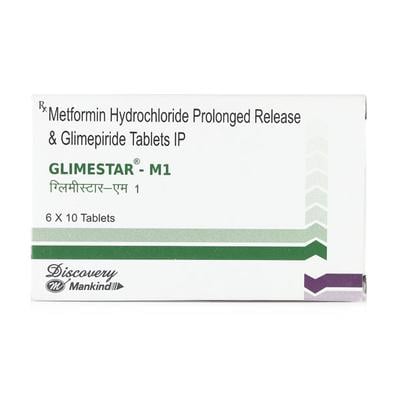


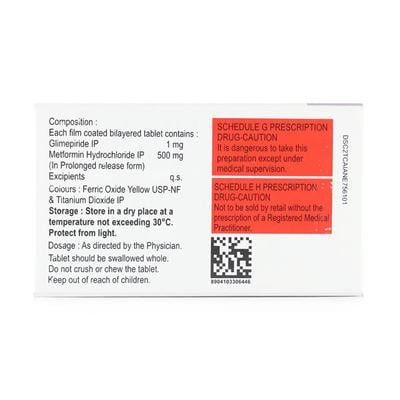
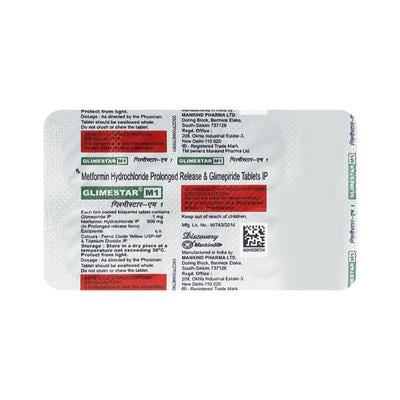
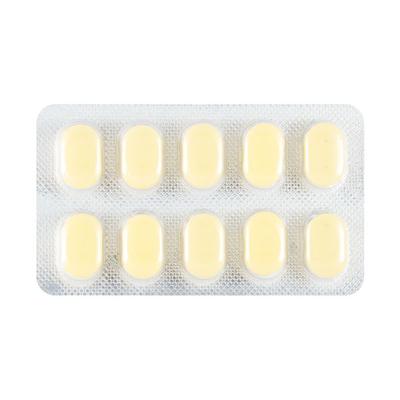

Glimestar M1 Tablet 10'S

Netmeds First Membership
Quick Links
Introduction About GLIMESTAR M1 TABLET
Glimestar M1 Tablet belongs to the class of anti-diabetic medicines designed for managing type 2 diabetes mellitus in adults. It combines two powerful ingredients that work together to support better blood sugar control and help maintain healthy glucose levels throughout the day. This medicine assists the body in utilizing insulin more effectively, promoting improved glucose metabolism and long-term diabetes management.
Glimestar M1 Tablet is best taken with meals to ensure effective blood sugar control and reduce the risk of stomach discomfort. For maximum benefit, take this medicine at the same time each day as part of your regular diabetes care routine. The dosage and duration are determined by your doctor based on your blood sugar response and overall health condition, which may be adjusted periodically for optimal results.
Continue taking Glimestar M1 Tablet as advised, even if your blood sugar levels appear stable or you feel fine. Stopping this medicine without your doctor’s recommendation may cause a sudden rise in glucose levels, increasing the risk of kidney issues, vision impairment, nerve pain, or circulation-related complications. For effective diabetes control, combine this medicine with a balanced diet, regular physical activity, and healthy weight management as suggested by your healthcare provider. Maintaining a disciplined lifestyle routine plays a crucial role in supporting stable blood sugar levels and overall well-being.
Common side effects associated with Glimestar M1 Tablet may include low blood glucose (hypoglycemia), changes in taste such as a metallic sensation, nausea, vomiting, diarrhoea, stomach discomfort, headache, dizziness, upper respiratory infections, and fatigue or weakness. It is important to recognize early signs of low sugar levels, like sweating, shakiness, light-headedness, or headaches, and respond quickly by consuming a fast-acting glucose source such as fruit juice, sugar cubes, or sweet snacks. Taking this medicine along with regular balanced meals helps maintain stable blood sugar. Avoiding alcohol intake is recommended, as it may further increase the risk of hypoglycemia. In some cases, weight gain can also occur during continued use.
Glimestar M1 Tablet is not recommended for individuals with type 1 diabetes mellitus, diabetic ketoacidosis (excess acid in the blood), or serious kidney or liver disorders. Before starting this medicine, inform your doctor if you have a history of heart conditions, as dosage suitability may vary. Pregnant or breastfeeding women should always seek medical advice before use. Regular blood sugar monitoring is essential during use, and your doctor may suggest blood tests to evaluate liver function and blood cell counts to ensure safe and effective glucose management.
Uses Of GLIMESTAR M1 TABLET
- Helps in managing type 2 diabetes mellitus among adults
- Supports stable blood sugar levels throughout the day
- Enhances the body’s insulin efficiency for improved glucose utilization
- Promotes better glucose metabolism and balanced energy levels
- Aids in maintaining long-term glycemic control as part of a diabetes care plan
- Can be used alongside a balanced diet and regular exercise for optimal results
- Contributes to reducing the risk of diabetes-related complications when used under medical supervision
Benefits of GLIMESTAR M1 TABLET
- Supports Blood Sugar Balance: Helps maintain healthy glucose levels in adults with type 2 diabetes mellitus when dietary control and physical activity alone are not sufficient.
- Improves Insulin Action: Enhances the body’s sensitivity to insulin, allowing more effective glucose utilization.
- Promotes Better Glucose Metabolism: Aids the body in converting glucose into energy more efficiently throughout the day.
- Helps Maintain Long-Term Sugar Stability: Contributes to steady blood sugar levels and reduces fluctuations.
- Supports Overall Diabetes Management: Works as part of a complete diabetes care plan that includes a balanced diet and regular physical exercise.
- May Reduce Diabetes-Related Risks: Consistent use under medical guidance may help lower the chances of complications linked with uncontrolled sugar levels.
How GLIMESTAR M1 TABLET Works
How Glimestar M1 Tablet Works in the Body
Glimestar M1 Tablet works by combining two science-backed antidiabetic agents that balance blood glucose through complementary actions. It enhances insulin release and improves how the body absorbs and utilizes sugar, ensuring better glycemic control throughout the day.
Mechanism of Action: Glimepiride Component
Glimepiride, a sulfonylurea group medicine, acts on pancreatic beta cells to stimulate natural insulin secretion. This helps the body use insulin more efficiently, promoting controlled glucose uptake by muscles and tissues and supporting balanced energy levels after meals.
Mechanism of Action: Metformin Component
Metformin works primarily by reducing glucose production in the liver and enhancing the body’s insulin sensitivity. It also decreases glucose absorption from the intestine, helping achieve more consistent blood sugar levels across the day.
Dual Action for Blood Glucose Management
The combination of Glimepiride and Metformin ensures a dual mechanism, one supporting insulin release and the other minimizing liver glucose production. Together, they maintain stable blood sugar levels and improve overall metabolic efficiency.
AMPK Activation and Glucose Uptake
Metformin activates AMP-activated protein kinase (AMPK), an essential enzyme that promotes glucose uptake by body tissues. This process helps cells convert glucose into energy effectively, supporting better metabolic balance and sustained energy.
Role of Beta Cells and Insulin Regulation
Through its action on pancreatic beta cells, Glimepiride enhances the body’s natural insulin response when glucose levels rise. This helps maintain smoother insulin activity and consistent post-meal sugar levels.
Metformin and Liver Glucose Reduction
By reducing hepatic gluconeogenesis (the formation of glucose in the liver), Metformin lowers overall sugar levels in the bloodstream. This effect supports steady fasting glucose levels and promotes balanced energy metabolism.
Combined Pharmacological Benefits:
Together, both components work synergistically Glimepiride increases insulin production, while Metformin curbs excessive glucose synthesis. Their combined pharmacological action supports healthy glycemic balance and improved insulin performance.
Scientific Mechanism Summary
Glimestar M 1 Tablet supports the body’s natural processes to manage glucose more effectively. By improving insulin sensitivity and minimizing unneeded glucose output from the liver, it aids in sustaining optimal blood sugar levels and overall metabolic well-being.
How to use GLIMESTAR M1 TABLET
Directions for Use of Glimestar M1 Tablet
- Glimestar M 1 Tablet should be taken exactly as advised by your healthcare provider.
- It is recommended to swallow the tablet whole with water, usually along with a meal.
- Following the prescribed schedule helps maintain consistent blood sugar balance and supports effective diabetes care.
Recommended Dosage and Administration
- The dosage of Glimestar M 1 Tablet depends on your blood sugar levels, diet, and medical history.
- Your doctor will decide the appropriate strength and duration based on how your body responds.
- Never alter the dose or stop this medicine without consulting your healthcare professional.
How and When to Take Glimestar M1 Tablet
- For best results, take Glimestar M 1 Tablet with your main meal of the day to reduce the risk of stomach discomfort and low blood sugar episodes.
- Try to take it at the same time daily to maintain steady glucose levels and improve medication adherence.
Tips to Maximize Glimestar M1 Effectiveness
- Follow a balanced diet rich in fiber and low in refined carbohydrates.
- Engage in regular physical activity as recommended by your doctor.
- Take the medicine at consistent times each day.
- Monitor your blood glucose readings regularly to assess progress.
- Avoid alcohol consumption as it can raise the risk of low blood sugar.
Food and Timing Recommendations
- Always take Glimestar M 1 Tablet with food, preferably a meal rich in complex carbohydrates, to enhance absorption and minimize digestive discomfort.
- Avoid skipping meals after taking the tablet to control sudden drops in blood sugar levels.
Long-Term Dosage Monitoring Advice
- During extended use of Glimestar M 1 Tablet, regular blood sugar and HbA1c tests are advised to evaluate how well your body responds to therapy.
- Your doctor may adjust the dosage to maintain optimal blood sugar balance and minimize potential side effects.
What if I forgot to take GLIMESTAR M1 TABLET
- If you accidentally miss a dose of Glimestar M 1 Tablet, take it as soon as you remember.
- However, if your next scheduled dose is near, skip the missed one and continue with your regular routine.
- Avoid taking two doses together, as this can increase the chance of low blood sugar.
Overdose
- Taking more than the prescribed dose of Glimestar M 1 Tablet may cause symptoms of hypoglycemia, such as sweating, dizziness, or fainting.
- Consume a fast-acting sugar source like fruit juice or glucose and seek immediate medical advice for safety evaluation.
Side Effects Of GLIMESTAR M1 TABLET
Common:
- Low blood glucose (hypoglycemia)
- Changes in taste such as a metallic sensation
- Nausea, Vomiting
- Diarrhoea
- Stomach discomfort
- Headache
- Dizziness
- Upper respiratory infections
- Fatigue or weakness
When to consult your doctor?
- Severe hypoglycemia (low blood sugar) symptoms include confusion, intense sweating, shaking, dizziness, blurred vision, hunger, rapid heartbeat, headache, or loss of consciousness.
- Lactic acidosis symptoms such as muscle pain or weakness, intense tiredness, difficulty breathing, feeling cold, dizziness, irregular heartbeat, and abdominal discomfort.
- Severe allergic reactions symptoms such as rashes, swelling, particularly of the face/tongue/throat, difficulty breathing, or chest tightness.
- Severe abdominal pain, nausea, vomiting, or persistent diarrhoea.
- Liver problems symptoms such as yellowing of the skin or eyes (Jaundice)
- Kidney problems symptoms such as dark urine, persistent tiredness, swelling of the face/hands/feet, or pale skin.
- Blood-related reactions symptoms such as fluid-filled blisters, peeling of the skin, swelling or hives, and unusual bleeding or bruising.
How To Manage Side Effects

Dizziness Or Drowsiness
- Sit or Lie Down: If you feel dizzy, sit down, or lie down immediately to reduce falling. Keep your head still and close your eyes if needed.
- Hydrate: Dehydration can cause dizziness, so drink water or electrolyte-replenishing drinks like sports drinks.
- Avoid Sudden Movements: When standing or sitting, do so slowly to avoid triggering dizziness. Take your time when getting up.
- Eat Small, Regular Meals: Low blood sugar can cause dizziness, so eat small meals throughout the day and avoid skipping meals.
- Fresh Air: Sometimes dizziness can be alleviated by taking slow, deep breaths in a well-ventilated area.
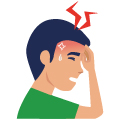
Headache
- Stay Hydrated: Drink plenty of water throughout the day to help ease headache symptoms.
- Rest in a Quiet Environment: Minimize noise and bright lights by resting in a calm, dark room.
- Use Over-the-Counter Pain Relief: Consult your doctor about using mild pain relievers like acetaminophen to alleviate headaches.
- Avoid Stressful Activities: Limit activities that increase stress or physical exertion when experiencing headaches.
- Seek Medical Advice: Contact your healthcare provider if headaches become severe, persistent, or are accompanied by other symptoms.

Nausea And Vomiting
- Stay Hydrated: Sip fluids slowly, such as water, ginger tea, or clear soups to support hydration and reduce discomfort.
- Eat Small, Bland Meals: Choose light foods like crackers, toast, or plain rice to minimize stomach irritation.
- Avoid Strong Odors and Spicy Foods: These can worsen feelings of nausea and should be limited during symptoms.
- Rest and Relaxation: Rest in a comfortable position and avoid sudden movements to calm the digestive system.
- Seek Medical Advice: Consult a healthcare provider promptly if nausea is severe, persistent, or accompanied by vomiting.
Warning & Precautions

Pregnancy
ContraindicatedGlimestar M1 Tablet is not advised during pregnancy. While human data is limited, animal research indicates potential harm to the unborn child. If you are pregnant or planning to conceive, talk to your doctor before starting this medicine.

Breastfeeding
ContraindicatedThis medicine is not suitable for nursing mothers as it may pass into breast milk and harm the infant. Always discuss with your healthcare provider before using Glimestar M1 Tablet while breastfeeding.

Driving and Using Machines
Use with CautionUse caution when driving or operating heavy machinery. Fluctuating blood sugar levels can cause dizziness, tiredness, trembling, or blurred vision, which can affect your alertness and safety.

Alcohol
Consult your doctorAvoid alcohol while using Glimestar M1 Tablet. Taking alcohol may either potentiate or reduce its blood sugar lowering effect and raise the risk of lactic acidosis. Seek medical advice before consuming alcohol during this medication regimen.

Kidney
Consult your doctorGlimestar M1 Tablet is not recommended for patients with severe kidney disease and should be used with caution in those with mild to moderate kidney impairment as the dose may need adjustment based on kidney test results. Consult your doctor before taking this medicine.

Liver
Consult your doctorThis medicine is not recommended in severe liver disease and should be used cautiously in patients with other liver problems. The dosage may be adjusted according to liver function. Always consult your doctor before use.

Allergy
ContraindicatedDo not take this medicine if you are allergic to Glimepiride or Metformin or other sulfonylureas (such as glipizide, glibenclamide), or sulfonamides (such as sulfamethoxazole).

Heart Disease
ContraindicatedGlimestar M1 Tablet is not recommended for patients with acute heart conditions, recent heart attack, severe circulation problems, or heart failure symptoms. Always seek medical advice before taking it.

Use In Pediatrics
ContraindicatedGlimestar M1 Tablet is not recommended for children or adolescents below 18 years of age. Consult your paediatrician before use.

Use In Geriatrics
Consult your doctorThis medicine is not recommended for elderly patients aged 75 years or above and should be used with caution in those aged 65 years or above, especially with impaired kidney function. Regular monitoring of kidney health is advised during Glimestar M1 Tablet use. Consult your doctor before taking it.
Other Warnings for GLIMESTAR M1 TABLET
Before taking Glimestar M1 tablet inform your doctor if you:
- Are recovering from surgery, injury, infection with fever, or experiencing any kind of physical or emotional stress
- Have glucose-6-phosphate dehydrogenase (G6PD) deficiency
- Have conditions or lifestyle factors that may raise your risk of low blood sugar, such as poor nutrition, missed or delayed meals, irregular eating habits, fasting, or hormonal imbalances
Who should not take GLIMESTAR M1 TABLET
Glimestar M1 tablet is not recommended for use, if you have:
- Type 1 diabetes mellitus
- Diabetic ketoacidosis or uncontrolled diabetes
- Severe dehydration
- Serious or long-standing infections
Diet and Lifestyle Advice
What are the best diet and lifestyle tips to follow while taking Glimestar M1 Tablet for effective blood sugar control?
Best Diet Tips
- Eat Balanced Meals: Consume regular, balanced meals rich in fiber, lean protein, non-starchy vegetables, and limited refined carbohydrates to avoid blood sugar spikes.
- Limit Simple Sugars: Avoid sugary snacks, sweetened beverages, and desserts that can cause unpredictable increases in blood glucose.
- Prefer Whole Grains: Choose whole grain options over white bread, pasta, or rice for sustained energy and better glycemic control.
- Control Portion Size: Practice portion control at every meal to reduce overeating and maintain healthy blood sugar levels
- Include Healthy Fats: Incorporate sources of healthy fats like nuts, seeds, and olive oil for added metabolic and cardiovascular benefits.
Key Lifestyle Tips
- Stay Active: Engage in regular physical exercise, such as brisk walking or cycling, at least 30 minutes a day to enhance insulin sensitivity and overall metabolic health.
- Take Medicine with Food: Always take Glimestar M1 with food at the same time daily to reduce the risk of low blood sugar and minimize stomach side effects.
- Monitor Blood Sugar: Check your blood sugar regularly as advised by your doctor to spot trends and avoid dramatic fluctuations.
- Avoid Alcohol: Refrain from alcohol, which may increase the risk of dangerous lows or lactic acidosis with Glimestar M1.
- Don't Skip Meals: Make sure not to miss meals or fast unexpectedly, as this heightens the chance of hypoglycemia.
Extra Tips for Best Results
- Stay Hydrated: Drink plenty of water throughout the day to maintain kidney and metabolic health.
- Manage Stress: Practice stress management techniques such as yoga, meditation, or hobbies, because stress hormones can affect blood glucose levels.
- Quit Smoking: Stop smoking as it can worsen insulin resistance and raise the risk of cardiovascular complications.
- Weight Management: Aim for gradual weight loss if overweight to further improve glucose control and reduce risks.
Following these diet and lifestyle strategies along with your prescribed medication supports effective diabetes management and enhances safety for those taking Glimestar M1 Tablet.
Drug - Drug interaction
- Insulin and Other Antidiabetic Medicines (e.g., Pioglitazone)
Interaction: Using Glimestar M1 with insulin or other oral antidiabetics may increase the risk of low blood sugar (hypoglycemia).
Effects: May cause dizziness, sweating, shakiness, or fainting due to low glucose levels.
Management: Inform your doctor if you experience symptoms of low blood sugar. Regular blood glucose monitoring and dose adjustments may be necessary. - Diuretics (e.g., Furosemide, Hydrochlorothiazide)
Interaction: Diuretics especially thiazides may raise blood sugar levels, reducing Glimestar M1’s effectiveness.
Effects: Increases risk of high blood sugar (hyperglycemia) and reduces insulin sensitivity.
Management: Frequent blood sugar monitoring is recommended. Dose modifications may be needed if blood glucose rises. - ACE Inhibitors (e.g., Enalapril, Lisinopril)
Interaction: ACE inhibitors can enhance the blood-sugar-lowering effect of Glimestar M1.
Effects: Heightened risk of hypoglycemia, especially in patients with kidney disease.
Management: Monitor your blood sugar closely. Your doctor might adjust Glimestar M1 dosage if significant low sugar episodes occur. - Corticosteroids (e.g., Prednisone)
Interaction: Steroids can increase blood sugar, reducing Glimestar M1’s blood sugar control.
Effects: May cause persistent high blood sugar, making diabetes harder to manage.
Management: Notify your healthcare provider about steroid use. Extra glucose checks and Glimestar M1 dose adjustments may be required. - Antibiotics (e.g., Clarithromycin, Rifampicin)
Interaction: Certain antibiotics may either raise or lower blood sugar levels when combined with Glimestar M1.
Effects: Increased risk of both high and low glucose episodes; symptoms can include weakness, confusion, excessive thirst, or sweating.
Management: Notify your doctor about any new antibiotics. Adjustments in monitoring and medication may be recommended.
Drug - Food interaction
- Food (Regular Meals)
Interaction: Skipping meals or eating irregularly while on Glimestar M1 increases the risk of hypoglycemia (low blood sugar).
Effects: Dizziness, sweating, shakiness, headache, or fainting after missing a meal.
Management: Take Glimestar M1 with food at the same time daily; do not skip meals and always have a quick source of glucose handy. - High-Carbohydrate Foods
Interaction: Consuming foods high in simple carbohydrates can lead to unpredictable blood sugar spikes while on Glimestar M1.
Effects: Reduced effectiveness in controlling blood glucose levels, possible fluctuations from high to low sugar.
Management: Choose complex carbohydrates like whole grains and limit sugary snacks for more stable control. - Alcohol
Interaction: Drinking alcohol can increase the risk of lactic acidosis and dangerously low blood sugar when taking Glimestar M1.
Effects: Muscle pain, confusion, rapid heartbeat, trouble breathing, and increased hypoglycemia risk.
Management: Avoid alcohol entirely; consult your doctor about safe beverage choices. - Fatty or Oily Foods
Interaction: Consuming large or fatty meals can worsen stomach side effects like nausea or diarrhoea during Glimestar M1 therapy.
Effects: Stomach discomfort, indigestion, and loose stools may become more frequent.
Management: Prefer smaller meals and avoid high-fat foods to minimize digestive symptoms.
Synopsis
| Drug | : | Glimepiride, Metformin |
| Pharmacological Category | : | Sulfonylureas, Biguanides |
| Therapeutic Indication | : | Type II diabetes mellitus |
| Dosage Forms | : | Tablet |
More Information
Storage
- Store Glimestar M1 Tablet at room temperature, typically between 20-25°C
- Keep this medication away from direct sunlight, heat sources, and humidity to maintain its effectiveness
- Store the medications in a safe location, out of reach of children and pets
- Never freeze Glimestar M1 Tablet, as freezing can damage the medication
FAQs About GLIMESTAR M1 TABLET
Q: What is Glimestar M1 Tablet used for?
A: Glimestar M1 Tablet helps manage type 2 diabetes mellitus by supporting blood sugar control when diet and exercise alone are insufficient.
Q: How does Glimestar M1 Tablet work?
A: Glimestar M1 combines glimepiride and metformin; glimepiride boosts insulin release from the pancreas, while metformin improves insulin sensitivity and reduces glucose production in the liver for effective blood sugar control.
Q: When should I take Glimestar M1 Tablet?
A: Take Glimestar M1 with food at the same time each day as advised by your doctor, to reduce stomach upset and minimize the risk of low blood sugar.
Q: Can Glimestar M1 Tablet be used for type 1 diabetes?
A: No, Glimestar M1 Tablet is not recommended for type 1 diabetes or diabetic ketoacidosis, it is indicated only for type 2 diabetes management.
Q: What are the common side effects of Glimestar M1 Tablet?
A: Common side effects include nausea, diarrhoea, dizziness, headache, abdominal discomfort, and low blood sugar (hypoglycemia).
Q: What precautions should I follow while taking Glimestar M1 Tablet?
A: Avoid skipping meals, monitor blood sugar regularly, limit alcohol intake, and inform your doctor about any stress, infections, or lifestyle changes that could impact blood glucose levels.
Q: Can I stop taking Glimestar M1 Tablet once my blood sugar returns to normal?
A: Do not discontinue Glimestar M1 Tablet without consulting your doctor, even if your blood sugar is controlled; sudden stopping may increase risk of diabetic complications.
Q: Are there special diet or lifestyle tips to follow with Glimestar M1 Tablet?
A: Eat regular, balanced meals, exercise daily, stay hydrated, monitor your blood sugar, and avoid alcohol for best results while using Glimestar M1 Tablet.
Q: Can I take Glimestar M1 Tablet at night?
A: Glimestar M1 Tablet is best taken once daily with food, ideally during breakfast or your first main meal of the day, to reduce the risk of stomach upset and hypoglycemia. Taking it at night is generally not recommended unless advised by your doctor.
Q: Is Glimestar M1 Tablet suitable for kidney patients?
A: Glimestar M1 Tablet is not recommended for patients with severe kidney impairment or kidney disease, as it may increase the risk of lactic acidosis. Always inform your doctor about any kidney issues before starting this medication for safe use and proper dose adjustment
References
1. KD Tripathi MD. Hormones and related drugs. Essentials of medical pharmacology. Seventh edition. New Delhi, May 2013. Page – 274.
2. Rakesh Kumar Sahay, Vinod Mittal, G Raja Gopal, Sunil Kota, Ghanshyam Goyal, Mahesh Abhyankar, Santosh Revenkar. Glimepiride and Metformin Combinations in Diabetes Comorbidities and Complications: Real-World Evidence. September 2020. [Accessed on October 28th, 2025] 
3. Sanofi. Efficacy and Safety Comparison of Metformin/Glimepiride Combination Versus Each Compound Alone in New Diagnosed Type 2 Diabetes Patients (RECOMMEND). NIH U.S. National Library of Medicine. ClinicalTrials.gov. [Revised in January 2015] [Accessed on October 28th, 2025] 
4. Torrent pharmaceuticals Ltd. Azulix MF. Metformin Hydrochloride Prolonged Release and Glimepiride Tablets I.P. [Revised in July 2019] [Accessed on October 28th, 2025]
5. Sanofi-aventis group. Amaryl M. Glimepiride + Metformin. [Revised in May 2015] [Accessed on October 28th, 2025]
Author Details