





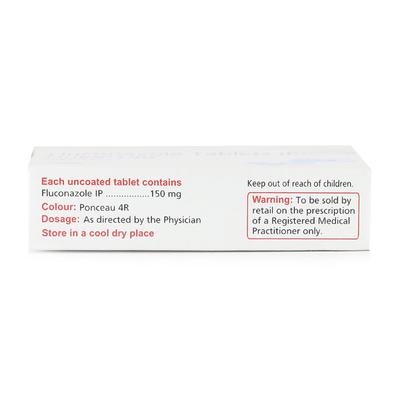
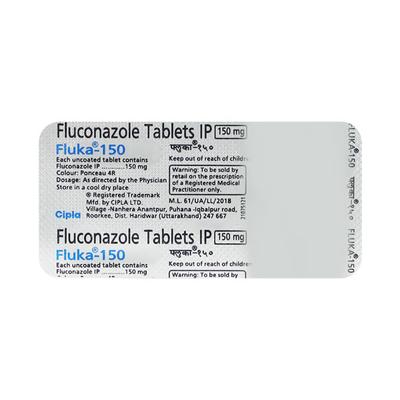
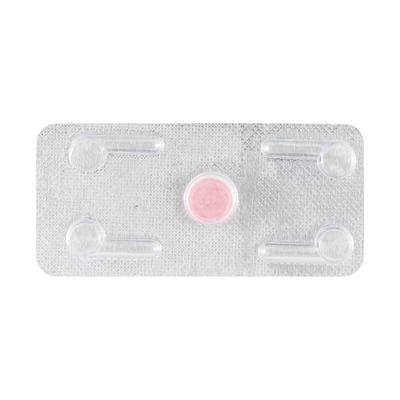

Fluka 150mg Tablet 1's

Netmeds First Membership
Quick Links
Introduction About FLUKA 150MG TABLET
Fluka 150mg Tablet contains fluconazole, a powerful antifungal compound that supports the management of fungal infections across various parts of the body, as directed by your healthcare professional. Belonging to the triazole antifungal class, Fluka 150mg Tablet is widely recommended for controlling infections caused by sensitive yeast and fungal organisms affecting the mouth, throat, genital region, skin, and internal organs.
Fluka 150 Tablet is commonly prescribed for fungal concerns involving the oral cavity, throat, vaginal area, and even nail infections such as fingernail and toenail fungal issues. It works by disrupting the fungal cell membrane, helping stop the growth and spread of fungi at the source.
Known for its reliability and broad-spectrum action, Fluka 150mg Tablet is frequently chosen by healthcare providers for managing persistent or recurring fungal problems where effective antifungal support is required.
Fluka 150 Tablet should be taken exactly in the dosage and duration recommended by your healthcare professional. Swallow the tablet whole, and it may be consumed with or without food. Your prescribed schedule will vary based on your specific fungal concern and your doctor’s guidance. In some cases, it may be suggested in planned cycles of use and intervals of non-use.
For the best results, try to take each dose at consistent, evenly spaced times. Make sure to continue using the medication until the full course is completed, even if you begin noticing improvements earlier. Stopping the course midway can allow the fungal issue to return, and missing doses may contribute to reduced effectiveness over time.
If you notice that your condition is not improving or seems to be getting worse, inform your doctor promptly. It is also advisable to avoid antacid products one hour before or two hours after taking Fluka 150 Tablet, as they may interfere with how well the medicine works.
The most common Fluka 150 Tablet side effects include stomach discomfort, vomiting, loose stools, skin rash, headache, nausea, diarrhoea, change in taste, dizziness and skin rash. You may consult your healthcare professional for guidance on minimizing or managing these unwanted effects.
Stop using the medication and seek medical advice immediately if you experience any signs that may indicate an allergic response such as skin rash, swelling of the lips, throat, or face, difficulty swallowing or breathing, dizziness, or severe nausea.
Avoid using Fluka 150 Tablet during pregnancy unless your healthcare professional has specifically advised otherwise. Make sure to inform your doctor if you have a history of heart related issues, reduced immune function (including conditions such as HIV/AIDS), kidney concerns, or liver conditions such as jaundice. In such situations, this medication may not be the most suitable option.
If your prescribed course extends beyond one month, your doctor may recommend regular liver-function monitoring to ensure safe ongoing use. Fluka 150 Tablet can sometimes cause dizziness, so it is best to avoid driving or operating heavy machinery until you feel fully alert and stable.
Uses Of FLUKA 150MG TABLET
- Oral thrush management (yeast infection in the mouth)
- Fungal infections in the throat and esophagus
- Vaginal yeast imbalance/vaginal fungal overgrowth
- Genital area fungal discomfort and irritation
- Skin fungal infections, including rashes and patches
- Fingernail and toenail fungal involvement (onychomycosis)
- Yeast and fungal infections in internal organs
- Recurrent or persistent yeast-related concerns
- Infections caused by susceptible Candida species
- Fungal overgrowth in immunocompromised individuals (as advised by doctor)
Benefits of FLUKA 150MG TABLET
- Helps Control Fungal Overgrowth: Supports effective management of yeast and fungal infections across different body areas, including mouth, throat, skin, and genital region.
- Addresses Vaginal Yeast Imbalance: Assists in reducing discomfort, itching, discharge, and irritation associated with vaginal fungal issues.
- Supports Oral and Throat Fungal Relief: Helps manage oral thrush, throat fungal irritation, and swallowing discomfort caused by yeast overgrowth.
- Aids in Managing Nail Fungal Concerns: Useful for controlling fingernail and toenail fungal involvement by limiting fungal growth at the source.
- Targets Skin Fungal Issues: Helps reduce fungal activity responsible for ringworm, athlete’s foot, and other skin-related fungal concerns.
- Works at the Root Cause: Disrupts the fungal cell membrane, helping restrict fungal multiplication and supporting long-lasting relief.
- Convenient Single-Dose Option: In many yeast-related conditions, a single 150mg dose (as advised by your doctor) offers a simple and convenient management approach.
- Wide Coverage Against Candida Species: Effective against multiple forms of Candida, supporting control of both superficial and internal fungal issues.
- Suitable With or Without Food: Flexible intake allows easy incorporation into daily routines without strict food-related restrictions.
- Clinically Trusted Antifungal Component: Contains fluconazole, a well-established triazole antifungal compound recommended by healthcare professionals for reliable fungal control.
How FLUKA 150MG TABLET Works
Fluka 150mg Tablet: How Fluconazole Acts on Fungal Cells
Fluka 150mg Tablet contains fluconazole, a triazole antifungal molecule that works by disrupting essential biochemical processes inside fungal cells. It interferes with the pathway responsible for producing the cell membrane, weakening fungal structure and slowing further growth. By selectively targeting fungal enzymes, fluconazole helps control fungal activity across different body areas.
Role of Ergosterol and Why Fluka 150mg Targets It
Ergosterol is a key structural component of fungal cell membranes, similar to cholesterol in human cells. Fluka 150mg targets ergosterol synthesis because fungi cannot survive or maintain cell integrity without it. When ergosterol levels drop, the cell membrane becomes unstable, leading to increased permeability and impaired fungal function. This selective targeting makes ergosterol a primary point of action for high-efficacy antifungal support.
Fluconazole and 14-α Lanosterol Demethylase Inhibition
Fluconazole works by inhibiting the fungal enzyme 14-α lanosterol demethylase, which is essential for converting lanosterol into ergosterol. Blocking this enzyme disrupts the ergosterol synthesis pathway, resulting in defective membrane formation. This key mechanism is central to fluconazole’s action and is widely recognized for its reliability in managing fungal overgrowth.
What Happens to the Fungal Cell Membrane with Fluka 150mg Tablet
Once Fluka 150mg interferes with ergosterol production, the fungal cell membrane becomes weak, porous, and functionally unstable. This impaired membrane cannot regulate nutrients or maintain internal balance, causing fungal cells to lose structural integrity. Over time, this disruption slows fungal proliferation and limits the organism’s ability to survive.
Fungistatic Action of Fluka 150mg Tablet: Slowing Fungal Growth
Fluka 150mg primarily shows a fungistatic effect, meaning it slows down fungal multiplication rather than destroying fungi outright. By reducing ergosterol and compromising membrane function, fluconazole controls fungi from replicating effectively. This controlled slowdown helps the body and immune system regain balance and manage fungal presence more efficiently.
When Fluconazole May Show Dose-Dependent Fungicidal Activity
Although mainly fungistatic, fluconazole can exhibit fungicidal (fungus-killing) action at higher concentrations, particularly against certain strains of Candida and Cryptococcus. This dose-dependent effect usually appears when drug levels at the infection site are sufficiently high or in infections involving highly susceptible fungal organisms. Clinical guidance determines when such dosing strategies are appropriate.
Why Human Cells Are Less Affected Than Fungal Cells
Human cells are minimally affected by fluconazole because they do not contain ergosterol. Instead, human cell membranes rely on cholesterol, which the drug does not target. Additionally, the enzyme 14-α lanosterol demethylase in human cells is structurally different, making fluconazole far less active against human biochemical pathways. This selective targeting ensures higher safety while focusing action on fungal organisms.
How to use FLUKA 150MG TABLET
How to Take Fluka 150mg Tablet Correctly
- Fluka 150mg Tablet should be taken exactly as directed by your healthcare professional.
- Swallow the tablet whole with water, do not crush or break it.
- Maintaining consistent intake intervals helps maximize antifungal effectiveness and supports better infection control.
- Proper adherence ensures optimal results and lowers the risk of fungal resistance.
Doctor-Advised Dose and Duration of Fluka 150mg Tablet
- The dose and management duration of Fluka 150mg vary depending on the type, location, and severity of the fungal infection.
- Your doctor will determine the appropriate regimen, which can range from a single dose for uncomplicated infections to longer courses for chronic or systemic fungal issues.
- Following the prescribed schedule is crucial for achieving full therapeutic benefit.
Single Dose Versus Repeated Dosing with Fluka 150mg Tablet
- Single dose administration is commonly used for acute vaginal yeast infections or simple fungal episodes.
- Repeated dosing may be necessary for oral thrush, skin infections, nail fungal involvement, or systemic fungal infections.
- Your doctor will tailor the approach based on the infection type and individual response, ensuring maximum fungal control with minimal side effects.
Food, Timing, and Practical Tips for Taking Fluka 150mg Tablet
- Fluka 150mg can be taken with or without food, providing flexibility in daily schedules.
- Avoid antacids 1 hour before or 2 hours after taking the tablet, as they may interfere with absorption.
- Take the medicine at the same time each day to maintain consistent blood levels and improve efficacy.
- Keep the tablet in a cool, dry place, away from direct sunlight, to preserve potency.
When to Contact Your Doctor About Dose Changes
- If your infection does not improve or worsens despite following the prescribed course.
- If you experience unusual side effects such as severe rash, swelling, dizziness, or jaundice.
- If you have kidney or liver problems, or any other health condition that may affect drug metabolism.
- Before making any dose, adjustments or extending the management duration.
- Consulting your doctor ensures safe and effective management of fungal infections while minimizing complications.
What if I forgot to take FLUKA 150MG TABLET
If a dose is missed:
- Take it as soon as you remember unless it is close to the next scheduled dose.
- Do not double the next dose to make up for the missed one.
- Maintaining a regular schedule helps to control fungal resurgence and reduces the risk of resistance.
Side Effects Of FLUKA 150MG TABLET
Common:
- Stomach discomfort
- Vomiting
- Loose stools
- Skin rash
- Headache
- Nausea
- Diarrhoea
- Change in taste
- Dizziness
- Skin rash
When to consult your doctor?
- Severe Allergic Reactions (Anaphylaxis) symptoms such as swelling of the lips, tongue, face, or throat, difficulty breathing or swallowing, sudden severe rash, hives, or itching
- Serious Skin Reactions symptoms such as widespread rash or blistering, peeling or red patches (possible signs of Stevens-Johnson syndrome or toxic epidermal necrolysis)
- Liver problems symptoms such as yellowing of the skin or eyes (jaundice), dark urine or pale stools, persistent nausea, vomiting, or severe abdominal pain
- Heart or Circulatory problems symptoms such as irregular heartbeat or palpitations, fainting or extreme dizziness
- Severe Neurological Symptoms such as confusion or disorientation, seizures or persistent dizziness
- Persistent or Severe Gastrointestinal Reactions symptoms such as uncontrollable vomiting or diarrhoea, abdominal swelling or intense pain
How To Manage Side Effects

Dizziness Or Drowsiness
- Sit or Lie Down: If you feel dizzy, sit down, or lie down immediately to reduce falling. Keep your head still and close your eyes if needed.
- Hydrate: Dehydration can cause dizziness, so drink water or electrolyte-replenishing drinks like sports drinks.
- Avoid Sudden Movements: When standing or sitting, do so slowly to avoid triggering dizziness. Take your time when getting up.
- Eat Small, Regular Meals: Low blood sugar can cause dizziness, so eat small meals throughout the day and avoid skipping meals.
- Fresh Air: Sometimes dizziness can be alleviated by taking slow, deep breaths in a well-ventilated area.

Headache
- Stay Hydrated: Drink plenty of water throughout the day to help ease headache symptoms.
- Rest in a Quiet Environment: Minimize noise and bright lights by resting in a calm, dark room.
- Use Over-the-Counter Pain Relief: Consult your doctor about using mild pain relievers like acetaminophen to alleviate headaches.
- Avoid Stressful Activities: Limit activities that increase stress or physical exertion when experiencing headaches.
- Seek Medical Advice: Contact your healthcare provider if headaches become severe, persistent, or are accompanied by other symptoms.

Nausea And Vomiting
- Stay Hydrated: Sip fluids slowly, such as water, ginger tea, or clear soups to support hydration and reduce discomfort.
- Eat Small, Bland Meals: Choose light foods like crackers, toast, or plain rice to minimize stomach irritation.
- Avoid Strong Odors and Spicy Foods: These can worsen feelings of nausea and should be limited during symptoms.
- Rest and Relaxation: Rest in a comfortable position and avoid sudden movements to calm the digestive system.
- Seek Medical Advice: Consult a healthcare provider promptly if nausea is severe, persistent, or accompanied by vomiting.
Warning & Precautions

Pregnancy
ContraindicatedFLUKA 150MG TABLET is not recommended for use during pregnancy unless considered clearly necessary. Consult your doctor before taking FLUKA 150MG TABLET.

Breastfeeding
ContraindicatedFLUKA 150MG TABLET is not recommended for use in breastfeeding women after repeated use or after high dose of this medicine. You may continue breast-feeding after single dose of FLUKA 150MG TABLET. Consult your doctor before taking FLUKA 150MG TABLET.

Driving and Using Machines
Use with CautionDo not drive or operate any machines if you experience dizziness or fits after taking FLUKA 150MG TABLET.

Kidney
Use with CautionFLUKA 150MG TABLET should be used with caution in patients with kidney dysfunction. Consult your doctor before taking FLUKA 150MG TABLET.

Liver
Use with CautionFLUKA 150MG TABLET should be used with caution in patients with liver dysfunction. Consult your doctor before taking FLUKA 150MG TABLET.

Allergy
ContraindicatedFLUKA 150MG TABLET is not recommended for use if you are allergic to fluconazole or other azole anti-fungals (such as itraconazole or posaconazole).

Heart Disease
Use with CautionFLUKA 150MG TABLET should be used with caution in patients with heart rhythm problems. Consult your doctor for advice before taking FLUKA 150MG TABLET.

Use In Pediatrics
Use with CautionFLUKA 150MG TABLET should be used with caution in children and adolescents (from birth to 17 years of age). Consult child’s doctor for advice before administration of FLUKA 150MG TABLET to your child.

Use In Geriatrics
Use with CautionFLUKA 150MG TABLET should be used with caution in elderly patients, particularly with renal impairment. Your doctor may adjust the dose depending upon kidney function. Consult your doctor for advice before taking FLUKA 150MG TABLET.
Others
Other Warnings for FLUKA 150MG TABLET
Before taking FLUKA 150MG TABLET, inform your doctor if you:
- Have abnormal levels of potassium, calcium, or magnesium in your blood
- Are prone to develop severe skin reactions (itching, reddening of the skin, or difficulty in breathing)
- Have a history of adrenal insufficiency
- Have no improvement in fungal infection
Who should not take FLUKA 150MG TABLET
FLUKA 150MG TABLET is not recommended for use if you have:
- Rare hereditary problems of galactose intolerance, Lapp lactase deficiency, or glucose-galactose malabsorption
Diet and Lifestyle Advice
|
Category |
Recommendations |
|
Dietary Guidelines |
Eat a balanced diet rich in fruits, vegetables, whole grains, and lean proteins. Avoid excessive sugar and processed foods. |
|
Hydration |
Drink at least 8–10 glasses of water daily. Limit caffeinated and sugary drinks. |
|
Alcohol & Smoking |
Avoid alcohol and smoking as they can interfere with the medicine’s effectiveness. |
|
Exercise |
Engage in moderate exercise like walking, yoga, or swimming 30–45 minutes daily. |
|
Meal Timing |
Take Fluka 150mg with or after meals as directed by your doctor to reduce stomach upset. |
|
Monitoring |
Track relevant health parameters regularly if Fluka 150mg is for conditions like diabetes. |
|
Lifestyle Habits |
Maintain regular sleep patterns, manage stress, and avoid skipping doses. |
Drug - Drug interaction
Before taking FLUKA 150MG TABLET, inform your doctor if you are taking any of the following medicines:
1.Blood Thinners (e.g., Warfarin, Aspirin)
- Interaction: Combining Fluka 150mg Tablet with blood thinners may increase the risk of bleeding.
- Effects: Unusual bruising, bleeding gums, blood in stools or urine.
- Management: Inform your doctor immediately if you notice any signs of bleeding. Dose adjustments or closer monitoring may be required to ensure safety.
2.Antidiabetic Medications (e.g., Sulfonylureas, Insulin)
- Interaction: Fluka 150mg may enhance the blood sugar-lowering effect of antidiabetic drugs.
- Effects: Symptoms include dizziness, shakiness, sweating, or confusion (hypoglycemia).
- Management: Monitor blood sugar closely. Your doctor may adjust your diabetes medication dose.
3.Anticonvulsants (e.g., Phenytoin, Carbamazepine)
- Interaction: Fluka 150mg can increase blood levels of some anticonvulsants, raising the risk of side effects.
- Effects: Drowsiness, nausea, dizziness, or coordination problems.
- Management: Regular blood monitoring may be needed. Your doctor may adjust the anticonvulsant dose.
4.Rifampicin or Rifabutin (Antibiotics for TB)
- Interaction: These antibiotics may reduce the effectiveness of Fluka 150mg by increasing its metabolism.
- Effects: Fungal infection may not improve or may worsen.
- Management: Your doctor may change the dose or select an alternative antifungal.
5.Statins (e.g., Simvastatin, Atorvastatin)
- Interaction: Fluka 150mg may increase statin blood levels, raising the risk of muscle toxicity (myopathy/rhabdomyolysis).
- Effects: Muscle pain, weakness, dark urine.
- Management: Report any unusual muscle symptoms to your doctor. Dose adjustment or alternative therapy may be considered.
6.Other Azole Antifungals (e.g., Itraconazole, Ketoconazole)
- Interaction: Using multiple azoles may increase the risk of liver toxicity or other side effects.
- Effects: Jaundice, fatigue, nausea, abdominal pain.
- Management: Avoid simultaneous use unless specifically directed by your doctor.
Drug - Food interaction
1.Antacids (e.g., Aluminum Hydroxide, Magnesium Hydroxide)
- Interaction: Taking Fluka 150mg Tablet within 1 hour before or 2 hours after antacids may reduce its absorption and effectiveness.
- Effects: Fungal infection may persist or worsen.
- Management: Separate antacid and Fluka 150mg Tablet by at least 2 hours to ensure optimal absorption.
2.Alcohol
- Interaction: Alcohol does not directly reduce effectiveness but may increase the risk of liver stress when combined with Fluka 150mg.
- Effects: Increased liver enzyme levels, fatigue, nausea, or jaundice.
- Management: Limit or avoid alcohol during management, especially for long-term or high-dose therapy.
3.Grapefruit or Grapefruit Juice
- Interaction: Grapefruit can interfere with the metabolism of Fluka 150mg by affecting liver enzymes (CYP3A4).
- Effects: Higher drug levels in the blood, potentially increasing side effects such as headache, dizziness, or stomach upset.
- Management: Avoid grapefruit products while taking Fluka 150mg Tablet.
4.High-Fat Meals
- Interaction: Fluka 150mg Tablet can be taken with or without food. High-fat meals may slightly delay absorption, but not significantly.
- Effects: Minimal impact on effectiveness.
- Management: Maintain consistent intake with regard to meals for convenience and adherence.
5.Caffeine-Rich Foods and Beverages (e.g., Coffee, Energy Drinks)
- Interaction: Fluka 150mg may slightly slow caffeine metabolism, increasing jitteriness or palpitations in sensitive individuals.
- Effects: Rapid heartbeat, nervousness, insomnia.
- Management: Monitor caffeine intake during therapy and reduce if sensitivity occurs.
Synopsis
| Drug | : | Fluconazole |
| Pharmacological Category | : | Triazoles Antifungal |
| Therapeutic Indication | : | Various fungal infections |
| Dosage Forms | : | Tablet, Dispersible tablet, Capsule, Injection, Infusion, Dry syrup, Dusting powder, Gel, Cream, Ear drops, Eye drops, Soap |
More Information
Storage
- Store Fluka 150mg Tablet at room temperature, typically between 20-25°C
- Keep this medication away from direct sunlight, heat sources, and humidity to maintain its effectiveness
- Store the medications in a safe location, out of reach of children and pets
- Never freeze Fluka 150mg Tablet, as freezing can damage the medication
FAQs About FLUKA 150MG TABLET
Q: What is Fluka 150mg Tablet used for?
A: Fluka 150mg Tablet is used to manage fungal infections caused by susceptible yeast and fungal organisms. It supports control of infections in the mouth, throat, genital area, skin, nails, and internal organs.
Q: How does Fluka 150mg Tablet work?
A: Fluka 150mg Tablet works by inhibiting the fungal enzyme 14-a lanosterol demethylase, which disrupts ergosterol synthesis. This weakens the fungal cell membrane, slowing growth and helping restore healthy balance.
Q: How should Fluka 150mg Tablet be taken?
A: Take Fluka 150mg Tablet exactly as prescribed by your doctor. Swallow the tablet whole with or without food, maintaining consistent dosing intervals. Do not crush or split the tablet.
Q: Can Fluka 150mg Tablet be taken during pregnancy or breastfeeding?
A: Fluka 150mg Tablet is not recommended during pregnancy unless clearly necessary. For breastfeeding women, a single dose may be acceptable, but repeated or high doses should be avoided. Always consult your doctor first.
Q: What are the common side effects of Fluka 150mg Tablet?
A: Common side effects include stomach pain, nausea, vomiting, diarrhoea, headache, and rash. Severe allergic reactions or liver problems are rare but require immediate medical attention.
Q: Can Fluka 150mg Tablet interact with other medicines?
A: Yes, Fluka 150mg Tablet may interact with blood thinners, antidiabetic drugs, statins, anticonvulsants, rifampicin, and other azole antifungals. Always inform your doctor about all medications you are taking.
Q: What should I do if I miss a dose of Fluka 150mg Tablet?
A: Take the missed dose as soon as you remember, unless it is almost time for your next dose. Do not double the next dose. Maintaining a regular schedule is important for effective fungal control.
Q: Is Fluka 150mg Tablet safe for children and elderly patients?
A: Use with caution in children and adolescents (birth to 17 years) and in elderly patients, particularly those with kidney impairment. Dose adjustments may be necessary, so consult your doctor.
Q: Can I drive or operate machinery while taking Fluka 150mg Tablet?
A: Avoid driving or using machinery if you experience dizziness or fits after taking Fluka 150mg Tablet.
Q: How long does it take for Fluka 150mg Tablet to work?
A: Fluka 150mg Tablet typically begins controlling fungal growth within a few days, but the full course should be completed as prescribed to ensure lasting results.
Q: Can I take Fluka 150mg Tablet without medical advice?
A: No, Fluka 150mg Tablet should only be taken under the guidance of a healthcare professional. Dosage, duration, and suitability depend on the type and severity of the fungal infection, your liver and kidney function, and any other medications you may be taking. Self-medication may lead to ineffective management, side effects, or drug resistance.
Q: How long does one dose of Fluka 150mg Tablet stay in the body?
A: One dose of Fluka 150mg Tablet typically remains active in the body for about 24 to 30 hours. Fluconazole has a long half-life, allowing for once-daily dosing in many infections. However, the exact duration can vary depending on kidney and liver function, age, and overall health. Always follow your doctor’s prescribed schedule to maintain effective antifungal levels.
Q: What should I do if my symptoms continue after the advised course of Fluka 150mg Tablet?
A: If symptoms persist after completing the prescribed course of Fluka 150mg Tablet, consult your doctor immediately. Persistent fungal infections may indicate resistant strains, an incorrect dosage, or an underlying health condition. Do not take additional doses on your own, as this can increase the risk of side effects or drug resistance. Your doctor may adjust your management or recommend further testing.
Q: How can I buy Fluka 150mg Tablet online safely?
A: Order only from licensed pharmacies like Netmeds, with a valid prescription, and follow the doctor’s instructions.
References
1. KD. Tripathi. Section, Antifungal Drugs. Essentials of medical pharmacology. Seventh edition. 2013. Page – 787.
2. Ameish Govindarajan; Karlyle G. Bistas; Curtis J. Ingold; Ayham Aboeed. NIH National Library of Medicine, National center for biotechnology information. June 2022. [Accessed on 4th December 2025] 
3. Josilene Chaves Ruela Corrra & Herida Regina Nunes Salgado. Review of Fluconazole Properties and Analytical Methods for Its Determination, Critical Reviews in Analytical Chemistry. May 2011. [Accessed on 4th December 2025] 
4. Viatris Ltd. Fluconazole. [Revised in March 2022] [Accessed on 4th December 2025]
5. FDC limited. Zocon (Fluconazole tablets) [Revised in July 2022] [Accessed on 4th December 2025]
Useful Diagnostic Tests
Author Details