November 1 is World Vegan Day, and thanks to growing awareness of animal cruelty, going fully vegan has made the bucket list of many. Veganism has come a long way in recent years, with more and more celebrities and fitness experts vouching for its health benefits.
And if you are thinking of joining the Vegan bandwagon, there are many things you should know before indulging in a fully vegan diet. Being vegan means abstaining from all animal-based food products, be it meat, eggs,s or even dairy products. This means you are not only giving up your favourite foods but also several other animal and dairy sources that provide essential protein and vitamins like B6 and B12, plus iron and other minerals.
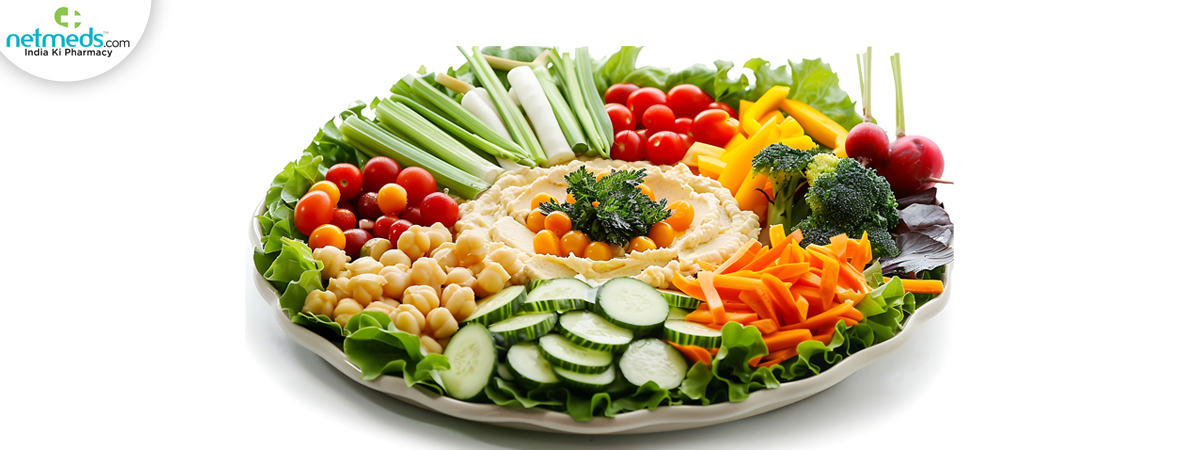
What Is A Vegan Diet All About?
Making A Slow Transition:
Like any other habit in life, it’s not easy to become a vegan overnight. Try to make the transition very slowly, as several studies reveal that only a gradual transition to veganism will help you stick to your diet plan. Abstaining from non-vegetarian food may be easy, but giving up dairy products could be tough. Try slowly substituting dairy products with soy, almond, and nut-based foods,s even if it takes a few months.
Step-By-Step Changes
Take each step very cautiously before turning vegan. Don’t make a big change like completely abstaining from milk or eggs from day one. Do it one at a time, stick to the plan, be determined, and continue it only if you feel comfortable.
Finding Alternate Sources:
Vegan food may not provide you with enough amounts of B12 and iron. B12 and iron are imperative in keeping your nerves and blood cells healthy, and a lack of these vitamins will lead to tiredness, constipation, nerve problems, and depression. Go for legumes, sunflower seeds, raisins, green leafy vegetables, red peppers, citrus fruits and broccoli to aid in B12 and iron absorption. Similarly, choose soy, lentils, beans and d quinoa for protein.
Not Losing Heart
It’s alright to have a few lapses and to occasionally go back to your favourite cheese sticks. Remember that the aim is to go slow and steady and ultimately stick to a vegan diet. Understand that you must move forward and do not let mistakes bog you down.
Finding A Support Group
Being vegan is still a surprise to many, so be prepared to face a lot of questions like what it is all about, why you chose to become a vegan and if it really helps you improve health etc., Finds a support group and try having a better understanding about vegan food. Look out for restaurants that can serve a vegan diet while traveling.
Enjoy the enormous health benefits of being a Happy Vegan!

Frequently Asked Questions
Which Nutrients Should Vegans Pay Special Attention To?
Vegans should ensure adequate intake of vitamin B12, vitamin D, iron, calcium, zinc, iodine, omega-3 fatty acids, and protein to prevent nutritional deficiencies.
Can You Get Enough Protein From A Vegan Diet?
Yes. Foods such as lentils, chickpeas, beans, tofu, tempeh, soybeans, quinoa, nuts, and seeds are excellent plant-based protein sources.
Is A Vegan Diet Suitable For Everyone?
A well-planned vegan diet can be suitable for people of different age groups. However, children, pregnant and breastfeeding women, older adults,s and individuals with specific health conditions should seek professional dietary guidance to meet their nutritional requirements.
What Is The Difference Between A Vegan And A Vegetarian Diet?
A vegetarian diet excludes meat and fish but may include dairy products and eggs. A vegan diet eliminates all animal-derived foods, including milk, cheese,eggs and honey.
How Can Beginners Transition To A Vegan Diet?
Start gradually by replacing animal-based foods with plant-based alternatives, incorporating more legumes, whole grains, fruits, vegetables,les and nuts, reading food labels, and planning balanced meals to meet daily nutritional needs.
References:
The Impact of a Vegan Diet on Many Aspects of Health: The Overlooked Side of Veganism
https://pmc.ncbi.nlm.nih.gov/articles/PMC10027313/
https://www.ncbi.nlm.nih.gov/books/NBK396513/
https://pmc.ncbi.nlm.nih.gov/articles/PMC10027313/
https://www.frontiersin.org/journals/nutrition/articles/10.3389/fnut.2023.1294497/full
https://pmc.ncbi.nlm.nih.gov/articles/PMC10665534/
https://academic.oup.com/eurheartj/article/44/36/3423/7224412
 Previous