


Every year on April 11, the world observes World Parkinson’s Disease Day to raise awareness about Parkinson’s Disease and honour the legacy of James Parkinson, who first described this health condition in 1817. Parkinson’s Disease is a progressive neurological disorder that affects movement, causing symptoms such as tremors, stiffness, and slowed motion, while also impacting balance, mood, sleep, and memory over time.
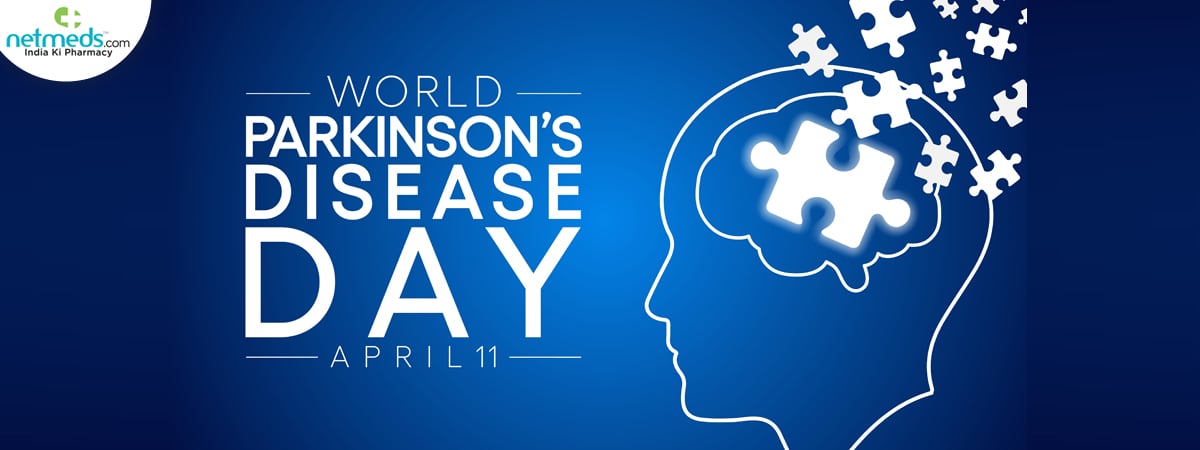
World Parkinson’s Disease Day serves as a global reminder of the importance of awareness, early diagnosis, and compassionate care for those living with Parkinson’s Disease. The day reiterates the fact that by understanding the condition, supporting research, and adopting a healthy lifestyle and balanced diet, we can help improve the quality of life for patients and move closer to a future with better treatment options.
Theme Of World Parkinson’s Disease Day 2026
The World Parkinson’s Disease Day 2026 theme may vary across organizations, but the core message remains on raising awareness about the ailment. More than just a movement disorder, it also affects mental health, sleep patterns, and daily functioning, making awareness and timely medical intervention essential.
Early signs and symptoms of Parkinson’s, including:
· Tremors
· Mild to severe stiffness in the muscles
· Slow movement, also called bradykinesia
· Balance and coordination issues
Also Read: World Parkinson’s Day: Myths and Facts About The Neurological Disorder
Significance
World Parkinson’s Disease Day is not just about awareness. It is about building empathy, encouraging healthier lifestyles, and creating hope for better care and treatment in the future. Global awareness campaigns, health seminars, and community initiatives encourage people to understand Parkinson’s Disease symptoms and treatment options while supporting those affected. Early diagnosis can help in better Parkinson’s Disease management and may slow disease progression. The day also emphasizes the importance of:
· Emotional and mental health support
· Caregiver awareness and support systems
· Ongoing research for improved treatments and a potential cure
Foods That Help Manage Parkinson’s Disease
Although there is no cure for Parkinson’s Disease, following a Parkinson’s Disease diet rich in nutrients and the following foods can help manage symptoms and improve overall well-being.
Leafy Green Vegetables
Spinach, kale, and fenugreek are packed with antioxidants, vitamins, and minerals that help reduce oxidative stress and support brain health.
Berries
Blueberries, strawberries, and blackberries are rich in flavonoids, which may help protect brain cells and slow cognitive decline.
Nuts and Seeds
Almonds, walnuts, chia seeds, and pumpkin seeds provide omega-3 fatty acids and healthy fats that support brain function and reduce inflammation.
Whole Grains
Brown rice, oats, and whole wheat offer steady energy and improve digestion, helping manage fatigue and constipation—common in Parkinson’s patients.
Fiber-Rich Fruits
Apples, bananas, and pears help improve digestion and relieve constipation, a frequent symptom of Parkinson’s Disease.
Turmeric
Turmeric contains curcumin, known for its powerful anti-inflammatory and antioxidant properties that may help protect brain cells.
References:
https://www.ninds.nih.gov/health-information/disorders/parkinsons-disease
https://www.movementdisorders.org/
 Previous


