


World ORS Day is observed on July 29 to raise awareness about the life-saving benefits of Oral Rehydration Solution (ORS). A simple solution made from basic ingredients, ORS is very useful in treating and preventing dehydration caused by diarrhoea, vomiting, and heat-related illnesses. Despite being one of the simplest medical interventions, this humble solution has saved the lives of infants, young children, and even adults. The day highlights the role of ORS in preventing serious complications and also minimising dehydration-related medical emergencies. Many health experts encourage every household to keep ORS packets readily available, especially during the monsoon when diarrheal infections become more common.
Why Is World ORS Day Significant?
World ORS Day 2026 continues to raise awareness about dehydration prevention and the importance of staying properly hydrated. The campaign also encourages families, healthcare workers, and communities to stay informed about ORS benefits and how it can play a critical role in preventing life-threatening dehydration. Diarrhoea can cause rapid loss of essential electrolytes. ORS is a scientifically formulated mixture of glucose and salts that helps the body absorb fluids efficiently, restoring hydration without requiring intravenous treatment in most mild to moderate cases. World ORS Day highlights the importance of educating caregivers, as well as reinforcing that ORS should be used alongside zinc supplementation for children with acute diarrhoea, as recommended by public health authorities.
· Early intervention
· Potable drinking water
· Importance of breastfeeding
· Importance of educating caregivers about recognizing the signs of dehydration.
To Prevent Dehydration And Restore Fluid Balance, Shop From Our Wide Range Of Health Drink
5 Ways ORS Saves Lives
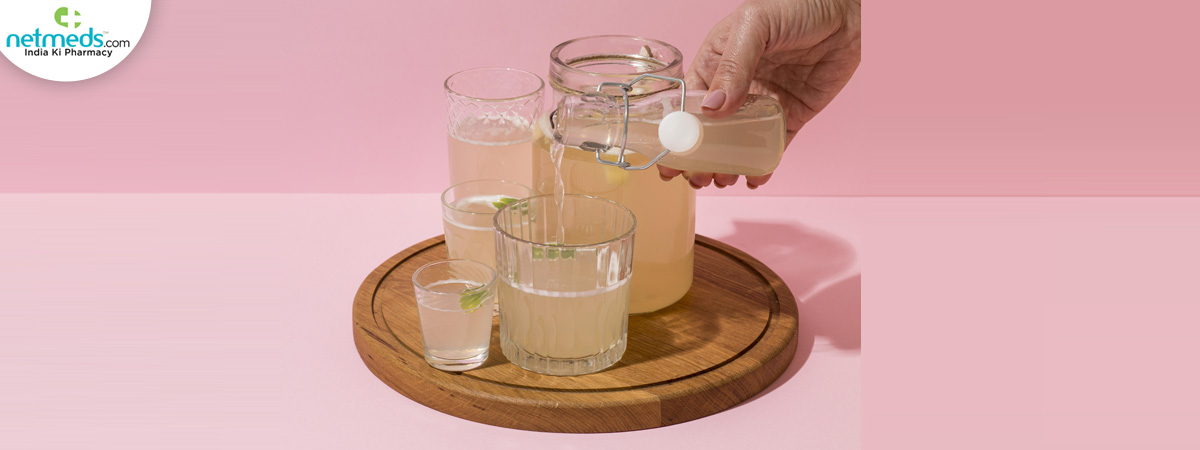
An inexpensive, widely available, easy-to-prepare, and simple-to-administer solution, ORS remains one of the most cost-effective public health interventions ever developed. The solution can benefit families even in low-resource settings. Here are 5 powerful ways this simple solution can save many lives:
Prevents Severe Dehydration
ORS quickly replaces the water and electrolytes lost through diarrhoea, vomiting, fever, or excessive sweating. Early use of this solution prevents dehydration from progressing into an illness leading to a medical emergency.
Restores Essential Electrolytes
During dehydration, the body loses sodium, potassium, and chloride. All three are vital for normal muscle, nerve, and heart function. ORS replenishes these minerals in the right balance and at the right time.
Reduces The Need for Hospitalization
When started early, most mild and moderate dehydration cases can be managed effectively at home by giving ORS. Thus, the need for intravenous fluids and urgent hospital admission can be minimised.
Protects Children During Diarrhoea
Children lose fluids faster than adults. This makes them at greater risk of experiencing complications resulting from dehydration. Timely administration of ORS prevents dangerous dehydration levels besides supporting quick recovery.
Offers an Affordable, Accessible Lifeline
A widely available simple solution prepared with clean drinking water, ORS is low-cost, effective, and a lifesaving first aid measure, especially in places where immediate medical care is not easily available.
World ORS Day is a reminder that saving lives doesn't always require advanced medical technology. A simple packet of Oral Rehydration Solution, mixed correctly with clean drinking water and given at the right time, can prevent life-threatening dehydration caused by many factors. By spreading awareness and ensuring everyone is aware of how and when to use ORS, we can significantly reduce preventable deaths and improve public health.
References
file:///C:/Users/50062973/Downloads/253-Submission%20File-739-1-10-20190818.pdf
Oral rehydration solution in infantile diarrhea: Make sure it is given properly!
Rohit Anand,1 Anirban Mandal,2 and Amitabh Singh1
https://www.ncbi.nlm.nih.gov/pmc/articles/PMC5629891/
 Previous


