


Think about how much you rely on your vision every day. Now imagine losing it, slowly, quietly, without even realizing it is happening. That is the reality for millions of people living with glaucoma, one of the world’s top causes of permanent blindness. World Glaucoma Week observed between March 8–14, shines a spotlight on this silent threat, pushing everyone to get their eyes checked early and often.
The World Glaucoma Association started this yearly event to help people understand glaucoma, what it is, who is at risk, and why regular eye exams are such a big deal. With everyone glued to screens, people getting older, and health problems like diabetes on the rise, talking about eye health is more important than ever.
Also Read: World Glaucoma Week 2020: All It Takes Is A Simple Test To Save Your Eye Sight
Let us break down the theme for 2026, why this campaign matters, and why early screening can make all the difference.
Theme for World Glaucoma Week 2026
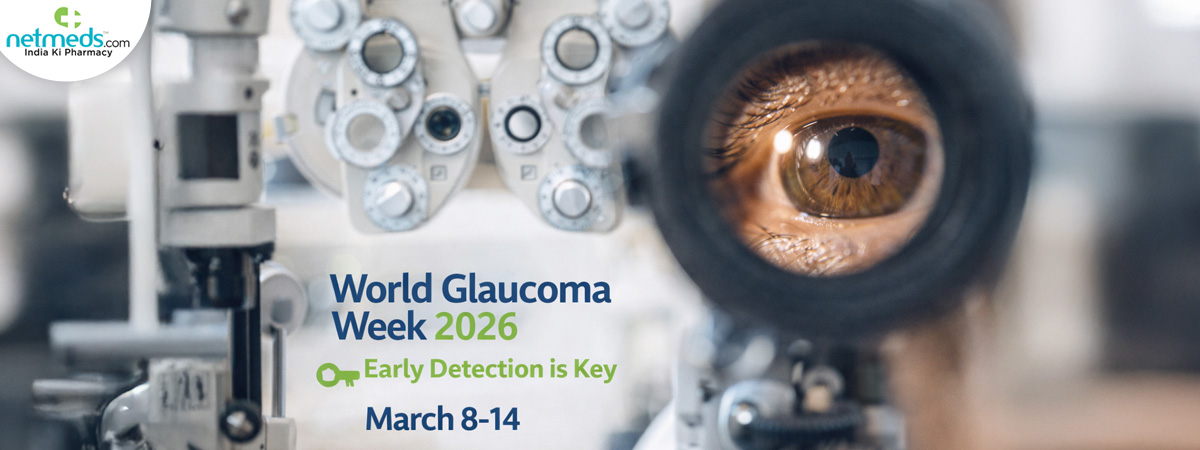
Every year, World Glaucoma Week picks a theme focused on prevention, early detection, and treatment. The theme for World Glaucoma Week 2026 is "Early Detection is Key." The theme mainly focuses on catching glaucoma early and taking care of your eyes before problems start. The main message for the campaign is: Don’t wait for symptoms. Go get your eyes checked; make it a habit. Glaucoma doesn’t usually announce itself with pain or vision changes, so by the time you notice something is off, the damage is already done. This week is all about spreading the word that screening and quick action can save your sight.
Also Read: World Glaucoma Week 2020: Easy & Delicious Recipes To Improve Your Vision
What Is Glaucoma, Anyway?
Glaucoma isn’t just one disease; it is a group of eye conditions that damage the optic nerve, most often because of high pressure inside the eye. The optic nerve acts like a cable, sending everything you see to your brain. When it gets damaged, you start losing vision, and once it’s gone, you can’t get it back.
Here are the main types:
Open-angle glaucoma: The most common kind. It sneaks up slowly.
Angle-closure glaucoma: This one hits fast and hard, a real emergency.
Normal-tension glaucoma: Even with normal eye pressure, you can still lose vision.
Most people don’t feel any pain or notice changes early on. That is why regular eye screenings matter so much.
Why Is World Glaucoma Week So Important?
This campaign isn’t just another date on the calendar. It brings people together, pushes for better eye care, and fits right in with global efforts to fight preventable blindness.
Here is why it matters.
It makes people aware of a silent, sneaky disease. Glaucoma is called the ‘silent thief of sight’ for a reason: no symptoms, but steady damage. Awareness gets people talking and taking action.
It pushes for early detection. Finding glaucoma early lets doctors slow it down or even stop it, using medicine, laser, or surgery. The earlier you catch it, the better.
It encourages simple steps for healthier eyes. Routine exams, healthy habits, and managing things like diabetes and high blood pressure really do help.
It helps cut down on blindness worldwide. By spreading real information and showing people what to do, World Glaucoma Week aims to save vision and improve lives everywhere.
Why Early Eye Screening Is a Game Changer?
If you want to stop glaucoma in its tracks, early screening is the way to go. You won’t get your vision back once it is lost, so prevention and fast treatment are everything.
Screenings spot trouble before you ever notice symptoms. They catch high eye pressure or early nerve damage, things you would never feel on your own.
Catching it early keeps you from losing vision you can’t get back. Doctors can step in, control the pressure, and slow things down.
It helps people who are more at risk. That includes adults over 40, anyone with a family history of glaucoma, people with diabetes or high blood pressure, folks who are very nearsighted, and long-term steroid users. If that is you, screening is even more important.
Early treatment works better. The sooner you start, the more vision you keep, and the fewer complications you will face.
How Often Should You Get Your Eyes Checked?
Experts say:
If you are under 40, get checked every 2–3 years.
Once you hit 40, go every 1–2 years.
If you are high-risk, go more often; ask your eye doctor what is right for you.
A full eye exam usually includes checking eye pressure, looking at the optic nerve, and testing your field of vision.
However, don’t wait for symptoms. Make eye screening a regular part of your health routine. Your vision is worth it.
Simple Tips to Protect Your Eyes
Get your eyes checked regularly. Don’t skip those appointments; an eye exam can catch problems early.
Keep your blood pressure and blood sugar in check. Both matter more than you might think when it comes to your eyes.
Eat well. Leafy greens and foods packed with antioxidants do your eyes a lot of good.
Be careful with your eyes; protect them from injuries, and try not to stare at screens for too long.
If your doctor gives you a treatment plan for glaucoma, stick with it.
Conclusion
World Glaucoma Week 2026 is a good wake-up call; taking care of your eyes starts with paying attention and being proactive. Glaucoma is still one of the biggest reasons people lose their sight for good. Getting your eyes screened early is the best way to catch it in time.
Don’t wait. Book those checkups and find out if you are at risk. Protecting your eyes now means you hang on to your vision later. Healthy eyes make everything better, and sometimes, just a little action today can keep you seeing tomorrow.
References:
 Previous