


World Allergy Week observed globally between 29 June – 5 July every year is an important initiative led by the World Allergy Organization to raise awareness about allergic diseases and promote better care.
Allergies are increasingly common and can significantly impact daily life, productivity, and overall well-being. Along with conventional medical care, natural approaches like Ayurveda can offer supportive relief and help strengthen the body’s resilience.
Also Read: Allergies: Understand About Types, Symptoms, Causes And Treatment
Theme Of World Allergy Week 2026
The theme “Allergy Care is Essential Care” emphasizes the urgent need to recognize allergies as a serious health concern that requires proper diagnosis, timely treatment, and long-term management.
What Does This Theme Focus On?
Recognizing allergies as a major global health issue
Encouraging early diagnosis and proper treatment
Promoting access to allergy care services
Raising awareness about prevention and management
Supporting patients through education and care
This theme reinforces that proper allergy care is a necessity, not a luxury.
Also Read: 5 Ways To Treat Your Skin Allergy Naturally
What Are Allergies?
Allergies occur when the immune system reacts abnormally to harmless substances known as allergens.
Common Allergens Include:
Dust and pollen
Pet dander
Certain foods
Insect stings
Mold and environmental pollutants
Symptoms May Include:
Sneezing and runny nose
Itchy eyes and skin
Skin rashes or hives
Digestive discomfort
If not managed properly, allergies can disrupt everyday life and, in severe cases, lead to serious complications.
Significance Of World Allergy Week
World Allergy Week plays a vital role in improving awareness and healthcare outcomes worldwide.
Why It Matters?
Educates people about allergy triggers and symptoms
Encourages early medical consultation
Promote preventive healthcare practices
Reduce misinformation and stigma
Support better quality of life for allergy sufferers
Awareness is the first step toward effective allergy management.
Ayurvedic Perspective On Allergies
In Ayurveda, allergies are often associated with an imbalance of doshas, particularly Kapha and Vata, along with the accumulation of toxins (Ama) in the body.
Ayurvedic management focuses on:
Strengthening digestion (Agni)
Detoxifying the body
Reducing sensitivity to allergens
Instead of just suppressing symptoms, Ayurveda aims to address the root cause and restore internal balance.
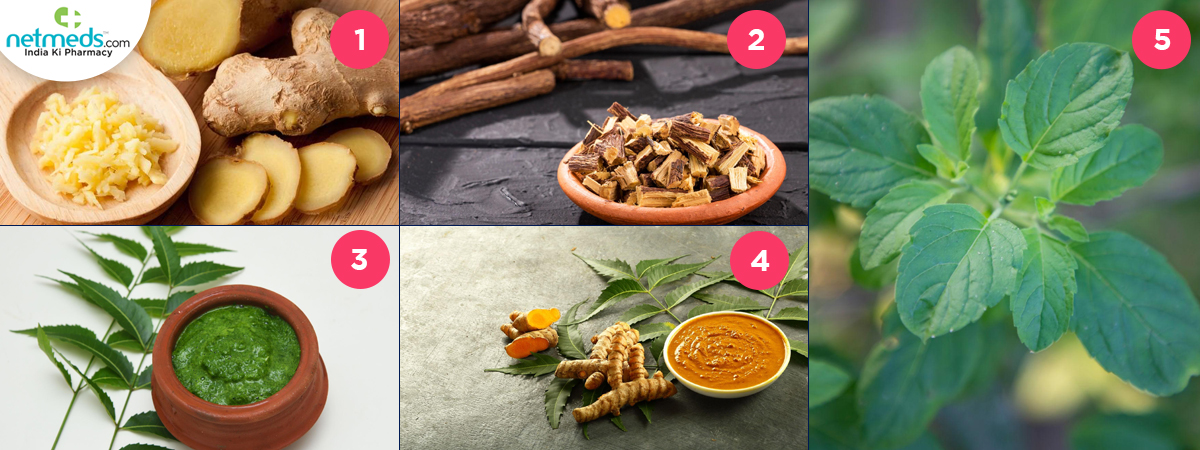
5 Best Ayurvedic Herbs That Help Manage Allergies Effectively
Tulsi (Holy Basil)
Tulsi is a powerful herb known for its ability to support respiratory health and immunity.
Benefits:
Tulsi acts as a natural antihistamine. It helps relieve cough, cold, and congestion and also strengthens the immune system.
Turmeric (Curcuma longa)
Turmeric contains curcumin, a compound with strong anti-inflammatory properties.
Benefits:
Turmeric reduces inflammation associated with allergies. It supports immune response and helps manage skin-related allergic reactions.
Neem (Azadirachta indica)
Neem is widely used in Ayurveda for detoxification and skin health.
Benefits:
Neem purifies blood, reduces skin irritation and rashes and supports overall immune balance.
Ginger (Zingiber officinale)
Ginger is a potent herb beneficial for both respiratory and digestive systems.
Benefits:
Ginger reduces airway inflammation, helps relieve congestion and throat irritation and supports healthy digestion.
Licorice (Mulethi)
Licorice is known for its soothing and anti-inflammatory effects on the respiratory tract.
Benefits:
Licorice relieves throat irritation, helps manage cough and allergic symptom and supports respiratory health.
Lifestyle Tips To Manage Allergies
Avoid exposure to known allergens
Keep your home clean and dust-free
Follow a balanced and nutritious diet
Stay well-hydrated
Practice yoga and breathing exercises
Ensure adequate sleep and stress management
Precautions
Always consult a healthcare professional before using herbal remedies
Avoid self-medication in severe allergy cases
Perform patch tests before topical use
Follow recommended dosages
Conclusion
World Allergy Week 2026, with its theme “Allergy Care is Essential Care,” highlights the importance of recognizing allergies as a significant health concern. By combining awareness, preventive care, and supportive natural remedies, individuals can manage allergy symptoms more effectively. Ayurvedic herbs, when used responsibly, can complement modern treatments and improve overall well-being.
References:
- https://www.ncbi.nlm.nih.gov/pmc/articles/PMC5405612/
- https://www.ncbi.nlm.nih.gov/pmc/articles/PMC3252716/
- https://www.worldallergy.org/
 Previous