Getting children to eat healthy foods can sometimes feel like a daily challenge. Many kids tend to prefer processed snacks, sugary treats, or the same few foods over and over again. But when it comes to supporting a child’s growth, energy levels, and immunity, a balanced diet filled with colourful fruits and vegetables can make a huge difference.
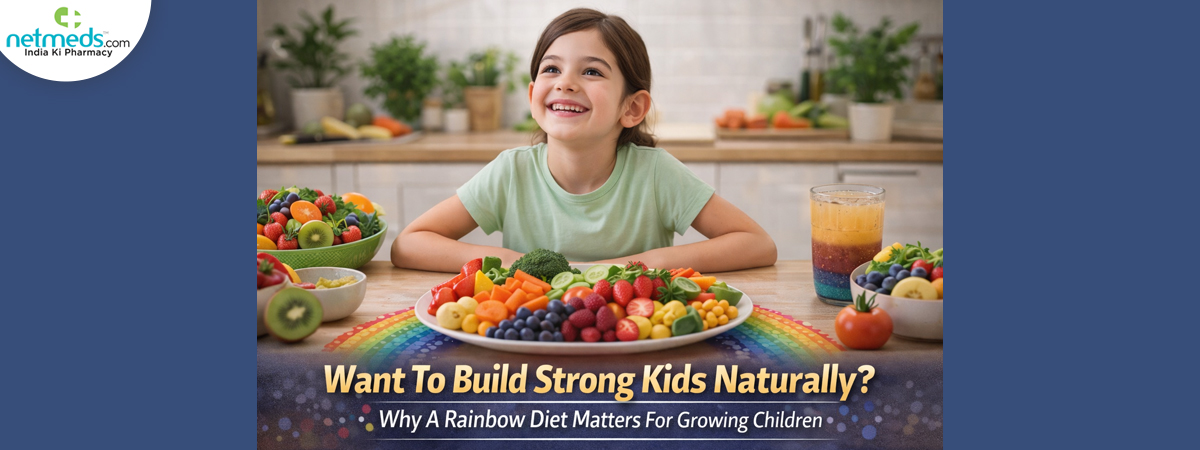
This is where the idea of a ‘rainbow diet’ comes in. A rainbow diet simply means including foods of different natural colours on your child’s plate. Each colour represents a variety of vitamins, minerals, antioxidants, and plant compounds that help the body grow stronger and stay healthy.
Children are naturally drawn to bright colours, so turning their meals into a vibrant mix of reds, oranges, greens, yellows, blues, and purples can make healthy eating more fun while also delivering powerful nutrition.
Also Read: Fun Exercises Kids Can Do At Home: 5 Playful Workouts To Keep Kids Healthy
Let us explore why colourful foods matter so much for growing children and how you can easily add them to your child’s diet.
What Is A Rainbow Diet?
A rainbow diet focuses on eating fruits and vegetables from different colour groups. Each colour group contains unique nutrients that support different aspects of health.
For example:
Red foods often contain antioxidants that support heart health.
Orange and yellow foods are rich in vitamins that support immunity and eye health.
Green foods contain essential minerals that support bone strength and digestion.
Purple and blue foods are packed with antioxidants that help protect cells and support brain function.
By including a variety of colourful foods in daily meals, children can receive a wide range of nutrients necessary for proper growth and development.
Why Colourful Foods Are Important For Kids?
Growing children need adequate nutrition to support their developing bodies and active lifestyles. A rainbow diet helps provide many essential nutrients in a natural and balanced way.
Here are some key benefits of colourful foods for kids:
Supports Healthy Growth And Development
Fruits and vegetables contain vitamins, minerals, and fibre that are essential for bone development, muscle growth, and overall physical development.
Boosts Immunity
Colourful foods are rich in antioxidants and vitamin C, which help strengthen the immune system and protect children from common infections.
Improves Brain Function
Certain nutrients found in colourful foods support brain development, concentration, and memory, which are important for learning and academic performance.
Supports Healthy Digestion
Fibre-rich fruits and vegetables help regulate digestion and prevent issues such as constipation, which is common among children.
Encourages Healthy Eating Habits
Introducing children to a variety of colourful foods early in life can help them develop healthier food preferences as they grow older.
Also Read: Iron Rich Foods For Kids: 5 Healthy Options For Better Growth
How To Add More Colour To Your Child’s Plate?
Incorporating colourful foods into your child’s diet does not have to be complicated. A few small changes can make meals both nutritious and visually appealing.
Here are some easy ideas:
Add sliced fruits like strawberries, oranges, and kiwi to breakfast bowls.
Include colourful vegetables such as carrots, bell peppers, and spinach in lunchboxes.
Prepare smoothies using mixed fruits and yoghurt.
Make rainbow salads with multiple vegetables.
Offer colourful fruit platters as healthy snacks.
You can also involve children in meal preparation. Letting them choose colourful fruits and vegetables while grocery shopping or helping to arrange them on a plate can make them more excited about eating healthy foods.
Tips To Encourage Kids To Eat Colourful Foods
Sometimes children may hesitate to try new fruits or vegetables. Here are a few simple strategies that can help:
Present foods in fun shapes or colourful arrangements.
Introduce new foods gradually alongside familiar favourites.
Be a role model by eating colourful foods yourself.
Creating a positive and relaxed environment around meals can also encourage kids to explore new foods without pressure.
The Bottom Line
A rainbow diet is one of the simplest and most natural ways to support your child’s growth and overall health. By including a variety of colourful fruits and vegetables in everyday meals, you can ensure your child receives a broad range of essential nutrients.
Beyond the nutritional benefits, colourful meals also make eating more enjoyable and engaging for children. Over time, these habits can help build a strong foundation for lifelong healthy eating.
So the next time you prepare a meal for your child, think about adding more colours to the plate. A bright, vibrant plate often means a healthier and stronger child.
References
1. https://www.ncbi.nlm.nih.gov/pmc/articles/PMC3649719/
2. https://www.cdc.gov/nutrition/strategies-guidelines/index.html
3. https://www.who.int/news-room/fact-sheets/detail/healthy-diet
4. https://www.hsph.harvard.edu/nutritionsource/fruits-and-vegetables/
5. https://www.ncbi.nlm.nih.gov/pmc/articles/PMC6520897/
 Previous