Yoga isn’t always about stillness, it is also about fierce strength and inner power. Enter Virabhadrasana, or the Warrior Pose, a dynamic posture that channels stability, focus, and a fiery resolve. Named after the mythical warrior Virabhadra, this pose embodies courage, grace, and determination.
While the name may sound intense, this asana is a staple in many yoga sequences due to its strength-building and toning capabilities. So, whether you are a beginner or a seasoned yogi, mastering the Warrior Pose can transform not just your physical stamina, but also your mental clarity and emotional grounding.
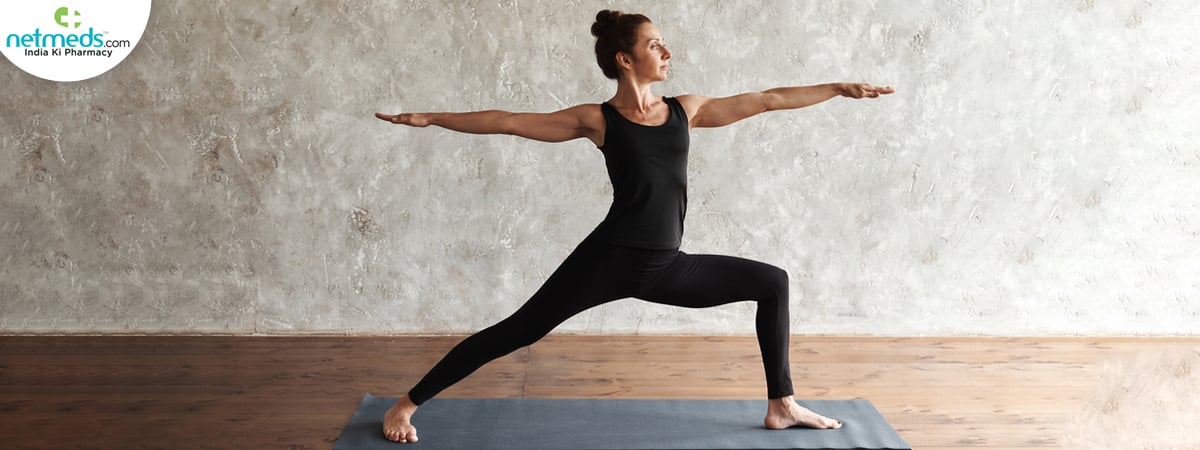
In this short read, let us dive into the benefits, step-by-step guide, and variations of Virabhadrasana, and learn how this iconic yoga pose can sculpt your body and uplift your practice.
Also Read: Vajrasana In Yoga: Uses, Benefits and The Steps To Do The Thunderbolt Pose
What is Virabhadrasana (Warrior Pose)?
Virabhadrasana, or Warrior Pose, is a standing yoga posture that combines strength, stability, and flexibility. It mimics the posture of a warrior poised for battle grounded, strong, and unwavering. This pose engages the legs, core, and arms, while simultaneously improving balance and endurance.
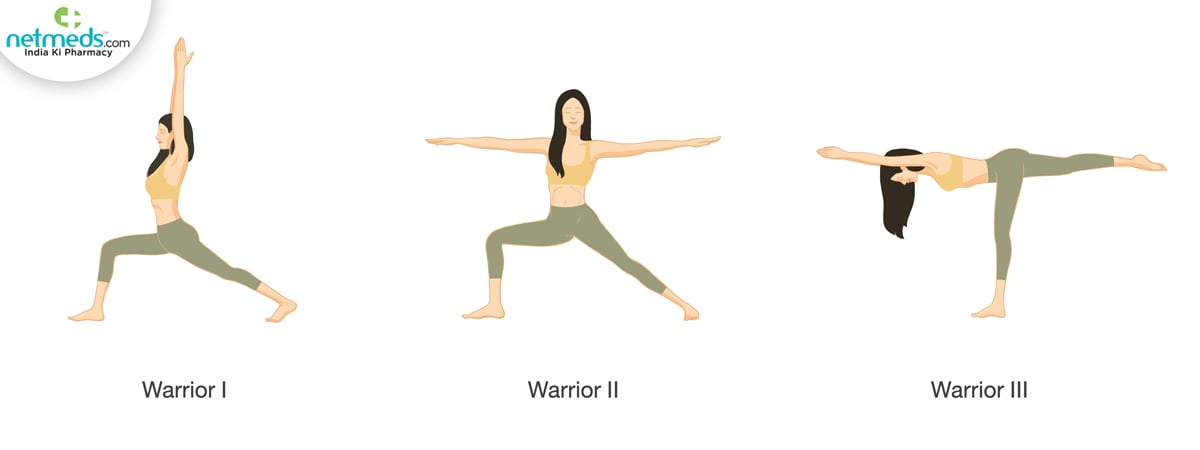
There are three primary versions of the Warrior Pose:
Virabhadrasana I: Forward-facing with arms overhead
Virabhadrasana II: Side-facing with arms extended outward
Virabhadrasana III: A challenging balance pose with arms and legs extended
Each variation works different muscles and brings unique benefits.
Also Read: Savasana Health Benefits: How The Corpse Pose In Yoga Provides Mind And Body Relaxation
Top Benefits of Practising Virabhadrasana
Strengthens Legs, Glutes & Core
Holding the Warrior Pose fires up the thighs, calves, and glutes, helping to tone and strengthen the lower body. The core stays engaged throughout, offering added stability and definition.
Improves Posture and Balance
By elongating the spine and maintaining a firm stance, this pose corrects posture imbalances and enhances body awareness. Warrior III, especially, tests your balance and sharpens coordination.
Enhances Flexibility in Hips and Shoulders
This pose opens up tight hip flexors and stretches the chest and shoulders, especially helpful if you spend long hours sitting or working at a desk.
Builds Mental Focus and Endurance
It is not just about physical strength. Holding Virabhadrasana demands concentration and determination, helping you cultivate inner resilience and mental fortitude.
Boosts Circulation and Energy Flow
The expansive posture improves blood circulation and activates the energy channels (nadis), leading to improved vitality and reduced fatigue.
Steps To Do Virabhadrasana I (Warrior I Pose)
Step 1: Begin in Mountain Pose (Tadasana), standing tall and grounded.
Step 2: Step your left foot back about 3–4 feet and turn it slightly outward at 45 degrees.
Step 3: Bend your front (right) knee to form a 90-degree angle, ensuring the knee stays directly above the ankle.
Step 4: Raise both arms overhead, palms facing each other, and look up.
Step 5: Square your hips toward the front and hold the pose for 5–8 breaths.
Step 6: Release and repeat on the other side.
Steps To Do Virabhadrasana II (Warrior II Pose)
Step 1: From Mountain Pose, take a wide step with feet about 4 feet apart.
Step 2: Turn your right foot out 90 degrees and left foot slightly inward.
Step 3: Extend both arms out to the sides, parallel to the floor, palms facing down.
Step 4: Bend your right knee over your ankle, thigh parallel to the floor.
Step 5: Gaze over your right hand and hold for 5–8 breaths before switching sides.
Steps To Do Virabhadrasana III (Warrior III Pose)
Step 1: Start in Warrior I pose.
Step 2: Lean your torso forward while lifting the back leg straight behind you.
Step 3: Balance your body parallel to the floor, arms extended forward or beside your ears.
Step 4: Keep your hips square and core engaged. Hold for a few breaths, then gently lower.
Tips to Improve Your Warrior Pose
- Warm up your hamstrings and hips before starting.
- Engage your core throughout to maintain balance.
- Keep your front knee aligned with the ankle to avoid injury.
- Use a wall or yoga block for support in Warrior III if you are a beginner.
- Breathe deeply and steadily to stay grounded.
Common Mistakes To Avoid
- Letting the front knee go past the ankle
- Leaning the torso forward in Warrior I and II
- Collapsing the back leg or arching the spine in Warrior III
- Forgetting to engage the core and relax the shoulders
Frequently Asked Questions
What muscles does Virabhadrasana work?
It targets the thighs, glutes, calves, shoulders, and core muscles.
Can beginners do Warrior Pose?
Yes, beginners can start with Warrior I and II. Warrior III may need practice or support for balance.
Is Warrior Pose good for weight loss?
Yes, holding the pose builds strength and boosts metabolism, contributing to fat loss over time.
How long should I hold the Warrior Pose?
Hold each side for 5–8 breaths or around 30 seconds to 1 minute for best results.
Can Warrior Pose relieve back pain?
Yes, when done with correct alignment, it strengthens the back muscles and improves posture, helping to relieve mild back pain.
How To Do Virabhadrasana (Warrior Pose) Yoga?
Virabhadrasana (Warrior Pose) has multiple variations, but here’s a simple way to practice Warrior II, which is beginner-friendly:
· Stand straight, then step one foot back (about 3–4 feet apart)
· Turn your front foot forward and your back foot slightly inward
· Bend your front knee (keep it aligned over the ankle)
· Stretch both arms sideways at shoulder height
· Turn your head to look over your front hand
· Hold for 20–30 seconds, breathing steadily
· Repeat on the other side
What Yoga Poses Help With IBS?
For Irritable Bowel Syndrome (IBS), yoga helps by reducing stress and improving gut motility.
· Pavanamuktasana (Wind-Relieving Pose) helps release gas and bloating
· Apanasana stimulates digestion
· Balasana (Child’s Pose) calms the nervous system
· Marjaryasana – Bitilasana (Cat–Cow) improves gut movement
· Seated forward bends reduce stress (a major IBS trigger)
What are the benefits of Virabhadrasana yoga?
Virabhadrasana offers both physical and mental benefits:
Physical benefits:
Strengthens legs, thighs, and core
Improves balance and stability
Enhances posture and body alignment
Opens hips and chest
Mental benefits:
Builds focus and concentration
Improves stamina and endurance
Boosts confidence (power pose effect)
Conclusion
Virabhadrasana is more than just a physical posture; it is an embodiment of grace under pressure, stability amid chaos, and power rooted in stillness. So, whether you want to tone your legs, improve your balance, or simply feel strong and centred, incorporating the Warrior Poses into your yoga routine can bring lasting benefits.
So next time you roll out your mat, summon your inner warrior and let Virabhadrasana remind you of your strength on and off the mat.
References:
 Previous