Milk, a nutrient-dense liquid, is secreted by the mammary glands of female mammals. It forms the first food for the newborn and the main source of complete nutrition for the growing child. The milk of farm-raised animals is a vital source of food for humans, which is consumed as fresh or processed dairy products.
Also Read: World Milk Day: 5 Incredible Benefits Of Milk - Infographic
Most of the milk consumed by Indians is from cow's milk, followed by buffalo's and minimal amounts of sheep, goat, or camel in a few parts of the country.
Milk is an emulsion of fat and protein in water loaded with carbohydrates, vital vitamins, and minerals. However, the key nutrients present in the milk of all mammals vary depending on the species.
Supplement Your Health From Our Wide Range Of Protein And Vitamin Products!
Milk protein is valued as a complete protein source as it contains all nine essential amino acids. Milk is abundant in minerals like calcium and phosphorus required for normal skeletal growth and development, but has a very minimal amount of iron. Apart from these, milk is also imbued with essential vitamins such as riboflavin and B12. Milk available commercially is fortified with vitamins D and A.
Milk fat is the most complex form of fat, which consists of more than 400 different types of fatty acids. Whole milk is high in fat, with saturated fatty acids making up to 70%, polyunsaturated fatty acids are 2.3% of the total fat and the remaining 28% is monounsaturated fatty acids of the total fat.
Also Read: Nutritional Importance Of Milk For Kids
Milk,k which is commercially sold,ld is available in different varieties and types. One can choose from a wide range that fits an individual's age and health conditions.
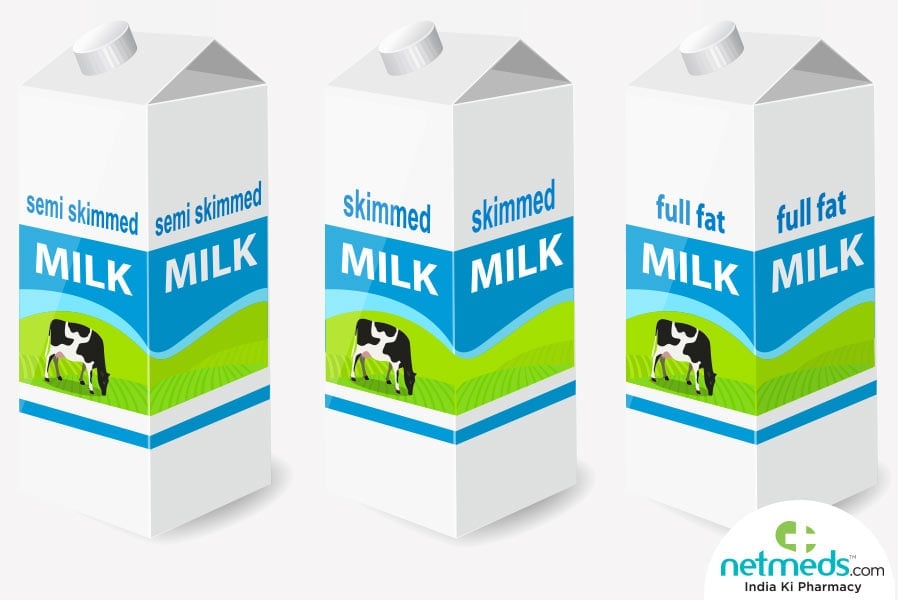
Toned Milk
Toned milk is made by the mixture of cow’s or buffalo's milk or both, both of which have been standardized, and the milk fat percentage is 3%, and the solid non-fat content is 8.5%. It undergoes pasteurization, and the phosphate test should show negative when tested. The toned milk is a homogeneous product and has no deposition of fat that takes place while standing.
The alkaline phosphate test is an indication that shows whether the milk has been properly pasteurized or contaminated with raw milk after pasteurization.
Double Toned Milk
Double-toned milk is produced by the combination of cow’s or buffalo's milk or both together, where the milk fat percentage is standardized to 1.5% (milk fat), and the non-fat value is 9.0%. It is pasteurized milk, which shows negative when tested for the phosphate test.
Standardized Milk
Standardized milk is manufactured using cow’s milk or buffalo’s milk or goat's milk or sheep’s milk or a blend of any of these milks that has been standardized,d where the milk fat content is 4.5%, and the solid-non-fat percentage is 8.5%.
Full Cream Milk
Full cream milk is made by the mixture of cow’s and buffalo’s milk, which has been standardized with a milk fat percentage of 6% and a solid non-fat content of 9%. It is also a pasteurized milk and shows a negative phosphate test. Furthermore, it is packed and sold in a clean, solid sanitary food container to avert any contamination.

Skimmed Milk
Skimmed milk is essentially prepared from milk from which all the fat content from the milk has been removed mechanically. The milk fat percentage is 0.5%, and the solid non-fat content is 8.7%.
Flavoured Milk
Flavoured milk contains nuts, chocolate, coffee, or any other edible food flavour, colour, and sugar added to enhance the taste and make it more delectable for kids to relish. It is also packed with all the essential nutrients vital for growth and development.
Organic Milk
Organic milk comes from cows that have never been given any form of hormonal or antibiotic injections and are also raised on farms that follow the strict standards of organic dairy farming practices.
Lactose-Free Milk
Lactose-free milk is a cow's milk with one major difference, where the natural sugar lactose has been broken down to make the milk tolerable for people suffering from lactose intolerance. However, lactose-free milk comprises all the essential nutrients like vitamin D, calcium, and protein as other types of milk.
5 Amazing Wellness Incentives Of Drinking Milk
Strengthens Bones
Milk, being a super-rich source of calcium,ium phosphorus, and vitamin D, assists in fortifying bones and averts the risk of osteoporosis and arthritis. Evidence has revealed that regular intake of milk can lower the risk of fractures as you age.
Improves Heart Health
The goodness of calcium in milk is well-known to lower the risk of cardiovascular disease and stroke. Besides this, notable amounts of magnesium and potassium act as vasodilators that regulate blood pressure, improve blood flow and circulation to the vital organs, and optimise heart health and cardiac muscles.
Dental Health
Milk is a must-have complete food for children and adolescents, as drinking milk improves dental health and shields the enamel surface from acidic compounds. Furthermore, milk is also an ideal energy drink and reduces the risk of dental cavities and bleeding gums.
Enhances Skin Health
The essence of healthy fatty acids, protein, and other minerals and vitamins in milk nourishes the skin and improves the skin tone. Lactic acid present in milk assists in thwarting the dead skin cells,s and the potent antioxidants slow down the premature ageing of the skin.
Complete Food
Milk is highly valued as a complete food as it comprises vitamins and minerals for keeping you strong, healthy, and fit. Drinking a glass of milk supplies you with Vitamins A and B for improving vision, boosting iron levels, good carbs for stamina and energy, potassium to maintain normal muscle and nerve functions, and proteins for growth and development.
Boosts Hair Growth
Milk contains a significant amount of protein and an ample quantity of important lipids. These components work in unison and aid in strengthening hair follicles. While calcium in milk prevents hair loss, other mane-friendly nutrients such as biotin, Vitamins B6, Vitamin A, and potassium help to keep them shiny and soft.
Alleviates PMS Symptoms
Amongst many potent benefits, one of the best ones for women who consume milk regularly is its ability to soothe severe PMS symptoms. Milk has been proven to relax the body and muscles and help to reduce cramping during menstrual cycles.
Boosts Brain Health
Low-fat milk augments mental health in many ways. People who drink milk daily, besides getting stronger bones, hair, and muscles, are less likely to have depression. Those who consume low-fat milk products rather than whole-fat dairy products have reduced anxiety levels, sleep issues, and depressive disorders.
Milk Alternatives For Lactose Intolerant
Cow’s milk boasts an incredible nutrient profile that offers a host of health benefits from strengthening bones to promoting normal growth and development. However, about 75 % of the population all over the globe is intolerant to lactose, the sugar present in milk. It develops when people are deficient in lactase, the enzyme that digests lactose. There are a lot of wholesome, non-dairy milk alternatives available for those suffering from lactose intolerance,e and helps them meet their nutritional needs.
Soy Milk
Soy milk is obtained from soybeans or soy protein isolate that is very similar to cow’s milk in nutritional value. It has a creamy, mild taste, low on calories, fat, and carbs, bs but has the same amount of protein as in cow’s milk and encompasses all essential amino acids.
Almond Milk
Most people relish the mildly sweet, nutty flavour of almond milk. It is low on calories, fat, protein, and carbs, but packed with potent antioxidant vitamin E that helps the body fight free radical damage and averts the risk of oxidative stress.
Coconut Milk
Coconut milk has a creamy, milk-like texture and a sweet taste. It contains no protein or carbohydrates, which may not meet the protein needs bu best option for those on a low-carb diet. Loaded with medium-chain triglycerides (MCTs) that promote weight loss and maintain lipid profile.
Frequently Asked Questions
What Are The Different Types Of Milk Variants?
Common milk variants include whole milk, toned milk, double-toned milk, skimmed milk, organic milk, lactose-free milk, and flavored milk. They differ in fat content, processing, and nutritional profile.
What Is The Classification Of Flavoured Milk?
Flavoured milk is classified as a dairy beverage made by adding permitted flavouring ingredients, sweeteners, and sometimes colour to pasteurized or UHT milk. It may be sold as ready-to-drink or shelf-stable milk.
What Is The Classification Of Milk Quality?
Milk quality is classified based on factors such as fat content, microbial safety, freshness, purity, and nutritional composition. High-quality milk is clean, properly processed, and free from contaminants.
What Is Milk Class 6?
Milk in Class 6 typically refers to the basic school-level concept of milk as a nutritious food rich in calcium, protein, vitamins, and minerals. It is considered an important part of a balanced diet.
What Is The Meaning Of Toned Milk?
Toned milk is made by adding skimmed milk and water to whole milk to reduce its fat content while maintaining essential nutrients. It is a healthier option for those seeking lower-fat milk.
What Is Pasteurized Milk Class 8?
Pasteurized milk is milk that has been heated to a specific temperature for a short time to destroy harmful bacteria without significantly affecting its nutrients. This process makes the milk safer to drink and extends its shelf life.
Conclusion
Milk is available in different varieties, and you have the comfort to choose the right one suited for your health conditions, from the fat-free ones to full-fat milk, or if you have any issues with digesting lactose, then you can go for lactose-free milk.
References:
https://pmc.ncbi.nlm.nih.gov/articles/PMC12073687/
https://openjournals.hs-hannover.de/milkscience/en
 Previous