Ever noticed how your skin breaks out after a few days of unhealthy eating? Or how stress seems to show up not just in your mood but on your face too? That is not a coincidence. Your gut and your skin are deeply connected, and science is finally catching up to what holistic systems of medicine have suggested for centuries: healthy skin truly begins from within.
Also Read: 8 Must-To Have Superfoods For Sustaining Healthy Skin, Hair, and Nails
If you are constantly battling acne, dullness, inflammation, or unexplained rashes, the solution might not be another expensive cream. It might be your gut.
To Attain Healthy Skin, Hair And Nails, Buy From Our Spectrum Of Beauty Care Products, Right Here!
Let us explore the science behind the skin-gut connection and the proven habits that can help you achieve clearer, healthier skin naturally.
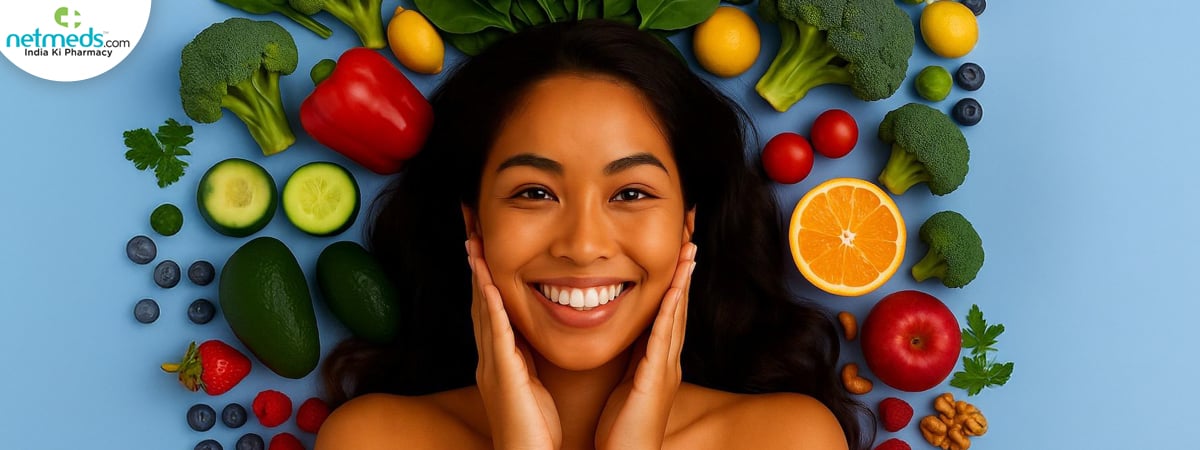
What Is the Skin-Gut Connection?
The skin-gut connection refers to the link between your digestive system and your skin health. Your gut is home to trillions of microorganisms collectively known as the gut microbiome. These bacteria play a key role in digestion, immunity, inflammation control, and even hormone regulation.
When your gut microbiome is balanced, your body absorbs nutrients efficiently, eliminates toxins properly, and maintains controlled inflammation. But when the gut becomes imbalanced, a condition known as dysbiosis, it can trigger systemic inflammation, weaken immunity, and disrupt hormones, all of which can show up as skin problems.
Also Read: Microbiome-Friendly Formulas: What Are They? Why Do We Need Them For Beautiful Skin
Common skin conditions linked to gut imbalance include:
Acne
Eczema
Rosacea
Premature aging
Excess oiliness or dryness
In simple terms, when your gut is unhappy, your skin often reflects it.
The Science Behind It
Inflammation Starts in the Gut
A disrupted gut lining can become ‘leaky,’ allowing toxins and undigested food particles to enter the bloodstream. This triggers an immune response and chronic low-grade inflammation. Since the skin is one of the body’s largest detox organs, inflammation often shows up as redness, breakouts, or flare-ups.
Gut Bacteria Influence Hormones
Your gut microbiome plays a role in metabolising hormones like estrogen and regulating insulin sensitivity. Hormonal imbalance can increase oil production and clog pores, leading to acne and uneven skin texture.
Nutrient Absorption Affects Skin Quality
Vitamins like A, C, E, zinc, and omega-3 fatty acids are essential for glowing skin. If digestion is weak, your body may not absorb these nutrients efficiently, leading to dullness, dryness, and slower healing.
The Gut-Immune-Skin Axis
Nearly 70% of your immune system resides in the gut. A compromised gut can lead to immune overreactions, which may manifest as eczema, rosacea, or other inflammatory skin conditions.
Proven Habits That Improve Skin From Within
Improving your gut health can naturally improve your skin. Here are science-backed habits that work.
Eat a Fibre-Rich Diet
Fibre feeds the beneficial bacteria in your gut. A diet rich in fruits, vegetables, whole grains, and legumes promotes microbial diversity, reduces inflammation, and supports detoxification. Better gut balance often translates into clearer skin and fewer breakouts. Aim to include leafy greens, berries, flaxseeds, oats, and lentils in your daily meals.
Include Probiotic and Fermented Foods
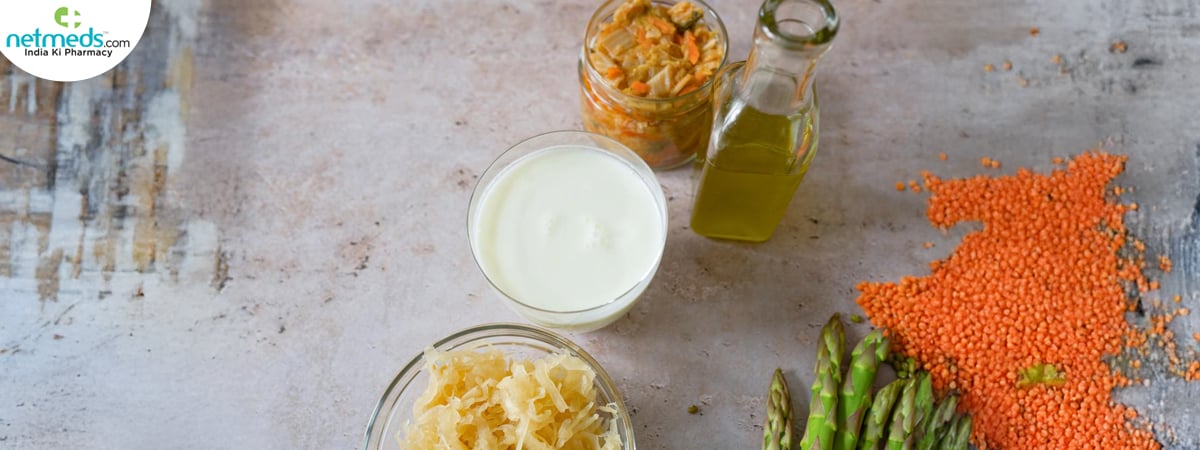
Probiotics introduce healthy bacteria into your gut. Foods such as yoghurt, kefir, sauerkraut, kimchi, and buttermilk help restore microbial balance. Research shows that probiotics can reduce acne severity and improve inflammatory skin conditions by calming immune responses and strengthening the gut barrier.
Reduce Sugar and Processed Foods
High sugar intake feeds harmful gut bacteria and promotes inflammation. Processed foods can disrupt the microbiome and trigger insulin spikes, which worsen acne and oil production. Cutting back on sugary drinks, refined carbs, and packaged snacks can significantly improve both gut and skin health.
Stay Hydrated
Water supports digestion, nutrient absorption, and toxin elimination. Dehydration can slow bowel movements, leading to toxin build-up that may reflect on the skin as dullness or breakouts. Aim for adequate daily water intake and include hydrating foods like cucumber and watermelon.
Manage Stress Effectively
Stress alters gut bacteria composition and increases intestinal permeability. Chronic stress also raises cortisol levels, which can trigger acne and inflammation. Incorporate stress-management practices such as yoga, meditation, deep breathing, or regular exercise to support both gut and skin health.
Get Quality Sleep
Your gut microbiome follows a circadian rhythm. Poor sleep disrupts this rhythm, affects digestion, and increases inflammation. Consistent, quality sleep helps repair the gut lining, regulate hormones, and promote healthy skin regeneration.
Avoid Unnecessary Antibiotics
While antibiotics are sometimes necessary, overuse can wipe out beneficial gut bacteria. This disruption can take months to recover and may worsen skin issues. Use antibiotics only when prescribed and support gut recovery with probiotics if needed.
When Should You Consider Professional Help?
If you experience persistent acne, chronic digestive issues, severe bloating, or inflammatory skin conditions, consult a healthcare professional. Testing for food sensitivities, gut imbalances, or hormonal issues can provide deeper insights.
Conclusion
Your skin is more than just a surface. It reflects what is happening inside your body, especially in your gut. The science behind the skin-gut connection clearly shows that inflammation, poor digestion, hormonal imbalance, and microbial disruption can all affect your complexion.
Instead of relying only on topical treatments, focus on nourishing your gut. By adopting simple habits like eating fiber-rich foods, reducing sugar, managing stress, and supporting healthy digestion, you can improve your skin from within.
Healthy skin is not just about what you apply; it is about what you absorb, digest, and balance internally. Start caring for your gut today, and your skin will thank you tomorrow.
References:
 Previous