


Protein powders are one of the most popular nutrition supplements widely used by fitness enthusiasts to attain their health goals. And in fitness and wellness circles, one of the recurring debates is whether plant-based protein powders like pea, rice, soy, hemp blend can equal whey protein obtained from milk. Plant-based proteins are especially preferred choices for vegetarians, vegans or those with lactose sensitivities. But do they help build muscle? Are they as valuable as whey? To answer your doubts, dive into this article that compares plant-based and whey protein powders to help you decide which one is best for you.
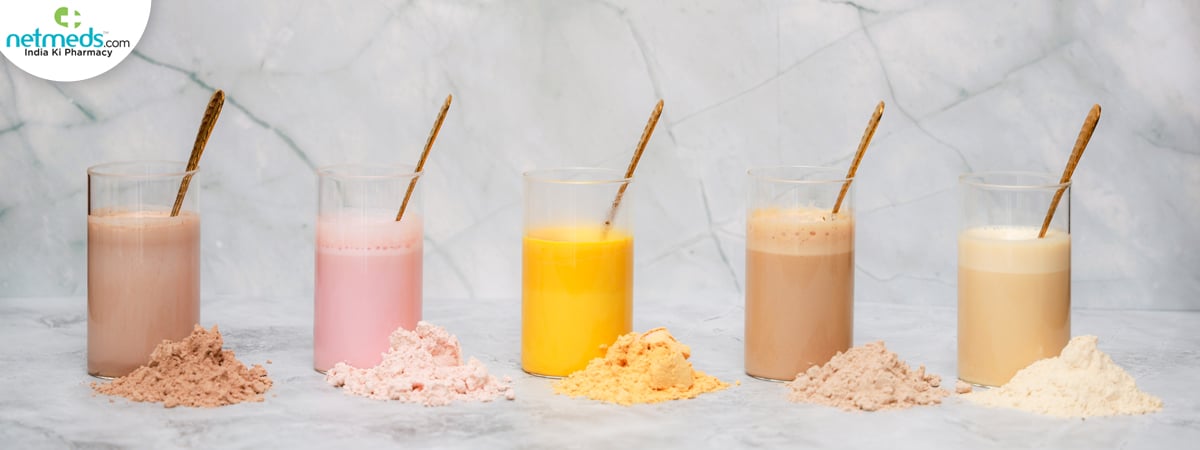
What Is Whey Protein?
Whey protein is a byproduct obtained from cheese production. Milk is curdled, and the liquid remaining is whey that is processed, filtered and dried. From the collected liquid, carbohydrates, fat, water and other components are removed, and the remaining protein is spray-dried into a powder.
Whey protein powders typically come in three varieties: concentrate, isolate, and hydrolysate. The isolate and hydrolysate forms are more refined and contain minimal fat or lactose, and are more easily digested. Owing to their processing difference, whey protein isolate contains less lactose than whey protein concentrate.
Whey protein substitute is considered a complete protein source that encompasses all nine essential amino acids in bioavailable forms.
What Are Plant Protein Powders?
Plant protein powders are made by extracting protein from plant sources such as seeds, legumes, or grains. The processing includes powdering, filtering, isolating, and drying. Common plant sources include pea protein, rice protein, soy protein, hemp, pumpkin seed, or blends thereof.
Most plant proteins are incomplete, which means they are low or may miss one or more essential amino acids (e.g. Methionine, lysine). However, plant protein blends like pea and rice can complement each other to offer a complete amino acid profile.
In addition, plant protein comprises fiber, phytochemicals, antioxidants and lower saturated fat, offering more nutrients than whey.
How They Differ?
Nutrition And Absorption
Amino Acid Profile Bioavailability
Whey has a strong edge as it contains high levels of branched-chain amino acids (BCAAs), particularly leucine, which is a potent trigger for muscle protein synthesis.
Plant proteins often have lower levels of one or more essential amino acids, but when combined, e.g. pea and rice, the profile becomes more balanced. Some recent research suggests that well-formulated plant protein blends can approach the anabolic potential of whey when used properly.
Digestibility
Whey is more rapidly digested and absorbed, leading to a faster increase in blood amino acids. While plant proteins are slowly or less completely digested, especially if they contain fiber or antinutrients. However, modern processing, like purification, isolation, and blending, helps lower these gaps.
Nutritional Profile
Plant protein powders are low in saturated fat, have no cholesterol, and may include fiber, antioxidants, and micronutrients. Some plant powders have extra sugars, flavourings, or bulky fiber content, so reading the label is key.
Whey is usually low in fat and carbohydrates (especially isolates), but because it's more refined, it does not contain any fiber or phytonutrients.
Also Read: Best Protein Supplements for Women: Uses, Benefits, Types, and Side Effects
Benefits Of Whey Protein
Muscle Growth/Recovery
The rich amino acid profile of whey protein, coupled with faster absorption, makes this highly effective in triggering muscle protein synthesis (MPS) after resistance exercise. Several studies on whey pre-sleep, post-workout, etc., show improved recovery and strength gains.
Satiety/Weight Management
Whey protein keeps you fuller and more satiated and has been included in many weight loss or muscle-gaining diet regimens to support and preserve muscle mass while losing fat.
Metabolic/ Cardiovascular Effects
A few studies suggest that whey supplementation has been found to moderately control blood pressure, improve antioxidant effects and regulate blood glucose levels.
Wound healing
The rich amino acid profile of whey protein is known to promote tissue repair, bolster immune function and faster wound healing process.
Benefits Of Plant Protein
Promotes Digestive Health
For people with lactose intolerance, milk allergy or dairy sensitivities, plant proteins are often better tolerated. Many plant powders are dairy-free, soy-free, and gluten-free, which serves the best choice for people with food intolerances to meet their protein needs. In addition, plant protein may cause less insulin / IGF-1 spike and minimise acne breakouts in certain people.
Rich Nutrient Profile
Plant proteins are endowed with potent antioxidants, fiber, and micronutrients, which can benefit gut health, promote satiety, and metabolic health.
Heart/Metabolic Benefits
Plant proteins, especially soy, have been linked to modest reductions in LDL cholesterol and exhibit great changes in some cardiovascular markers and optimise overall heart health.
Also, a diet higher in plant protein vs animal protein) It is often associated with better long-term health outcomes as it is less saturated fat and packs more fiber.
Flexibility For Vegan/Vegetarian Diets
Plant protein offers a higher protein intake to vegans and vegetarians to meet their fitness goals and stay healthy.
Sustainability
Producing plant proteins is generally more environmentally sustainable (lower greenhouse gas, less land use) than dairy or animal proteins.
Uses
Post-workout shake: Whey is often preferred because its fast absorption gives a quick amino acid surge.
Meal Replacement/Snack: Plant proteins are the best choice as it is loaded with fiber and may keep you fuller for a longer duration.
Pre-sleep protein: There is some research on whey pre-sleep supporting overnight muscle recovery.
However, a study comparing whey vs plant (pea + rice) taken pre-sleep did not show a clear superiority of whey for recovery in their setup.
Blending Strategies: Some people use a “mixed protein” approach (one part whey, and another plant) to balance fast absorption with sustained release of energy or to minimise dairy load.
Fortifying Food Recipes: Plant protein powders often integrate well into smoothies, oats, pancakes, and baking, to mention a few. This enriches the nutrition and flavour of the recipe.
Side Effects
Neither they nor plant protein powders are perfect; there can be downsides, especially if misused.
Bloating, gas, cramping (especially for whey with lactose, or plant powders with fiber/oligosaccharides)
Excess protein can stress the kidneys (especially in individuals with compromised kidney function) or contribute extra calories.
Some protein supplements may carry heavy metals, fillers, adulterants, or unlisted ingredients (if quality control is lax).
Dairy allergy (whey); soy or nut allergies in some plant powders.
Just solely relying on protein powders can miss out on whole foods, leading to deficiencies in other vital nutrients.
Disadvantages Of Plant Protein
Lower anabolic or muscle-building potency as it contains incomplete amino acids or is lower in leucine. when compared to whey.
Necessity to blend sources or use a higher dose to match performance.
Some plant proteins may have antinutrients (e.g. phytates) that hinder mineral absorption; however, modern processing mitigates this.
Fibers or added gums may cause gastric discomfort in sensitive individuals.
Taste, texture, and mixability are sometimes less palatable. However, a few brands have improved the quality.
Disadvantages Of Whey
It may not be suitable for those with lactose intolerance or dairy allergy issues, as some whey concentrates have lactose.
Potential to worsen acne in some people via insulin/IGF-1 pathways.
Potential for contamination if the product is not quality tested.
Some people feel “heaviness” or gastric discomfort with certain whey products.
Which Is Better?
It depends on your fitness goals.
There’s no one-size-solutions- for all answer. The “better” protein depends on your:
Dietary restrictions or preferences like vegan, lactose intolerance, allergy) and the goal of a person, whether it is muscle building, weight loss, or general health.
Frequently Asked Questions
Is Plant Protein A Good Choice For Women?
Yes, plant protein powder is a highly valued supplement and often an excellent option for women, especially those who:
Are vegetarian or a vegan
Have lactose intolerance or sensitivity to dairy
Helps to get fiber and plant phytonutrients
Women should ensure that their protein powder meets amino acid needs, goes well with their diet and is devoid of excess sugar or additives.
Is Plant Protein Powder Good For You?
Yes, in moderation, a high-quality plant protein is considered a good option. It helps to fill protein gaps, supports muscle repair, promotes satiety, and reaps the benefits of beneficial plant compounds
Which Protein Is Better, Plant Or Whey?
Neither is “better.” It depends:
For muscle mass and performance, fast absorption, maximising muscle synthesis, whey often has an edge.
For dietary flexibility, gentler digestion, plant-based diets, and better “extras” fiber, antioxidants, and plant proteins may be preferable.
If you can tolerate both, you might alternate or blend them to get the benefits of both.
Is Whey Protein Or Plant Protein Better For Losing Weight?
Both can help. But slight differences:
Whey, being fast-absorbing and high in protein, helps preserve lean mass during a calorie deficit.
Plant proteins often have fiber and slower digestion, which can help with fullness and reduce hunger.
In many cases, whichever one you tolerate best and can stick to will be more effective for weight loss.
Whey Protein Vs Plant Protein For Cholesterol?
Plant proteins often have the advantage in terms of cholesterol outcomes:
Because plant proteins come with little to no cholesterol and less saturated fat, replacing animal or dairy proteins with plant proteins can help improve cholesterol profiles (lower LDL, etc.).
Whey does not contain cholesterol per se (once processed), but it doesn’t provide the same beneficial fibers or metabolic benefits as plant protein.
Which Is Healthier, Plant Protein Or Whey Protein?
Both are healthy, but the better choice depends on your goals and health needs.
Whey protein is a complete dairy-based protein that is quickly absorbed and rich in branched-chain amino acids (BCAAs), especially leucine. It is commonly used for muscle growth and post-workout recovery.
Plant protein comes from sources like pea, soy, rice, hemp, and legumes. It is often easier on digestion, contains fiber and antioxidants, and may support heart and metabolic health.
Does Plant Protein Increase Creatinine?
Plant protein may slightly influence creatinine levels, but it usually has a smaller effect than animal-based proteins like whey or red meat.
Creatinine is a waste product formed from muscle metabolism. Higher protein intake in general can mildly raise creatinine temporarily, especially in athletes or people with high muscle mass.
Compared with whey:
Plant proteins are generally associated with:
Lower kidney workload
Lower acid load
Reduced risk of elevated creatinine in healthy individuals
In most healthy people, moderate plant protein intake does not cause harmful creatinine increases. However, people with existing kidney disease should consult a healthcare professional before using any protein supplement regularly.
Does Whey Protein Lower LDL Cholesterol?
Whey protein may help lower LDL (“bad”) cholesterol in some people, especially when combined with exercise and a balanced diet. Studies suggest whey protein can:
Improve lipid metabolism
Reduce total cholesterol and LDL levels
Support weight management and insulin sensitivity
However, results vary depending on:
Overall diet
Body weight
Activity level
Type and amount of whey protein consumed
Some flavoured or highly processed whey products may contain added sugars or saturated fats, which can negatively affect cholesterol levels. Choosing a high-quality whey isolate with minimal additives is generally better for heart health.
What Are The Benefits Of Plant-Based Protein?
Plant-based protein offers several health and nutritional benefits.
Key benefits include:
Supports muscle maintenance and recovery
Naturally cholesterol-free
May improve heart health
Often easier to digest for people with dairy sensitivity
Provides fiber, antioxidants, vitamins, and minerals
Can support weight management by increasing fullness
May reduce inflammation and oxidative stress
More environmentally sustainable than many animal proteins
Common plant protein sources include:
Pea protein
Soy protein
Brown rice protein
Lentils
Chickpeas
Hemp seeds
Quinoa
Many modern plant protein blends
References:
A Novel Plant-Based Protein Has Similar Effects Compared to Whey Protein on Body Composition, Strength, Power, and Aerobic Performance in Professional and Semi-Professional Futsal Players
Filipe J Teixeira 1,2,3,*,†, Catarina N Matias 1,4,†, João Faleiro 1,5, Rita Giro 1, Joana Pires 6, Helena Figueiredo 7, Raquel Carvalhinho 1,8, Cristina P Monteiro 3,9, Joana F Reis 3,9, Maria J Valamatos 3,10, Vítor H Teixeira 11,12,13,14, Brad J Schoenfeld 15
https://pmc.ncbi.nlm.nih.gov/articles/PMC9355667/
The Effects of Whey vs. Pea Protein on Physical Adaptations Following 8-Weeks of High-Intensity Functional Training (HIFT): A Pilot Study
Amy Banaszek 1, Jeremy R Townsend 1,*, David Bender 1, William C Vantrease 1, Autumn C Marshall 1, Kent D Johnson 1
https://pmc.ncbi.nlm.nih.gov/articles/PMC6358922/
 Previous