Worm infections usually fly under the radar, but for millions of kids, they quietly mess with everything: nutrition, growth, and even how well they focus in school. That is why National Deworming Day (NDD) matters so much. Each year, this day, which is observed on 10th February, tries to protect children from these sneaky threats and gets people talking about how to stop them. In 2026, NDD isn’t just about passing out pills. It is about breaking the cycle for good by making hygiene and sanitation part of the plan.
Also Read: National Deworming Day 2024: A Simple Guide On Intestinal Worms And Their Prevention
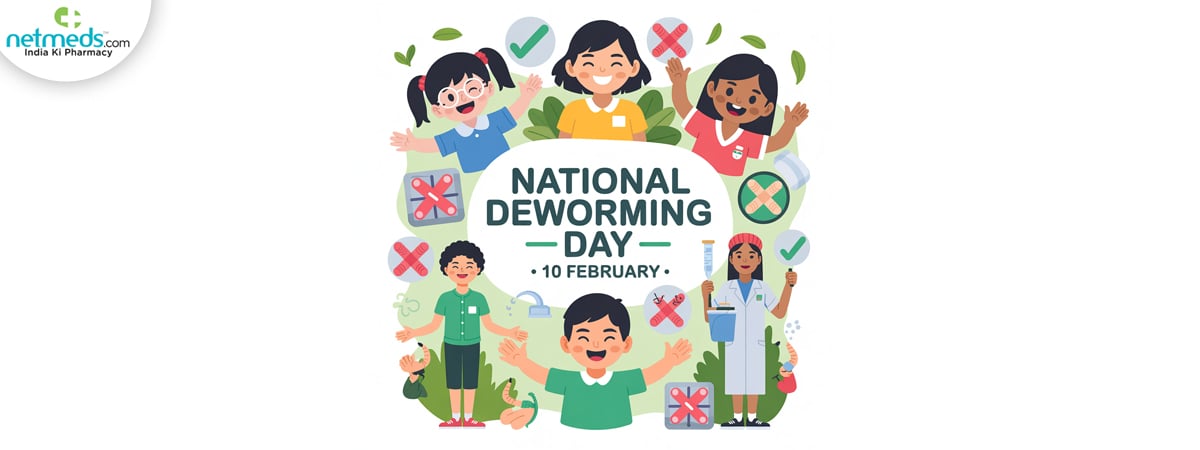
National Deworming Day 2026 Theme
For 2026, the theme keeps things simple: “Keep kids healthy through regular deworming, better hygiene, and proper sanitation.” Deworming medicine helps, but if the environment stays dirty, the worms just come back. The real message? Treat, prevent, and protect. It is not about fighting worms once, it is about making sure kids stay strong and infection-free for the long haul.
Also Read: National Deworming Day 2025: Theme, Causes, Prevention, and Awareness Strategies
Why Is National Deworming Day Significant?
Kids between 1 and 14 are most at risk, especially where clean water and proper toilets are hard to find. Worm infections cause all sorts of trouble, from poor appetite and malnutrition to anemia, stunted growth, and weak immunity. They even make it harder for kids to pay attention at school. NDD tackles this head-on by giving safe, single-dose medicine at schools and Anganwadi centers. It is a simple move, but it fits right into bigger goals like better nutrition, better learning, and healthy childhoods.
Common Causes Of Worm Infections In Children
So, what is behind most worm infections? The usual suspects are roundworms, hookworms, and whipworms. Kids pick them up from dirty food, contaminated water, unwashed hands, or just running around barefoot. Even after treatment, if nothing changes, it is easy to get reinfected.
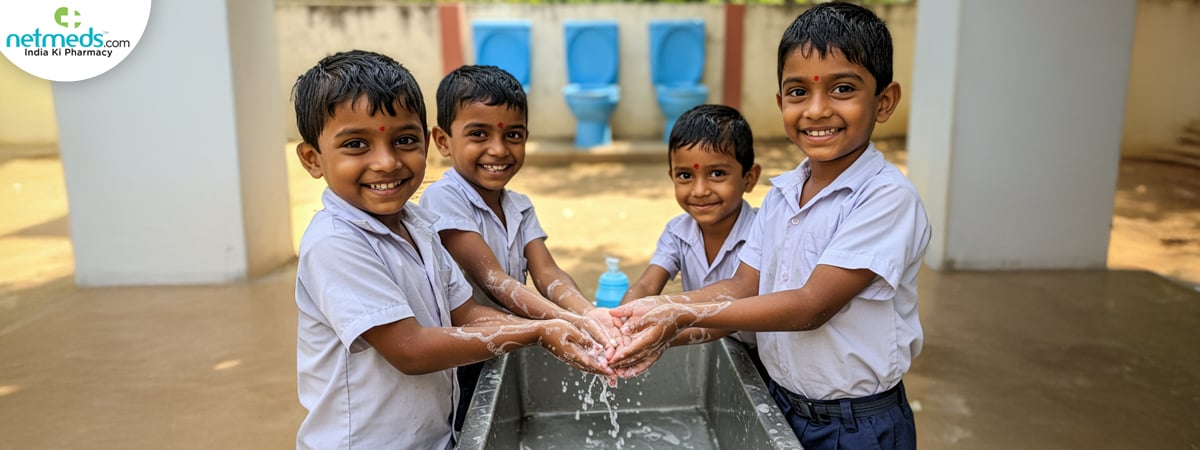
Role of Hygiene and Sanitation in Preventing Worm Infections
Here is where hygiene and sanitation really count. Deworming medicine gets rid of worms, but without clean habits and proper toilets, the problem just keeps coming back. So what actually helps?
Handwashing
It is basic, but it works. Kids touch soil, toys, and all sorts of things that might have worm eggs on them. Scrubbing hands with soap before eating, after using the toilet, and after playing outside actually keeps those eggs out of their mouths.
Clean Water
Drinking safe water stops kids from swallowing parasite eggs. Boil it, filter it, or treat it, just don’t drink from contaminated sources.
Proper Toilets
Open defecation lets worm eggs spread into the soil and water, which just keeps the cycle going. Using clean, well-kept toilets and getting rid of waste the right way cuts down the risk a lot.
Footwear
Some parasites, like hookworms, sneak in through bare feet. Wearing shoes outside and sticking to regular baths make a difference. Keeping nails short and clean helps, too, since worm eggs can hide under fingernails.
Clean Eating
Washing fruits and veggies, cooking food well, and skipping sketchy street snacks lowers the chances of eating something contaminated.
Teaching Good Habits
Kids learn best by example. Talking about handwashing, toilet use, and staying clean, at home and at school, turns these things into lifelong habits. Pair that with regular deworming, and you build a solid defence against worms.
How Parents and Schools Can Support National Deworming Day 2026?
So what can parents, teachers, and caregivers actually do? Be the front line. Make sure kids take their medicine, remind them to wash their hands, keep school toilets clean, and keep the conversation about hygiene going at home. Small habits add up fast.
Conclusion
National Deworming Day 2026 isn’t just another date on the calendar. It is a wake-up call: real prevention starts with clean habits and safe spaces. Medicine treats the problem, but hygiene and sanitation keep worms from coming back. Put it all together, and kids have a real shot at growing up healthier, sharper, and stronger. A childhood free from worms isn’t just a medical goal, it is the foundation for a better life.
References:
1. https://www.nhm.tn.gov.in/en/nhm-programsrmncha/national-deworming-day-ndd
 Previous