


Flowers have flavoured human diets for centuries, from ancient herbal infusions to modern gourmet plates. Across cultures, edible blooms are loved for their aroma and for providing nutrition to everyday meals. Beautiful, flavourful, and rich in natural health benefits, even today, they are rediscovered as functional foods that connect tradition with modern wellness.
In this article, let’s know more about Tropaeolum majus, commonly known as nasturtium, its recognition as an edible flower in India and around the world, and also why it deserves a place not only in your garden but in your diet too.
Also Read: Lemongrass: 5 Therapeutic Reasons Why This Aromatic Tea Is Awesome
What Is Nasturtium?
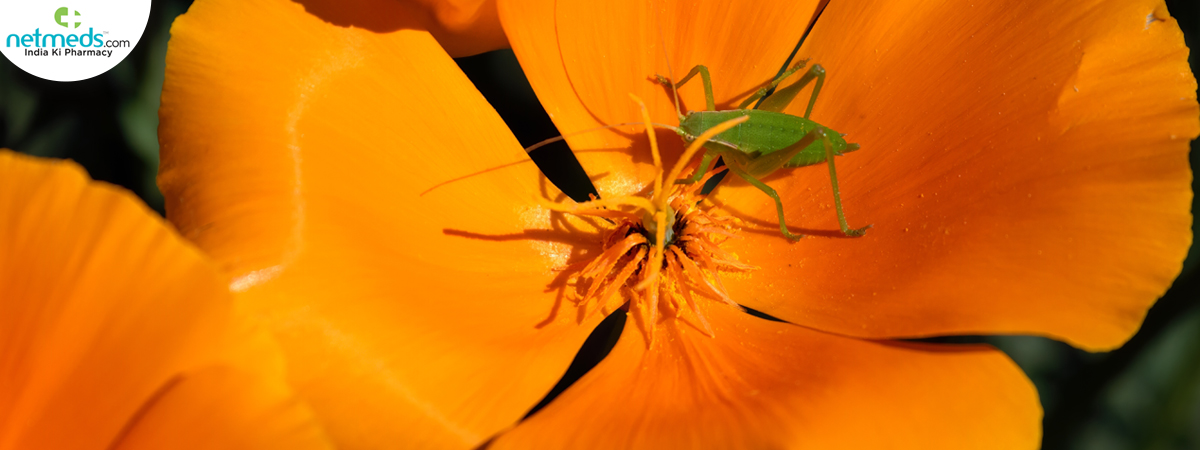
Native to South America, Tropaeolum majus, commonly known as nasturtium, is a vibrant edible flower that has travelled across continents not only as an ornamental garden favourite but as a nutrient-rich edible plant. Bold red, orange, and yellow blooms, nasturtium is celebrated for its round, lily pad-like leaves that add both visual appeal and a distinctive peppery flavour to meals. More than just decorative, nasturtium leaves, flowers, and seeds are all edible and packed with beneficial compounds.
Also Read: Mimosa Tenuiflora/Orpheus Flower: Uses, Benefits, Remedies For Skin And Hair
Regional Names In India
Over time, Gulnar has spread globally and now grows widely across North America, Europe, and Asia. It is known by various regional names across India, such as:
Hindi: Gulnar or Chilbil
Tamil: Vasanthi Poo
Telugu: Vasanthapu
Kannada: Haralu Poo
(Rejuvenate Your Health, Skin Glow And Radiance, Shop From Our Extensive Range Of Wellness And Skincare Products)
Health Benefits Of Nasturtium/Gulnar
Nasturtium is appreciated for its dense array of vitamins and beneficial compounds. Here are some benefits it provides:
Remedial Solution For Malaria
Gulnar has traditionally been used in herbal remedies to help reduce fever and support immunity during malaria. While it cannot cure malaria, its natural antimicrobial and immune-boosting compounds may provide mild symptomatic relief alongside conventional anti-malarial treatment.
Rich In Vitamin C
Nasturtium leaves and flowers contain high levels of vitamin C, which helps strengthen the immune system, supports collagen production, and fights infections
Natural Antimicrobial Properties
Nasturtium contains plant compounds known to combat bacteria and fungi. These antimicrobial properties make it a valuable addition to a wellness-focused diet.
Supports Respiratory Health
Traditionally, nasturtium has been included in herbal remedies to ease coughs, mild colds, and chest congestion, while also supporting clearer airways and overall respiratory comfort.
Provides Digestive Support
The peppery taste stimulates digestive enzymes and may improve appetite and support gut and digestive health
Also Read: Blue Tea: Unbelievable Health Benefits Of This Butterfly Pea Flower Infusion
How To Use Nasturtium In Your Kitchen?
One of the biggest advantages of nasturtium is its versatility in healthy recipes. Check out ways to use it:
Salads
Add fresh nasturtium leaves and flowers to green salads for a bold, peppery flavour and vibrant colour.
Sandwiches And Wraps
Chopped leaves can replace mustard greens or arugula for a spicy kick.
Edible Garnish
Whole flowers are great for garnishing soups, adding to appetizers, smoothie bowls, and assorted platters.
Herbal Tea
Fresh leaves can be steeped in hot water to create a mild herbal infusion.
Pickled Nasturtium Seeds
The green seeds can be pickled and used as a caper substitute, offering a tangy, crunchy addition to salads and pasta.
Also Read: Elderflower: Fantastic Wellness And Skin Benefits This White Blossom Offers- Infographics
Want to know how to turn this vibrant edible flower into something delicious? With its fresh, peppery flavour and bright blooms, here is what you can do:
Nasturtium Detox Infused Water (Immune-Boosting Drink)
Ingredients
· Six to seven nasturtium flowers
· A few fresh nasturtium leaves
· 1 sliced lemon
· 5 cucumber slices
· 1 litre of cold water
Method
· Add all ingredients to a glass pitcher.
· Refrigerate for four hours
· Serve chilled for maximum freshness.
Benefits: Hydrating, rich in vitamin C, and supportive of digestion, this is one of the best ways to use these blooms
Stuffed Nasturtium Flowers
Ingredients
· 8–10 large nasturtium flowers
· ½ cup goat cheese
· 1 tbsp chopped fresh herbs such as chives, parsley
· 1 tsp lemon zest
· Pinch of salt and pepper
Method
· Gently rinse flowers and let dry completely
· Mix cheese, herbs, lemon zest, salt, and pepper
· Carefully spoon or pipe filling into each flower
· Chill for twenty minutes before serving
Frequently Asked Questions
Are All Parts Of Nasturtium Edible?
Yes, the leaves, flowers, and green seeds of nasturtium are edible. Leaves are eaten fresh, while the seeds can be pickled. Always ensure the plant is organically grown.
Can Gulnar Flowers Be Used In Herbal Remedies?
Traditionally, Gulnar has been used in herbal medicine for respiratory and urinary health. Its leaves and flowers contain mild antimicrobial compounds that were historically included in teas and poultices for colds and mild infections.
Do Nasturtium Flowers Change Colour When Cooked?
Yes, the vibrant petals of Gulnar may change hue slightly when exposed to heat or acidity. Orange and red petals often turn a deeper shade, while yellow flowers can fade.
References:
Nasturtium (Tropaeolum majus L.) sub-chronic consumption on insulin resistance and lipid profile in prediabetic subjects. A pilot study
Author links open overlay panel
Yudy V. Barrantes-Martínez
https://www.sciencedirect.com/science/article/pii/S1756464622002596
https://pmc.ncbi.nlm.nih.gov/articles/PMC11124403/
 Previous


