


Iron is one of the most essential nutrients for growing children. From boosting haemoglobin levels to supporting brain development and maintaining healthy immunity, iron plays a vital role in your child’s overall growth. Yet, iron deficiency remains one of the most common nutritional issues among kids, often leading to fatigue, poor concentration, frequent illness, and slow developmental milestones.
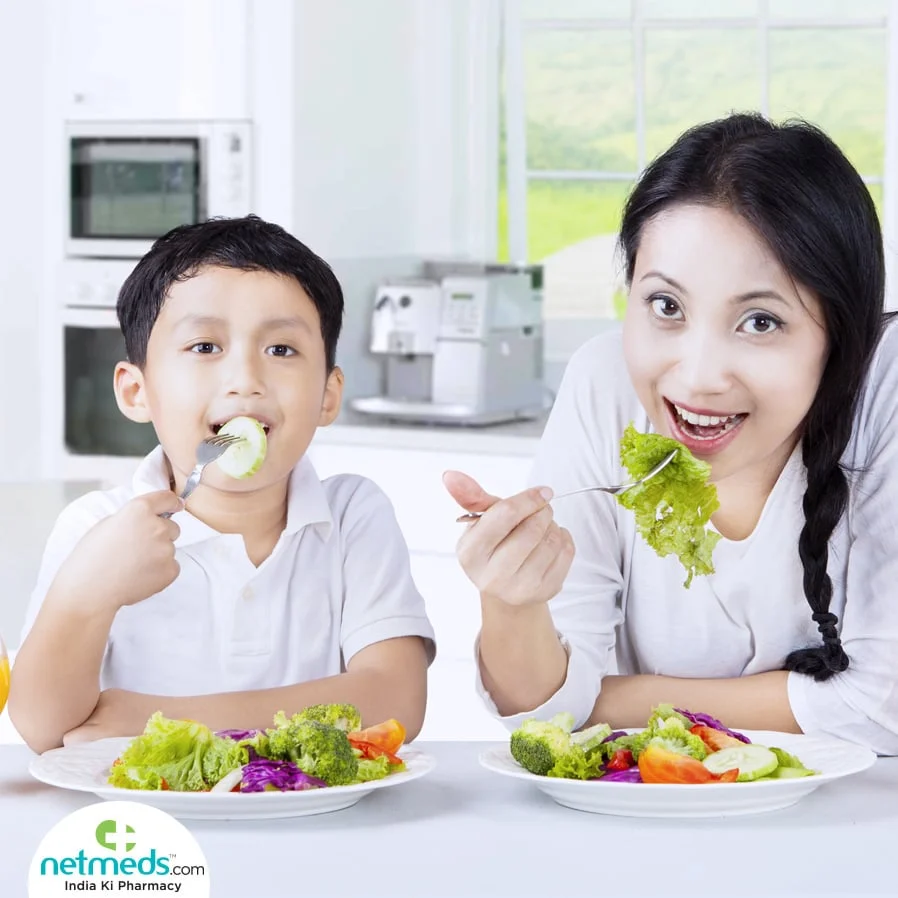
If your little one seems tired, struggles to focus, or falls sick easily, adding the right iron-rich foods for children can make a world of difference.
Let us explore the best healthy options that naturally increase iron levels and improve your child’s energy, stamina, and growth.
Improve Your Child's Overall Health With Our Extensive Line Of Supplements And Essential Nutrients!
Why Do Kids Need Iron?
Iron helps in the following ways:
Producing haemoglobin (the oxygen-carrying protein in blood)
Supporting brain development and memory
Improving muscular function and general energy
Adding iron-based foods to their meals supports rapid growth phases in toddlers and older kids.
Children who do not get enough iron may experience iron-deficiency anaemia, affecting their learning capacity, mood, and physical strength.
Also Read: Iron: Functions, Food Sources, Supplements, Deficiency and Toxicity
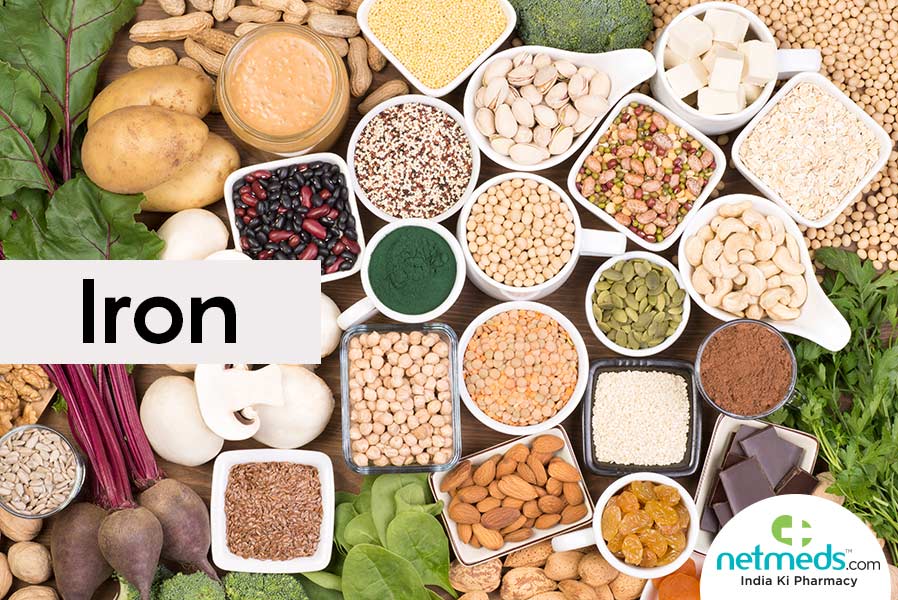
5 Best Iron-Rich Foods For Kids
Below are the most nutrient-dense, child-friendly sources of iron that you can easily include in daily meals.
Spinach
Spinach is one of the richest plant-based iron sources and offers a wholesome boost of nutrition for children. It contains non-heme iron, antioxidants, folate, vitamin C, and fibre, all of which contribute to healthy blood formation and improved immunity.
What makes spinach especially worthwhile is that it is so versatile; you can blend it into just about anything and never overpower the taste.
How to serve spinach?
Spinach paratha or palak puri for breakfast
Palak dal or spinach khichdi for lunch
Light spinach soup on cooler days
A fun dinner option: spinach pesto pasta.
Add handfuls of spinach to smoothies for the picky eater
Eggs
Eggs are among the easiest and most nutritious foods to include in a child’s diet. Rich in heme iron (the type absorbed better by the body), eggs provide essential amino acids, vitamin B12, healthy fats, and choline, important for brain development.
The yolk contains most of the iron, making whole eggs a nutrient powerhouse for growing kids
How to serve eggs?
Boiled eggs chopped into salads or rice dishes
Veggie and cheese stuffed omelettes
Egg roll, egg dosa, egg paratha
Scrambled eggs for busy mornings
Egg fried rice, along with seasonal vegetables for a healthy dinner option
Lentils and Legumes
Lentils, beans, and chickpeas are some of the very good vegetarian iron sources, hence very appropriate for families with plant-based diets. They contain high-quality protein, fibre, and essential minerals such as zinc and magnesium.
These foods can keep kids fuller for longer and regulate their energy levels throughout the day so they won't get tired or cranky.
How to Serve Lentils and Legumes?
Tur dal, masoor dal, or moong dal with rice
Curry of chole, rajma, or lobia
Hummus with roti strips or veggie sticks
Sprouts chaat with lemon.
Dal pancakes, besan chilla, or lentil soup
Fortified Cereals
Fortified cereals are among the most convenient ways to increase iron intake, especially for picky eaters who may prefer mild or sweet flavours. Most ready-to-eat breakfast cereals and instant porridges are iron-enriched, along with B vitamins and other essential nutrients that support a child's overall growth.
A fortified breakfast helps start the day with energy and keeps kids active through school hours.
How to serve fortified cereals?
Top it with milk or curd and fruits.
Blend into a smoothie bowl
Cooked with nuts and seeds for extra crunch.
Combined with hot milk for a comforting porridge
Nuts and Seeds
Nuts and seeds are small in size but packed with powerful nutrients, including iron, healthy fats, protein, and antioxidants. They not only boost iron levels but also support brain development, heart health, and overall growth.
Sesame seeds, pumpkin seeds, cashews, walnuts, and almonds are especially beneficial and can be incorporated into meals in many fun ways.
How to serve nuts and seeds?
Nut butters like almond, peanut and cashew, on roti or toast
Trail mix with raisins and dried fruit
Laddus made from sesame, jaggery and peanuts
Sprinkle over cereals, salads, milkshakes, or smoothies.
The crushed nuts may also be mixed in khichdi, porridge, or dosa batter.
Extra Tip To Enhance Iron Absorption
Pair foods containing iron with sources of vitamin C, like oranges, strawberries, tomatoes, lemons, and bell peppers. Vitamin C enhances the absorption of iron, particularly from plant sources.
Avoid tea, coffee, or dairy with iron-rich meals, as they may reduce absorption.
Frequently Asked Questions
How much iron does a child need daily?
Kids typically need 7–15 mg of iron daily, depending on age. Your paediatrician can offer precise guidance.
Can iron deficiency affect my child's growth?
Yes, low iron levels can cause fatigue, poor concentration, slow growth, and frequent infections.
Which iron-rich foods are best for picky eaters?
Fortified cereals, eggs, fruit smoothies with spinach, and nut butters often work well for picky eaters.
Are plant-based iron foods enough for children?
Yes, as long as they are combined with vitamin C-rich foods to improve absorption.
Should I give my child iron supplements?
Only if a paediatrician recommends it. Extra supplementation is harmful.
Conclusion
Ensuring your child gets enough iron is essential for their energy levels, concentration, immunity, and overall development. By including simple everyday foods like spinach, eggs, lentils, fortified cereals, and nuts, you can naturally boost iron intake and help your child grow stronger and healthier. Combine these foods with vitamin C sources, create fun recipes, and watch their energy rise day by day.
References:
- https://pmc.ncbi.nlm.nih.gov/articles/PMC8546153/
- https://www.healthychildren.org/English/ages-stages/teen/nutrition/Pages/Pump-Up-the-Diet-with-Iron.aspx
- https://www.ncbi.nlm.nih.gov/books/NBK540969/
 Previous