


Ice pick scars are a kind of acne scar that is categorised by small, deep pits or holes on the skin's surface. These scars are named after their appearance, resembling marks left behind by an ice pick or a sharp material. While they are commonly associated with acne, they can also result from other skin woes. Read this article to learn more about the causes, treatments, and effective home remedies for ice-pick scars that enhance your skin tone and complexion.
What Are Ice Pick Scars?
Ice pick scars are a type of atrophic acne scars that are formed by severe cystic acne. These scars are narrow, punctiform, deep, and visible on the cheeks. Ice pick acne scars are hard to remove owing to their distinct shape. Generally, scar removal treatments are time-consuming and often require more regular, aggressive, and costly treatment.
To Flaunt Radiant And Blemish-Free Skin, Shop From Our Wide Range Of Skincare Essentials
Try these effective home remedies to improve ice pick scars and fade away dark spots. However, it's advisable to consult with a dermatologist to learn about the most suitable treatment plan based on your skin type and the severity of the scars.
Causes of Ice Pick Scars
Acne: The most common cause of ice pick scars is a more severe form of acne. When acne lesions diffuse deep into the skin, they can destroy collagen and elastin, forming these scars.
Inflammatory Skin Conditions: Other skin conditions, such as folliculitis and rosacea, can cause inflammation and damage to the skin, contributing to the development of ice pick scars.
Genetic Factors: Certain people may be genetically prone to scar formation, making them more susceptible to developing ice pick scars.
Delayed or Inadequate Treatment: Failure to address acne or other skin conditions promptly and effectively may increase the likelihood of developing scars.
Treatment Options For Ice Pick Scars
Dermabrasion: Dermabrasion is a treatment process where the top layer of skin is removed with the help of a rotating brush or a diamond wheel. This procedure helps stimulate collagen production and improve the appearance of scars.
Chemical Peel: In this process, a chemical agent is applied to the affected region, causing it to peel off. This helps to improve the growth of new, smoother skin and can help reduce the visibility of ice pick scars.
Also Read: Chemical Peel: Purpose, Procedure, Side Effects, And Recovery
Microneedling: Microneedling uses a device with fine needles to make micro-injuries in the skin, triggering the body's natural healing process. This promotes collagen production and helps improve the texture of the skin.
Laser Resurfacing: Laser treatments target the damaged skin cells, promoting collagen production and improving the overall texture and appearance of the skin.
Fillers: Injectable fillers, like hyaluronic acid, can fill in the depressions caused by ice pick scars, offering a suppler and more even skin surface.
Home Remedies For Ice Pick Scars
Lemon Juice
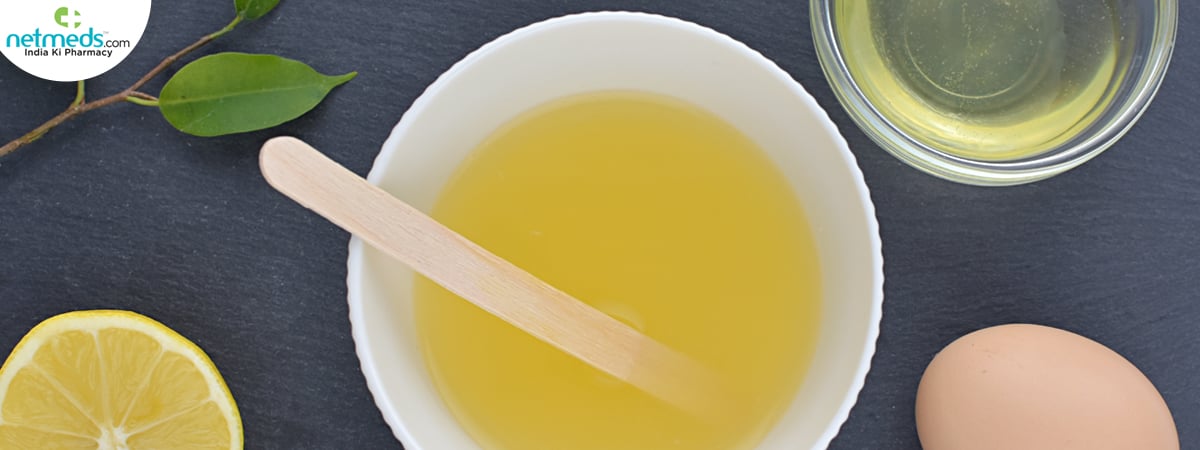
Lemon juice, naturally rich in citric acid, may help fade away dark spots and enhance skin texture. Apply fresh lemon juice to the scars, leave it on for a few minutes, and then rinse with water.
Honey and Aloe Vera
The potent anti-inflammatory property of aloe vera, when combined with honey, works well in diminishing scars. Blend equal portions of honey and aloe vera gel to create a soothing mask. Apply it to the affected areas, leave it on for 20 minutes, and then rinse with warm water.
Rosehip Seed Oil
Rosehip seed oil is bestowed with a wealth of nutrients, including vitamins A, E, and C, and healthy fatty acids that aid in skin regeneration and reduce the appearance of scar and pigmentation. Smear rosehip seed oil directly on the scars to help promote skin renewal and heal scars.
Also Read: 5 Impressive Benefits Of Rosehip Oil For Glowing Skin
Exfoliation with Baking Soda:
Make a pack by mixing baking soda with water and gently exfoliate the scarred areas. This can support the removal of dead skin cells and improve the appearance of the skin.
Tea Tree Oil
Tea tree oil, packed with phytonutrients and anti-inflammatory traits, can potentially eliminate scars and rejuvenate the skin from deep within. Mix an equal amount of tea tree oil with a carrier oil like coconut or almond oil and apply to the affected region to get blemish-free skin.
Frequently Asked Questions
Can Vaseline Fade Scars?
Vaseline can help moisturise and protect the skin, which may support the skin barrier, but it cannot fade or remove deep ice pick scars. These scars usually require targeted dermatological treatments.
Can You 100% Remove Acne Scars?
Acne scars, especially deep ice pick scars, cannot always be completely removed. However, treatments such as laser resurfacing, chemical reconstruction, microneedling, or other procedures may significantly improve their appearance.
How Do You Treat Ice Pick Scars?
Ice pick scars are usually treated with professional procedures such as TCA CROSS, laser resurfacing, microneedling, or punch excision. A dermatologist can recommend the most suitable treatment based on the depth and number of scars.
Can Cetaphil Remove Acne Scars?
Cetaphil skincare products can help cleanse and moisturise the skin and support the skin barrier, but they cannot remove established ice pick scars. Products containing ingredients such as retinoids or other acne-fighting actives may help improve overall skin texture when appropriately used.
Can Ice Pick Scars Heal?
Ice pick scars generally do not heal completely on their own because they involve bigger changes in the skin's structure. They may become less noticeable over time, but professional treatment is often needed for significant improvement.
References:
https://ijdvl.com/whats-new-in-the-management-of-acne/
https://pmc.ncbi.nlm.nih.gov/articles/PMC11031619/
https://ijpgderma.org/topical-therapy-in-acne-whats-new/
https://link.springer.com/subjects/acne-vulgaris
https://www.bmj.com/content/381/bmj-2022-074349
https://onlinelibrary.wiley.com/doi/10.1111/jocd.15757
Disclaimer:
The content provided here is for informational purposes only. This blog is not intended to substitute for medical advice, diagnosis, or treatment. Always seek the advice of a qualified healthcare provider for any questions or concerns you may have regarding a medical condition. Reliance does not endorse or recommend any specific tests, physicians, procedures, opinions, or other information mentioned on the blog.
 Previous