Hypothyroidism is a disorder where the body doesn’t make adequate thyroid hormones. The main function of the thyroid gland is to maintain normal growth and development, cell repair, metabolism, and several other vital bodily processes. People with hypothyroidism may experience tiredness, hair loss, weight gain, feeling cold, and exhaustion if the levels of hormones drop. This condition affects about 1-2 % of people across the globe, while women are at ten times higher risk than men.
The thyroid hormone helps speed up metabolic activity. The faster a person's metabolism, the more calories are burned at rest. A slow metabolism also ups the risk of various health problems that may make you tired, elevate blood cholesterol levels, and make it difficult to lose weight. Studies show that moderate to high-intensity cardio and aerobic workouts may help boost thyroid hormone levels, speed up metabolism, and also shed excess weight.
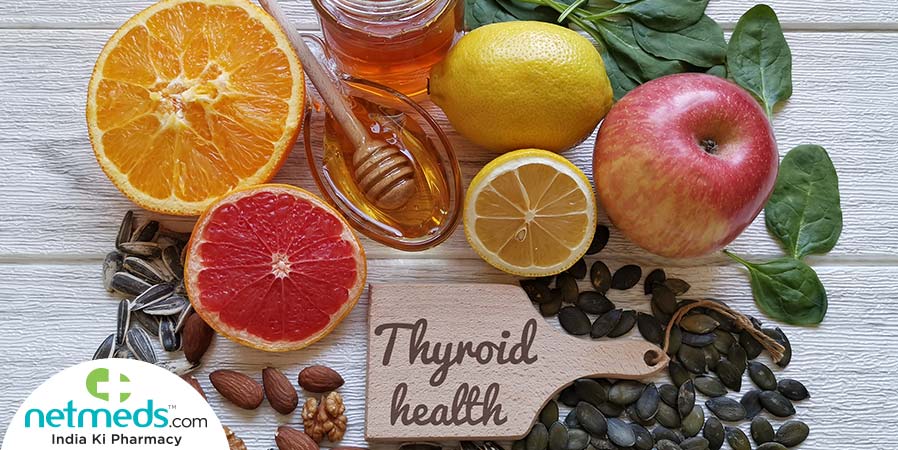
People with hypothyroidism need to have a balanced diet with the right combination of nutrients, lead a disciplined lifestyle, and take proper medications to restore thyroid function and mitigate the symptoms.
Also Read: Thyroid Function Tests: Why It Is Done and What To Expect
What Nutrients Are Important For Thyroid Function?
Iodine is a vital mineral needed for synthesising thyroid hormones. People with iodine deficiency may be at risk of hypothyroidism.
Adding iodised table salt to the meals and taking iodine-rich foods like fish, dairy, and eggs may help.
Selenium works to activate the thyroid hormones, so the body can use them efficiently. It functions as an antioxidant that protects the thyroid gland from free radical damage.
Including food sources rich in selenium, like nuts, legumes, eggs, an,d fish may be beneficial.
Zinc is an essential mineral that helps the body activate thyroid hormones.
Adding legumes, lean meat, and fish may help to up the zinc levels.
What Nutrients Hinder Thyroid Function?
Goitrogens are compounds that interfere with the normal functioning of the thyroid gland. Some of the common foods that contain goitrogens include:
Soy-based food products – tofu, tempeh, soy chunks, etc.
Vegetables - cabbage, broccoli, kale, cauliflower, spinach, etc.
Fruits and starchy plants – sweet potatoes, tapioca, peaches, strawberries, etc.
All millets
Nuts: peanuts and pine nuts
Coffee and green tea –these drinks may irritate the thyroid gland
However, people with hypothyroidism and iodine deficiency should not eat large amounts of goitrogens.
Generally, cooking these foods may inactivate goitrogenic compounds; thus, people with hypothyroidism without iodine deficiency can have these foods in moderate amounts.
Also Read: Diagnosed With Thyroid? Super Easy Ways To Manage The Disorder
Foods To Include
Some of the food sources that are valuable for people with hypothyroidism include:
Eggs are the best sources, packed with protein and vital minerals iodine and selenium.
Lean meat, fish, and all kinds of seafood are good sources of protein.
All vegetables are packed with fibre and essential nutrients.
Cruciferous ones can be taken in moderate amounts, especially cooked.
All kinds of fruits are the best source of vital vitamins, minerals, and antioxidants.
Whole grains like rice, quinoa, and buckwheat.
Seeds: chia seeds and flax seeds.
All dairy products, including milk, cheese, and yogurt.
People with hypothyroidism should focus on eating a diet packed with vegetables, fruits, and lean meats, which are low in calories and filling that may help avert weight gain.
Foods To Avoid
Foods that contain goitrogens should be consumed in moderate amounts and ideally cooked well. However, they should avoid having highly processed foods that contain a lot of calories, fat, and sugar, which can make them gain weight easily.
Some of the foods that should be avoided include:
Millet -all varieties
Highly processed foods -cakes, cookies, pastries, and junk foods
Simple Ways For Maintaining A Healthy Weight
People with thyroid disorders gain weight easily due to a slow metabolism. Here are some effective tips to help them maintain a healthy weight.
Get Sound Sleep: It is vital to get good quality sleep for at least 7-8 hours every night. Lack of sleep is linked to fat gain, particularly around the belly region.
Practice Mindful Eating Habits: Mindful eating involves focusing attention on what you’re eating, why you’re eating, and how fast you finish your food, which helps improve a good relationship with food. While studies have also revealed that it can help you shed surplus weight.
Yoga/Meditation: Yoga and meditation are proven therapies that can help combat stress and improve your quality of life. Furthermore, research also discloses that these therapies may help you maintain weight.
Prefer Low Carb Diet: It is believed that eating a low to moderate amountcarbs carb is very effective for sustaining weight. However, never go for the keto diet, as eating a few may lower thyroid hormone levels.
Frequently Asked Questions
What Is The Best Diet For Hypothyroidism?
The best diet for hypothyroidism includes lean proteins, fruits, vegetables, whole grains, and foods rich in iodine, selenium, and zinc. A balanced diet supports thyroid function and helps maintain a healthy weight.
Which Foods Are Avoided In Hypothyroidism?
People with hypothyroidism may limit highly processed foods, excess sugar, and large amounts of soy products. Cruciferous vegetables can still be eaten, but are often better consumed cooked rather than raw in large quantities.
What Indian Food Is Good For Hypothyroidism?
Indian foods such as dal, paneer, curd, eggs, fish, nuts, and vegetable curries can support a healthy thyroid diet. Whole grains like millet and nutrient-rich foods containing selenium and zinc are also beneficial.
Can I Eat Rice In Hypothyroidism?
Yes, rice can be included in a hypothyroidism diet as part of a balanced meal plan. Pairing rice with protein and fibre-rich foods can help improve satiety and support overall health.
Can Thyroid Patients Eat Ghee?
Yes, thyroid patients can consume ghee in moderation as part of a healthy diet. Ghee provides healthy fats, but should be balanced with overall calorie intake.
References:
https://pmc.ncbi.nlm.nih.gov/articles/PMC10857224/
https://www.mayoclinic.org/diseases-conditions/hypothyroidism/expert-answers/hypothyroidism-diet/faq-20058554
 Previous