


Grey hair may be a natural part of ageing, and we all get our greys sooner or later. But that doesn’t mean you have to say goodbye to rich, vibrant hair. At the end of the day, embracing your silver strands or colouring them is completely a personal choice. However, if you prefer to cover grey hair without exposing your scalp to harsh chemicals, herbal hair colour for grey hair can be a smart, natural alternative.
Looking for a natural hair dye for grey hair, herbal hair colour can help you achieve a beautiful, natural-looking shade while keeping your hair strong, shiny, and healthy. Let’s find out the best alternative and why you should go for all-natural hair dyes
Also Read: DIY Vegetable Hair Dye: Colour Your Hair Right At Home With These Herbal Concoctions
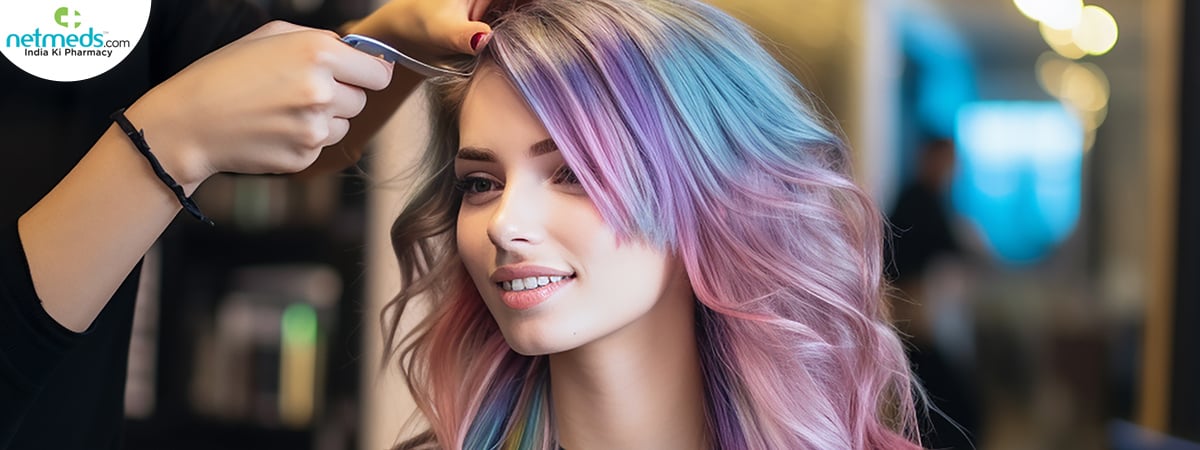
Are Artificial Hair Dyes Risky?
To some extent, yes! Many chemical hair dyes contain ingredients such as ammonia, parabens, peroxide, and PPD (para-phenylenediamine), which can cause scalp irritation, allergic reactions, dryness, and long-term hair damage. Frequent use of chemical dyes may weaken the hair shaft and make hair brittle over time. Some people may also experience itching, redness, or sensitivity due to these harsh chemicals. In contrast, herbal hair colour uses natural plant extracts that are much gentler on hair and scalp. They gradually colour grey hair while nourishing the scalp and strengthening hair strands. This makes herbal dyes a popular option for people looking for chemical-free grey hair coverage. Herbal hair colours have plant-based ingredients such as henna, indigo, amla, coffee, and hibiscus. Besides helping with grey hair coverage, they work gently while improving the health of your mane.
Types Of Herbal Hair Colouring Options
Several natural ingredients can be used as herbal hair dyes to cover grey hair. Here are the top ones:
Henna
The most widely used natural hair dye, henna, gives hair a reddish-brown tint and helps strengthen hair strands while improving scalp health. It also adds shine and thickness to the hair.
Indigo
Indigo is often used along with henna to achieve darker shades like brown or black. When applied after henna, indigo can create a rich, natural black colour, making it a popular choice for grey hair.
Amla
Amla, or the Indian gooseberry, is loaded with antioxidants and a great source of Vitamin C. It helps darken hair naturally, reduce premature greying, and strengthen hair roots.
Coffee
Coffee can enhance darker tones in hair and add a rich brown shade. It is often used with henna to deepen the colour while improving shine.
Hibiscus
Hibiscus flowers are widely used in herbal hair treatments. They help nourish the scalp, improve hair growth, and add a slight reddish tint to hair.
Also Read: Amla: Benefits, Uses For Hair and Health Conditions, Supplements And Recipes

Top Benefits Of Using Herbal Hair Colour
Natural Grey Hair Coverage
Herbal hair colours blend grey strands with your natural hair colour instead of creating a harsh, artificial shade. Ingredients like henna and indigo gradually darken grey hair, giving it a more natural appearance.
Chemical-Free
Unlike synthetic dyes, herbal hair colours are free from harmful chemicals like ammonia and peroxide. This reduces the risk of scalp irritation, hair breakage, and long-term hair damage.
Nourishes Scalp
Natural ingredients such as amla, Bhringraj, and hibiscus are rich in nutrients that strengthen hair roots and improve scalp health. Regular use can make hair healthier and stronger.
Improves Hair Texture
Herbal hair colours coat the hair shaft naturally, making hair look smoother, shinier, and thicker. This helps improve overall hair texture.
Supports Long-Term Hair Health
Using herbal hair dye regularly can improve hair health over time. These natural ingredients support hair growth, reduce hair fall, and protect the scalp from damage.
How To Apply Herbal Hair Colour?
Applying herbal hair colour correctly helps achieve better grey hair coverage and longer-lasting results. Here is how you should do it:
· Start by mixing the herbal hair colour powder (such as henna or henna with indigo) with warm water to create a smooth paste.
· Allow the mixture to sit for about forty-five minutes so that the natural pigments release properly.
· Wash your hair before application to remove oil and dirt from the scalp.
· Apply the paste evenly from roots to ends using gloves or a hairbrush, ensuring that all grey strands are covered.
· Leave the colour on (for about an hour) depending on the shade you want.
· Rinse thoroughly with water and avoid shampooing for at least twelve to fourteen hours so the colour can develop properly.
Also Read: Natural Hair Dyes: Benefits, Methods And 5 Herbal Mane Colours To Try At Home
Precautions To Take When Using Herbal Hair Colour
Although herbal dyes are natural, it is important to follow precautions to ensure safe and effective use. Before applying herbal hair colour, test a small amount on your skin to check for any allergic reaction. Make sure the herbal hair dye you use is free from added chemicals or artificial colours. Each herbal ingredient requires proper mixing and application time. Following the instructions ensures better grey hair coverage. If you recently used a chemical dye, wait a few weeks before applying herbal hair colour to avoid uneven results. After colouring your hair, use natural oils or conditioners to keep your hair soft and shiny.
Also Read: Hair Colouring: Should You Go For It? Try 5 Trendy Shades To Make Heads Turn
Frequently Asked Questions
Does Herbal Hair Colour Cover Grey Hair Fully?
Yes, herbal hair colour can cover grey hair effectively when applied properly. Ingredients like henna and indigo bind to the hair shaft and gradually darken grey strands. However, the results may vary depending on hair type and the percentage of grey hair.
Is PPD-Free or Ammonia-Free Hair Colour Better for a Sensitive Scalp?
Yes, PPD-free and ammonia-free hair colours are generally safer for sensitive scalps. These formulations reduce the risk of irritation, itching, and allergic reactions compared to traditional chemical hair dyes.
How Long Does Herbal Hair Colour Last?
Herbal hair colour usually lasts between three and five weeks. The duration depends on factors such as hair growth, washing frequency, and hair care routine.
Can Herbal Hair Colour Be Used During Pregnancy?
Pure herbal hair colours made from ingredients like henna and indigo are generally considered safer than chemical dyes. However, it is always best to consult a doctor before using any hair colour during pregnancy.
How Can You Avoid Patchy Colour With Herbal Hair Dye?
To avoid uneven colour, apply the herbal paste evenly in sections and ensure your hair is clean before application. Using fresh mixtures and leaving the colour on for the recommended time can also help achieve uniform results.
Why Herbal Hair Colour Over Chemical Hair Dye?
Herbal hair colours are made from plant-based ingredients and are free from harmful chemicals such as ammonia and parabens. This makes them safer for long-term use and suitable for people with sensitive scalps. Unlike artificial dyes, herbal colours do not strip the hair of its natural oils. Instead, they nourish and condition the hair while providing natural-looking colour.
References:
Trends in Use of Hair Dye: A Cross-Sectional Study
Department of Pharmacology, Sri Devaraj Urs Medical College, Sri Devaraj Urs Academy of Higher Education and Research, Tamaka, Kolar, Karnataka, India
https://www.ncbi.nlm.nih.gov/pmc/articles/PMC3927172/
https://ncbi.nlm.nih.gov/pmc/articles/PMC9214764/
 Previous


