


A happy, healthy dog’s wellness begins from within. While regular exercise, playtime, and proper nutrition are essential for your four-legged friend, dental care for dogs also plays a crucial role in shaping up their health. Gut health supports healthy digestion, energy, and nutrient absorption. Likewise, clean teeth and healthy gums can help prevent oral problems that may affect their well-being. Together, good digestive and dental health can contribute to a more active, comfortable, and cheerful furry companion. Let’s explore the connection between dog gut health and dental care, how they are linked, and simple ways to keep your furry friend healthy and thriving.
Also Read: Telehealth For Pets: Can Virtual Vet Visits Replace In-Person Care? Pros And Cons
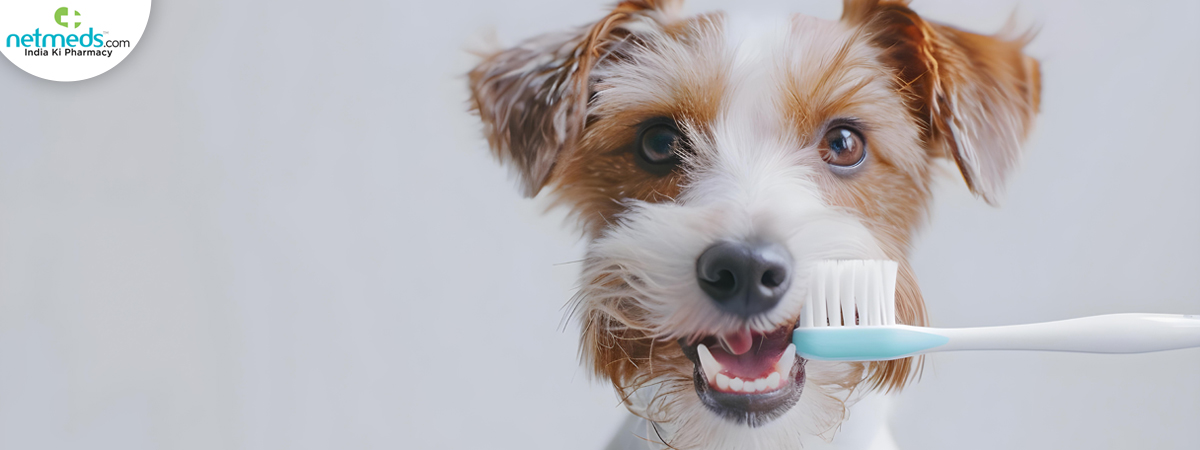
Why Is Gut And Oral Health Related?
A healthy and nutritious diet is every pet’s right. If you are taking good care of this aspect, you support proper digestion and provide the essential nutrients your furry friend needs to stay active and strong. By and large, painful dental problems can affect their overall health. Thus, regularly cleaning your dog’s teeth helps prevent plaque buildup and bad breath. Likewise, adding gut-friendly supplements, such as probiotics, supports a balanced digestive system and strengthens immunity from within. Along with this, timely visits to the veterinarian help identify and treat any gut or dental issues early. Together, these simple steps help your dog enjoy better digestion, stronger teeth, more energy, and a healthier, happier life.
Easy Ways to Improve Gut And Dental Health In Dogs
Supporting your dog’s gut and dental health doesn’t require complicated routines. Small, consistent habits can make a big difference in their overall wellness, comfort, and longevity. Here’s how you can easily care for both every day:
Balanced Diet
Foundation of good gut and dental health, choosing high-quality dog food made with easily digestible proteins like chicken, lamb, or fish, along with natural fibre sources such as pumpkin, brown rice, or sweet potatoes. These ingredients support smooth digestion and help maintain healthy bowel movements. Crunchy kibble can also gently scrape teeth while chewing, reducing plaque buildup compared to soft foods alone.
Probiotics And Supplements
Probiotics introduce beneficial bacteria into your dog’s digestive system, helping maintain a healthy gut microbiome. This improves nutrient absorption, reduces digestive discomfort, and strengthens immune defences. Prebiotics and digestive enzyme supplements further support gut balance. Always choose vet-approved supplements formulated specifically for dogs to ensure safety and effectiveness.
Dental Chews
Dental chews are a simple and enjoyable way to support oral hygiene. Their textured surface helps scrape away plaque and slow tartar formation while satisfying your dog’s natural urge to chew. Many dental chews are also infused with breath-freshening ingredients that reduce bad odour. Offering dental chews regularly can significantly improve oral health between brushings.
Regular Brushing
Brushing your dog’s teeth a few times a week is one of the most effective ways to prevent dental disease. Use only dog-specific dental products. Regular brushing removes plaque before it hardens into tartar, reduces gum inflammation, and prevents painful dental issues. Start slowly and reward your dog to make brushing a positive experience.
Fresh Water
Clean, fresh water plays a vital role in digestion and oral health by supporting nutrient absorption and flushing toxins from the body. Drinking water also washes away food particles and bacteria from the mouth, reducing plaque formation. Make sure your dog always has access to fresh, clean water.
Routine Vet Checkups
Professional dental cleanings and routine health screenings are key to maintaining long-term wellness. Gut and dental issues must be addressed on time before they become serious. Vets can identify digestive imbalances, gum disease, and tooth decay early on and recommend timely treatment or diet adjustments.
References
Pet ownership and human health: a brief review of evidence and issues
Croit Cullach, Durnamuck, Dundonnell, Ross-shire
Society for Companion Animal Studies, Blue Cross, Burford, Oxon
https://www.ncbi.nlm.nih.gov/pmc/articles/PMC1289326/
https://onlinelibrary.wiley.com/journal/19391676
 Previous


