


Each January, Cervical Health Awareness Month is observed globally to encourage people worldwide to prioritize cervical well-being and take informed steps toward prevention. Although cervical cancer is often viewed with concern, advances in medical science have made it one of the most preventable and manageable cancers when addressed early. In the year 2026, the emphasis extends beyond awareness, focusing on how informed decisions, routine healthcare, and healthy habits can protect cervical health over time.
This article explores the importance of staying informed about screening schedules, vaccination options, and overall musculoskeletal health with guidance from healthcare professionals.
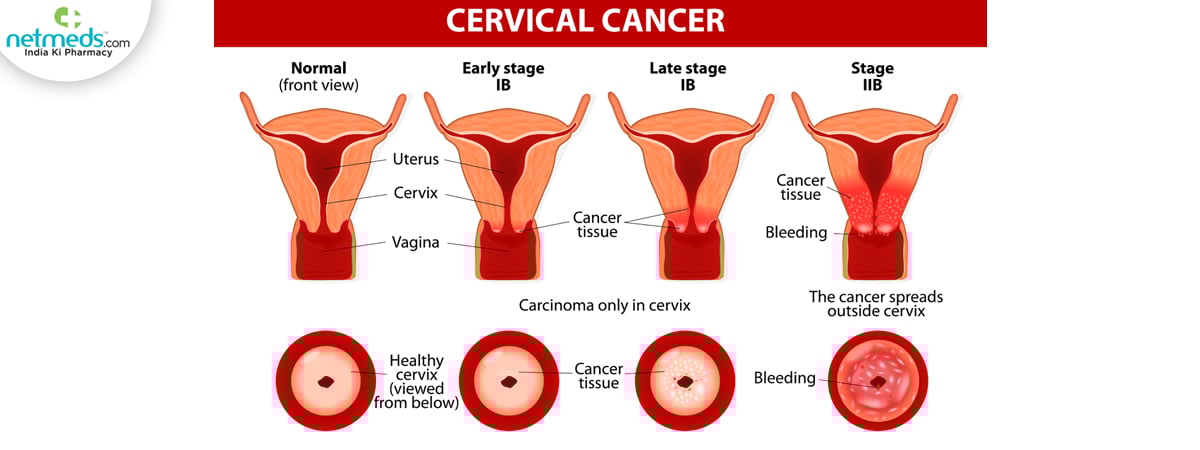
Overview Of Cervical Cancer
Cervical cancer develops in the cervix, the lower part of the uterus that connects to the vagina, due to long-term infection with high-risk HPV types. Cervical cancer typically progresses slowly and may not present noticeable symptoms in its early stages. Because of this, regular screening and proactive care play a critical role in prevention. Early diagnosis allows for timely treatment, preventing the disease from advancing. Ongoing global initiatives such as improved screening programs, vaccination efforts, and public education have significantly reduced cervical cancer rates and continue to improve outcomes for women worldwide.
Combat Chronic Ailments By Supplementing Your Daily Nutrition With These Multivitamins And Minerals!
The Connection Between HPV and Cervical Cancer
Persistent infection with certain high-risk strains of Human Papillomavirus is a key factor in the development of cervical cancer. Many individuals are exposed to the virus at some point in their lives. In most cases, the body’s immune system clears the infection naturally without causing harm. Challenges arise when high-risk HPV infections remain in the body for extended periods. Over time, these infections can lead to abnormal changes in cervical cells. Without medical intervention, such changes may gradually develop into cervical cancer. Recognizing this connection is essential, as it highlights how prevention through vaccination and early detection can significantly reduce risk.
Also Read: Cervical Cancer: Causes, Symptoms And Treatment
Why HPV Vaccination Is Important
A powerful preventive measure against cervical cancer and other HPV-related conditions, HPV vaccination targets the strains of HPV most linked to cervical cancer, offering long-term protection. Medical professionals recommend vaccination during early adolescence, typically between the ages of eleven and twelve, when the immune response is most effective. However, adults up to the age of forty-five may also benefit from vaccination after consulting a healthcare provider. Although the vaccine does not treat existing HPV infections, it lowers the likelihood of future infections and related complications. Widespread vaccination also helps limit virus transmission, contributing to improved community health.
Also Read: Cervical Spondylosis Pain Bothering You? Get Relief With These Simple Home Remedies
Is Cervical Screening Important?
Yes, it is! Routine cervical screening can identify early cellular changes or high-risk HPV infections before they develop into cancer. Pap tests examine cervical cells for abnormalities, while HPV tests detect the presence of high-risk viral strains. Despite concerns about discomfort or anxiety, cervical screening procedures are generally quick and minimally invasive. Normal results offer reassurance, while early detection of abnormalities allows for timely intervention, often before symptoms develop. Regular screening ensures that potential issues are addressed early, when treatment is most effective.
Also Read: Pap Smear Screening: Why It Is Done And What To Expect
How Early Care Protects Long-Term Health?
Early medical care is the primary reason that cervical cancer can often be prevented altogether. Treating abnormal cervical cells at an early stage stops them from progressing into cancer. An abnormal screening result does not automatically indicate cancer; rather, it means changes have been identified early, allowing for appropriate follow-up care. Prompt treatment reduces the need for extensive medical procedures and supports overall reproductive and long-term health. This reinforces the importance of regular screening schedules and following medical advice.
Also Read: Lung Cancer: Causes, Symptoms And Treatment
Frequently Asked Questions
Is cervical or neck pain linked to cervical cancer?
No. Cervical pain usually refers to discomfort in the neck (cervical spine) and is unrelated to cervical cancer, which affects the cervix in the female reproductive system. Early-stage cervical cancer typically does not cause pain. Neck pain is most often caused by posture, muscle strain, or lifestyle habits.
How can cervical cancer be prevented?
Cervical cancer is largely preventable. Key preventive measures include:
· HPV vaccination for adolescents and young adults
· Regular cervical screening
· Prompt follow-up if abnormal cells are detected
· Maintaining overall reproductive health and avoiding risk factors like smoking
What are the early signs of cervical cancer?
Cervical cancer often shows no symptoms in the early stages, which is why routine screening is so important. When symptoms do appear, they may include:
· Unusual vaginal bleeding
· Pain during sexual activity
· Unusual vaginal discharge
References:
Knowledge and Awareness about Cervical Cancer and Human Papillomavirus among Women Living in Macon County, Alabama
Kellon S Banks 1, Crystal M James
https://pmc.ncbi.nlm.nih.gov/articles/PMC10351483/
https://www.mdpi.com/news/14432
 Previous


