


The lotus, a beautiful bloom that rises from muddy waters, is both highly useful and a powerful symbol of purity. White, pink, blue, and red, each variety has its own unique beauty. These varieties grow in different regions and climates, making lotus very special. And equally fabulous are its extracts! The seed stems and roots, all parts, are highly nutritious and boost overall health.
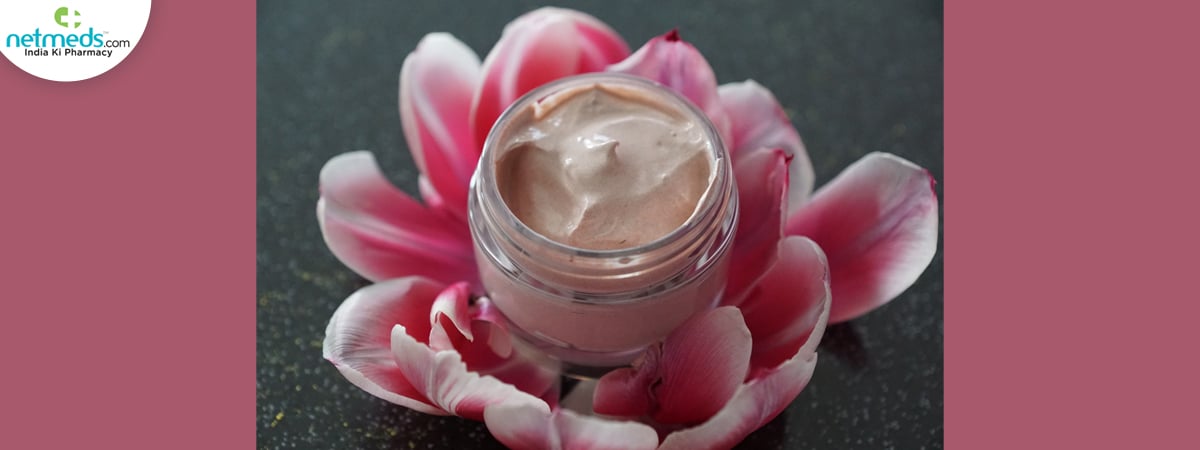
One such type, Blue lotus, also known as blue water lily, is a rare aquatic lotus valued for its calming properties, wellness uses, and caffeine-free herbal tea. This article sheds light on its importance, beauty, benefits, and a flavourful herbal infusion made from this lovely flower.
Also Read: Rooibos Tea: Health Benefits, Uses, and How to Brew this Aromatic Herbal Drink
What Is Blue Lotus?
Scientifically called Nymphaea caerulea, blue lotus is most famously associated with ancient Egypt, where it symbolized calmness, clarity, and renewal. Striking blue petals with a soft, pleasant aroma, not a true lotus, but a type of water lily, it has been used in herbal traditions for its calming properties rather than a medicine. Because it is naturally caffeine-free, blue lotus tea is often enjoyed as a relaxing drink.
In modern wellness communities, its parts are used in skincare for their soothing nature and natural origin. And so, lotus is gaining popularity worldwide in the form of:
· Dried flowers
· Blue lotus tea
· Herbal infusions
· Essential oil blends
· Wellness Products
· Cosmetics
Also Read: 5 Fantastic Benefits Of Lotus Seeds For Overall Health
Where Is Blue Lotus Found?
Blue lotus is mainly found in North Africa, especially Egypt, where it naturally grows in rivers, lakes, and freshwater ponds. It also grows in parts of East Africa and some regions of Asia with warm climates. The plant thrives in still or slow-moving water and blooms during warm seasons. Today, this Ancient Egyptian flower is cultivated in different parts of the world and used in wellness and skincare.
How Is Blue Lotus Used?
Adding blue lotus tea to your routine is a simple way to enjoy a natural, caffeine-free herbal drink. Many people choose blue lotus tea because it is gentle on the body. A pleasant alternative to strong teas or coffee, blue lotus tea also fits well into evening routines or mindfulness practices.
Brewed As Tea
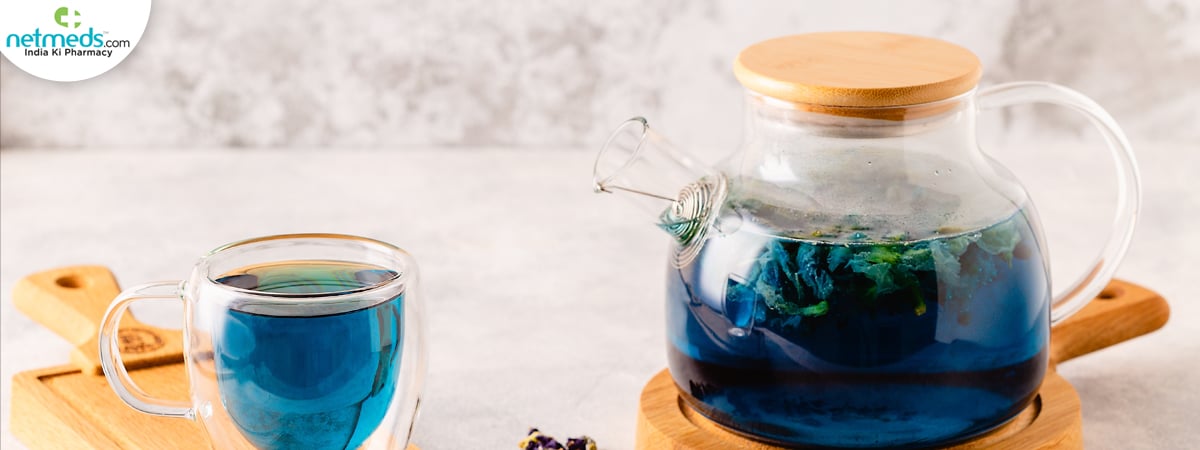
Blue lotus is most used by drying its petals or whole flowers and brewing them into blue lotus tea. This caffeine-free drink has a light, floral flavour. It can be consumed on or combined with other mild herbs. Blue lotus tea is popular among those who prefer natural, plant-based drinks.
Used With Herbal Infusions
Blue lotus is often mixed with other herbs such as chamomile, hibiscus, or lemon balm to create herbal tea blends. These blends are designed for flavours and overall relaxation. Because blue lotus has a gentle taste, it pairs well with both floral and fruity herbs.
Added To Skincare Products
Extracts of blue lotus are used in skincare products like face serums, creams, masks, and toners. It is valued for its soothing and refreshing feel on the skin. Many brands include blue lotus in products meant for sensitive or tired-looking skin, as it helps create a calming skincare experience.
Part Of Aromatherapy Preparations
Blue lotus is sometimes used in aromatherapy, especially in essential oil blends, incense, or dried flower sachets. Its soft, floral aroma is appreciated for creating a peaceful atmosphere.
Included In Relaxation Rituals
Blue lotus is commonly included in wellness routines, such as evening tea rituals, spa experiences, and mindfulness practices. People choose it to create a calm, slow-paced moment in their day. Used in spaces meant for rest, meditation, or relaxation, whether a tea, scent, or skincare product, blue lotus provides gentle care.
Also Read: Lavender Tea: Health Benefits, Uses, Side Effects, And How To Brew
Why You Should Add Blue Lotus Tea?
With the growing interest in herbal teas and decoctions, blue lotus has become a popular choice for people looking for a calming, natural addition to their daily routine.
Making blue lotus tea at home is easy. Here are its basic steps:
· Take one or two teaspoons of dried blue lotus petals or one dried flower
· Boil water properly and let it cool slightly
· Pour the water over the petals
· Steep for about five minutes
· Strain and enjoy hot
· You may add honey and lemon if desired
Health Benefits Of Blue Lotus Tea
Blue lotus tea can be a perfect add-on to your choice of a warm wellness drink. Next time you come across extracts of this beautiful bloom, try its herbal infusion for the following health benefits:
· Promotes relaxation and calmness
· Supports better sleep by easing stress
· Helps reduce mild anxiety
· Contains antioxidants that boost overall wellness
· Provides skin care benefits in the long run
Also Read: Blue Tea: Unbelievable Health Benefits Of This Butterfly Pea Flower Infusion
Frequently Asked Questions
Is Blue Lotus Tea Caffeine-Free?
Yes, blue lotus tea is naturally caffeine-free and can be taken in the evening without affecting sleep.
Can Blue Lotus Tea Be Consumed Daily?
Blue lotus tea is commonly enjoyed as part of a regular wellness routine in moderate amounts. It is best consumed as a relaxing herbal beverage.
What Does Blue Lotus Tea Taste Like?
Blue lotus tea has a slightly sweet, floral taste. Its light aroma makes it pleasant to drink on its own or with a dash of honey or lime.
References:
The Manufacturing Process of Lotus (Nelumbo Nucifera) Leaf Black Tea and Its Microbial Diversity Analysis
Xiaojing Gao, Xuhui Kan
https://pmc.ncbi.nlm.nih.gov/articles/PMC11817234/
https://the-qi.com/blogs/journal/top-13-benefits-of-blue-lotus-tea?srsltid=AfmBOooJUTKooQaz8Z8g1x_3FZLXhhjL3A4nQqZIfppJn2ljImtEbF20
 Previous


