


Good nutrition and physical activity are paramount if you want to gain lean muscle and lose body fat. Though it’s vital to challenge your body through an intense physical workout. But without proper nutritional support, the progress will halt. If you want to look fit and toned, your food pattern has to be as strong as your workout regimen.
Protein-rich foods are quintessential for gaining muscle, and even good carbs and fats are also required for replenishing energy. Well, if your fitness goal is to gain lean muscle, you should be focusing on working out regularly and adding more calories from muscle-building foods daily. Introducing nutrient-dense foods into meal plans will not only support muscles to grow more defined and structured, but it can also assist rapid weight loss, which ultimately helps you reveal a toned and well-built structure. Eating the right kind of foods can help build muscle, recover from intense training, and sustain energy levels.
Guidelines For Building Muscle Mass
The International Society of Sports Nutrition (ISSNT) recommends consuming about 1.4 -2.0 grams of protein per kilogram of body weight per day. It would be adequate for most people who exercise to build and maintain muscle mass. Whereas those performing high-intensity resistance training (HITT) may benefit from getting up to 3 grams of protein per kg of body weight per day.
Furthermore, to build muscle mass optimally, an individual needs to consume the right amount of high-quality carbohydrates. Carbs help replenish glycogen stores in the muscles and liver and support to avert fatigue during training.
Also Read: Body Fat: Know About Types Of Body Fat, Benefits And Role Of Diet
The ISSN also suggests that having about 45-55% of daily calories as carbohydrates is adequate for a normal fitness program. However, people who are involved in high-volume training may need more than this.
To facilitate any workout regimen, including resistance training, one needs to eat a nutritious and wholesome diet that includes vitamins, minerals, and healthy fats. Also, it is important to stay well hydrated to flush out toxins from the system.
Micronutrients and water help people perform well, recover from exercise, and maintain their overall health. Aside from this, to build lean muscle mass, it is also important to create a calorie surplus, by having more calories than a person burns.
Also Read: 5 Marvelous Plant -Based Protein Sources For Overall Health- Infographic
How Do Foods Help To Attain Muscle Goals?
Food encompasses specific macro and micronutrients that are scientifically proven to:
- Speed-up muscular tissue growth
- Reduce levels of stress hormones that stimulate fat storage
- Improve blood flow to muscles, which increases efficiency and the rate at which systems repair themselves.
- Reduce inflammation and inhibit muscle breakdown
- Trigger energy metabolism
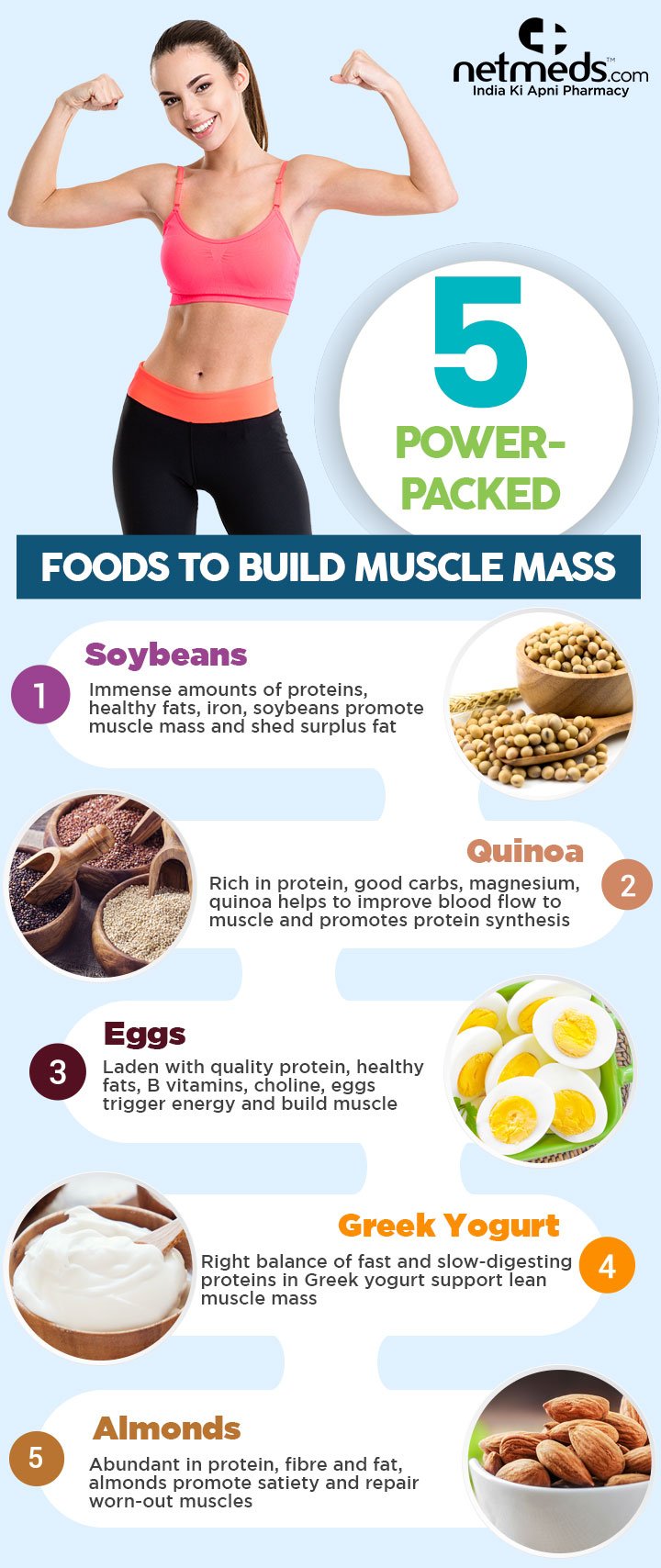
Check out this infographic for more details.
Frequently Asked Questions
What is the 5-4-3-2-1 eating rule?
· 5 vegetables: For getting adequate nutrients
· 4 fruits: For snacks or additions to meals
· 3 protein foods: For muscle building
· 2 grains: Carbohydrates like rice, pasta, or potatoes serve as energy
· 1 Treat: A dessert for overall fulfilment
What are the 5 supreme superfoods?
Commonly recognized superfoods include blueberries, spinach, salmon, nuts, and quinoa. These foods are rich in antioxidants, healthy fats, vitamins, and minerals that support heart health, brain function, and overall immunity. Including them regularly can boost long-term wellness.
What foods are good for kidney repair?
Foods that support kidney health include apples, berries, leafy greens, garlic, and cauliflower. These are low in sodium and rich in antioxidants, helping reduce inflammation and support proper kidney function. Staying hydrated and limiting processed foods also plays a key role.
References
https://www.ncbi.nlm.nih.gov/books/NBK224631/
https://pmc.ncbi.nlm.nih.gov/articles/PMC3661116/
 Previous