






Netmeds First Membership
Quick Links
Introduction About SERENACE INJECTION
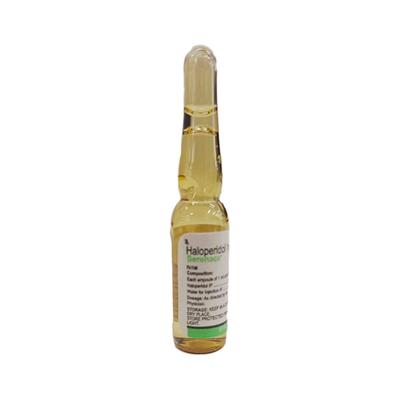
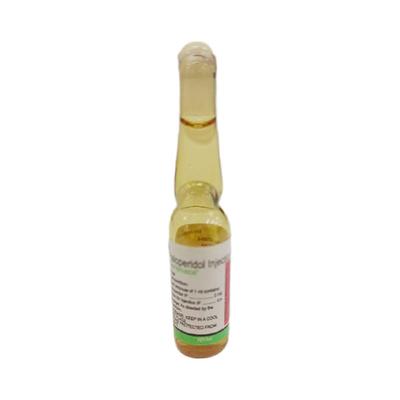
SERENACE INJECTION contains Haloperidol which belongs to the group of medicines called Antipsychotics. It is used to manage mental health problems like schizophrenia, bipolar disorder and behavioural problems which affects the person’s ability to think, feel and behave normally.
SERENACE INJECTION is also used to manage Huntington’s disease (degeneration of nerve cells in the brain) and to manage nausea and vomiting that may occur after a surgery. It can be used alone or in combination with other medicines as well.
Your doctor might want you to take several diagnostic tests before or during your management with SERENACE INJECTION such as ECG (electrocardiogram) or checking the levels of electrolytes such as magnesium or potassium in your blood.
SERENACE INJECTION is not recommended in patients having heart diseases, Parkinson’s disease, Lewy body dementia, progressive supranuclear palsy, or low potassium levels. Before receiving SERENACE INJECTION, inform your doctor if you have kidney problems, liver problems, thyroid problems, blood disorders, depression, bleeding in the brain, prolactin-dependent tumors, or epilepsy.
SERENACE INJECTION should be used with caution in pregnant women only if the potential benefit justifies the potential risk to the baby and is not recommended for use in breastfeeding women. Avoid consumption of alcohol during management with SERENACE INJECTION, as it may have additive side effects and lower the blood pressure.
SERENACE INJECTION is not recommended to use in children and adolescents under 18 years of age and should be used with caution in elderly patients. The most common side effects of receiving SERENACE INJECTION are feeling agitated, difficulty sleeping, headache, dizziness, sleepiness, nausea, vomiting or constipation. Contact your doctor if any of the above symptoms worsen or doesn’t improve.
Uses Of SERENACE INJECTION
Manage:
- schizophrenia
- bipolar disorder
- behavioural problems
- Huntington’s disease
- nausea and vomiting after surgery
How SERENACE INJECTION Works
SERENACE INJECTION contains Haloperidol which is an antipsychotic that works by blocking certain receptors in the brain called dopamine (D2) receptors. This decreases the levels of dopamine, a nerve chemical. Thus, rebalancing dopamine to improve thinking, mood, and behavior.
How to use SERENACE INJECTION
SERENACE INJECTION will be given to you only by a doctor or a nurse into a muscle as an intramuscular injection. Your doctor will decide the correct dose and duration of SERENACE INJECTION for you depending on your age, body weight, and disease condition.
Side Effects Of SERENACE INJECTION
Common
- agitation
- difficulty sleeping or sleepiness
- headache
- delusions (a false belief about the things which are not there)
- hallucinations (perception of feeling, seeing, hearing things that are not there)
- depression
- abnormal muscle tension
- dizziness, including sitting or standing up
- fast or upward eye movements, uncontrollable eye movements
- blurred vision
- low blood pressure
- nausea
- vomiting
- constipation
- dry mouth or increased saliva
- skin rash
- unable to pass urine or completely empty the bladder
- impotence (difficulty in getting and keeping an erection)
- weight gain or loss
- changes in liver function (abdominal pain, nausea, vomiting, dark urine, pale stool, jaundice)
Uncommon
- decreased white blood cells and platelets (fever, bleeding easily)
- confusion
- decreased or loss of libido
- fits (seizures)
- stiff muscles and joints
- muscle spasms, twitching, or contractions
- neck spasm causing the neck to twist on one side
- problems in walking
- shortness of breath
- increased skin sensitivity to sunlight
- itching
- excessive sweating
- changes in the menstrual cycle (periods) (like no periods, or long, heavy, painful periods)
- production of breast milk suddenly, breast pain or discomfort
- high body temperature
- swelling caused by fluid that is build-up in the body
Rare
- difficulty breathing due to narrowed airways
- unable to or difficulty in opening mouth
- high levels of prolactin in blood (changes in menstrual cycle, infertility, menopausal symptoms)
Stop receiving SERENACE INJECTION and contact your physician immediately if you experience any of following side effects:
- neuroleptic malignant syndrome (signs include high fever, severe muscle stiffness, confusion, and loss of consciousness)
- heart problems such as irregular heartbeat, abnormally fast heartbeat, extra heartbeats
- extrapyramidal disorder (problems controlling movements of the body or limbs) (signs include movements of the mouth, tongue, jaw, and sometimes limbs, feeling restless or difficulty sitting, increased body movements, slow or reduced body movements, jerking or twisting movements, muscle tremors or stiffness, a shuffling walk, being unable to move, and lack of normal facial expression)
- severe allergic reaction (signs include a swollen face, lips, mouth, tongue, or throat, difficulty swallowing or breathing, and itchy rash (hives))
- blood clots in the veins, especially in the legs which can move to lungs
How To Manage Side Effects
Nausea:
Stick to simple meals while receiving SERENACE INJECTION. Avoid eating rich or spicy food. Do not take any medication by yourself. Ask for your doctor’s advice if nausea persists or worsen.
Headache:
Try to take rest and don’t involve yourself in exertive activities. Rest in a quiet and dark room. Apply a pain-relieving balm on your forehead. Ask for your doctor’s advice if headache persists or worsen.
Vomiting:
Drink clear or ice-cold drinks. Eat bland, light foods and avoid oily, fried, or sweet foods. Avoid carbonated drinks. Ask for your doctor’s advice if vomiting persists or worsen.
Dizziness:
When you feel dizzy, lie down or sit down immediately. If you're feeling severe episode of spinning(vertigo), lie in a dark and quite place with eyes closed. Try to avoid vehicle driving. Discuss with your doctor if the symptom persists or worsen.
Constipation:
Eat plenty of foods enriched with fibre such as vegetables, fresh fruits, and cereals and drink plenty of water. Exercise more regularly. Ask for your doctor’s advice if constipation persists or worsen.
Dry mouth:
Dry mouth can be managed by chewing sugar-free gum or sucking on sugar-free hard candies to stimulate the flow of saliva. Sip water at regular intervals of time. Do not use mouthwashes that contain alcohol because they can be drying. Ask for your doctor’s advice if dry mouth persists or worsen.
Warning & Precautions

Pregnancy
SERENACE INJECTION should be used with caution in pregnant women only if the potential benefit outweighs the potential risk to the unborn baby. If SERENACE INJECTION is received during third trimester it may cause muscle tremors, stiff or weak muscles, being sleepy or agitated, or problems in breathing or feeding in newborn babies. Consult your doctor before receiving SERENACE INJECTION.

Breastfeeding
SERENACE INJECTION is not recommended for use in breastfeeding women. Consult your doctor before receiving it.

Driving and Using Machines
Do not drive or use machineries if you feel sleepy or have reduced alertness after receiving SERENACE INJECTION.

Alcohol
Avoid consumption of alcohol while receiving SERENACE INJECTION as it may make you sleepy, less alert and lower down the blood pressure.

Kidney
SERENACE INJECTION should be used with caution in patients with kidney diseases. Consult your doctor before receiving it.

Liver
SERENACE INJECTION should be used with caution in patients with liver diseases. Consult your doctor before receiving it.

Allergy
Do not receive SERENACE INJECTION if you are allergic to Haloperidol or any of the other ingredients of this medicine.

Heart Disease
SERENACE INJECTION is not recommended in patients having heart conditions like prolonged QT interval or any other problem with the heart rhythm, heart failure, or recently had a heart attack. SERENACE INJECTION should be used with caution in patients having other heart diseases such as slow heartbeat. Consult your doctor before receiving SERENACE INJECTION.
Others
SERENACE INJECTION is not recommended for use if you have:
- lack of awareness of things around you or unusually slow reactions
- Parkinson’s disease
- Lewy body dementia
- progressive supranuclear palsy (PSP)
- low levels of potassium in blood which is not being manageed
Before receiving SERENACE INJECTION, inform your doctor if you have:
- thyroid problems
- low blood pressure or dizziness while standing up or sitting
- low levels of magnesium or other electrolytes
- bleeding in brain or tendency to have a stroke
- history of blood clots or any of your family member has it
- depression or bipolar disorder
- high levels of prolactin or tumor such as breast-cancer
- epilepsy or ever had fits
- lactose intolerance
Use in pediatrics:
SERENACE INJECTION is not recommended for use in children and adolescents below 18 years of age. Consult your child’s doctor for advice.
Use in geriatrics:
SERENACE INJECTION should be used with caution in elderly patients. Your doctor may adjust your dose depending upon your present condition, age, and body weight. Consult your doctor before receiving SERENACE INJECTION.
Interactions
A. Drug-Drug interactions:
Before receiving SERENACE INJECTION, inform your doctor if you are taking any of the following medicine:
- medicines used to manage heart problems (Ex. amiodarone, dofetilide, disopyramide, dronedarone, ibutilide, quinidine, verapamil, guanethidine, methyldopa, bepridil and sotalol)
- medicine used to manage depression (Ex. citalopram and escitalopram), anxiety or induce sleep (Ex. alprazolam or buspirone)
- medicines used to manage psychoses (Ex. levomepromazine, fluphenazine, perphenazine, pimozide, sertindole, prochlorperazine, promazine, thioridazine, trifluoperazine, triflupromazine, fluvoxamine, duloxetine, fluoxetine, paroxetine, nefazodone, sertraline, St John’s Wort (herbal), or venlafaxine and ziprasidone)
- medicine used to manage bacterial infections (Ex. azithromycin, rifampicin, clarithromycin, erythromycin, levofloxacin, moxifloxacin, and telithromycin)
- medicine used to manage fungal infections (Ex. pentamidine, itraconazole, posaconazole or voriconazole)
- halofantrine (used to manage malaria)
- medicine used to manage nausea and vomiting (Ex. dolasetron, chlorpromazine, promethazine)
- medicine used to manage cancer (Ex. toremifene and vandetanib)
- medicine used to manage pain or drug addiction (Ex. methadone)
- medicine used to manage epilepsy (Ex. carbamazepine, phenobarbital, or phenytoin)
- medicine used to help you leave smoking (Ex. bupropion)
- medicine used to manage Cushing’s syndrome (Ex. ketoconazole)
- medicine used to manage human immunodeficiency virus or HIV (Ex. indinavir, ritonavir, or saquinavir)
- medicines used to manage severe allergic reactions (Ex. adrenaline)
- medicines used to manage attention deficit hyperactivity disorder (ADHD) (Ex. methylphenidate), Parkinson’s diseases (Ex. levodopa)
- medicines used as blood thinners (Ex. phenindione)
Overdosage:
SERENACE INJECTION will be administered to you only by a doctor or a nurse in a hospital, and so it is unlikely to receive an overdose. However, inform your doctor immediately if you experience any unusual symptoms while receiving SERENACE INJECTION such as extrapyramidal reactions (problem controlling movements of the body), low blood pressure, and sedation.
Synopsis
| Drug | : |
Haloperidol |
| Pharmacological Category | : |
Antipsychotic |
| Therapeutic Indication | : |
Management of mental health problems |
| Dosage Forms | : |
Tablet, Injection, Syrup, Liquid |
More Information
- Keep SERENACE INJECTION out of reach of children
- Store SERENACE INJECTION at a temperature, not more than 25°C
FAQs About SERENACE INJECTION
Can SERENACE INJECTION cause headaches?
Yes. Headache is one of the most common side effects of receiving SERENACE INJECTION. Keep yourself hydrated by drinking more fluids such as water or electrolytes. If needed apply a pain-relieving balm on the forehead. Avoid consumption of alcohol. If the symptoms do not improve or persist, please consult your doctor for advice.
Is driving a car safe after receiving SERENACE INJECTION?
SERENACE INJECTION may impair the mental and/or physical abilities. Do not drive or operate any machines if you feel sleepy or have reduced alertness receiving SERENACE INJECTION. You can resume doing your activities as soon as you feel normal again.
Is SERENACE INJECTION safe for use in elderly patients?
SERENACE INJECTION should be used with caution in elderly patients. Your doctor may adjust your dose depending upon your present condition, age and body weight. Some serious side effects have been reported in elderly patients having dementia. Consult your doctor before receiving SERENACE INJECTION.
Can I stop receiving SERENACE INJECTION on my own?
Do not stop receiving SERENACE INJECTION until and unless you are told by your doctor to do so. Stopping management suddenly may cause side effects such as nausea, vomiting, or difficulty in sleep. Ask for your doctor’s advice if you wish to discontinue your management with SERENACE INJECTION.
Do I need to undergo any diagnostic tests before or while being managed with SERENACE INJECTION?
Your doctor might want you to take several diagnostic tests before or during your management with SERENACE INJECTION such as ECG (electrocardiogram) or checking the levels of electrolytes such as magnesium or potassium in your blood.
References
1. KD. Tripathi. Antipsychotic and Antimanic Drugs. Essentials of medical pharmacology. Eighth edition. 2019. Page – 467.
2. Ibrahem Hanafi, Subhi Arafat, Lin Al Zayed, Majd Sukkar, Abdullah Albeirakdar, Dima Krayem, and Adib Essali. Haloperidol (route of administration) for people with schizophrenia. NIH National Library of Medicine National Centre for Biotechnology. Pubmed Central. October 2017. [Accessed on 3rd September 2022] https://www.ncbi.nlm.nih.gov/pmc/articles/PMC6485536/
3. Sajedur Rahman, Raman Marwaha. NIH National Library of Medicine National Centre for Biotechnology. Statpearls. Haloperidol. [Revised in July 2022]. [Accessed on 3rd September 2022] https://www.ncbi.nlm.nih.gov/books/NBK560892/
4. Keith Kleinman. Haloperidol. Science Direct. [Accessed on 3rd September 2022] https://www.sciencedirect.com/topics/medicine-and-dentistry/haloperidol
5. Braun Melsungen AG. Electronic Medicines Compendium (EMC). [Revised in December 2018] [Accessed on 3rd September 2022] https://www.medicines.org.uk/emc/files/pil.514.pdf
6. Sagent Pharmaceuticals. Haloperidol Injection. [Revised in December 2020] [Accessed on 3rd September 2022] https://www.sagentpharma.com/wp-content/uploads/2021/06/Haloperidol-Lacate-Package-Insert_December-2020.pdf
7. Sagent Pharmaceuticals.Haloperidol Injection.[Accessed on 3rd September 2022] https://www.sagentpharma.com/wpcproduct/haloperidol-injection-usp/
Useful Diagnostic Tests
- Electrocardiogram (ECG)
- Serum electrolytes
- EEG (Electroencephalogram)
Author Details

