






Netmeds First Membership
Quick Links
Introduction About GLYCOMET 250MG TABLET
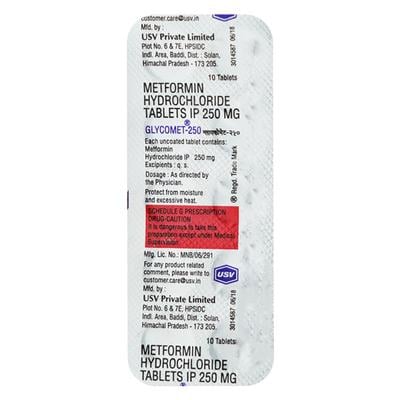
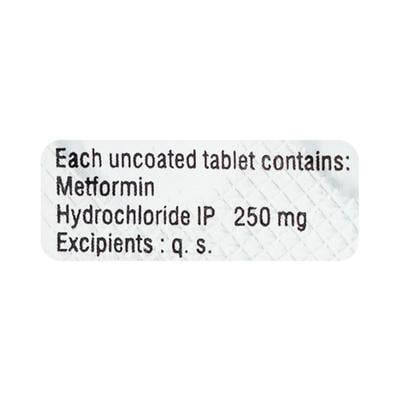
Glycomet 250mg Tablet is an effective medication used to manage blood sugar levels in patients with type 2 diabetes. It contains Metformin, a widely used drug for diabetes control.
It is recommended to take Glycomet 250mg tablet with food to reduce nausea and abdominal discomfort. To get the most benefit, take it consistently at the same time every day. Do not stop taking this medication unless advised by your doctor. Managing your lifestyle is crucial in controlling diabetes, so it is important to follow the diet and exercise plan prescribed by your doctor while taking this medicine.
Common side effect of this medication includes nausea, vomiting, stomach upset, diarrhea, abdominal bloating, indigestion, weakness, headache, and loss of appetite. Some individuals may experience hypoglycemia (low blood sugar) when this medication is taken in combination with other antidiabetic drugs or alcohol or if a meal is skipped. It is important to monitor your blood sugar levels regularly while taking this medication.
Before taking this medication, make sure to inform your doctor if you have any kidney, liver, or heart problems. Pregnant or breastfeeding women should consult their doctor before taking this medicine. Your doctor will conduct kidney function tests before beginning management. It is also important to avoid excessive alcohol consumption, as it may increase the chance of certain side effects.
Uses Of GLYCOMET 250MG TABLET
- Type 2 diabetes mellitus
Benefits of GLYCOMET 250MG TABLET
01) Helps in Reducing High Blood Sugar Levels:
Glycomet is primarily used to manage type 2 diabetes by lowering blood glucose levels. It helps control high blood sugar by improving insulin sensitivity and reducing glucose production in the liver.
02) Improves Insulin Sensitivity:
Metformin works by making the body’s tissues more responsive to insulin, which in turn helps the body use glucose more effectively, reducing insulin resistance.
03) Reduce Long-Term Complications of Diabetes:
By keeping blood sugar levels within a target range, Glycomet helps reduce complications such as kidney disease, nerve damage, eye problems, and heart disease that are associated with poorly controlled diabetes.
How GLYCOMET 250MG TABLET Works
Glycomet 250mg tablet, which contains Metformin as its active ingredient, works by improving the body's sensitivity to insulin and reducing the amount of glucose produced by the liver. It helps the body utilize insulin more effectively, thereby lowering blood sugar levels. Metformin also decreases the absorption of glucose from the intestines, leading to further reduction in blood sugar levels after meals. By these mechanisms, Glycomet helps to control blood glucose in individuals with type 2 diabetes, reducing the long-term complications associated with uncontrolled blood sugar.
How to use GLYCOMET 250MG TABLET
Follow your doctor's instructions regarding the exact dosage. Do not exceed the recommended daily dosage.
How to Take Glycomet 250mg Tablet?
- Glycomet is typically taken with meals to reduce stomach upset.
- Swallow the tablet whole with a glass of water. Do not crush or chew the medication.
- For best results, take the tablet at the same time each day.
Recommended Dosage of Glycomet 250mg Tablet:
- The usual starting dose of Glycomet is 250mg once or twice a day with meals.
- Your doctor may gradually increase the dosage based on your blood sugar levels.
What if I forgot to take GLYCOMET 250MG TABLET
If you miss a dose of Glycomet, take it as soon as you remember, unless it is almost time for your next dose. In that case, skip the missed dose and continue with your regular dosing schedule. Do not take two doses at once to make up for a missed dose.
Overdose
If you or anyone else accidentally takes more Glycomet 250mg, consult your doctor immediately or visit the nearby hospital. Symptoms of overdose are nausea vomiting, stomach pain with muscle cramps, feeling generally unwell with severe tiredness and difficulty in breathing. In severe cases, lactic acidosis may occur, which is a medical emergency. If you suspect an overdose, seek immediate medical attention, or contact your doctor immediately.
Side Effects Of GLYCOMET 250MG TABLET
Like all medicines, Glycomet 250mg tablet may cause certain side effects in some individuals, although not everybody gets them.
The most common side effects of taking Glycomet 250mg tablet are:
- Nausea
- Vomiting
- Stomach upset
- Diarrhea
- Abdominal bloating
- Indigestion
- Weakness
- Headache
- Loss of appetite
When to consult your doctor?
- Lactic Acidosis symptoms such as unusual tiredness, weakness, or muscle pain, difficulty breathing, unexplained stomach discomfort, nausea, or vomiting, slow or irregular heartbeat, dizziness or feeling lightheaded
- Severe Hypoglycemia (Low Blood Sugar) symptoms such as shaking, sweating, confusion or difficulty concentrating, irritability, rapid heartbeat, dizziness
- Allergic Reactions symptoms such as swelling of the face, lips, tongue, or throat, difficulty breathing, rash or itching, severe dizziness
- Kidney or liver problems symptoms such as unusual changes in urine output or color, yellowing of the skin or eyes (jaundice), dark urine, persistent abdominal pain
- Severe Stomach or Digestive symptoms such as severe vomiting or diarrhea, persistent stomach pain
- Vitamin B12 Deficiency symptoms such as fatigue, weakness, tingling sensations, or cognitive problems
How To Manage Side Effects

Diarrhea
- Drink Fluids: Drink clear fluids such as water, broths, and oral rehydration solutions (ORS).
- Electrolytes: If you are losing a lot of fluids (for example, from frequent diarrhea), consider drinking an electrolyte solution to help replenish lost minerals like potassium and sodium.
- BRAT Diet: Try to take Bananas, Rice (white rice), Apple sauce and Toast (plain, without butter) to control diarrhoea management.
- Avoid Certain Foods: While recovering avoid the following food items such as fatty, greasy, or fried foods, spicy foods, dairy products (especially if you have a temporary lactose intolerance), caffeinated drinks and alcohol and artificial sweeteners like sorbitol.
- Over-the-Counter Medications: You can take over-the-counter anti-diarrheal medications such as loperamide, Bismuth subsalicylate if appropriate for you. Follow the recommended dosage.

Nausea And Vomiting
- Eat Small, Frequent Meals: Avoid heavy or greasy foods. Opt for bland foods like crackers, toast, or bananas.
- Stay Hydrated: Sip on clear fluids like water, ginger tea, or electrolyte drinks, Avoid caffeinated and carbonated beverages.
- Ginger: Ginger is a natural remedy for nausea. Try ginger tea, ginger candies, or ginger ale (ensure it contains real ginger).
- Avoid Strong Odors: Minimize exposure to smells that might trigger nausea, such as perfumes or cooking odors.
Warning & Precautions

Pregnancy
Consult your doctorThere is limited information available regarding the use of Glycomet 250mg tablet during pregnancy. It is important to consult your doctor before taking this medication.

Breastfeeding
Consult your doctorThere is limited information available regarding the use of Glycomet 250mg tablet during breastfeeding women. It is important to consult your doctor before taking this medication.

Driving and Using Machines
Use with CautionAvoid driving or operating heavy machinery if the medication affects your ability to do so.

Alcohol
Consult your doctorIt is recommended to avoid alcohol consumption while taking Glycomet 250mg tablet, as it may increase the risk of experiencing undesirable side effects.

Kidney
ContraindicatedGlycomet 250mg tablet is not recommended for use in patients with severe kidney problems. Please consult your doctor before taking it.

Liver
Consult your doctorGlycomet 250mg tablet is not recommended for use in patients with severe liver problems and should be used with caution in patients with other liver problems. Please consult your doctor before taking it.

Allergy
ContraindicatedDo not take this medication if you are allergic to metformin or any other ingredients of this medicine.

Lungs
ContraindicatedGlycomet 250mg tablet is not recommended for use in patients with severe infection of lungs or respiratory tract. Please consult your doctor before taking it.

Heart Disease
ContraindicatedGlycomet 250mg tablet is not recommended for use in patients with heart problems (such as acute heart failure or a recent heart attack). Please consult your doctor before taking it.

Use In Pediatrics
Consult your doctorGlycomet 250mg tablet typically is not recommended for children without a pediatrician advice. Consult your pediatrician before giving it.

Use In Geriatrics
Use with CautionGlycomet 250mg tablet should be used with caution in elderly patients (aged 65 years or above). Please consult your doctor before taking it.
Other Warnings for GLYCOMET 250MG TABLET
Before taking Glycomet 250mg tablet, inform your doctor if you:
- are about to have any X-ray or scan
- are about a have a major surgery
- are in fasting
Who should not take [GBNKEYWORD
Glycomet 250mg tablet is not recommended for use if you:
- have severe, uncontrollable diabetes
- have lactic acidosis or ketoacidosis
- are dehydrated
- have any systemic infection
- have shock or problems in blood circulation
- have breathing problems
- are an alcoholic
Safety Advice
- Follow your doctor's instructions regarding the exact dosage.
- Do not exceed the recommended daily dosage.
- Glycomet is typically taken with meals to reduce stomach upset.
- Swallow the tablet whole with a glass of water. Do not crush or chew the medication.
- For best results, take the tablet at the same time each day.
- Monitor your blood glucose levels regularly as instructed by your doctor. While metformin helps control blood sugar, it is important to track your levels to keep them stable.
- Drinking excessive amounts of alcohol while taking Metformin can raise the risk of lactic acidosis. It is advisable to either limit alcohol consumption or avoid it entirely.
- Let your doctor know if you have kidney problems or liver problems.
- Let your doctor know If you are pregnant or planning to become pregnant or breastfeeding women.
- Let your doctor know about all other medications you are taking, including over-the-counter drugs, supplements, or herbal products. Certain medications may interact with Glycomet and lead to complications.
- Make sure to stay hydrated, as dehydration can heighten the risk of side effects such as lactic acidosis.
- Do not suddenly stop taking the medication without consulting your doctor, as this can lead to uncontrolled blood sugar levels.
- Make sure to keep regular follow-up appointments with your doctor to track your progress and adjust your medication as needed.
Diet and Lifestyle Advice
What are some dietary recommendations for diabetic patients taking Glycomet 250mg tablet to help manage their blood sugar levels? What foods should they eat or avoid?
|
Food Category |
Foods to Eat |
Foods to Avoid |
|
Carbohydrates |
Whole grains (brown rice, quinoa, oats) |
Refined carbs (white bread, sugary cereals) |
|
Legumes (lentils, chickpeas, beans) |
Sugary foods (cakes, pastries, candy, soda) |
|
|
Non-starchy vegetables (spinach, broccoli, kale) |
Fried foods (potato fries, fried snacks) |
|
|
Sweet potatoes (in moderation) |
White potatoes (high glycemic index) |
|
|
Proteins |
Lean proteins (chicken, turkey, fish) |
Fatty cuts of meat (bacon, sausages, red meat) |
|
Plant-based proteins (tofu, tempeh, edamame) |
Processed meats (hot dogs, deli meats) |
|
|
Healthy Fats |
Nuts, seeds, and avocados |
Saturated fats (butter, lard, full-fat dairy) |
|
Olive oil, coconut oil (in moderation) |
Trans fats (margarine, packaged snacks) |
|
|
Fruits |
Berries (strawberries, blueberries, raspberries) |
High-sugar fruits (grapes, watermelon, mango) |
|
Apples, pears, citrus fruits (in moderation) |
Fruit juices with added sugar |
|
|
Dairy |
Low-fat or fat-free dairy (yogurt, milk) |
Full-fat dairy products (cheese, cream, whole milk) |
|
Beverages |
Water, unsweetened herbal tea, black coffee |
Sugary drinks (sodas, sweetened coffee/tea) |
|
Unsweetened almond milk or soy milk |
Alcohol in excess (can affect blood sugar levels) |
What types of physical activities can help in managing blood sugar levels for individuals taking Glycomet 250mg tablet?
|
Activity Type |
Exercise Example |
Duration |
Frequency |
Benefits for Blood Sugar Control |
|
Aerobic Exercise |
Walking, jogging, swimming, cycling |
30-45 minutes per session |
3-5 times per week |
Improves insulin sensitivity, enhances glucose uptake by muscles, and helps control body weight, reducing blood sugar levels. |
|
Strength Training |
Weightlifting, resistance bands, bodyweight exercises (squats, push-ups) |
20-30 minutes per session |
2-3 times per week |
Builds muscle mass, which helps improve insulin sensitivity and aids in blood sugar regulation. |
|
Flexibility Exercises |
Yoga, stretching, tai chi |
20-30 minutes per session |
3-4 times per week |
Reduces stress, improves circulation, and can contribute to better blood sugar control by promoting relaxation. |
|
High-Intensity Interval Training (HIIT) |
Short bursts of intense exercise (e.g., sprints) followed by rest |
15-20 minutes per session |
2-3 times per week |
Increases insulin sensitivity and may have a stronger effect on reducing blood glucose levels in a shorter time. |
|
Low-Impact Exercise |
Cycling, swimming, walking |
30-45 minutes per session |
4-5 times per week |
Good for people with joint problems or mobility issues. It improves cardiovascular health and stabilizes blood sugar levels. |
|
Balance Exercises |
Tai chi, balance drills (e.g., standing on one foot) |
10-20 minutes per session |
2-3 times per week |
Improves coordination, reduces falls, and indirectly benefits metabolic function, including blood sugar control. |
Drug - Drug interaction
Inform your physician if you are taking any of the following medicine before taking Glycomet 250mg tablet:
1. Insulin and Other Oral Hypoglycemics
• Interaction: Combining Glycomet 250mg with insulin or other oral hypoglycemics (such as sulfonylureas) can increase the risk of hypoglycemia (low blood sugar) due to enhanced insulin secretion and glucose uptake.
• Effect: The combination may cause an increased risk of hypoglycemia, leading to symptoms such as dizziness, sweating, confusion, shakiness, and in severe cases, loss of consciousness or coma.
• Management: Close monitoring of blood glucose levels is essential to minimize the risk of hypoglycemia. Dosage adjustments for insulin or other hypoglycemics may be necessary, particularly in situations where fasting, heavy physical activity, or changes in diet occur. Patients should be educated to recognize early signs of hypoglycemia and have access to glucose or other fast-acting carbohydrates to counteract low blood sugar.
2. Diuretics (Water Pills)
• Interaction: Diuretics, especially thiazide diuretics, can reduce the effectiveness of Glycomet 250mg by causing dehydration or electrolyte imbalances, which may lead to reduced renal function.
• Effect: The combination may result in elevated blood glucose levels, making diabetes harder to manage and increasing the risk of hyperglycemia.
• Management: Close monitoring of blood glucose levels and kidney function is essential when taking Glycomet with diuretics. Dose adjustments may be needed based on glucose control. Adequate hydration should be maintained, and electrolyte levels should be regularly checked.
3. ACE Inhibitors (Angiotensin-Converting Enzyme Inhibitors)
• Interaction: ACE inhibitors (like enalapril or lisinopril) can enhance the glucose-lowering effect of Glycomet 250mg by improving insulin sensitivity and reducing blood pressure.
• Effect: The combination can increase the risk of hypoglycemia, especially in patients with kidney issues or those already on multiple medications.
• Management: Patients should be closely monitored for any signs of hypoglycemia. Dosage adjustments may be necessary. Monitoring of kidney function and blood pressure is also important.
4. Corticosteroids (e.g., Prednisone)
• Interaction: Taking Glycomet 250mg with corticosteroids may reduce the effectiveness of the medication by increasing blood sugar levels. Corticosteroids can induce insulin resistance, counteracting the blood sugar-lowering effects of Glycomet.
• Effect: The combination may lead to hyperglycemia (high blood sugar), which could result in complications like increased thirst, frequent urination, and potential long-term effects on organ health.
• Management: Close monitoring of blood glucose levels is crucial, and adjustments to Glycomet dosage may be necessary. Regular follow-up with healthcare providers is recommended to ensure proper blood sugar control.
5. Cimetidine (Histamine-2 Receptor Antagonists)
• Interaction: Cimetidine can interfere with the metabolism of Glycomet 250mg, potentially increasing its concentration in the blood.
• Effect: Higher levels of metformin may increase the risk of side effects such as gastrointestinal disturbances or, in rare cases, lactic acidosis.
• Management: When taking both drugs together, careful monitoring for adverse effects is necessary. Dosage adjustments for Glycomet may be required based on renal function and overall tolerance.
6. Contrast Agents (for Imaging Tests)
• Interaction: Use of contrast agents (such as iodinated contrast used in CT scans) can lead to temporary kidney dysfunction, increasing the risk of lactic acidosis when combined with Glycomet 250mg.
• Effect: Impaired kidney function may reduce the clearance of metformin, leading to a dangerous buildup of lactic acid.
• Management: If a contrast agent is required, Glycomet should generally be discontinued at least 48 hours before the procedure and resumed only after kidney function is reassessed and found to be normal.
Synopsis
| Drug | : | Metformin |
| Pharmacological Category | : | Biguanides |
| Therapeutic Indication | : | Type II Diabetes mellitus |
| Dosage Forms | : | Tablet |
More Information
a) Glycomet 250mg tablet Vs Glucophage tablet
|
Feature |
Glycomet 250mg Tablet |
Glucophage Tablet |
|
Active Ingredient |
Metformin Hydrochloride |
Metformin Hydrochloride |
|
Strength |
250mg |
500mg, 850mg, 1000mg |
|
Indication |
Type 2 Diabetes |
Type 2 Diabetes |
|
Mechanism of Action |
Decreases hepatic glucose production, increases insulin sensitivity, and enhances glucose uptake in peripheral tissues |
Decreases hepatic glucose production, increases insulin sensitivity, and enhances glucose uptake in peripheral tissues |
|
Dosage Form |
Oral Tablet |
Oral Tablet |
|
Side Effects |
Nausea, diarrhea, abdominal discomfort, lactic acidosis (rare) |
Nausea, diarrhea, abdominal discomfort, lactic acidosis (rare) |
|
Bioavailability |
Similar to Glucophage |
High bioavailability |
|
Efficacy |
Comparable to Glucophage in controlling blood sugar |
Standard in managing blood sugar levels in Type 2 diabetes |
|
Approval Status |
Approved in India, many other countries |
Approved globally, including USA and Europe |
|
Duration of Action |
12-24 hours depending on dose |
12-24 hours depending on dose |
|
Why Glycomet 250mg Stands Out |
- More affordable alternative to Glucophage for the same active ingredient |
- As a branded medication, it may be preferred for patients who rely on brand-specific medications due to trust or physician preference |
Why Glycomet 250mg Tablet Stands Out:
- Affordability: Glycomet 250mg is often a more cost-effective option compared to Glucophage due to being a generic brand. This makes it more accessible, especially for long-term use.
- Similar Efficacy: The active ingredient (metformin hydrochloride) is the same as Glucophage, and Glycomet provides similar therapeutic outcomes for managing Type 2 diabetes.
- Trusted Quality: Despite being a generic, Glycomet is produced by well-regarded pharmaceutical companies and complies with stringent manufacturing standards.
b) Glycomet 250mg tablet Vs Januvia tablet
|
Criteria |
Glycomet 250mg Tablet |
Januvia (Sitagliptin) |
|
Generic Name |
Metformin |
Sitagliptin |
|
Brand Name |
Glycomet |
Januvia |
|
Drug Class |
Biguanide |
DPP-4 Inhibitor |
|
Indication |
Type 2 Diabetes Mellitus |
Type 2 Diabetes Mellitus |
|
Mechanism of Action |
Reduces hepatic glucose production, increases insulin sensitivity, and enhances peripheral glucose uptake |
Inhibits DPP-4 enzyme, increasing insulin release and decreasing glucagon levels after meals |
|
Dosage |
250mg (adjustable based on response, up to 2000-2500mg/day) |
Typically 100mg once a day |
|
Administration |
Oral (with food to reduce GI upset) |
Oral (can be taken with or without food) |
|
Common Side Effects |
Gastrointestinal upset (nausea, diarrhea), lactic acidosis (rare), vitamin B12 deficiency |
Upper respiratory tract infection, headache, pancreatitis (rare) |
|
Contraindications |
Renal impairment, acute or chronic metabolic acidosis, hypersensitivity to metformin |
Hypersensitivity to sitagliptin, severe renal impairment (eGFR < 30) |
|
Efficacy |
Reduces HbA1c by approximately 1.5% to 2.0% |
Reduces HbA1c by approximately 0.5% to 0.7% |
|
Onset of Action |
2-3 hours, full effect after several days to weeks |
1-2 hours (sitagliptin has a half-life of 12.4 hours) |
|
Weight Effect |
Generally weight-neutral or modest weight loss |
Weight-neutral or may cause slight weight gain |
|
Heart and Kidney Safety |
Safe for most patients with mild-to-moderate kidney issues (adjust dosage as needed) |
Caution in patients with renal impairment; dose adjustment required |
|
Additional Benefits |
May improve lipid profile, reduce cardiovascular risk |
May provide cardiovascular benefits (based on trials) |
|
Special Considerations |
Often prescribed first-line treatment for Type 2 Diabetes |
More suitable for patients who cannot tolerate metformin or with specific contraindications |
Why Glycomet 250mg Tablet Stands Out:
- Lower Cost: Glycomet (Metformin) is generally more affordable compared to Januvia, making it a cost-effective first-line management for type 2 diabetes.
- Proven Track Record: Metformin has been used for decades, with a strong history of efficacy in managing blood glucose and improving insulin sensitivity. It is widely recognized as the standard of care in type 2 diabetes management.
- Comprehensive Benefits: Glycomet not only lowers blood sugar but also offers benefits like improving lipid profiles, aiding in weight management, and potentially reducing the risk of cardiovascular complications.
- No Risk of Hypoglycemia: Unlike some diabetes medications, Glycomet does not typically cause low blood sugar (hypoglycemia) when used alone.
- Broad Applicability: Glycomet is often prescribed to patients with mild-to-moderate kidney function, whereas Januvia requires closer monitoring or dose adjustments in patients with renal impairment.
FAQs About GLYCOMET 250MG TABLET
Q: What is Glycomet 250mg tablet used for?
A: Glycomet 250mg tablet is commonly prescribed for managing type 2 diabetes. It helps control blood sugar levels by improving the body's response to insulin.
Q: How does Glycomet 250mg work?
A: Glycomet contains Metformin, which works by reducing the amount of sugar produced by the liver, decreasing the absorption of sugar from the intestines, and improving insulin sensitivity in the body.
Q: What are the common side effects of Glycomet 250mg tablet?
A: Some common side effects of Glycomet 250mg may include nausea, diarrhea, stomach pain, or a metallic taste. These usually improve with continued use. However, severe side effects like lactic acidosis are rare but need immediate medical attention.
Q: How should Glycomet 250mg be taken?
A: Glycomet 250mg should be taken with food to reduce the chances of stomach upset. Follow your doctor’s instructions on the dosage, and never adjust the dose without consulting them.
Q: Can I take Glycomet 250mg with other medications?
A: Glycomet 250mg may interact with other medications, including blood pressure drugs, diuretics, and corticosteroids. Always inform your doctor of any other medications or supplements you are taking.
Q: Can Glycomet 250mg be used for weight loss?
A: While Glycomet 250mg is not prescribed as a weight loss drug, it has been known to sometimes result in modest weight loss or reduce weight gain in individuals with type 2 diabetes.
Q: What to do if I miss a dose of Glycomet 250mg?
A: If you miss a dose of Glycomet 250mg, take it as soon as you remember unless it’s almost time for your next dose. Never double the dose to make up for a missed one.
Q: How long does it take for Glycomet 250mg to show effects?
A: The effects of Glycomet 250mg can be noticed within a few days to weeks, but it may take longer to achieve optimal blood sugar control. It is essential to monitor your blood glucose levels regularly.
Q: Can Glycomet 250mg cause hypoglycemia?
A: Glycomet 250mg typically does not cause hypoglycemia (low blood sugar) on its own. However, it may occur if combined with other diabetes medications like insulin or sulfonylureas.
Q: Can Glycomet be used for Type 1 Diabetes?
A: No, Glycomet is typically used for Type 2 diabetes, not Type 1 diabetes. Type 1 diabetes requires insulin therapy.
Q: How should Glycomet be stored?
A: Store Glycomet at room temperature, away from heat and moisture. Keep it in its original packaging and out of reach of children.
Q: Is it safe to drive while taking Glycomet?
A: Yes, Glycomet generally does not affect your ability to drive. However, if you feel dizzy or unwell, avoid driving and consult your doctor.
Q: Can I stop taking Glycomet once my blood sugar is under control?
A: You should not stop taking Glycomet without consulting your doctor. Your doctor may adjust your management plan based on your blood sugar levels.
References
1. KD. Tripathi. Insulin, Oral Hypoglycaemic Drugs and Glucagon. Essentials of medical pharmacology. Seventh edition. 2013. Page – 275.
2. Calette Corcoran; Tibb F. Jacobs. Metformin. StatPearls. NIH. National Library of Medicine. National center for biotechnology information. PMC. PubMed Central. [Revised on May 2022]. [Accessed on 26th March 2025] 
3. Shuyan Gu, Jihao Shi, Zhiliu Tang, Monika Sawhney, Huimei Hu, Lizheng Shi, Vivian Fonseca, Hengjin Dong. Comparison of Glucose Lowering Effect of Metformin and Acarbose in Type 2 Diabetes Mellitus: A Meta-Analysis. PLOS ONE. May 2015. [Accessed on 26th March 2025] 
4. Milpharm Limited. Electronic Medicines Compendium (EMC). [Revised in June 2020] [Accessed on 26th March 2025]
5. Rx Farma Limited. Electronic Medicines Compendium (EMC). [Revised in September 2019] [Accessed on 26th March 2025]
6. Merck Santé S.A.S. U.S. Food & Drug Administration. [Revised in April 2017] [Accessed on 26th March 2025]
7. Franco Indian Pharmaceuticals Pvt Ltd. GLYCIPHAGE® GLYCIPHAGE 850® GLYCIPHAGE 250®TABLETS. (ORAL ANTI-HYPERGLYCEMIC AGENT). [Accessed on 26th March 2025]
Author Details