We agree that chocolates, wine, and yummy treats are staples that can make your Valentine’s Day Dinner special. But do you know that adding certain foods to your menu can trigger the production of Oxytocin – often referred to as the love hormone!
Produced in the hypothalamus, a part of the brain, oxytocin is a hormone and neurotransmitter that plays a major role in spicing up your sexual desires, helps in building stronger relationships and boosts empathy. Researchers believe that there is a strong correlation between the amount of oxytocin present and the intensity of an orgasm in a woman’s body.
And if you are looking forward to increasing your levels of oxytocin on this very special day, add the following to your shopping list right away.
Figs
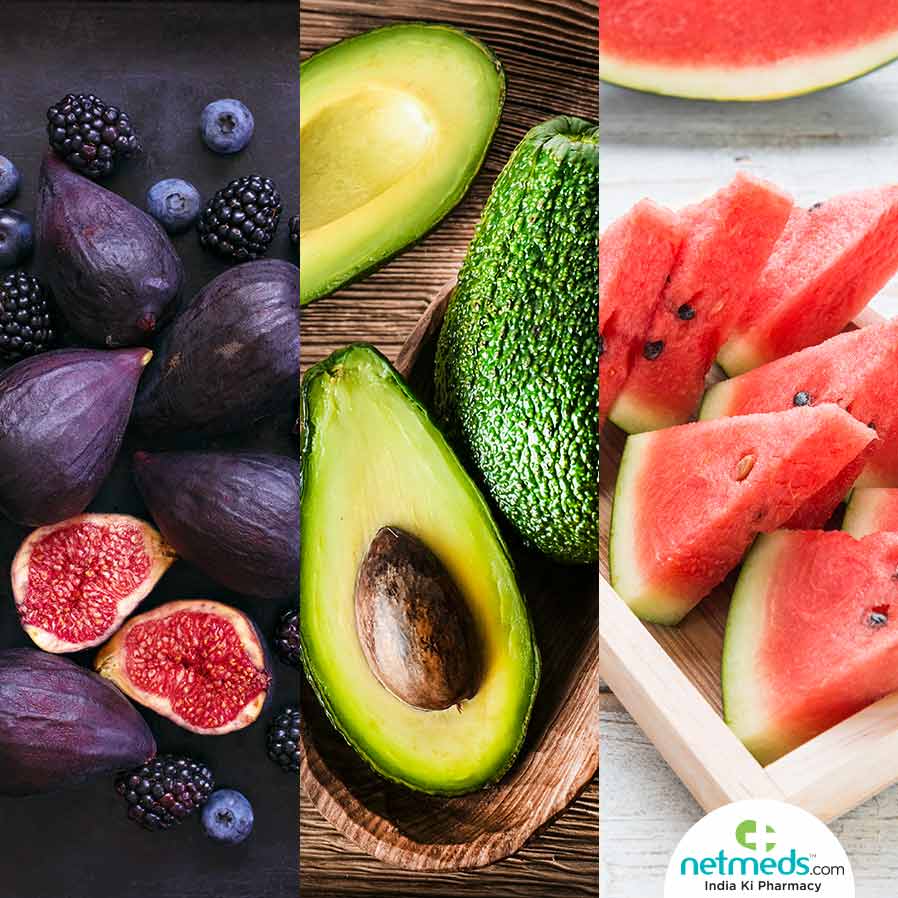
Fig is known for increasing libido instantly. The richness of amino acids in figs improves sexual health, stamina by triggering the levels of nitric oxide in the body.
Avocados
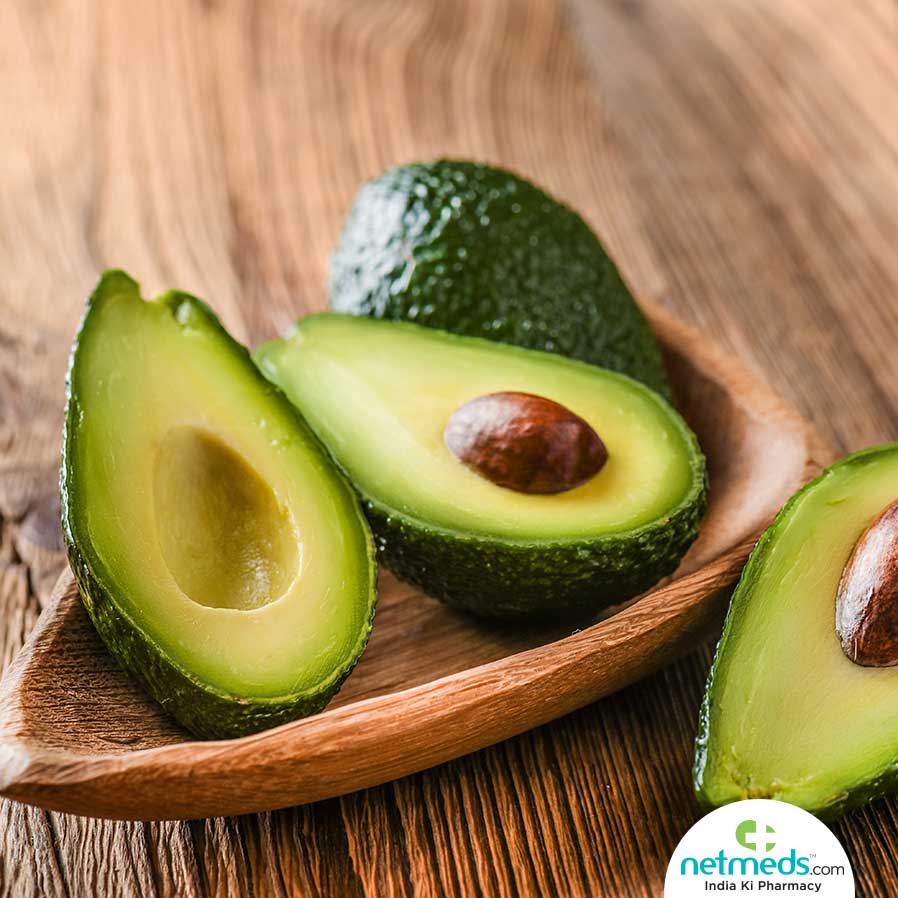
The buttery avocado plays a crucial role in boosting energy and sexual drive. Avocados are beneficial for both men and women as they are loaded with all essential fats, vitamins and minerals.
Watermelon
Watermelon is called a natural Viagra by researchers, as it is loaded with citrulline, an amino acid which can relax and dilate blood vessels, improving blood flow to the extremities, leading to heightened sexual pleasure.
Spinach
The abundance of magnesium in spinach lowers inflammation and increases blood flow, which helps men improve their vitality.
Green Tea
Green tea is the perfect beverage to spice up your sexual drive. The three magical components in green tea, such as caffeine, theanine, and ginseng, help boost libido and improve sexual health.
Orange Juice
Packed with Vitamin C, it is a vital antioxidant that helps improve the levels of the love hormone, enhance mood and increase sexual wellness.
Extra Virgin Olive Oil
This oil is rich in dietary fat, which stimulates oxytocin neurotransmitters that help in reducing stress and improving vitality in men and women.
Broccoli
One of the highest sources of Vitamin C, this essential vitamin boosts oxytocin production, which is important for lovemaking, orgasm and lactation.
Dark Chocolate
Extremely rich in magnesium, dark chocolate helps to release oxytocin hormones from the hypothalamus. Magnesium further helps oxytocin receptors to function well in the body to improve sexual health.
Chamomile Tea
Flower extracts of this tea activate dopamine, serotonin, and oxytocin, which induce sleep and improve the levels of this hormone for an increased sexual desire.
Chia Seeds
Rich sources of healthy saturated fats, these tiny seeds improve oxytocin-deficiency symptoms and increase sexual appetite.
Foods For Her
Coffee is a great drink that can boost libido in women by balancing hormones and increasing sexual desire.
Foods For Him
Nutty almonds are abundant in omega 3 fatty acids, and they trigger the production of sex hormone testosterone in men and improve the quality and vitality of the sperm. Pumpkin seeds, high in zinc, too, can help boost libido.
Frequently Asked Questions
Dark chocolate
Avocados
Bananas
Nuts and seeds are rich in magnesium and zinc.
Fatty fishlike salmon, are loaded with omega-3s help brain signalling.
Foods rich in vitamin D and vitamin C.
Physical touch, like hugs, cuddling, massages, and even holding hands.
Bonding activities, such as spending quality time with loved ones or pets.
Acts of kindness, doing something nice for someone, can trigger oxytocin.
Eye contact and smiling are simple but powerful for connection.
Listening to music or singing together boosts mood and bonding.
Meditation, deep breathing, or gratitude practices help calm stress and increase oxytocin naturally.
Difficulty bonding or trusting others.
Feeling anxious, lonely, or socially withdrawn.
Low empathy or emotional connection.
Trouble with intimacy or reduced sexual satisfaction.
Increased stress or irritability.
In some cases, difficulty with lactation in new mothers.
What Foods Are High In Oxytocin?
There are no specific foods that directly contain oxytocin, since it’s a hormone produced in your brain the hypothalamus). However, some foods are linked to supporting oxytocin release and overall “feel-good” brain chemistry. These include:
How To Increase Oxytocin (Love Hormone)?
You do not need any pills for this; modifying daily habits can give oxytocin a boost:
Which Fruit Has Oxytocin?
No fruit contains oxytocin, but some fruits may help your body release it more easily because they support brain and hormone health. Bananas, avocados, and figs are often linked to oxytocin release since they provide key nutrients like magnesium, potassium, and antioxidants.
What Are The Signs Of Low Oxytocin?
Low oxytocin levels can sometimes show up as:
What Are The Signs Of High Oxytocin?
Too much oxytocin is not always a good thing either. Signs can include:
Over-attachment or excessive need for closeness.
Lowered ability to detect social risks.
In rare cases, oxytocin imbalance may contribute to emotional over-dependence.
Physical signs may include increased feelings of relaxation and warmth, sometimes drowsiness.
(This article is reviewed by Kalyani Krishna, Chief Content Editor)
Author Profile:
M Sowmya Binu
With over 15 years of expertise and a Postgraduate degree in Nutrition, M Sowmya Binu is a seasoned professional in the field of nutrition. Specialising in tailoring personalised diet plans, she underscores the significance of a balanced approach to health, emphasising the integration of medication with dietary intake for holistic wellness. Passionate about equipping individuals with knowledge to make informed decisions, Sowmya adeptly develops insightful content encompassing a wide array of topics, including food, nutrition, supplements, and overall health.
References:
Oxytocin and Food Intake Control: Neural, Behavioral, and Signaling Mechanisms
Clarissa M Liu 1,2, Mai O Spaulding 3, Jessica J Rea 1,2, Emily E Noble 3,*, Scott E Kanoski 1,2,*
Editors: Jaroslav Kuneš, Lenka Maletinska, Blanka Železná
https://pmc.ncbi.nlm.nih.gov/articles/PMC8509519/
The effects of oxytocin on eating behaviour and metabolism in humans
Elizabeth A Lawson 1
https://pmc.ncbi.nlm.nih.gov/articles/PMC5868755/
 Previous