In India, the oil you use for cooking largely depends upon the part of the country where you live. In Kerala, it’s coconut oil, in Andhra and Tamilnadu it’s groundnut oil, in northern parts it’s sesame oil, while in the eastern states of the country people prefer mustard oil.
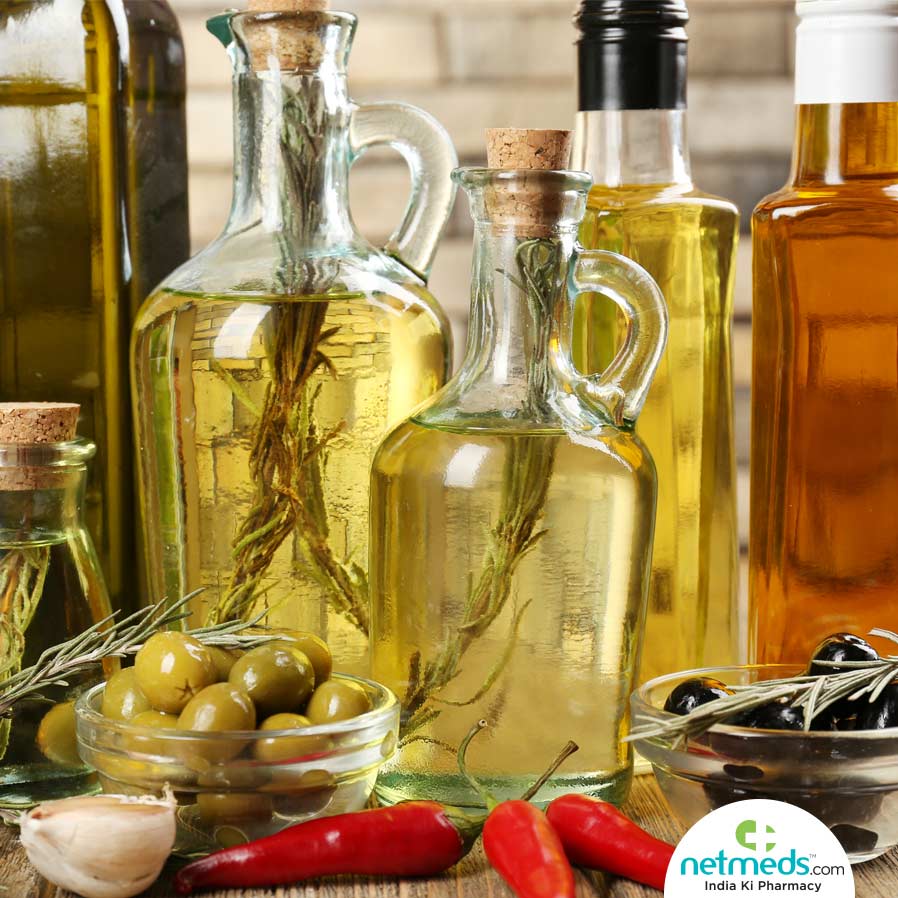
However, this scenario has changed drastically in the last couple of decades, as it is widely believed that traditional oils and ghee cause high levels of cholesterol and lead to heart disease, making sunflower oil the most preferred one.
And in recent years, thanks to the awareness traditional oils and ghee have found their place back in the kitchen shelves.
When it comes to picking up cooking oil you have many choices, but it is important to choose oils that are healthy, balanced and that can stay healthy even after cooking. The stability of the oil greatly determines how good the oil is for cooking at a high temperature and do not go rancid easily.
Refined cooking oils undergo oxidation, it reacts with oxygen to form free radicals, which are harmful to health. Furthermore, different oils have varying amounts of fats - Polyunsaturated, Monounsaturated and Saturated fats.
The daily recommended allowance of oil for a normal adult is 15ml or 3 teaspoons per day, which equals to half a liter per month. That’s all about the quantity, now let’s explore the quality of various oils.
Coconut Oil
Coconut oil is full of saturated fat, but about 60% of the fatty acids found in coconut oil are medium-chain triglycerides (MCTs). This type of fatty acids provides various health benefits. It increases HDL (good cholesterol), improves cognitive function and helps in losing weight. The distinct aroma, flavor and high smoking point of coconut oil makes it ideal for high-heat cooking.
Groundnut Oil
Groundnut oil is a perfect blend of good fats monounsaturated and polyunsaturated fats and is low in bad saturated fats. A highly preferred choice of oil for all types of cooking such as deep-frying, pan-frying, roasting and even grilling due to its high smoking point and mild flavour.
Mustard Oil
Mustard oil is loaded with B -complex vitamins, which helps in boosting energy levels and has a high smoking point, which is great for deep frying. However, it contains huge amounts of erucic acids about 48% which has been linked to cardiac issues, so avoid using it as the only source of cooking oil on a daily basis.
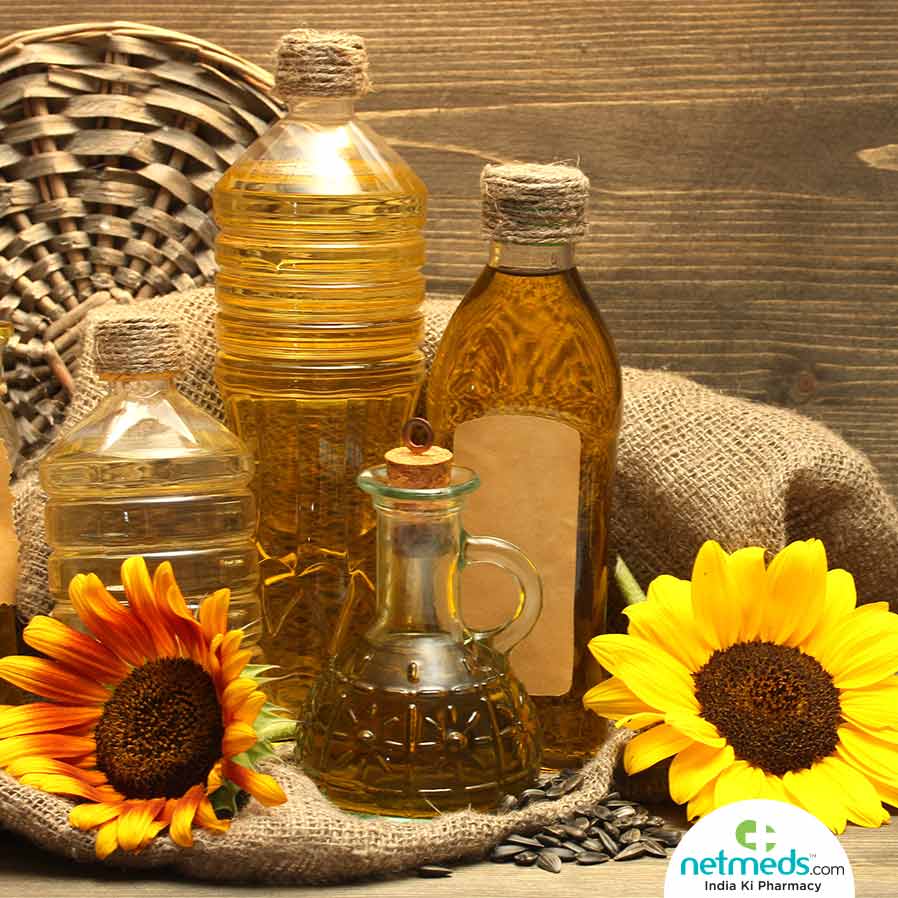
Sunflower Oil
It is made from pressed sunflower seeds, which has good amounts of vitamin E and low levels of saturated fat. It is a blend of monounsaturated (MUFA) and polyunsaturated (PUFA) fatty acids. With a mild flavour and high smoking point, it’s great for both deep frying and baking and for salad dressing.
However, researchers claim that diabetics should limit the usage of sunflower oil as it may lead to the spike in levels of blood sugar.
Olive Oil
Olive oil is rich in monounsaturated fatty acids that help to boost your heart's health. Extra virgin olive is heaped with a rich array of antioxidants, polyphenol and oleic acid. Smoking point varies depending upon the type of olive oil, extra virgin olive oils have the lowest smoking point and richest flavor. It should not be exposed to heat, but any can be drizzled over food and salads. Refined olive oil is best for sautéing and stir-frying.
Sesame Oil
Being a rich source of fiber, sesame oil is also known as the “queen of oil seeds” not only beneficial for promoting health but also extensively used in various cuisines. The amber coloured variety of the sesame oil, often referred to as gingelly oil obtained through cold compression can be used for stir frying or as a part of dressing in salads. Sesame oil, on the other hand, has a high smoking point, can be used for all types of cooking and deep-frying.
Canola Oil
One of the best varieties of vegetable oils, canola oil is widely used in several food industries. Having a buck load of monounsaturated fat (i.e. omega-3 fatty acid and alpha-linolenic acid (ALA)) and reasonably low in saturated fats it reduces the risk of heart ailments. Having a high smoke point and a mild flavor, it can be also used for cooking. Cooking with this oil, can reduce inflammation, joint stiffness and promote skin health.
Avocado Oil
Around 69 percent of avocado oil consists of heart-healthy oleic acid, which is an unsaturated fat. Avocado oil is also a good source of monounsaturated fat which helps reduce LDL cholesterol and increase HDL cholesterol. Pressed from the pulp of an avocado, it contains skin healthy vitamin E and also aids the body to absorb other fat-soluble vitamins. Avocado oil is a great oil to be used for shallow frying.
Flaxseed Oil
Densely flavored, flaxseed oil may taste slightly bitter but it is rich in omega-3 fatty acids. Daily consumption of this oil augments the digestive system and can help treat constipation. It has also been linked to reduction of high cholesterol and heart disease. Since it has a low smoke point, it can ideally be used for all dips and dressings.
Palm Oil
An African native, Palm oil comes from palm trees of Africa where it has been consumed for thousands of years. With a high smoke point of 450°F, palm oil can be used for sautéing or frying. For dishes that require extensive frying, this oil goes a long way.
Frequently Asked Questions
How To Choose The Right Cooking Oil?
Choose cooking oils based on their smoke point, fatty acid profile, and purpose if use. Oils rich in unsaturated fats, such as olive, groundnut, rice bran, canola, or mustard oil, are a highly preferred choice. Rotate oils to ensure a balanced intake of healthy fats.
Which Cooking Oil Is Best For Hypertension?
Extra virgin olive oil is one of the best choices for people with hypertension due to its heart-healthy monounsaturated fats and antioxidants. Mustard oil and rice bran oil are also good options when used in moderation.
What Is The Best Cooking Oil For CKD?
People with chronic kidney disease (CKD) should consult their healthcare provider, but heart-healthy oils like olive oil, canola oil, and rice bran oil are generally preferred. Total fat intake should be customised based on the stage of CKD and overall health.
What Oil Is Best For Diabetics?
Olive oil, mustard oil, groundnut oil, and canola oil are good choices for people with diabetes. These oils are rich in healthy unsaturated fats that may help support heart health and improve insulin sensitivity when used as part of a balanced diet.
References:
https://pmc.ncbi.nlm.nih.gov/articles/PMC4990724/
Selecting healthy edible oil in the Indian context
SC Manchanda 1,2,⁎, Santosh Jain Passi 1,2
https://www.journal.njrcm.com/index.php/njrcm/article/view/209
Choosing a Cooking Oil.
Authors
Prabakaran J
Madha Medical College & RI, Chennai, Tamil Nadu
 Previous