Shallots, the tiny, little onions are like a must-have ingredient in Indian kitchens be it for adding that extra flavour to aromatic sambar, to spice up a tangy chutney and even for seasoning. They are valued for their impressive nutrient profile, which is actually superior to common onions and delivers a host of healing health benefits. Laden with strong antioxidants, bioactive compounds and nutrients, shallots lowers the risk of cancer, boost cardiac and brain health and also nourishes the skin and hair from deep within.
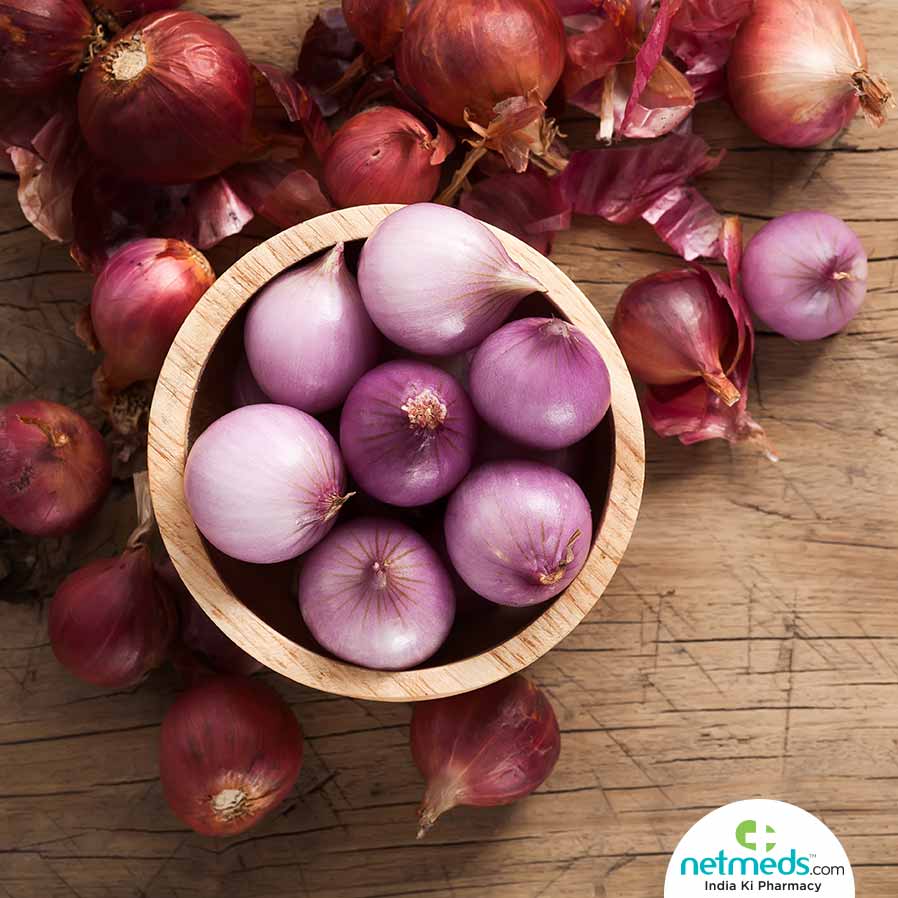
Closely related to garlic, shallots belong to the group of allium vegetables. The colour ranges from golden brown to rose-red and has a pulpy white inner flesh.
Ayurveda recommends its innumerable healing properties to treat sore throats, infections, gut issues, stomach bloating etc.
Also Read: 5 Astonishing Benefits Of Red Onion Hair Oil For Lustrous And Stronger Mane
Nutritional Facts
Prepping shallots can be a teary process due to the presence of sulphuric compound allinase, but the nutrition in these baby onions more than makes up for it. Shallots are loaded with an array of nutrients including essential Vitamins A, B, C, minerals like potassium, manganese. It is also a good source of dietary fibre and heaped with immune-boosting peptides that play a major role in preventing cancer, promote cardiovascular health and keep infections at bay.
Lowers Cancer Risk
Shallots are well-known for their ability to restrict the growth of cancer cell formation and reduce the risk of cancer. Evidence reveals that ethyl acetate extracts of shallots and other onions are potent in slowing down the growth of cancer cells. Regular use of shallots in our daily cooking can lower the risk of stomach cancer due to its strong anti-cancer and anti-inflammatory properties.
Promotes Heart Health
The antioxidants allicin and quercetin in shallots possesses antihypertensive properties and help in stabilizing blood pressure. The goodness of antioxidants allicin guards the heart by lowering the levels of free radical damage by stimulating the production of glutathione that has a positive effect on your heart health. The enzymes present in shallots lower cholesterol, help in dilating the blood vessels, and improve circulation.
Potent Detoxifier
Shallots play a vital role in removing the toxins from the bloodstream and help in detoxifying. It stimulates the secretions of digestive enzymes and aid in detoxifying the liver. In addition, the richness of organic Sulphur compound in shallots is an essential compound required by the liver that assists in the detoxification process.
Improves Brain Health
The richness of folate in shallots works wonders for brain health by improving brain functioning and folate also protects your body’s DNA and RNA. An important component pyrithione in shallots fight brain inflammation and improve neurological functioning. The anti-inflammatory properties of shallots prevent Alzheimer’s disease, calm the nerves and cure any nervous irritability.
Cures Allergies
The strong antiviral and antibacterial properties of shallots help in curing allergies and infections. Shallots help in treating respiratory allergies like a sore throat, phlegm, headache and certain food allergies.
Packed With Antioxidants
Antioxidants are beneficial compounds that safeguard your healthy cells from oxidising and damages caused by free radicals. Surplus amounts of free radicals can result in oxidative stress in the body, which can elevate the risk of inflammation and chronic disorders such as cancer, heart disease and diabetes. Shallots are a storehouse of antioxidants like quercetin, kaempferol, and allicin. Incorporating red onions in the meal plan is the best possible way to enhance overall health and well-being.
Potent Antimicrobial Effects
Allium rich vegetable like shallots is well-known to exhibit strong antibacterial, antifungal, and antiviral traits. Red shallots have been widely used in traditional medicine to cure a common cold, cough, fever and flu. Besides this, flossing an extract of red shallots with water is effective in inhibiting bacterial growth in the mouth and treats dental cavities.
Soothe Nerves
The wealth of minerals and vitamins present in shallots including pyridoxine supports to stimulate the release of GABA in the brain, which plays a key role in reducing stress levels and maintaining hormone balance. Adding red shallots to the diet is one of the simplest ways to mitigate stress and relax your body and mind. Apart from this, being rich in folic acids, shallots uplift mental and emotional well-being by regulating enzyme reactions in the brain.
Frequently Asked Questions
What Are The Benefits Of Eating Shallots?
Eating shallots offers several health benefits. They are rich in antioxidants, vitamins, and minerals that help boost immunity, support heart health, improve digestion, and reduce inflammation. Shallots also contain compounds that may help regulate blood sugar levels.
What Is So Special About Shallots?
Shallots are special because they have a milder, sweeter, and more aromatic flavour than regular onions. They also contain higher levels of antioxidants and sulfur compounds, making them both flavourful and nutritionally valuable.
How Healthy Is Shallot?
Shallots are very healthy and low in calories. They are a good source of vitamin C, vitamin B6, potassium, folate, and fiber. Their antioxidant properties help protect cells from damage and may support overall metabolic health.
What Are Shallots Good To Use For?
Shallots are commonly used in:
Salad dressings and vinaigrettes
Sauces and gravies
Stir-fries and sautéed dishes
Pickles and chutneys
Soups and stews
Their subtle flavour makes them ideal for dishes where raw onions might be too strong.
Does Shallot Help In Hair Growth?
Yes, shallots may support hair growth. They are rich in sulfur, which helps improve blood circulation to the scalp and supports collagen production. When consumed regularly or used in hair treatments, shallots may help strengthen hair roots and reduce hair fall.
References:
Therapeutic Uses and Pharmacological Properties of Shallot (Allium ascalonicum): A Systematic Review
Cadmiel Moldovan 1, Oleg Frumuzachi 1, Mihai Babotă 1, Lillian Barros 2, Andrei Mocan 1,3,*, Simone Carradori 4, Gianina Crişan 1
https://pmc.ncbi.nlm.nih.gov/articles/PMC9380064/
Assessment of nutritional values, phytochemical content, and antioxidant properties of Shallot (Allium ascalonicum L.) leaf and bulb
Aanuoluwapo Elizabeth Adeyemo, Olufunmilayo Sade Omoba , Aderonke Ibidunni Olagunju ,
https://www.sciencedirect.com/science/article/pii/S2772275923000163
 Previous