


SALGLIPTIN Tablet 10's

Netmeds First Membership
Quick Links
Introduction About SALGLIPTIN TABLET
SALGLIPTIN TABLET is used as an adjunct to diet and exercise to control elevated blood sugar levels in adult patients with type II diabetes mellitus. It contains a medicine called Teneligliptin which lowers blood glucose levels by blocking the actions of an enzyme called dipeptidyl peptidase (DPP)-4 that regulates the secretion of insulin in the body.
During therapy with SALGLIPTIN TABLET, your doctor might ask you to make certain lifestyle changes such as following a healthy diet, regular physical exercise, and quitting alcohol consumption.
Before taking SALGLIPTIN TABLET, inform your doctor if you have any liver or heart problems. You must also inform your doctor if you have hormonal problems, stomach problems (surgery in the gut) or if you are malnourished, starved, on an irregular diet.
SALGLIPTIN TABLET is not suitable for use in patients with type I diabetes mellitus. Consult your doctor before taking SALGLIPTIN TABLET if you are pregnant or planning to become pregnant.
One of the most common side effects of taking SALGLIPTIN TABLET is hypoglycemia (blood sugar levels) which can be identified by symptoms such as increased hunger, sweating, shakiness, weakness, or an irregular heartbeat. To avoid this, your doctor will periodically monitor your blood sugar levels and adjust the dose of SALGLIPTIN TABLET accordingly.
You can also carry a sugary snack (such as biscuits, glucose drinks or sweet candies) along with you as a precaution and have them immediately if you experience any signs of hypokalemia. However, consult your doctor if there is no improvement in your condition. Other common side effects of taking SALGLIPTIN TABLET are headache, dizziness, and constipation.
Uses Of SALGLIPTIN TABLET
- It is used in adjunct to diet and exercise to manage type II diabetes mellitus in adults
How SALGLIPTIN TABLET Works
SALGLIPTIN TABLET effectively controls blood glucose levels in patients with type II diabetes mellitus. It contains teneligliptin which is a dipeptidyl peptidase (DPP)-4 inhibitor. It lowers blood glucose levels by blocking the actions of an enzyme called DPP-4 that regulates the secretion of insulin in the body. As a result, it improves insulin production and helps in the digestion of circulating blood glucose. It can also regulate blood sugar post meal by controlling glucagon secretion.
How to use SALGLIPTIN TABLET
Take SALGLIPTIN TABLET as advised by your physician.
Swallow the medicine with a glass of water. Do not crush or chew the medicine.
SALGLIPTIN TABLET should be taken preferably after meals.
Your doctor will decide the correct dose and duration of therapy for you depending upon your age, body weight and disease condition.
Side Effects Of SALGLIPTIN TABLET
Like all medications, this medicine may cause side effects, although they do not occur in everyone.
Common Side Effects of SALGLIPTIN TABLET:
- hypoglycemia (low blood sugar)
- dizziness
- headache
- constipation, diarrhoea
- fever
How To Manage Side Effects
Constipation
Eat plenty of fiber rich foods such as fresh fruits, vegetables, and cereals. Drink plenty of fluids. Exercise more regularly. Consult your doctor if this side effect bothers you.
Diarrhea
Hydrate yourself by drinking plenty of fluids, such as water or fruit juices. Consuming ORS can also be beneficial. Do not self-manage diarrhea on your own. Consult your doctor if your diarrhea becomes uncontrollable.
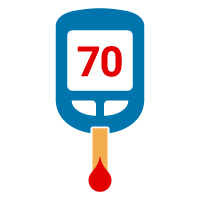
Hypoglycemia
Have foods rich in sugars such as fruit juices, glucose drinks, candies, honey, or biscuits. Check your blood sugar after 10 minutes. If not gained optimum level, take another sugary snack, or a drink, and check the blood sugar again. consult your doctor if there is no improvement in your condition.
Warning & Precautions

Pregnancy
Monitoring requiredSALGLIPTIN TABLET should be used in pregnant women only if prescribed by the physician. Your doctor may prescribe SALGLIPTIN TABLET for you after evaluating the risks and benefit ratio. Therefore, consult your doctor before taking it.

Breastfeeding
ContraindicatedBreast-feeding should be stopped during management with SALGLIPTIN TABLET. However, consult your doctor before taking it.

Driving and Using Machines
Use with CautionDo not drive or operate any machines if you feel dizzy after taking SALGLIPTIN TABLET.

Alcohol
Consult your doctorAvoid consumption of alcohol while taking SALGLIPTIN TABLET as it may increase the risks of side effects.

Liver
Use with CautionSALGLIPTIN TABLET should be used with caution in patients with severe liver diseases. Therefore, consult your doctor before taking it.

Allergy
ContraindicatedDo not take SALGLIPTIN TABLET if you are allergic to Teneligliptin.

Heart Disease
Use with CautionSALGLIPTIN TABLET should be used with caution in patients with heart problems (like heart failure or slow heartbeat). Therefore, consult your doctor before taking it.

Use In Pediatrics
Consult your doctorThere is no proper information regarding the use of SALGLIPTIN TABLET in children and in adolescents (below 18 years). Therefore, consult your doctor before taking it.

Use In Geriatrics
Use with CautionSALGLIPTIN TABLET should be used with caution in elderly patients. Therefore, consult your doctor before taking it. Proper dose adjustments and careful monitoring are required in such patients.
Others
SALGLIPTIN TABLET is not recommended for use if you:
- have severe ketosis (increased levels of ketone bodies in the blood)
- have diabetic coma or precoma
- have type I diabetes mellitus
- have serious traumatic injury
Before taking SALGLIPTIN TABLET, inform your doctor if you:
- have pituitary insufficiency or adrenal insufficiency
- are malnourished, starved, on an irregular diet, or feeling weak
- perform extreme muscle exercises
- have a history of abdominal operation or intestinal obstruction
- have hypokalaemia (low blood potassium levels)
Interactions
A. Drug-Drug interactions:
Before taking SALGLIPTIN TABLET, inform your doctor if you are taking any of the following medicines such as:
- other medicines used to manage diabetes (such as glimepiride, exenatide, acarbose, metformin, pioglitazone, repaglinide, empagliflozin or insulin)
- beta blockers (medicines used to manage high blood pressure) Ex. atenolol, propranolol
- salicylic acid (a medicine used to manage skin problems like acne)
- medicines used to manage depression (Ex. phenelzine, selegiline)
- adrenaline (a medicine used to manage shock caused by allergic reactions or collapse)
- thyroid hormones (used to manage thyroid deficiency) Ex. levothyroxine, liothyronine
- medicines used to manage irregular heartbeats (Ex. quinidine, procainamide, amiodarone, sotalol, etc.)
Overdosage:
If you or anyone else accidentally took more SALGLIPTIN TABLET, consult your doctor immediately or visit the nearby hospital.
Synopsis
| Drug | : | Teneligliptin |
| Pharmacological Category | : | Dipeptidyl Peptidase-4 Inhibitors |
| Therapeutic Indication | : | Type II Diabetes mellitus |
| Dosage Forms | : | Tablet |
More Information
Storage
- Keep SALGLIPTIN TABLET out of reach of children
- Store SALGLIPTIN TABLET at room temperature
FAQs About SALGLIPTIN TABLET
Q: What is SALGLIPTIN TABLET used for?
A: SALGLIPTIN TABLET contains Teneligliptin which is used to manage type II diabetes (high blood sugar levels) in adults, that cannot be controlled by diet and exercise alone. Your doctor will decide the correct dose and duration of therapy for you depending upon your age, body weight and disease condition.
Q: Is SALGLIPTIN TABLET safe to use in pregnancy?
A: SALGLIPTIN TABLET should be used in pregnant women only if prescribed by the physician. Your doctor may prescribe SALGLIPTIN TABLET for you after evaluating the risks and benefit ratio. Therefore, consult your doctor before taking it.
Q: What precautions do I need to follow while taking SALGLIPTIN TABLET?
A: Before taking SALGLIPTIN TABLET, inform your doctor if you have any liver or heart problems. You must also inform your doctor if you have hormonal problems, stomach problems (surgery in the gut) or if you are malnourished. SALGLIPTIN TABLET is not suitable for use in patients with type I diabetes mellitus. Consult your doctor before taking SALGLIPTIN TABLET if you are pregnant or planning to become pregnant. During therapy with SALGLIPTIN TABLET, follow the diet and lifestyle changes instructed by your doctor. Always carry a sugary snack (such as biscuits, glucose drinks or sweet candies) along with you as a precaution and have them immediately if you experience any signs of hypokalemia.
Q: Can I take medication for high blood pressure along with SALGLIPTIN TABLET?
A: No. It is not advisable to take medicines to control blood pressure while taking SALGLIPTIN TABLET without consulting your doctor. Therefore, consult your doctor before taking any antihypertensive such as beta blockers (Ex. atenolol, propranolol) along with SALGLIPTIN TABLET as they have known interactions with SALGLIPTIN TABLET.
Q: What should I do if I experience low blood sugar after taking SALGLIPTIN TABLET?
A: Low blood sugar is a common side effect of taking SALGLIPTIN TABLET. Try to have sugar rich food items such as fruit juice, glucose tablets or gel, soft drinks, honey, or sugary candy. Check your blood sugar after 10 minutes. If not gained optimum level, take another sugary snack, or drink, and check the blood sugar again. In case of persistent low blood sugar levels, consult your doctor immediately.
Q: Can SALGLIPTIN TABLET cause dizziness?
A: Yes. Dizziness is a common side effect of using SALGLIPTIN TABLET. In case you experience dizziness, lie down until it passes, then get up slowly and carefully. Get adequate rest. Drink plenty of water and other fluids. Avoid coffee, cigarettes, and alcohol. Do not drive or use machinery to avoid accidents. Consult your doctor if you experience dizziness continuousy for a long time after taking SALGLIPTIN TABLET.
Q: Can SALGLIPTIN TABLET be taken with insulin?
A: Co-administration of SALGLIPTIN TABLET with insulin is considered risky as they are increased chances of hypoglycemia (decreased blood sugar levels). Consult your doctor before taking it.
Q: How to take SALGLIPTIN TABLET?
A: You must take SALGLIPTIN TABLET as advised by your physician. Try to take this medicine preferably after meals and swallow it with a glass of water. Do not crush or chew the medicine.
Q: How much SALGLIPTIN TABLET should I take?
A: SALGLIPTIN TABLET should be used only under medical supervision. Your doctor will decide the correct dose and duration of therapy for you depending upon your age, body condition and severity of the disease condition.
Q: Can SALGLIPTIN TABLET cause constipation?
A: Yes. Constipation is a common side effect of using SALGLIPTIN TABLET. Eat plenty of fiber rich foods such as fresh fruits, vegetables, cereals as well as drink plenty of water and exercise more regularly when taking this medicine. Contact your doctor if you experience constipation for a long time.
References
1. Joseph T. DiPiro, Robert L. Talbert, Gary C. Yee, Gary R. Matzke, Barbara G. Wells, L. Michael Posey. Diabetes Mellitus. Pharmacotherapy- A Pathophysiologic Approach. Eighth edition. Page- 1263, 1264.
2. Mitra, A., & Ray, S. Evaluation of the Safety and Efficacy of Teneligliptin at a Higher Dose in Indian Type 2 Diabetes Patients: A Retrospective Analysis. NIH National Library of Medicine, National center for biotechnology information. PubMed Central. January 2020. [Accessed on 19th April 2022] click here
3. Torrent Pharmaceutical Ltd. Teneligliptin. [Revised in April 2021] [Accessed on 19th April 2022] click here
4. Mitsubishi Tanabe Pharma Factory Ltd. Teneligliptin. [Revised in April 2020] [Accessed on 19th April 2022] click here
Author Details